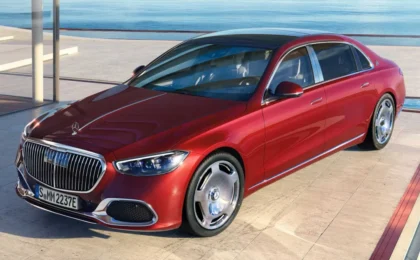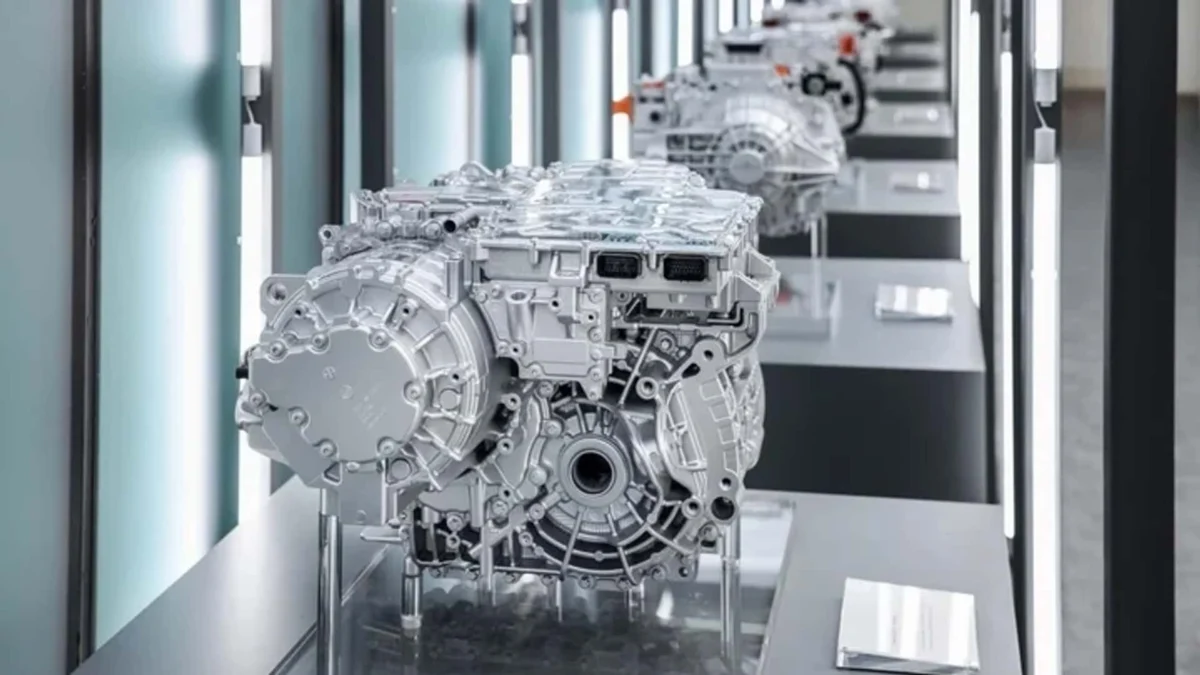
In the rapidly evolving landscape of global automotive engineering, Geely Auto Group has firmly planted its flag as a leader in powertrain innovation. The Chinese automotive giant recently unveiled its latest breakthrough, the "16-in-1 Intelligent Electric Drive," an integrated propulsion system that promises to redefine how electric vehicles (EVs) are designed, packaged, and operated. By consolidating critical hardware and software into a single, highly compact unit, Geely is signaling a shift toward a new era of efficiency and modularity that could influence the entire industry.
The Genesis of the 16-in-1 Drive Unit
The development of the 16-in-1 drive unit is the result of years of research into powertrain optimization. For decades, the industry relied on modular setups where the motor, inverter, and reduction gear were separate components connected by bulky wiring and complex cooling systems. Geely’s engineering team sought to eliminate this redundancy.
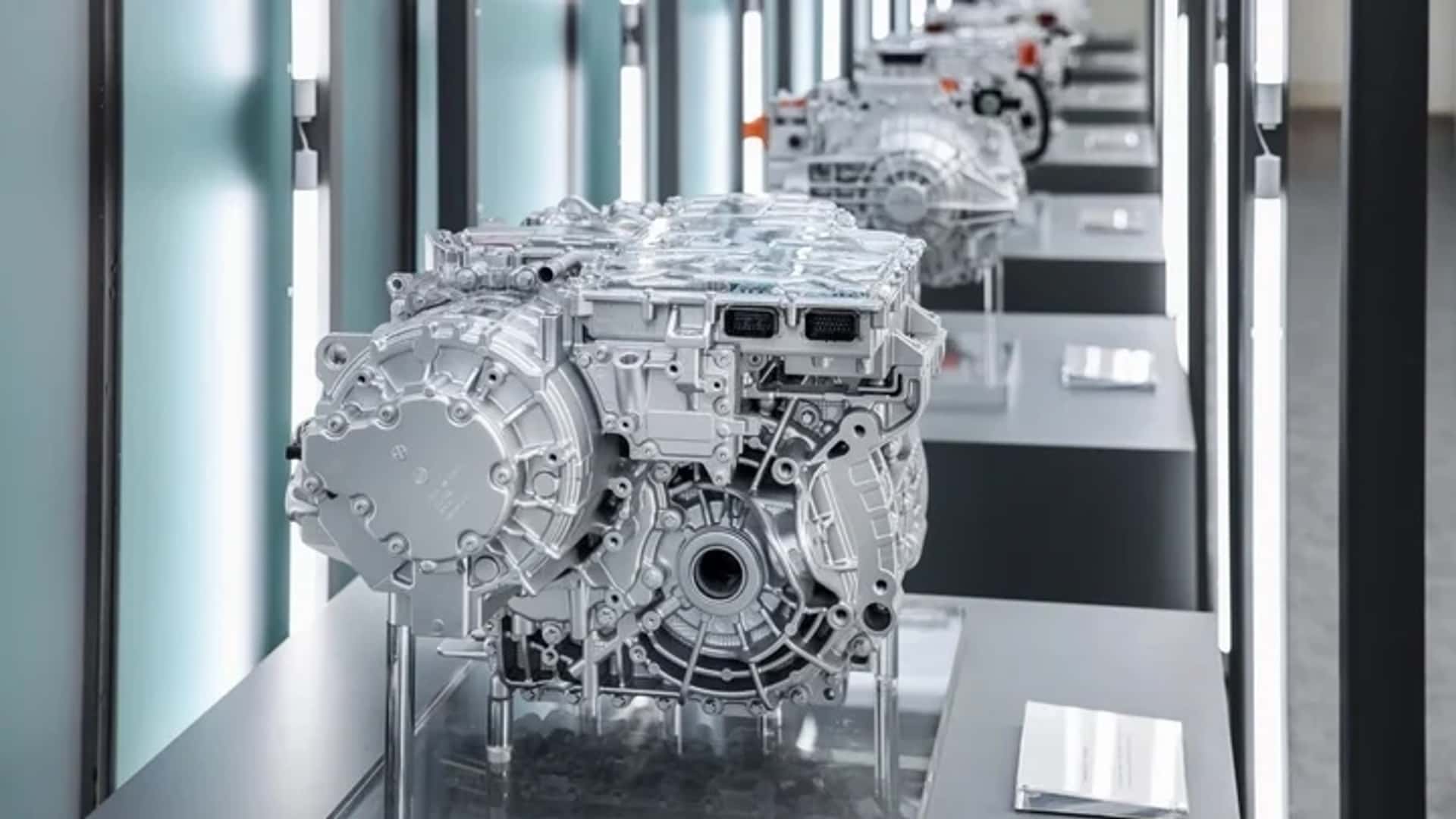
The unit functions as a "brains and brawn" package. It synthesizes 12 distinct hardware functions—including the motor, motor controller, and reduction gear—with four sophisticated software management modules: energy management, charging management, motion control, and health monitoring. By merging these systems, Geely has successfully eliminated over 180 individual redundant parts, a feat of simplification that drastically reduces the potential for mechanical failure while simultaneously lowering manufacturing costs.
Technical Specifications: Efficiency Through Integration
The primary metric driving the development of the 16-in-1 unit is thermal and operational efficiency. According to data provided by Geely, the unit achieves a remarkable 93.8 percent efficiency rating based on the China Light-Duty Vehicle Test Cycle (CLTC). While the CLTC cycle is known for its relatively lenient parameters compared to the WLTP or EPA standards, a 93.8 percent efficiency rating remains an engineering milestone, signaling that almost all energy drawn from the battery is effectively converted into kinetic energy at the wheels.
The physical footprint of the drive unit is perhaps its most impressive feature. Weighing in at just 75 kilograms (165.35 pounds) and standing only 12.8 inches tall, the unit represents a triumph of packaging. By reducing high-voltage wiring by 30 percent and low-voltage wiring by 15 percent, the engineers have freed up significant space within the vehicle architecture. In the case of the upcoming Geely Galaxy TT, this compact design translates into an additional cubic foot of trunk space—a premium commodity in the world of electric sedans.
Chronology of Development and Integration
The trajectory of Geely’s electric advancement has been rapid. While the 16-in-1 unit is the latest headline, it is part of a broader strategy that began with the launch of the Galaxy sub-brand last year.
- Early 2023: Geely formally introduces the Galaxy model lineup, signaling its intent to compete directly with high-end global electric sedans.
- Mid-2023: Initial testing of the integrated drive systems begins. Engineers focus on "software-defined hardware," attempting to make the vehicle’s performance adjustable through firmware updates rather than mechanical overhauls.
- Late 2023: The prototype of the 16-in-1 unit is finalized. Testing reveals that the consolidation of components significantly improves heat dissipation, as the integrated controller and motor can share cooling loops more effectively.
- 2024: Geely prepares for the commercial launch of the Galaxy TT, marking the first time the 16-in-1 unit will be mass-produced for the consumer market.
The Geely Galaxy TT: A New Executive Contender
The flagship vehicle for this technology is the Geely Galaxy TT. Measuring 196.81 inches in length and featuring a 114.96-inch wheelbase, the Galaxy TT is positioned as a direct competitor to executive-class sport sedans such as the Porsche Taycan and the BMW 5 Series.
The vehicle will be offered in two primary configurations, both utilizing the 16-in-1 drive unit. The entry-level, rear-wheel-drive variant delivers 329 horsepower, providing a balanced, efficient drive for commuters. For performance enthusiasts, the four-wheel-drive configuration bumps the output to 570 horsepower, allowing the sedan to sprint from 0 to 62 mph in just 3.8 seconds. This combination of executive dimensions and sports-car acceleration highlights the versatility of the new drive system.
Official Stance and Industry Implications
Geely’s leadership has been vocal about the importance of "integrated intelligence." In recent press statements, company representatives emphasized that the future of the EV is not just about battery capacity, but about the "intelligence of the energy path." By managing charging, motion, and health in one software suite, the car becomes self-optimizing. The health management software, for instance, can predict potential hardware issues before they result in a breakdown, extending the vehicle’s lifecycle and enhancing resale value.
The implications for the broader automotive market are significant. While the Galaxy TT is currently slated only for the Chinese market, the technology behind the 16-in-1 unit is likely to permeate Geely’s global portfolio. Geely maintains ownership stakes or parent company relationships with brands such as Volvo, Polestar, and Lotus. If these proprietary technologies are shared across these brands, we could see a massive increase in the efficiency of future electric Volvos and Polestars, potentially allowing them to offer greater range from smaller, lighter batteries.
Comparative Analysis: The Shift Toward Power Density
The industry is currently obsessed with "power density"—the ability to squeeze more performance out of smaller, lighter components. Traditional manufacturers have long relied on heavy, bulky gearboxes and external cooling pumps. Geely’s move to strip away 180 parts is a bold step toward the "skateboard" architecture that most analysts believe is the future of the industry.
When compared to legacy EV platforms, the 16-in-1 unit offers a twofold advantage:
- Manufacturing Simplicity: Fewer parts mean fewer supply chain bottlenecks and faster assembly times.
- Increased Interior Volume: In an era where consumer expectations for cabin and cargo space are rising, the ability to shrink the "mechanical heart" of the car allows designers to push the boundaries of vehicle aesthetics.
Conclusion: A Win-Win for the EV Sector
Geely’s innovation is a testament to the pace of development within the Chinese automotive sector. By focusing on the granular details of electrical efficiency—reducing wiring, optimizing software controls, and minimizing physical volume—they have created a system that makes the electric car more practical for the everyday user.
While the Galaxy TT may remain a regional product for now, the engineering philosophy behind it is global. As automakers around the world scramble to improve range and lower the weight of their EVs, Geely’s 16-in-1 unit sets a standard that others will be forced to follow. Whether through direct technology sharing with subsidiary brands like Volvo or through the pressure of market competition, the advancements made by Geely will likely be felt in showrooms worldwide.
The industry is moving past the phase of merely "electrifying" vehicles; it is now entering the phase of "optimizing" them. With this compact, highly efficient drive unit, Geely has firmly established itself at the forefront of this critical transition. As software and hardware continue to merge, the boundary between the machine and the computer will continue to blur, and in that future, vehicles like the Galaxy TT are only the beginning.