The landscape of modern television is littered with high-concept science fiction, yet the specific sub-genre of "biopunk"—stories that focus on the intersection of biotechnology, human autonomy, and the terrifying ethics of corporate genetic manipulation—remains an endangered species. As Netflix prepares to remove the groundbreaking series Orphan Black from its library, audiences are losing access to one of the most intellectually rigorous and technically impressive experiments in the history of the medium.
More than a decade after its 2013 premiere, Orphan Black stands as a masterclass in serialized storytelling. It is not merely a show about clones; it is a profound exploration of identity, bodily autonomy, and the cold, unfeeling machinery of institutional power. For those who have yet to witness Tatiana Maslany’s Herculean performance, or for those looking to revisit the saga before it departs, the time to binge is now.
The Premise: A High-Stakes Descent into Biological Horror
The series begins with a scene that has since become iconic in the annals of sci-fi television. Sarah Manning, a British con artist struggling to reclaim her daughter, witnesses a woman standing on a subway platform. The woman takes off her shoes, drops her purse, and steps into the path of an oncoming train—but not before turning to look at Sarah. The shock of the moment is primal: the woman is Sarah’s exact physical double.
Driven by desperation and the hope for a quick payday, Sarah adopts the dead woman’s identity, only to discover that the woman, Beth Childs, was a police detective caught in a web of secrets far deeper than she imagined. What follows is a five-season descent into a conspiracy involving the Dyad Institute, a shadow-corporation obsessed with the ownership of human life.
Chronology of a Cult Phenomenon
Orphan Black arrived during a pivotal moment in the "Golden Age" of cable television, serving as a flagship for BBC America. Its trajectory is defined by a rapid expansion of its own internal logic:
- 2013: The Awakening: The first season introduces the core mystery of the "Clone Club." Sarah discovers she is one of many, each created in a lab and monitored as part of a clandestine experiment.
- 2014–2016: The Expansion: As the show progressed, creators John Fawcett and Graeme Manson doubled down on the stakes. They introduced the Proletheans, a religious cult that views the clones as an abomination, and the Castor project, a parallel initiative focusing on male clones.
- 2017: The Conclusion: After navigating through complex military plots and shifting alliances, the series reached its fifth and final season. It succeeded where many sci-fi epics fail: it provided a definitive, emotionally satisfying resolution that stayed true to the characters who had evolved so drastically over the years.
The Technical Marvel: Tatiana Maslany’s Singular Performance
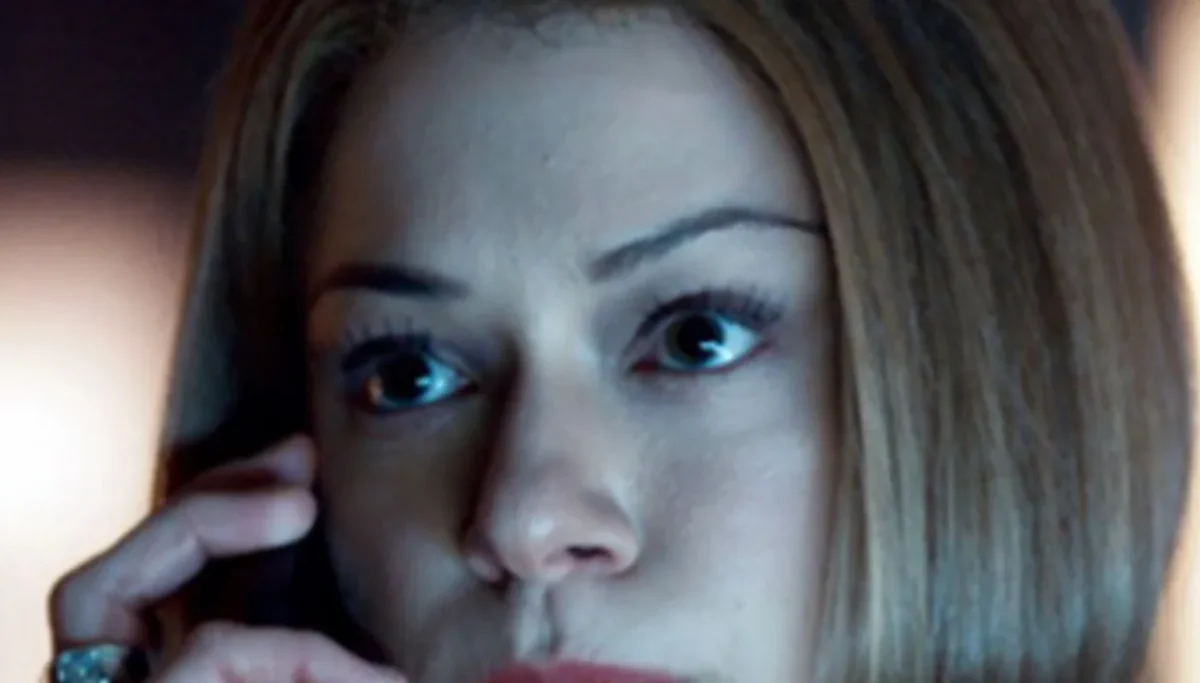
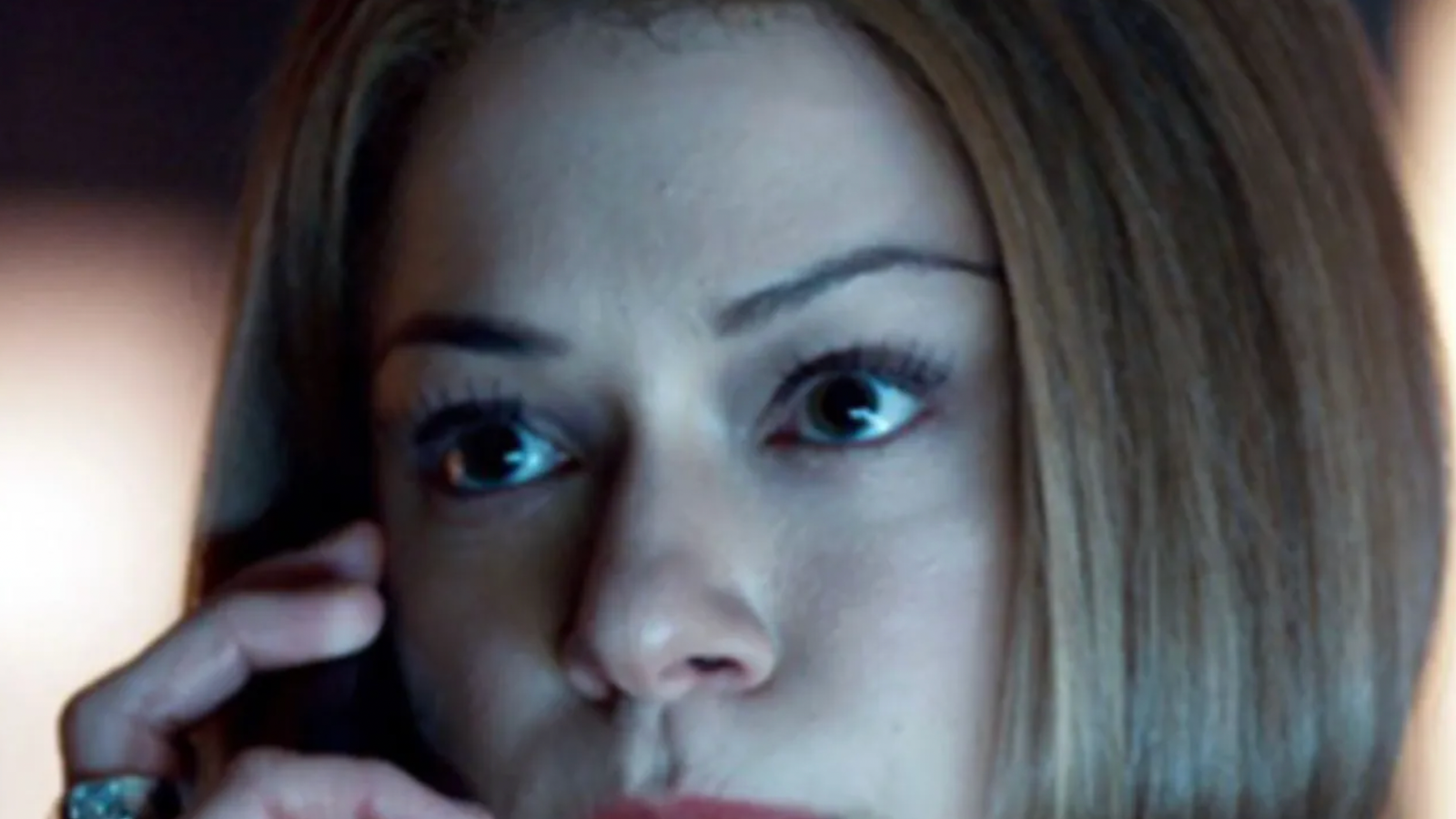
The primary reason Orphan Black remains a cultural touchstone is the performance of Tatiana Maslany. To say she played 17 distinct clones is a numerical fact, but it fails to capture the sheer technical and artistic mastery involved.
In an era before AI-driven deepfakes became a common (and often controversial) tool in Hollywood, Maslany and the Orphan Black production team relied on practical camera work, motion control, and sheer acting prowess. Watching Maslany interact with herself—hugging, fighting, dancing, or arguing—creates an uncanny, magical effect. She imbues each clone with a unique gait, a distinct vocal cadence, and a different psychological temperament.
Critics and audiences alike were captivated. Maslany’s transformation from a relative unknown into an Emmy-winning powerhouse is one of the most deserved success stories in modern television history. She didn’t just play characters; she played distinct human beings who happened to share the same DNA, highlighting the show’s central thesis: nature may be hardcoded, but nurture and agency define the soul.

Supporting Data: Why Biopunk Matters Today
Biopunk distinguishes itself from the neon-soaked dystopias of traditional cyberpunk by focusing on the "wetware" of the human body rather than the hardware of the digital world. While cyberpunk explores the fusion of man and machine, biopunk explores the corruption of the biological blueprint.
Recent advancements in CRISPR gene editing and the ongoing debates regarding corporate access to private medical and genetic data make Orphan Black more relevant today than when it first aired. The series asks uncomfortable questions:
- Ownership: If a corporation pays for your creation, do they own your life?
- Consent: To what extent can an individual reclaim their body from those who view them as "intellectual property"?
- Ethics: At what point does scientific progress become a violation of human rights?
These themes resonate with a modern audience increasingly concerned with data privacy and the rapid acceleration of medical technology. The show serves as a cautionary tale about the intersection of capitalism and the biological imperative.
Official Perspectives: The Vision of Fawcett and Manson
Creators John Fawcett and Graeme Manson have long cited a love for body horror and psychological thrillers as the bedrock of their work. Their previous collaborations—including the seminal werewolf horror Ginger Snaps and the claustrophobic sci-fi thriller Cube—prepared them to handle the intense, visceral nature of Orphan Black.
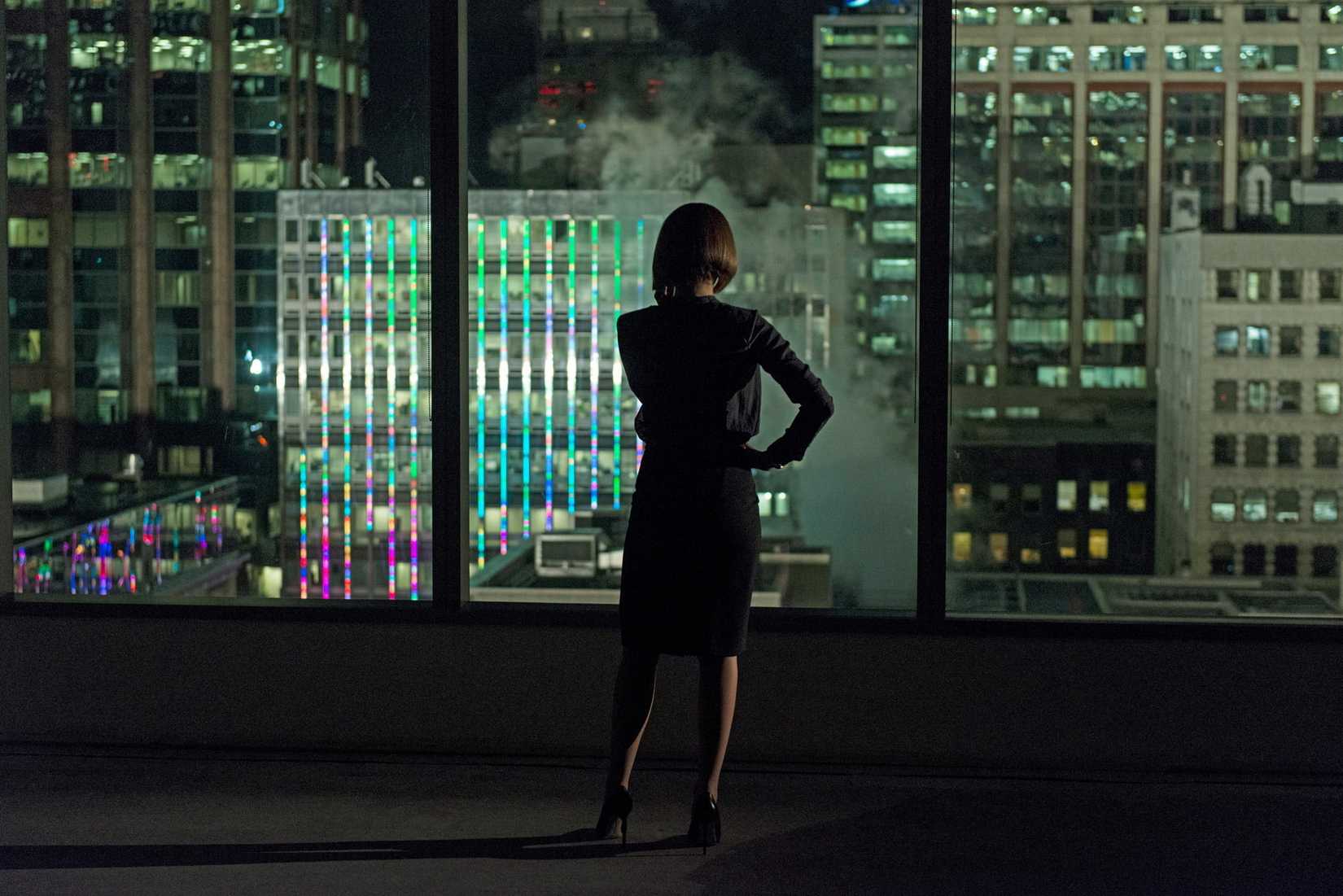
In various post-mortem interviews, the creative team has emphasized that they never intended for the show to become a bloated, endless franchise. They approached the series with a clear "start-to-finish" philosophy. This discipline is evident in the pacing of the final season, which strips away the superfluous subplots that had threatened to derail the narrative in the middle seasons, refocusing entirely on the sisterhood of the clones and their battle for freedom.
Implications: The Loss of a Modern Classic
The departure of Orphan Black from major streaming platforms like Netflix marks a transition for the series from "current binge-watch" to "archival treasure." While it will likely reappear on other services, the ease of access is a key factor in how shows remain in the cultural conversation.
The implications for the genre are also significant. Since the end of Orphan Black, few shows have managed to balance the "pop-corn thriller" pace of a conspiracy drama with the high-minded philosophical inquiry of classic science fiction. It remains a rare bridge between the high-concept intellectualism of Blade Runner and the character-driven drama of the best cable television.
Why You Must Watch (Or Rewatch) Before It Disappears
If you are a fan of science fiction, you owe it to yourself to experience the nuance of Orphan Black. It is a show that respects its audience’s intelligence, refusing to over-explain its complex genetic lore while keeping the emotional stakes personal and intimate.
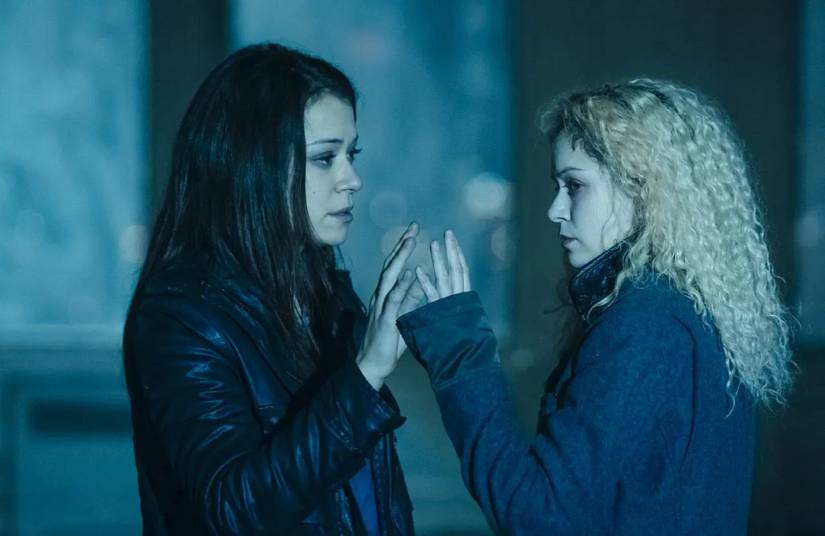
The series is not perfect; it suffers from the typical "mid-series sag" where the plot becomes convoluted with military conspiracies and redundant side characters. However, the highs of the show—the moments where the clones converge, the sharp dialogue, and the sheer audacity of Maslany’s acting—far outweigh the narrative dips.
As the clock ticks down on its streaming availability, take the time to witness a show that dared to be weird, ambitious, and deeply human. Orphan Black is not just a relic of the early 2010s; it is a blueprint for how to do high-concept, female-led, science-fiction storytelling with both a brain and a heart. Once it is gone, it will be sorely missed, serving as a reminder that truly original stories are as rare as the unique genetic sequence of a single, defiant clone.