By Global Affairs Correspondent
Date: July 3, 2026
In a calculated strategic pivot that has sent shockwaves through global energy markets and defense ministries, Tehran has successfully reframed the international discourse surrounding its national security. By escalating tensions within the Strait of Hormuz, Iranian leadership has effectively sidelined the protracted negotiations over its nuclear enrichment program, forcing the global community to grapple with a more immediate, existential threat to the world’s economic arteries.
The Strategic Pivot: From Nuclear Proliferation to Maritime Chokepoints
For over two decades, the primary source of friction between Iran and the West—led by the United States, the European Union, and regional allies—has been the Islamic Republic’s nuclear ambitions. However, recent developments suggest that Tehran has recognized the diminishing returns of nuclear posturing in the face of hardened sanctions and intelligence-driven sabotage.
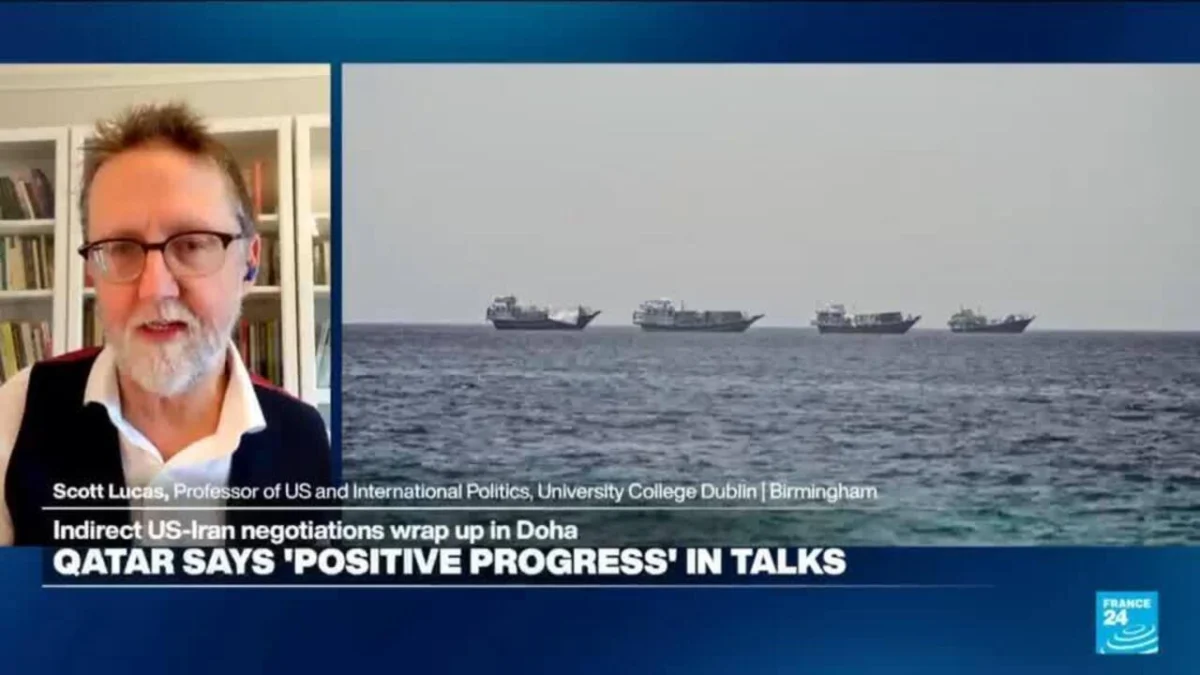
By shifting the theater of conflict to the Strait of Hormuz, Iran is playing a much more dangerous, albeit effective, game. The strait, a narrow waterway through which roughly one-fifth of the world’s total oil consumption passes, is the ultimate "chokepoint." By creating a credible threat of disruption, Iran has elevated its leverage from a theoretical future nuclear capability to an immediate, tangible economic hostage situation.
Chronology of Recent Escalations
To understand the current crisis, one must trace the rapid deterioration of maritime security in the region over the past six months:
- January 2026: Iran conducts large-scale naval exercises in the Persian Gulf, signaling a change in doctrine toward "asymmetric maritime denial."
- March 2026: Multiple commercial tankers report mysterious GPS interference and "harassment" by fast-attack craft near the Iranian coastline.
- May 2026: A major cargo vessel is briefly detained by the Islamic Revolutionary Guard Corps (IRGC) on disputed environmental grounds, triggering a diplomatic firestorm.
- June 2026: The escalation hits a fever pitch when the IRGC Navy conducts a blockade simulation, effectively closing the strait for 48 hours to "test readiness."
- July 2, 2026: Global markets react sharply as insurance premiums for tankers operating in the region spike by 400%, signaling that the maritime corridor is no longer viewed as a "safe passage" zone.
Supporting Data: The Economic Stakes
The importance of the Strait of Hormuz cannot be overstated. It is not merely a regional issue; it is a systemic vulnerability in the global economy.
- Volume of Trade: On average, 21 million barrels of petroleum and petroleum products pass through the strait daily. This represents about 21% of global petroleum liquids consumption.
- Liquefied Natural Gas (LNG): Qatar, the world’s largest exporter of LNG, relies almost exclusively on the Strait of Hormuz for its exports, primarily to markets in Asia. Any sustained disruption threatens global energy prices, particularly as European nations look to replace Russian gas dependencies.
- Insurance Inflation: The "War Risk" premium surcharge has moved from negligible to astronomical in the span of a single quarter. Major shipping conglomerates are now actively discussing re-routing vessels, a move that would add thousands of miles and weeks of transit time to global supply chains, fueling inflationary pressures worldwide.
Official Responses: A Divided International Community
The international reaction to Iran’s "Hormuz Strategy" has been fragmented, revealing deep fissures in global alliances.
The United States and NATO
The U.S. Fifth Fleet, based in Bahrain, has increased its patrol frequency and has begun escorting high-value tankers. Washington has labeled the Iranian actions as "state-sponsored piracy" and has called for a "Global Maritime Protection Coalition." However, the U.S. is wary of being drawn into a direct conflict that could see its naval assets targeted by Iran’s advanced land-based anti-ship missile batteries.
The European Union
Brussels remains in a difficult position. While the EU is technically committed to the Joint Comprehensive Plan of Action (JCPOA) frameworks, the threat to the energy supply has forced a more hawkish tone. European leaders have issued joint statements warning that any permanent closure of the strait would be viewed as an act of war, yet they remain reluctant to authorize military action that could lead to a broader regional conflagration.

Regional Powers (GCC)
The Gulf Cooperation Council (GCC) states are the most exposed. While they publicly call for "de-escalation and dialogue," behind the scenes, they are scrambling to diversify export routes. Pipelines bypassing the strait are being fast-tracked, but these projects are years from completion, leaving the GCC states in a precarious position of forced compliance with regional security realities.
The Implications: Why the Nuclear Program Took a Backseat
Why has this pivot worked? The answer lies in the nature of "perceived urgency."
For years, the nuclear program was a slow-burn issue—a matter of centrifuges and enrichment percentages that, while dangerous, did not impact the daily cost of a gallon of gasoline in London, Tokyo, or New York. By threatening the flow of oil, Iran has successfully linked its domestic policy to the global cost of living.
When international diplomats sit down to talk now, the conversation is no longer dominated by uranium hexafluoride; it is dominated by the price of Brent Crude and the safety of the global merchant fleet. Iran has successfully forced the world to prioritize short-term economic survival over long-term non-proliferation goals.
Strategic Outlook: What Happens Next?
The situation remains highly volatile. The risk of a "miscalculation"—where a local commander takes an action that the central government did not authorize, or a stray shot leads to an unintended sinking—is at its highest point in a decade.
If the current trajectory continues, we may see:
- Increased Militarization: The permanent stationing of naval task forces from neutral nations, such as India or China, to protect their own commercial interests.
- The "Shadow Fleet" Phenomenon: Increased usage of tankers that turn off their transponders to evade tracking, further destabilizing the insurance market.
- A New Diplomatic Framework: A potential "Hormuz Security Agreement" that might offer Iran sanctions relief in exchange for guaranteed free passage, essentially decoupling the maritime issue from the nuclear issue.
In conclusion, Tehran has played a high-stakes hand with remarkable efficiency. By shifting the spotlight, they have changed the nature of their leverage. The world now waits to see if this is a temporary tactical maneuver or a permanent shift in how Iran interacts with the global community. One thing is certain: the Strait of Hormuz has returned to the center of world history, and for now, the nuclear file is firmly buried beneath the waves.
Disclaimer: This report is based on current geopolitical analysis and intelligence updates as of July 3, 2026. Developments in the Persian Gulf are subject to rapid change.