By Investigative Desk
The humanitarian situation in the Gaza Strip has reached a harrowing nadir, with the United Nations Office for the Coordination of Humanitarian Affairs (OCHA) warning that 2.1 million Palestinian civilians are currently in desperate need of adequate shelter, life-saving household supplies, and protection from the persistent violence of airstrikes and gunfire. Nearly a year into a nominal ceasefire, the promise of stability has evaporated, replaced by a protracted struggle for survival within a landscape of rubble and makeshift encampments.
The Current State of Affairs: A Crisis of Infrastructure and Safety
The scale of the devastation is difficult to quantify, yet the statistics provided by the UN and the Norwegian Refugee Council (NRC) paint a grim picture. According to the latest assessments, 94 percent of households in Gaza are currently deprived of the most fundamental necessities required for human dignity: clean water, energy, fuel, and basic household goods.
An estimated 1.98 million Palestinians—the vast majority of the population—remain without adequate shelter. This is not merely a shortage of physical structures; it is a systematic failure to provide the basic environment necessary for human life. As the conflict continues to manifest in intermittent but lethal strikes, the civilian population remains exposed, trapped between the immediate threat of kinetic military action and the slow, grinding erosion of health and sanitation standards.
Chronology of a Collapsing Environment
The current crisis did not emerge in a vacuum; it is the culmination of years of conflict, compounded by the events of the last eighteen months.
- Initial Displacement (Early 2025): Following the height of the hostilities, millions were displaced into designated humanitarian zones, which were quickly overwhelmed by the sheer volume of civilians seeking refuge.
- The "Ceasefire" Period (Late 2025 – Present): While the cessation of major, high-intensity operations was intended to allow for a transition to recovery, the lack of a sustained political settlement meant that reconstruction efforts never materialized at the scale required.
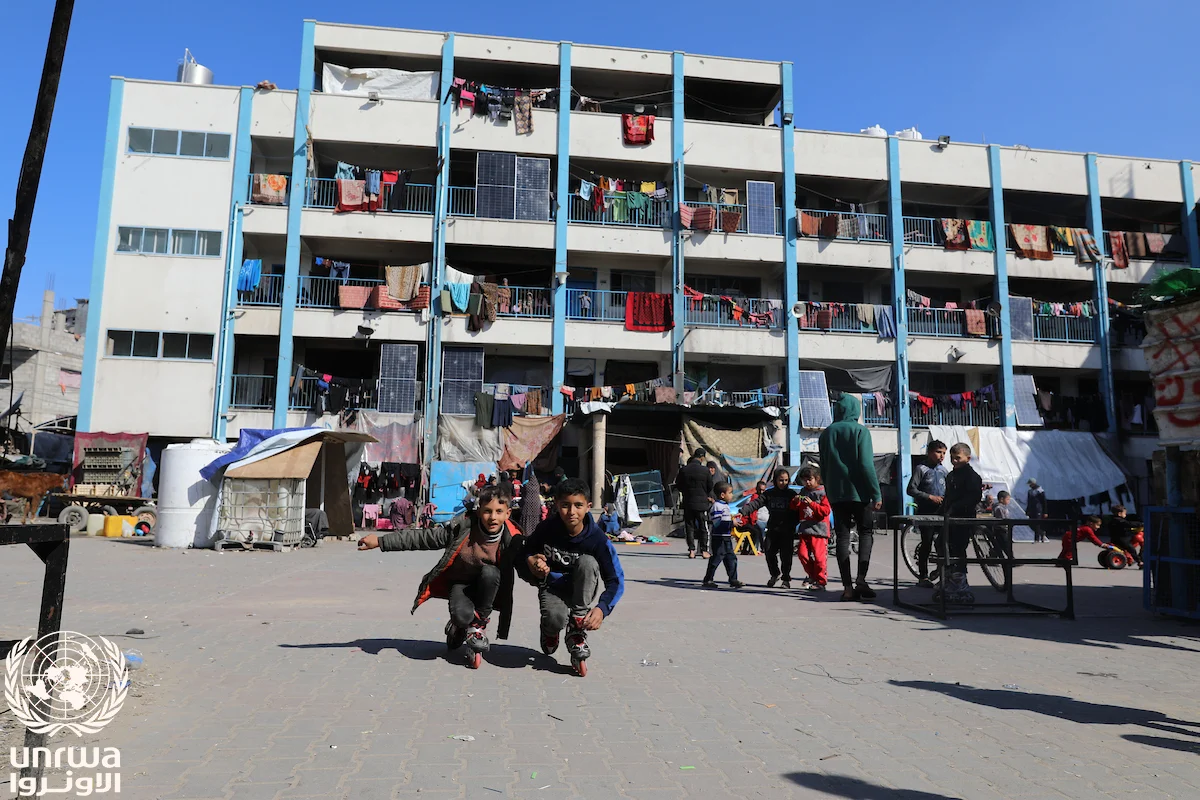
- The Infrastructure Decay (Mid-2026): By the summer of 2026, the makeshift shelters constructed during the initial months of the crisis began to reach a breaking point. Tents designed for emergency, short-term usage have now become long-term, semi-permanent dwellings, completely ill-suited for the harsh environmental conditions of the region.
- Current Escalation (August 2026): Renewed reports of targeted airstrikes and gunfire, including the tragic killing of a 13-year-old girl on Wednesday, have reignited fears, forcing thousands to flee their already inadequate shelters yet again, further destabilizing the fragile social fabric of the territory.
Supporting Data: The Reality on the Ground
The collaborative report published by the NRC and OCHA highlights the intersection of physical infrastructure failure and environmental health hazards. The findings suggest that the definition of "shelter" has been fundamentally degraded.
"A shelter is not adequate simply because it has four walls or a roof," says Jehan Salim, the Shelter Cluster coordinator. "Families need to be able to sleep, cook, wash, and keep their children safe inside it. Ten months after the ceasefire, most families have lived more than a year in shelters that were never designed for long-term accommodation."
The data is damning:
- Proportion of Displacement: Nearly two-thirds of all households in Gaza are currently residing in tents or makeshift structures.
- Environmental Hazards: These camps are plagued by an accumulation of solid waste, sewage, and rubble. The presence of rodents and stray dogs has become a primary driver of disease outbreaks, further taxing an already collapsed healthcare system.
- The Funding Gap: OCHA has issued an urgent appeal for USD$562 million to address the shelter crisis alone. This figure accounts for the procurement of emergency building materials, the repair of existing residential units, and the management of current IDP (Internally Displaced Person) sites.
- Supply Blockades: The NRC report explicitly notes that essential materials for reconstruction—cement, timber, and electrical components—are unable to enter Gaza in sufficient quantities. Restrictions on these goods, combined with a lack of international financial commitment, have kept assistance at a level described by aid groups as "far below the level of need."
Official Responses and the Burden of Responsibility
International humanitarian agencies have expressed mounting alarm at the lack of progress. The UN has reiterated that civilians and civilian infrastructure must, under no circumstances, be targeted for military purposes.
The humanitarian sector’s frustration is palpable. By continuing to block the import of construction materials under the guise of "dual-use" security concerns, the parties involved in the blockade are effectively preventing the transition from a tent-based, aid-dependent population to a self-sustaining one. Human rights observers argue that the policy of containment has transitioned into a policy of neglect, where the international community observes the slow deterioration of a population while failing to leverage the diplomatic mechanisms necessary to force a change in policy.
Legal Implications: The Fourth Geneva Convention
The situation in Gaza remains a primary test case for the efficacy of International Humanitarian Law (IHL). Legal experts point to the Fourth Geneva Convention of 1949, which provides explicit protections for civilians in times of conflict.
The Prohibition of Targeting
Article 8 of the Rome Statute of the International Criminal Court (ICC) categorizes the intentional targeting of civilians and protected civilian property as a "grave breach" of the Geneva Conventions—in essence, a war crime. The ongoing reports of airstrikes hitting makeshift camps strike at the very heart of these protections.
The Requirement for Neutralized Zones
The Geneva Conventions also mandate that belligerent parties establish neutralized zones to shelter non-combatants. The failure to establish these zones, or the failure to respect them once established, demonstrates a systemic breakdown in the adherence to the rules of war.
Furthermore, the legal obligation of an occupying or controlling power extends beyond merely avoiding direct harm; it encompasses the duty to ensure that the population has access to food, medical supplies, and shelter. The current state of Gaza, where 94 percent of households lack basic necessities, suggests that these legal obligations are not being met by any party with the capacity to facilitate aid.
Conclusion: The Path Ahead
The crisis in Gaza is a multifaceted catastrophe that combines the physical destruction of war with the administrative violence of an ongoing blockade. As the shelter crisis deepens, the international community faces a reckoning. The requirement for $562 million is a financial metric, but it represents a moral imperative. Without an immediate shift in the flow of materials, a cessation of hostilities that endanger civilian encampments, and a commitment to long-term reconstruction, the people of Gaza will continue to exist in a state of suspended animation—living in the rubble of a conflict that the rest of the world has largely relegated to the margins of their political agendas.
As Jehan Salim and other aid coordinators have warned, the "long-term accommodation" of displaced families in tents is not a solution; it is a human rights crisis that is unfolding in real-time, one that threatens to define the humanitarian legacy of the decade. The world now watches to see if the rhetoric of protection will be matched by the reality of access and the enforcement of the laws meant to save the most vulnerable.