By International News Desk
Updated: July 18, 2026 – 20:03 UTC
The landscape of the ongoing conflict in the Middle East shifted dramatically this weekend as the United States military confirmed the first American combat fatalities resulting from direct Iranian fire. The incident, which occurred on Friday, July 17, 2026, has marked a grim milestone in the escalating war, transforming what was once a campaign of proxy skirmishes into a direct, high-intensity confrontation between Washington and Tehran.
Main Facts: A Deadly Escalation in Jordan
According to an official statement released Saturday morning by the United States Central Command (CENTCOM), two American service members were killed during a defensive operation in Jordan. A third service member remains listed as missing in action, with search and rescue operations currently underway under heightened security protocols.
The casualties occurred while US forces and their regional allies were actively engaged in "defending against a complex and coordinated wave of Iranian ballistic missile and drone attacks." This engagement represents the most significant breach of regional stability since the onset of the current conflict. The Pentagon has confirmed that the Iranian barrage was aimed at various strategic assets in the region, signaling a shift in Tehran’s tactical doctrine from covert harassment to overt, large-scale kinetic strikes.
The loss of life in Jordan is particularly sensitive, as it brings the reality of the war to a country that has served as a key staging ground and strategic partner for the United States. Military analysts suggest that this development effectively removes the "grey zone" in which the conflict had been operating, forcing the White House to recalibrate its containment strategy.
Chronology: From Regional Tension to Open War
The trajectory toward this weekend’s tragedy was set in motion by a series of rapid escalations over the past 72 hours.
- July 16, 2026: The conflict witnessed a major pivot when US-led coalition strikes hit critical Iranian infrastructure, including airports, rail networks, and major logistical bridges. These strikes were framed by the Pentagon as "preemptive measures" intended to degrade Iran’s ability to launch a retaliatory surge.
- July 17, 2026: In a coordinated response, the Iranian Revolutionary Guard Corps (IRGC) launched what intelligence officials described as their largest ballistic missile and drone campaign to date. The attack targeted multiple coalition positions across the Middle East. It was during these intense defensive maneuvers that the US service members in Jordan were caught in the line of fire.
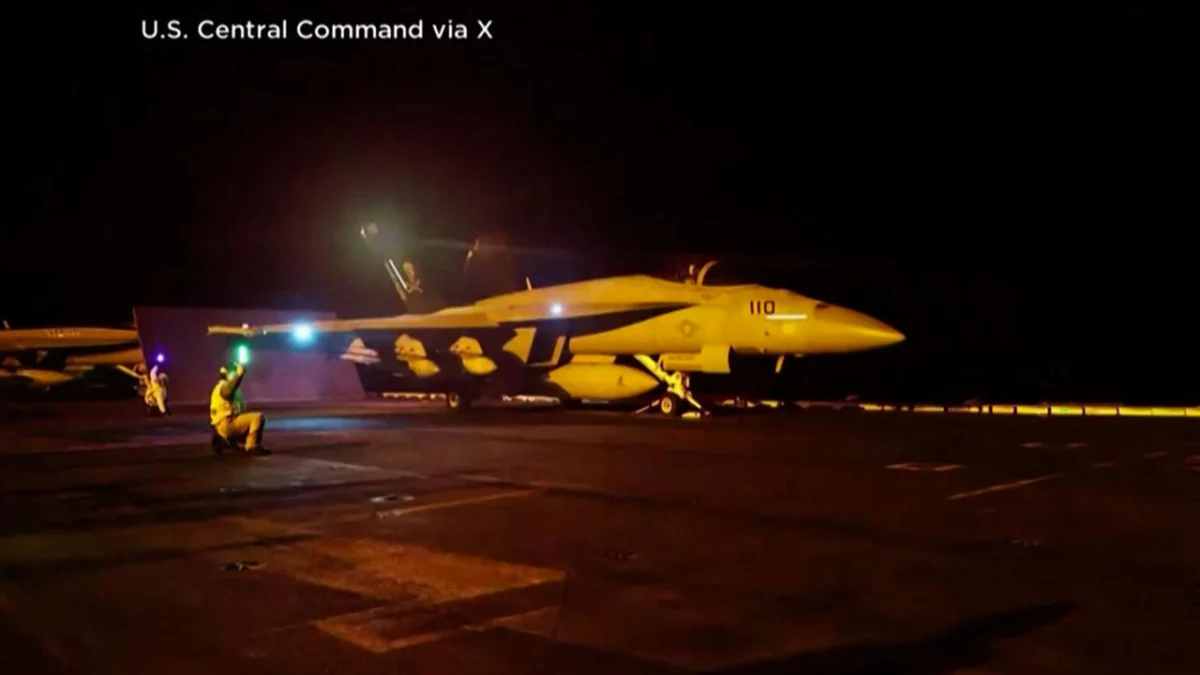
- July 18, 2026: By Saturday morning, CENTCOM confirmed the fatalities. As news reached Washington, the White House convened emergency meetings of the National Security Council. Simultaneously, the US military released declassified footage showing precision strikes on Iranian military sites, aimed at neutralizing the platforms used in Friday’s attack.
Supporting Data: Assessing the Military Landscape
The intensity of the recent Iranian strikes has taken many defense analysts by surprise. Data suggests that the Iranian arsenal has evolved significantly in both accuracy and volume. The use of "swarm" drone tactics combined with ballistic missile saturation—a strategy designed to overwhelm sophisticated air defense systems like the Patriot and THAAD batteries—demonstrates a high degree of technical sophistication.
US military reports indicate that while the majority of the incoming threats were intercepted, the "sheer density" of the attack managed to penetrate defensive perimeters. Satellite imagery released alongside the CENTCOM statement confirms that US strikes have severely hampered Iranian logistical corridors, particularly those connecting the interior of the country to coastal launch sites. However, the cost of these defensive successes is now being measured in American lives, a variable that is expected to drastically alter the domestic political discourse in the United States.
Official Responses: Washington, Tehran, and Global Observers
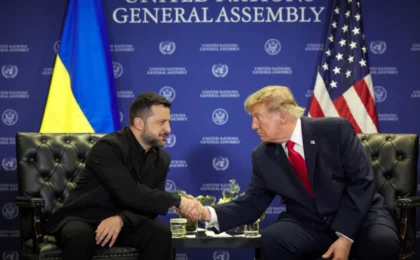
The White House has maintained a posture of "resolute determination." In a brief statement, the US President emphasized that the loss of service members would be met with an "appropriate and proportional response," while cautioning against regional spillover. Defense Secretary Lloyd Austin stated, "We will not be deterred from our mission to protect our people and our allies. Iran’s reckless disregard for human life and regional stability will have consequences."

Conversely, the Iranian Foreign Ministry has denied direct responsibility for the specific incident in Jordan, characterizing the events as a "legitimate response to the illegal American aggression" against Iranian territory. Tehran’s rhetoric remains defiant, with state-affiliated media channels broadcasting footage of "successful" strikes on US military assets, framing the engagement as a "new era of resistance."
Regional powers have expressed grave concern. The United Kingdom, France, and Germany have issued joint statements calling for an immediate de-escalation, while nations in the Gulf Cooperation Council (GCC) are reportedly in emergency consultations to ensure their own territorial integrity against potential collateral damage.
Implications: A New Strategic Reality
The death of US personnel at the hands of Iranian fire fundamentally alters the calculus for all stakeholders involved.
1. Domestic Political Pressure: The US administration is now facing intense pressure from both sides of the political aisle to define an "end-state" for the conflict. The prospect of an open-ended war with a regional power like Iran is a daunting political prospect, particularly as the US approaches its own electoral cycle.
2. The Future of Air Defense: The failure to intercept every projectile in the Iranian barrage has sparked a debate regarding the sufficiency of current US missile defense architectures. Military planners are already looking at accelerating the deployment of laser-based directed-energy weapons and advanced electronic warfare suites to counter the saturation tactics displayed by Iran.
3. Geopolitical Alignment: The conflict is forcing regional neighbors to choose sides. Countries that have sought to remain neutral, such as those attempting to balance ties between Washington and Tehran, are finding their positions increasingly untenable. The prospect of a prolonged war risks fracturing the existing regional security architecture.
4. Economic Fallout: Global energy markets have already reacted to the news, with oil prices spiking in early trading on Saturday. Any threat to the Strait of Hormuz or key regional oil infrastructure remains the single greatest risk to the global economy, and the heightened state of military activity suggests that price volatility will persist for the foreseeable future.
As search and rescue operations continue in Jordan and military planners weigh their next moves, the world remains on edge. The events of July 17 have crossed a threshold from which there is no easy retreat. The coming days will be critical, as both Washington and Tehran navigate the thin line between targeted retaliation and a wider, potentially uncontrollable, regional conflagration.
This is a developing story. Follow our liveblog for continuous updates on the search and rescue efforts, potential military movements, and diplomatic developments.