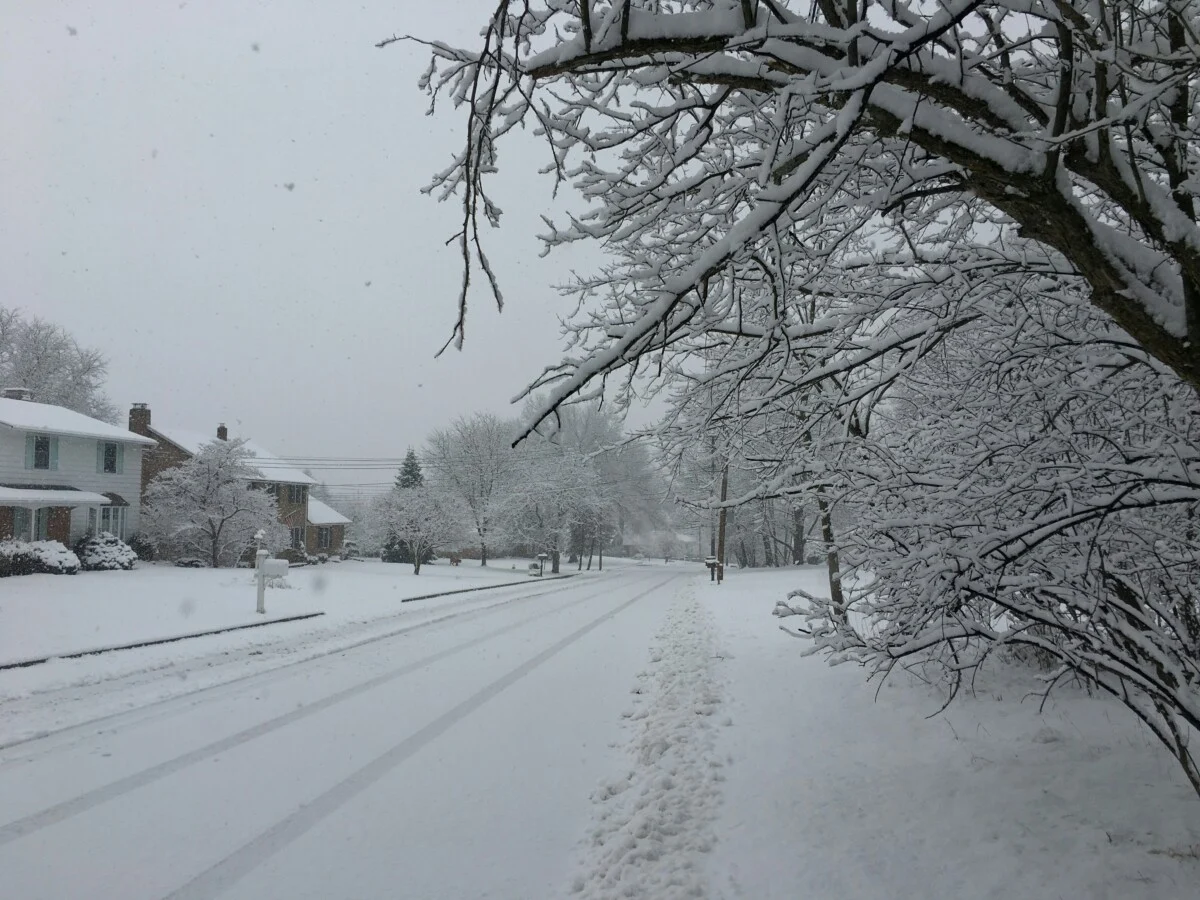
There is a distinct, rhythmic quiet that descends upon a city when the first heavy snowfall of the season arrives. It muffles the cacophony of urban life, blankets architectural edges in soft, pillowy layers, and transforms familiar streets into monochromatic wonderlands. For millions of Americans, this transition signals the onset of the holiday season, a time of tradition, reflection, and, for many, the physical labor of snow removal.
However, the nature of American winter is shifting. In recent years, the reliability of a "white winter" has been called into question. The 2023–2024 season was dubbed the "Lost Winter" across the Midwest and East Coast, leaving residents bewildered by bare landscapes in February. Conversely, the 2025–2026 season saw a paradoxical lack of snow in the Western U.S., highlighting the volatility of modern climate patterns. Despite these shifts, snow remains a foundational reality for a significant portion of the country, influencing local economies, architecture, and the daily lives of residents.
The Geography of Snow: Where Winter Lingers
If you are weighing the pros and cons of relocating, understanding the climate profile of your potential new home is vital. Whether you are a "sun-seeker" looking to avoid the freeze or an enthusiast of the snowy season, identifying the nation’s most consistent snowfall hubs provides necessary perspective.
The data is clear: the most significant snowfall totals in the U.S. are not random. They are clustered, largely dictated by proximity to large bodies of water—specifically the Great Lakes—and high-elevation mountain ranges. Syracuse, Watertown, and Auburn, all in New York, consistently top the charts, frequently recording over 100 inches of snow in an average season.
Top 10 Snowiest U.S. Cities (Average Seasonal Snowfall)
| City | Average Seasonal Snowfall | Avg. Snowy Days | Record Season (Year) |
|---|---|---|---|
| Syracuse, NY | 127.8" | 65.6 | 192.1" (1992-93) |
| Watertown, NY | 116.4" | 41.3 | 225.3" (1976-77) |
| Auburn, NY | 109.4" | 52.3 | 153.8" (2003-04) |
| Erie, PA | 104.3" | 55.2 | 166.3" (2017-18) |
| Rochester, NY | 102.0" | 65.2 | 161.7" (1959-60) |
| Marquette, MI | 102.0" | 64.6 | 188.3" (1959-60) |
| Jamestown, NY | 98.4" | 46.6 | 149.2" (1976-77) |
| Buffalo, NY | 95.4" | 59.5 | 199.4" (1976-77) |
| Boulder, CO | 92.8" | 36.6 | 152.0" (2019-20) |
| Bozeman, MT | 91.3" | 54.1 | 158.0" (1996-97) |
Note: Records for Marquette date back to 1948-49.
The Science of the Storm: Why Certain Regions Are Buried
The dominance of Upstate New York and the Great Lakes region in these rankings is no coincidence. It is the result of a meteorological phenomenon known as "lake-effect snow."
As cold, dry air masses originating from the west or northwest move over the relatively warmer waters of the Great Lakes, they pick up massive amounts of moisture and heat. Once this air hits the shoreline, it rises, cools, and releases that moisture as intense, concentrated snow squalls. These systems often form in narrow bands, sometimes only a few miles wide, which can dump several feet of snow in a single afternoon, effectively paralyzing one town while leaving a neighboring one untouched.
In Colorado and Montana, the drivers are different. Cities like Boulder and Bozeman rely on "upslope flow." As moist air is pushed from the east toward the steep topography of the Rocky Mountains, it is forced upward. As it rises, it cools and condenses into heavy precipitation. Because these regions are already prone to freezing temperatures, this moisture almost exclusively falls as snow, often extending the winter season from as early as September well into June.
Beyond the Cities: The Mountain Peaks
While municipalities deal with the logistical challenges of snow, the absolute highest snowfall totals in the United States occur in the high alpine regions. Mount Rainier (Tahoma) and Mount Baker (Kulshan) in Washington State serve as the nation’s definitive snow capitals. These peaks receive an staggering 640 to 663 inches of snow annually on average, with record-breaking years seeing totals exceeding 1,100 inches.
These mountains act as massive sponges for Pacific moisture. As air masses from the Pacific Ocean hit the vertical wall of the Cascade Range, the elevation forces the air to dump its moisture content rapidly. This makes the region a global anomaly for snow density and volume.

Implications for the Housing Market and Infrastructure
As housing affordability continues to fluctuate across the U.S., many buyers are looking beyond traditional metropolitan hubs. Interestingly, some of the snowiest cities, including Rochester, have seen a surge in interest as remote work allows professionals to seek more cost-effective living arrangements.
However, relocating to a "snow belt" requires more than just a winter coat. It necessitates a lifestyle shift. Homeowners must account for:
- Structural Integrity: Ensuring roofs can withstand the weight of heavy, wet snow.
- Energy Efficiency: Higher heating costs and the necessity of proper insulation to prevent ice dams.
- Property Maintenance: The constant need for snow removal equipment and de-icing materials.
- Infrastructure Resilience: The impact of severe weather on local transit and emergency response times.
Chronology of Climate Shift: The Changing Nature of Winter
The narrative of winter is undeniably changing. According to data from the National Oceanic and Atmospheric Administration (NOAA), the 2025–2026 season was the second-warmest winter on record for the United States. This trend towards warming, driven by global climate change, has complex consequences for snowfall.
The Paradox of Warmer Winters
Conventional wisdom suggests that a warming planet equals less snow. While that is true in terms of total seasonal duration, it is not necessarily true for storm intensity. A warmer atmosphere holds more water vapor. When a cold front does manage to push into these regions, it carries significantly more moisture than it did decades ago. Consequently, when the conditions are right for snow, the resulting storms can be far more violent and produce higher accumulation rates than those of the mid-20th century.
Scientists warn that while the "snow season" may be shrinking at the edges—with later starts and earlier melts—the "core" of the winter could become more extreme. This creates a difficult balancing act for municipal governments, which must manage the risk of both record-breaking blizzards and prolonged periods of dangerous freezing rain or slush.
Official Perspectives and Public Safety
Government agencies, including the National Weather Service, have shifted their focus toward "extreme event preparedness." The unpredictability of the "Lost Winter" followed by record-breaking blizzards in other regions has forced cities to modernize their snow-clearing fleets and update building codes to reflect the increased load of heavy, moisture-dense snow.
Furthermore, the economic impact of these storms is being scrutinized. Insurance premiums in high-snowfall areas are beginning to reflect the increased risk of roof collapses and water damage from pipe bursts. Experts recommend that residents in these zones conduct biannual "winterization" audits, focusing on sealing drafts, insulating pipes in unheated spaces, and ensuring roof ventilation is adequate to prevent ice buildup.
Conclusion: Living with the White
Snow remains one of the most transformative elements of the American landscape. It defines the character of cities like Syracuse and the mountain culture of Boulder. While the climate is evolving, and the predictability of winter is diminishing, the phenomenon of snow will continue to be a defining factor in how, where, and why people choose to live.
For those looking to embrace the snow, the top-ranked cities in this report offer more than just cold weather—they offer a unique, community-focused lifestyle centered on resilience and the undeniable beauty of a landscape reclaimed by winter. Whether you are seeking the intensity of a lake-effect blizzard or the long, steady seasons of the Rockies, the key to success is preparation, understanding the local meteorology, and a deep respect for the power of the season.
Methodology Note: This analysis was conducted using data from the National Centers for Environmental Information (NCEI) and NOAA. Rankings are based on average seasonal snowfall (July 1st through June 30th) for U.S. cities with populations exceeding 20,000. Data sets reflect the 1991–2020 climate normals.