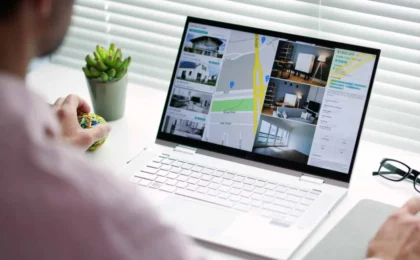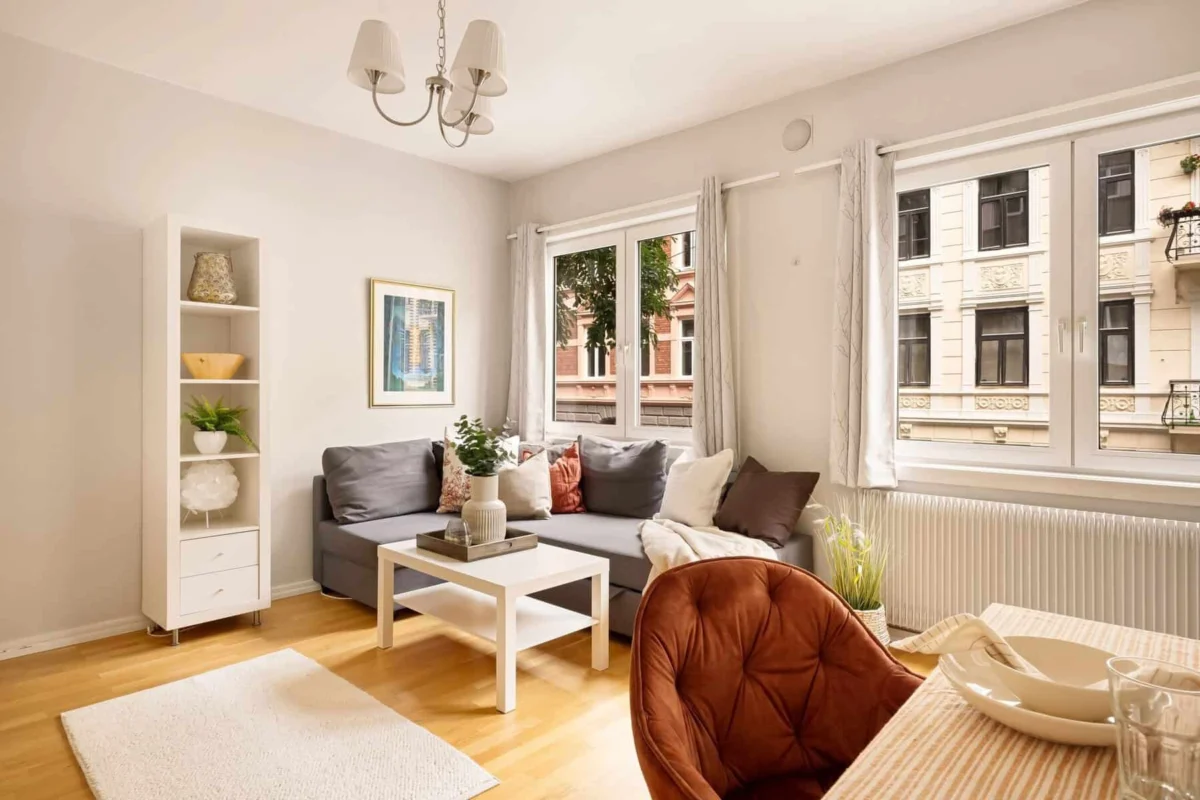
In the modern real estate landscape, the "curb appeal" of a property is no longer confined to the physical front lawn. Today, the initial handshake between a buyer and a home occurs in the digital realm, usually via a smartphone screen during a lunch break or a late-night scrolling session. Consequently, the first impression of your home is dictated by high-resolution photography and virtual tours.
If a home is staged poorly, it can appear smaller, less functional, or disjointed, prompting potential buyers to swipe left before they ever step foot on the property. However, the difference between a stale listing and a bidding war often comes down to a few strategic staging adjustments. By understanding the psychology of the buyer and avoiding common "staging traps," sellers can significantly increase their chances of securing a premium offer.
1. The Strategy: Staging for the Target, Not Yourself
One of the most persistent misconceptions among homeowners is that staging is an exercise in interior design—an opportunity to showcase personal taste. In reality, effective staging is a marketing exercise, not a creative one.
"The most common mistake is decorating for a generic idea of ‘nice’ instead of designing each room around the buyer that local data suggests is most likely to purchase," explains Bryan Bittner, Founder and CEO of Virtual Staging Solutions.
To stage effectively, one must pivot from a "homeowner" mindset to a "marketer" mindset. If your property is located in a bustling urban center like Brooklyn or San Francisco, your target demographic is likely comprised of remote professionals who value productivity. In this context, a spare bedroom should not be a "junk room" or a secondary guest suite; it should be staged as a high-end, dedicated home office. Conversely, in suburban family enclaves, that same space should be optimized as a nursery or a dedicated study area.
The Role of Virtual Staging
For those selling vacant properties, the costs of physical furniture rental can be prohibitive. Virtual staging has emerged as a high-tech solution, allowing sellers to digitally furnish a room to demonstrate scale and utility. This allows buyers to visualize the potential of an empty shell without the seller incurring the logistical headache of moving heavy inventory.
2. Furniture Dynamics: Photos vs. Functionality
There is a distinct tension between what looks good in a wide-angle photograph and what feels right when a buyer walks through the front door.
Paul Maynard, owner of Colorful Virtual Tours in Denver, Colorado, has documented thousands of residential properties. He frequently observes a common error: furniture arranged solely to create an artistic, "architectural" shot.
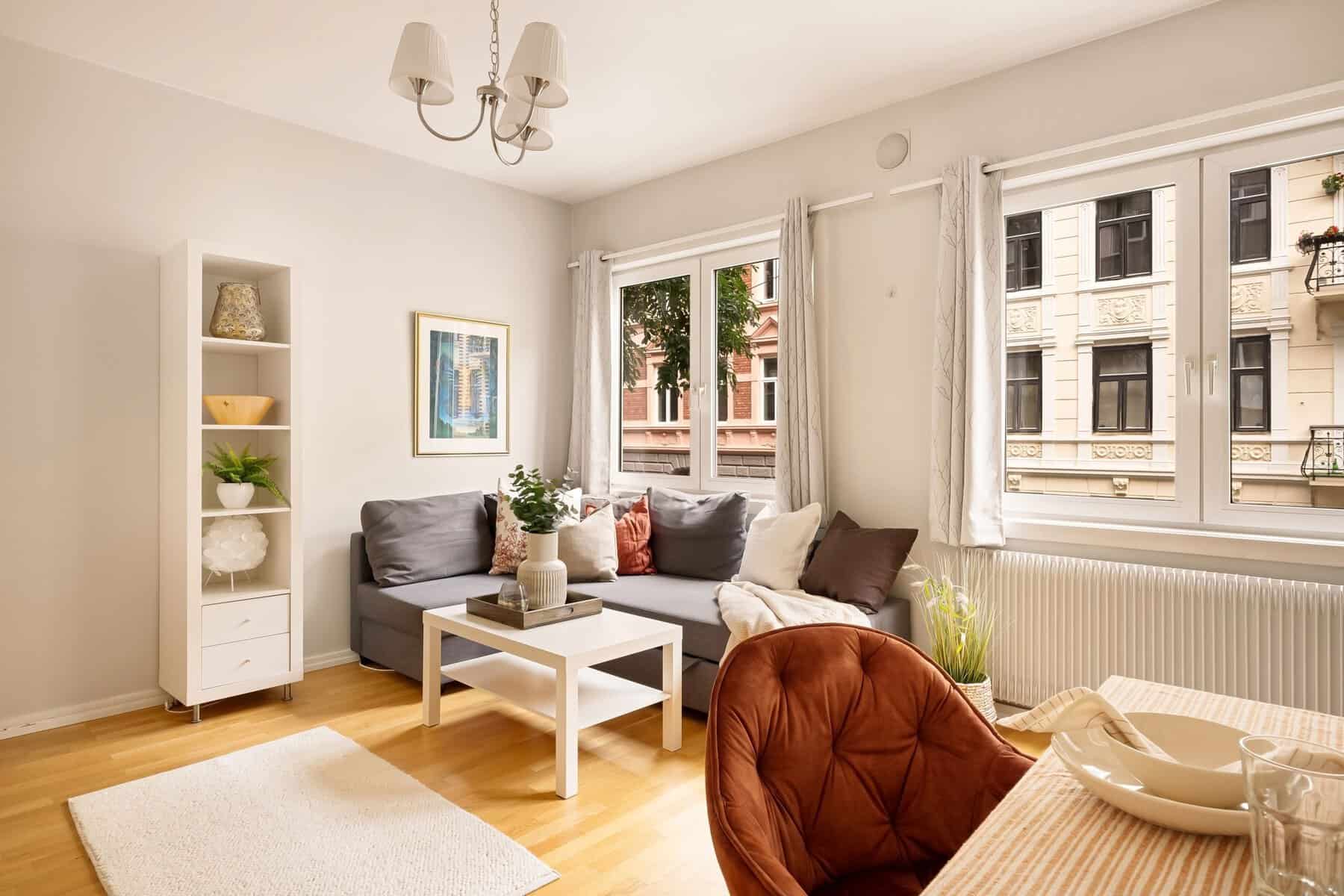
"One of the most common staging mistakes I see is arranging furniture for an architectural-style photoshoot rather than for the way buyers shop online," Maynard notes. "Pulling furniture too far away from walls, clustering everything in the center of a room, or awkwardly pushing furniture into corners can actually make spaces appear smaller."
The Golden Rule of Flow:
- Create Pathways: Ensure that the natural traffic flow of the room is unobstructed. Buyers should be able to walk through a room without navigating a maze of ottomans or floor lamps.
- Scale Matters: Large, bulky furniture can overwhelm a room, making it feel claustrophobic. If a room is small, utilize smaller-scale pieces to enhance the perception of square footage.
- The "Function" Test: If a buyer cannot immediately identify the purpose of a room from a single photograph, they will likely move on to the next listing.
3. Combating "House Blindness"
Living in a home for years creates a psychological barrier known as "House Blindness." We become so accustomed to our own clutter, the specific way we organize our shelves, and the "lived-in" imperfections that we become physically incapable of noticing them.
Jennie Edgerton, a professional photographer at MLS Images, warns that this condition is a major impediment to a successful sale. "Over time, we become entirely immune to the clutter, peculiar setups, or out-of-place objects in our own homes because we look at them every day," she explains.
How to Reset Your Perspective
- The Digital Mirror: Take photos of your rooms with your smartphone. When you view your home through a 2D screen, the clutter becomes instantly visible. You will suddenly notice the tangle of cords behind the TV or the stack of mail on the kitchen island that you ignored for weeks.
- The "Stranger" Walkthrough: Walk through your home as if you were a buyer seeing it for the first time. Does the entryway feel welcoming, or is it blocked by shoes and jackets? Is there a lingering odor?
- The Professional Standard: Remember that the photography shoot is the single most important "showing" your home will ever have. It dictates whether or not a buyer will even consider an in-person visit.
4. The Minimalism Paradox: Too Much vs. Too Little
There is a fine line between a "clean" home and a "sterile" home. While decluttering is non-negotiable, stripping a home of all personality can make it feel like a cold, institutional space.
Susan Atwell, of AtWell Staged Home, emphasizes that real estate is an emotional purchase. "People buy on emotion and justify it later with logic," she says. "Don’t overwhelm your buyers with too much stuff, but avoid removing so many items that the spaces feel abandoned and uninviting."
The Balance:
- The "Rule of Three": Use accessories to add warmth. A coffee table should have a tray, a book, and a small decorative object—no more, no less.
- Lived-In Luxury: Keep items that suggest a high quality of life. Think fresh white towels in the bathroom, a crisp bowl of fruit in the kitchen, or a clean, inviting throw blanket on a sofa.
- Clear the Surfaces: Kitchen countertops and bathroom vanities should be largely clear. Excess appliances and toiletries are the biggest offenders in making a home feel smaller.
5. The Investment vs. Expense Fallacy
Perhaps the most damaging mistake a seller can make is viewing professional staging as an unnecessary cost. Brad Fletcher, owner of Home Staging Pros of Orlando, argues that this is a fundamental misunderstanding of real estate economics.
"One of the biggest mistakes homeowners make is viewing professional staging as an expense rather than an investment in the successful sale of their home," Fletcher states.
In a high-stakes market, professional staging serves as a catalyst for higher offers and faster closing times. By professionalizing the appearance of a home, you are effectively "packaging" the product for the highest bidder. When a house is staged, it signals to the buyer that the property has been well-maintained and is move-in ready—a major selling point that can justify a higher asking price.
6. The "Flex-Space" Trap
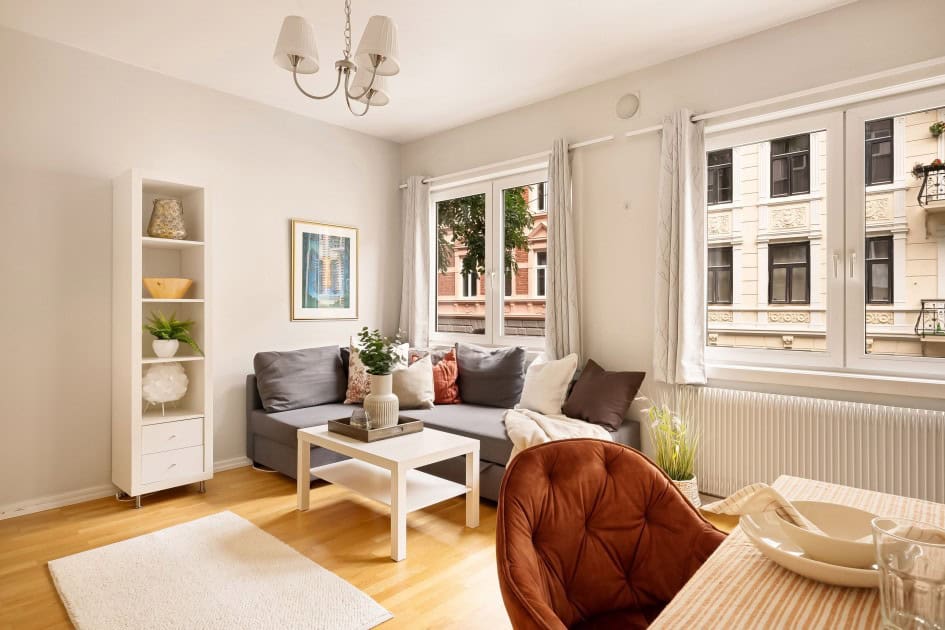
In an era where homeowners desire versatility, there is a temptation to market a room as "anything you want it to be." However, real estate agents and stagers agree: a room without a defined purpose is a room that causes confusion.
If a spare bedroom is filled with a treadmill, a desk, a sewing machine, and a guest bed, the buyer does not see "versatility." They see a lack of space.
"Don’t give too many options for how a room can be used," advises Susan Atwell. "Understand your target buyer and create a consistent, cohesive look and feel throughout the home."
If your home is in a high-density area where square footage is at a premium, choose the highest-value purpose for that room and commit to it. A home office will almost always add more value to a modern listing than a "catch-all" room that serves as a gym and storage unit combined.
Final Implications: The Competitive Edge
The real estate market is a game of seconds. Buyers form an opinion of a property within the first few seconds of clicking on a listing. If the photography is messy, the rooms feel cluttered, or the purpose of the home is unclear, the opportunity is lost.
However, by avoiding these common staging mistakes, you aren’t just cleaning your house—you are curating a narrative. You are telling the buyer that this home is not just a structure, but a lifestyle. When you provide a clear, inviting, and professional vision of what life could look like in that space, you remove the guesswork for the buyer. In a competitive market, that clarity is the difference between a listing that lingers and one that closes at or above the asking price.
Whether you are a DIY enthusiast or you decide to hire professional assistance, the objective remains the same: simplify, define, and entice. Your home is a product—stage it to sell.