In the pantheon of cinematic terrors, Steven Spielberg’s 1975 masterpiece Jaws stands as an immovable object. It is a film that essentially birthed the modern summer blockbuster, utilizing suspense, psychological dread, and a mechanical shark named Bruce to traumatize a generation of beachgoers. Because of its legendary status, Jaws is often treated as the ceiling for the shark-horror genre—a peak that many filmmakers have attempted to reach and subsequently failed to clear.
However, in recent years, a shift has occurred. Rather than attempting to replicate the quiet, Hitchcockian tension of Jaws, some modern films have pivoted toward a new philosophy: if you cannot be more frightening than the Great White, you might as well be bigger, louder, and significantly more ridiculous. Enter The Meg (2018) and its 2023 sequel, Meg 2: The Trench. By leaning into the sheer, unadulterated "Stathamocity" of their lead actor and embracing the comic-book logic of prehistoric predators, this franchise has carved out a unique niche in the streaming era.
The Core Premise: Scaling the Monster
Directed by Jon Turteltaub, known for the high-octane fun of the National Treasure series, The Meg introduces audiences to Jonas Taylor, portrayed by Jason Statham. Taylor is a man defined by his expertise and his baggage—a rescue diver haunted by a mission that went wrong in the depths of the Pacific. When an international research team finds themselves trapped in the Mariana Trench, the deepest point on Earth, Taylor is pulled from his self-imposed isolation to lead a daring extraction.
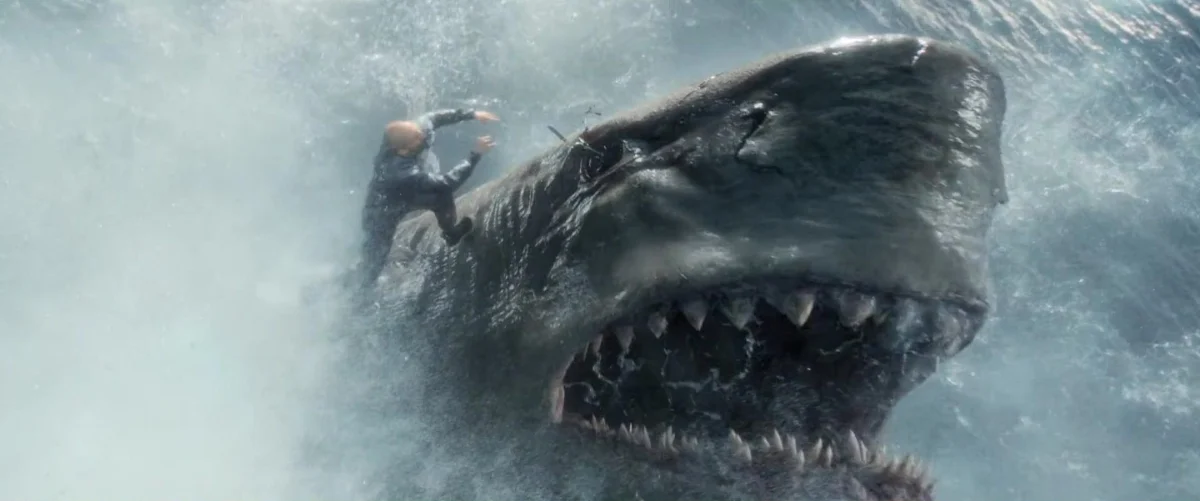
The mission succeeds, but it acts as a gateway for something far worse: the release of a Megalodon, a prehistoric shark species thought to have gone extinct millions of years ago. Unlike the 25-foot great white that terrorized Amity Island, the Megalodon in this film measures a staggering 75 feet. By choosing a predator that is biologically impossible to mistake for a "realistic" threat, the film effectively sidesteps any direct comparison to the grounded realism of Spielberg’s work. The Meg franchise isn’t trying to be a horror movie in the traditional sense; it is a creature-feature rollercoaster designed for popcorn-munching escapism.
A Chronology of Chaos
To understand the success of the Meg franchise, one must look at how the series evolved from its 2018 origin to its 2023 expansion.

The Origin: 2018’s The Meg
When the first film hit theaters, it was met with a mix of curiosity and skepticism. Could a massive CGI shark carry a summer blockbuster? The answer was a resounding yes. The film focused on the Mana One research facility, establishing a high-tech environment that provided a playground for the massive predator to wreak havoc. The narrative arc—from the initial discovery to the desperate, high-stakes hunt—followed the beats of a classic action movie rather than a slasher film.
The Escalation: 2023’s Meg 2: The Trench
If the first film was a proof of concept, the sequel was an exercise in "more is more." By introducing multiple Megalodons and exploring even deeper, more alien environments within the ocean’s crust, the franchise signaled that it had no interest in subtlety. The sequel doubled down on the absurdity, incorporating environmental threats and a larger cast of adversaries, effectively turning the "shark movie" into an "action-adventure franchise."
Supporting Data: The "Stathamocity" Factor
The secret weapon of the Meg franchise is undoubtedly Jason Statham. In an era where many action stars are replaced by CGI or stunt doubles, Statham remains a physical, grounded presence. His history as an athlete and his transition into iconic roles in Lock, Stock and Two Smoking Barrels and Snatch provided him with a unique blend of grit and dry, understated comedy.
In The Meg, Statham plays a heightened version of his persona. He is the man who stares down a 75-foot prehistoric beast with the same intensity he might use to stare down a rival in a London back alley. Critics have often used the term "Stathamocity" to describe this quality—the ability to ground a ridiculous situation through sheer, unwavering conviction. Whether he is stabbing a shark in the eye with a spear or maneuvering a submersible through a deep-sea canyon, Statham never breaks character. He treats the script with the same gravity he would a high-stakes crime thriller, and that commitment is what prevents the film from collapsing into the "so-bad-it’s-good" category occupied by lower-budget parodies like Sharknado.
Official Responses and Audience Reception
While critical reviews for the Meg films have been mixed, the audience response tells a different story. The franchise has found a massive second life on streaming platforms like HBO Max, where it consistently ranks among the most-watched titles.
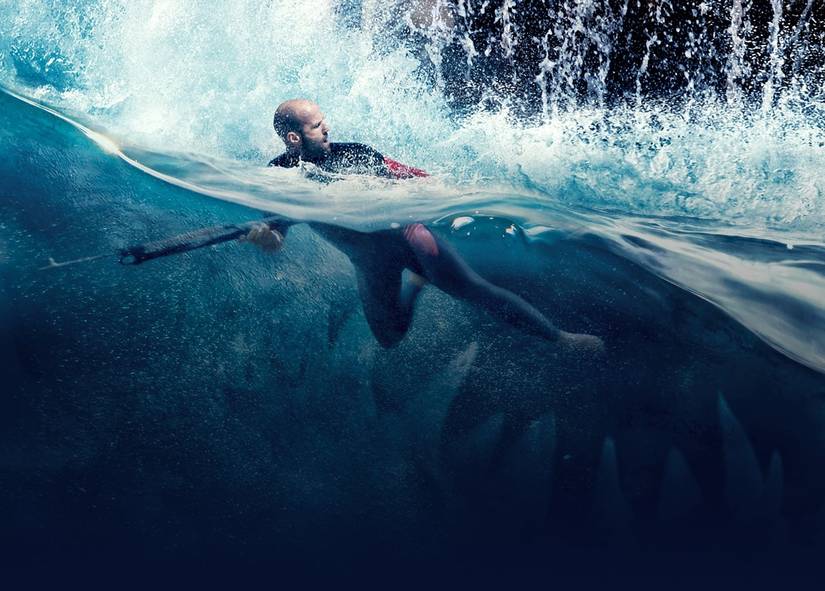
Industry analysts suggest that the success of these films stems from a "low-barrier-to-entry" philosophy. In a streaming landscape filled with complex, multi-layered prestige dramas, The Meg offers a refreshing alternative: 113 minutes of uncomplicated, high-budget spectacle. The films don’t ask the viewer to solve a mystery or grapple with deep emotional trauma; they ask the viewer to watch Jason Statham punch a shark. It is a simple value proposition that has proven incredibly resilient in the global market.
Implications: The Future of the Creature Feature
The success of The Meg has significant implications for the future of the creature-feature genre. It proves that there is a viable market for "smart-dumb" cinema—films that are technically proficient and well-produced but conceptually unpretentious.
- Budgetary Viability: By utilizing high-end CGI and established action stars, studios have found a formula that generates significant returns on international box offices, particularly in Asian markets where the Meg franchise has performed exceptionally well.
- Genre Blending: The franchise has shown that shark movies don’t have to be limited to horror. By incorporating elements of science fiction, survival thriller, and action-comedy, the films have widened the demographic reach of the sub-genre.
- The "Streaming Anchor" Effect: The Meg films serve as the perfect "anchor" content for streaming services. They are movies that people return to when they want a reliable, entertaining experience—a "comfortable" blockbuster that functions as a weekend staple.
Conclusion: Why We Need the Megalodon
It is true that Jaws will remain the definitive shark movie for as long as cinema exists. Its craftsmanship, score, and cultural impact are unmatched. However, it is unfair to hold every subsequent shark film to that standard.
The Meg and Meg 2: The Trench succeed precisely because they understand their place in the ecosystem. They are not trying to be the apex predator of film history; they are the giant, loud, and incredibly fun survivors that know how to keep the audience entertained. They represent a victory of tone over pretension. For those who want to turn off their brains, watch some high-quality explosions, and witness a legendary action star engage in a battle of wills with a creature that should have stayed extinct, the Meg franchise offers exactly what it promises.
If the goal of cinema is to elicit a reaction, then the sight of a 75-foot shark breaching the surface while Jason Statham navigates the chaos is, in its own way, a masterpiece of modern entertainment. The franchise proves that while you can’t top the Great White, you can certainly go bigger—and have a lot more fun doing it.