For decades, nutritionists have championed the virtues of plant-based diets, citing their profound benefits for cardiovascular function, metabolic stability, and immune resilience. While the conventional wisdom has long centered on the role of dietary fiber in fostering a diverse and healthy gut microbiome, the precise biochemical mechanisms governing these health outcomes have remained something of a "black box."
A groundbreaking series of studies led by researchers at the Ludwig Institute for Cancer Research at Princeton University is now pulling back the curtain on this biological mystery. By investigating how specific plant components interact with gut bacteria and the host’s own metabolism, scientists have identified a previously overlooked class of nutrients that may be just as vital as fiber. These findings not only refine our understanding of the gut-metabolite axis but also suggest a future where personalized nutrition is as precise as pharmacological intervention.
The Mechanistic Shift: Understanding Microbial Metabolites
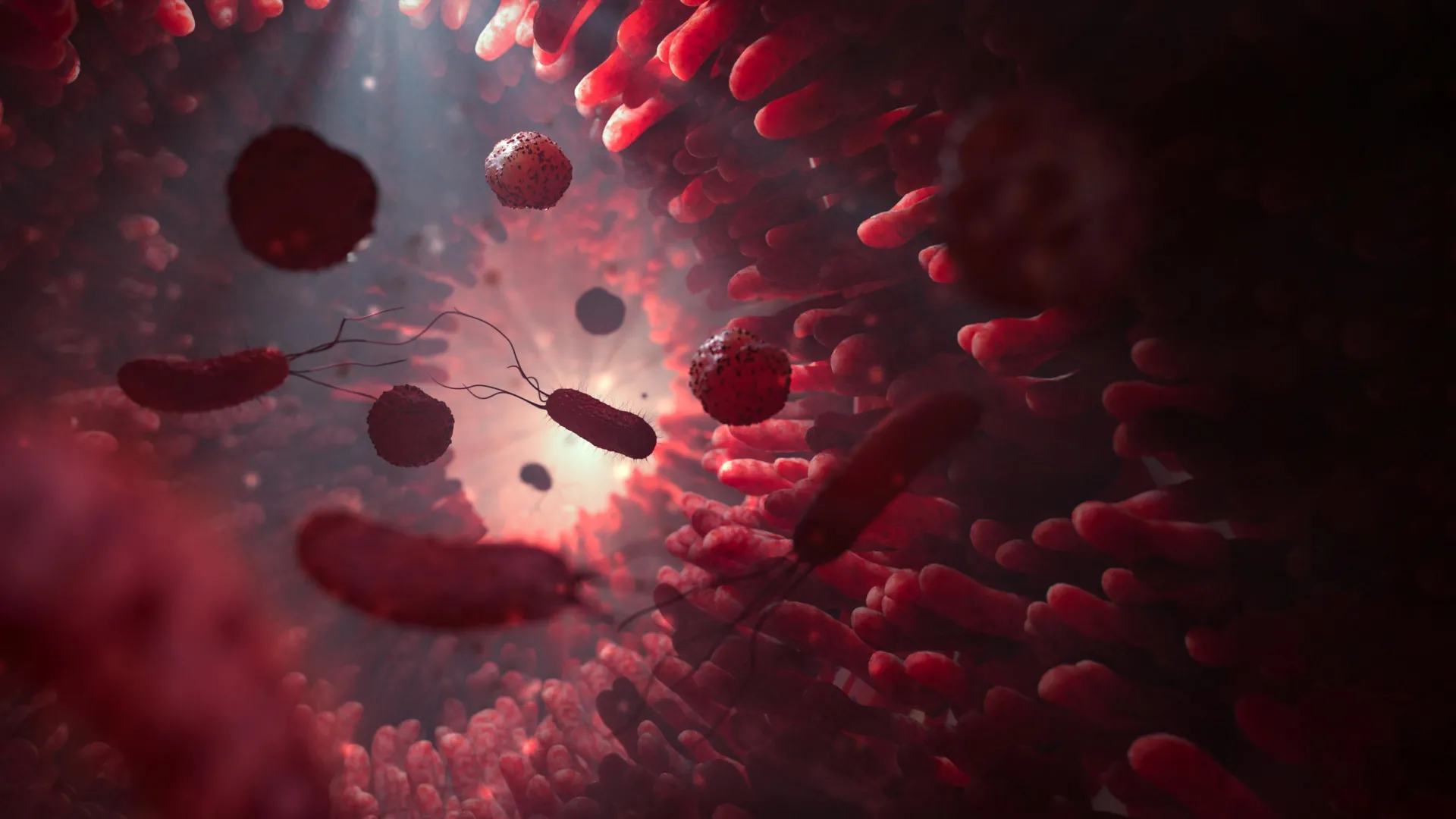
The human gut is a bustling ecosystem of trillions of microorganisms. These bacteria do more than just digest food; they act as a secondary metabolic organ, breaking down dietary components into "metabolites"—small molecules that enter the bloodstream and influence physiological processes throughout the body.
Two recent studies, led by Jenna AbuSalim and Director Joshua Rabinowitz, provide a transformative look at this process. The first study, published in the Proceedings of the National Academy of Sciences (PNAS), explores how specific plant proteins and fibers influence the production of phenol metabolites. The second, published in Nature Metabolism in June, challenges the long-held assumption that gut bacteria are the sole architects of these compounds, revealing that the mammalian body itself is a significant contributor to the production of essential metabolites.
The Chronology of Discovery
The research process spanned several years, utilizing advanced isotope-tracing technology to map the journey of nutrients from consumption to metabolic output.
- Initial Phase: Researchers identified that gut bacteria produce phenols when they break down amino acids—specifically tyrosine and phenylalanine.
- The "Bad" vs. "Good" Split: They observed that metabolites derived from tyrosine (such as p-cresol sulfate and phenol sulfate) are linked to systemic toxicity and worse outcomes in cancer and kidney disease patients. Conversely, metabolites from phenylalanine (such as phenylpropionate and hippuric acid) correlate with improved gut health and weight management.
- The Breakthrough: By labeling proteins with stable isotopes, the team tracked their transit through the mouse gut, revealing how fiber and "indigestible proteins" shift the metabolic balance toward the "good" phenols.
- The Paradigm Shift: The subsequent Nature Metabolism study used antibiotic-treated models to differentiate between microbial-derived metabolites and those produced by the host’s own mammalian metabolism, fundamentally altering the scientific understanding of indole and phenol origins.
Supporting Data: The Role of "Prif"
Perhaps the most significant revelation from the Princeton team is the identification of a new category of nutrients: "proteins imitating fiber," or Prifs. While fiber has been the undisputed star of dietary health advice, these indigestible plant proteins have largely flown under the radar.
The researchers discovered that Prifs and fiber work in a synergistic dance to protect the gut lining. Under normal circumstances, when gut bacteria lack sufficient dietary fiber, they turn to the host’s own resources, breaking down the mucus lining of the intestines. This destructive process releases harmful phenols.
The study demonstrated that fiber acts as a protective barrier, reducing the bacterial degradation of this mucosal layer. Simultaneously, Prifs act as a preferred fuel source for beneficial microbes, providing them with the raw materials needed to produce healthy, protective phenols rather than the toxic variants.
"We think Prifs represent an emerging class of dietary nutrients that shape the composition of the gut microbiome and could have a far-reaching influence on metabolic health," said AbuSalim. The potential impact is so significant that Rabinowitz speculates we may soon see "Prif" content listed on food packaging, right alongside fiber, as a standard metric for health-conscious consumers.
Rethinking the Origins of Indoles
The second study in Nature Metabolism challenged an entrenched scientific dogma: that phenol and indole metabolites are exclusively the products of gut bacteria. Indoles, produced from the amino acid tryptophan, are known for their anti-inflammatory properties and their role in modulating immune responses, particularly in cancer therapy.
By using antibiotic-treated mice and rats, the researchers were able to silence the activity of the microbiome. Contrary to expectations, the levels of key indole metabolites, such as indole-3-lactate and indole-3-acetate, remained high even after the gut bacteria had been decimated. This provided definitive evidence that the host’s own metabolism is capable of producing these compounds.
This finding carries massive implications for medical research. Many current therapeutic approaches focus on "fixing" the microbiome to restore metabolic health. However, if the body is already producing the necessary metabolites independently of bacteria, these interventions may need to be recalibrated. Conversely, for metabolites that are strictly microbial—such as indole-3-propionate and p-cresol sulfate—targeting the microbiome remains the correct therapeutic strategy.
Official Responses and Expert Perspectives
Director Joshua Rabinowitz emphasizes that the goal of this research is to move from generalized dietary advice to surgical, evidence-based nutrition. "There’s growing interest across medical disciplines in manipulating the human microbiome or using its metabolic products themselves for therapy," Rabinowitz noted. "Diet holds great promise for controlling the microbiome and its outputs. But to devise effective therapeutic interventions, we need to understand what aspects of the diet control which microbial outputs."
The implications for clinical practice are vast. Doctors and nutritionists currently provide broad recommendations—"eat more fiber" or "take this probiotic." The Princeton team’s work suggests a future where practitioners can look at a patient’s specific metabolic profile and recommend precise dietary inputs to modulate specific outputs. This is the dawn of metabolic precision medicine.
Implications for Future Health Interventions
The synthesis of these two studies offers a roadmap for the future of chronic disease management.
1. Precision Dietary Guidance
By identifying how specific foods (fiber vs. Prifs) control the production of specific metabolites (good vs. bad phenols), clinicians can move away from "one-size-fits-all" diets. Instead, they can prescribe diets designed to inhibit harmful microbial pathways while fueling the body’s endogenous production of protective compounds.
2. Oncology and Chronic Disease
Given that indole and phenol metabolites have been implicated in cancer metastasis, systemic toxicity in kidney disease, and inflammatory bowel disease, the ability to modulate these levels could change the standard of care for millions. Understanding that the body produces many of these compounds internally means that oncologists might soon monitor patient metabolic markers to adjust treatment plans in real-time.
3. Pharmaceutical Potential
The research highlights the potential for using metabolites themselves as therapeutic agents. If a specific metabolite is proven to be protective against a disease, researchers might develop direct supplements or drugs that replicate the effect, bypassing the need to alter the complex, often unpredictable environment of the gut microbiome.
4. A New Frontier in Food Labeling
The recommendation to list Prifs on food packaging is not merely a suggestion for the industry; it represents a fundamental shift in how we view the biology of food. Recognizing that certain proteins are "indigestible" in the traditional sense but biologically active in the microbial sense changes the definition of a "nutrient."
Conclusion: The Road Ahead
The work led by AbuSalim and Rabinowitz serves as a powerful reminder that the most sophisticated laboratory in the world is the one already inside us. By mapping the complex interactions between diet, gut bacteria, and mammalian metabolism, this research provides a clearer, more nuanced picture of human physiology than ever before.
As the scientific community continues to digest these findings, the path forward is clear: the future of medicine lies in the intersection of molecular biology and daily nutrition. With the identification of Prifs and the debunking of the "microbe-only" production theory, we are one step closer to unlocking the full therapeutic potential of our diet, transforming the way we prevent, manage, and ultimately treat chronic disease.
This research was supported by the Ludwig Institute for Cancer Research, the National Institutes of Health, the National Institute of Diabetes and Digestive and Kidney Diseases, and the Princeton Alliance for Collaborative Research and Innovation. Joshua Rabinowitz serves as a Professor in the Department of Chemistry and the Lewis-Sigler Institute for Integrative Genomics at Princeton University and is a member of the Rutgers Cancer Institute.