Introduction: A Symbol of Unity
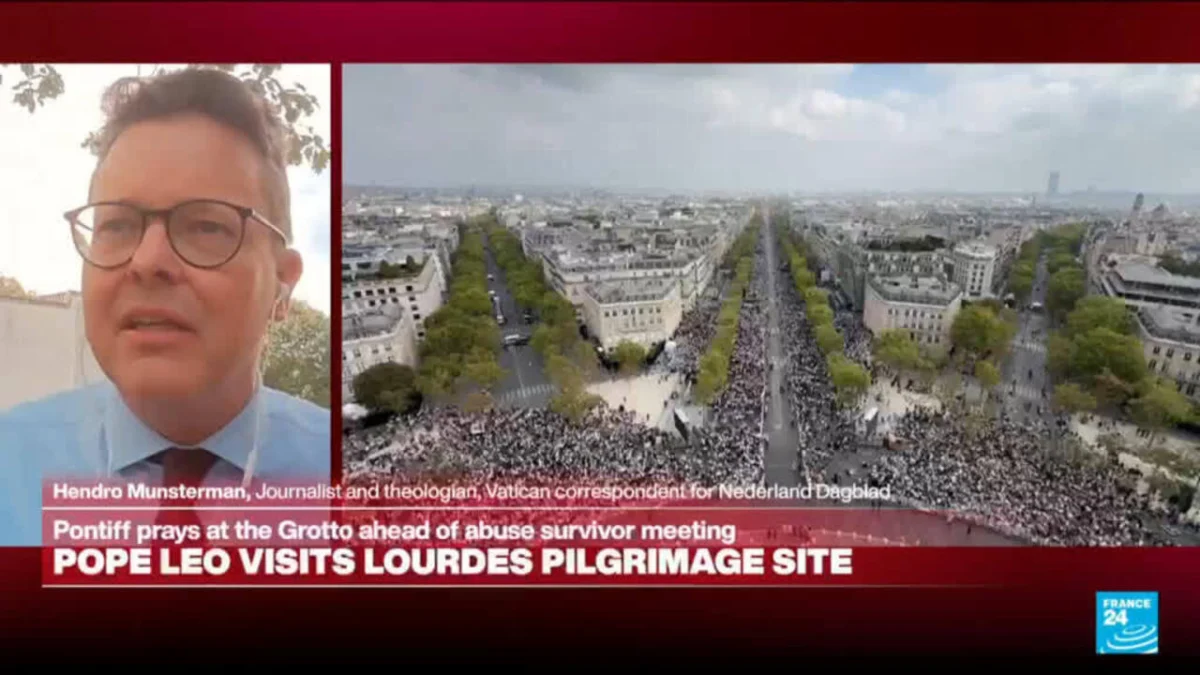
In a momentous journey that has captured the attention of both the faithful and the secular world, Pope Leo arrived in Lourdes, France, on September 27, 2026. This visit, part of a broader apostolic journey across the French Republic, serves as a poignant intersection of faith, history, and modern diplomacy. As the Pontiff stepped onto the hallowed grounds of the Marian shrine—a site renowned for its tradition of miraculous healing and deep spiritual reflection—he carried with him a message of resilience, unity, and a call for social cohesion in an era marked by geopolitical instability and shifting cultural landscapes.
Main Facts: The Significance of the Pilgrimage
The visit to Lourdes is not merely a ceremonial stop; it is a strategic and pastoral endeavor. Lourdes, located in the foothills of the Pyrenees, remains one of the world’s most significant pilgrimage sites, drawing millions of visitors annually. Pope Leo’s presence here is characterized by several key highlights:
- Pastoral Outreach: The Pope’s itinerary focuses on the "peripheries" of society, including those suffering from illness and those on the margins of economic stability.
- Ecumenical Dialogue: The Pontiff is expected to address leaders from various faiths and secular institutions to promote a dialogue of "common human dignity."
- France’s Role in Europe: As France navigates its own internal challenges, the Pope’s visit acts as a diplomatic bridge, emphasizing the importance of the country’s historical and cultural roots in the broader European project.
Chronology of the Visit
The visit has been meticulously planned to balance religious observance with institutional engagement.
Phase 1: Arrival and Initial Greetings
On the morning of September 27, 2026, the Papal aircraft touched down in the Occitanie region. The arrival was marked by a formal greeting from high-ranking French government officials and members of the French Episcopal Conference. This set the tone for a visit that bridges the divide between the Vatican’s ecclesiastical authority and the French Republic’s staunch secularist principles (laïcité).
Phase 2: The Sanctuary of Our Lady of Lourdes
Following the state reception, the Pope proceeded to the Grotto of Massabielle, the site where the apparitions of the Virgin Mary are said to have occurred in 1858. In a deeply symbolic gesture, the Pontiff spent time in silent prayer before greeting the sick and the disabled. This portion of the visit highlights the Catholic Church’s commitment to the "culture of care," a central theme of Pope Leo’s pontificate.
Phase 3: The Call for Peace and Solidarity
In his afternoon address, the Pope is scheduled to hold a public mass at the Basilica of Our Lady of the Rosary. Observers anticipate that his homily will focus on the themes of global conflict resolution and the responsibility of wealthy nations toward the displaced and the vulnerable.
Supporting Data: The Impact of the Lourdes Pilgrimage
To understand the weight of this visit, one must look at the numbers. The Lourdes Sanctuary facilitates the travel of over 3.5 million pilgrims in an average year, including approximately 80,000 sick or disabled individuals who rely on the site’s unique infrastructure for spiritual and physical support.
- Economic Impact: The local economy in the Hautes-Pyrénées department relies heavily on the tourism generated by the sanctuary. Estimates suggest that the papal visit will generate an additional 15% increase in local revenue during the final quarter of 2026.
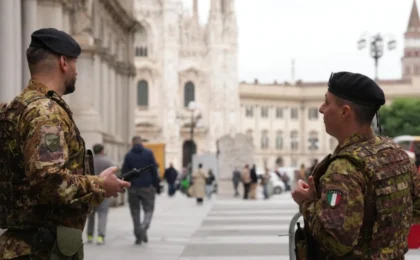
- Security Deployment: The French Ministry of the Interior has deployed over 3,000 security personnel to ensure the safety of the Pontiff and the thousands of pilgrims expected to crowd the streets of the small mountain town.
- Media Coverage: The event is being broadcast to over 120 countries, with an estimated global audience exceeding 400 million viewers, highlighting the enduring relevance of the Papacy in the digital age.
Official Responses and Diplomatic Nuance
The French government has approached this visit with a delicate balance of respect and adherence to the principle of laïcité.
The Government Perspective
Presidential spokespeople have emphasized that the visit is an "extraordinary event" that invites a respectful welcome. While France is a secular state, the government acknowledges the Pope’s role as a global moral leader. "We welcome the Pope not just as a religious figure, but as an advocate for the universal values of brotherhood and solidarity that align with the spirit of the Republic," a government official stated during a press briefing on Friday.

The Vatican’s Stance
Vatican officials have been equally careful. They have characterized the visit as "pastoral, not political." In a pre-departure statement, the Holy See noted that Pope Leo seeks to "encourage the French people in their search for meaning and their dedication to the common good." By focusing on themes like the environment and social inclusion, the Vatican avoids direct interference in French partisan politics while maintaining a strong moral stance on current events.
Implications: A Broader Vision for the Future
The implications of this visit extend far beyond the borders of France.
Strengthening the European Social Fabric
Pope Leo has long been a critic of the "throwaway culture" and the erosion of community ties. By choosing Lourdes—a place that celebrates the intrinsic value of every human life regardless of health or status—he is offering a counter-narrative to the hyper-individualism often seen in modern European society. This visit is expected to bolster efforts by faith-based organizations to work alongside government agencies in addressing the loneliness epidemic and the challenges of an aging population.
The Future of Secular-Religious Dialogue
The success of this visit serves as a blueprint for how secular democracies can interact with religious institutions. By maintaining distinct roles—the state providing security and public order, the Church providing moral and spiritual guidance—France and the Vatican are demonstrating a model of "cooperative neutrality." This is crucial for the future of Europe, where the integration of diverse religious and secular identities remains a primary challenge.
Spiritual Renewal and Public Morale
For the individual, the visit provides a moment of pause. In a year defined by economic volatility and rapid technological disruption, the presence of the Pope in a historic site of pilgrimage serves as a psychological anchor for many. It encourages a shift from the digital, high-paced environment to one of reflection and collective experience. Whether through the lens of faith or as a cultural observer, the presence of Pope Leo in Lourdes serves as a reminder of the enduring human need for hope and shared purpose.
Conclusion: Looking Ahead
As the visit concludes, the legacy of Pope Leo’s time in Lourdes will be measured not in political agreements, but in the intangible shift of public discourse. He has successfully utilized his platform to remind a modern, often fragmented, world that the values of compassion, humility, and solidarity are not relics of the past, but necessary components for a stable future.
As the Pontiff departs from the Pyrenees, he leaves behind a message that resonates well beyond the stone walls of the sanctuary: that in the midst of turmoil, there is a path toward unity. For France and for Europe, the challenge now lies in translating these high-level sentiments into the mundane, day-to-day work of policy-making and community building. The Lourdes pilgrimage of 2026 will undoubtedly be remembered as a pivotal moment where the spiritual and the temporal met to address the pressing questions of the 21st century.
Reported by [Name], International Correspondent. Data compiled from Vatican Press Office and the French Ministry of the Interior archives.