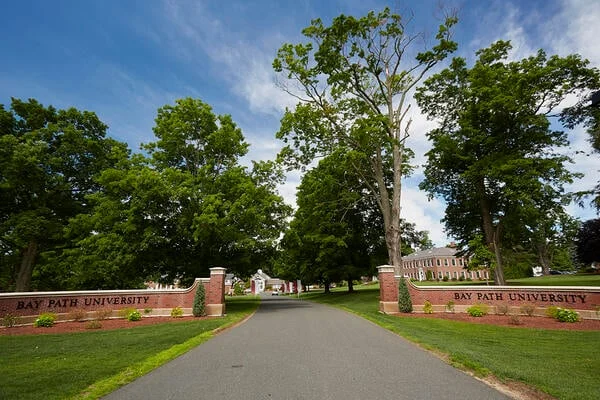
In a landmark development for the landscape of Massachusetts higher education, Bay Path University has officially finalized its integration of Cambridge College. The announcement, confirmed on Monday, follows the receipt of formal approval from the U.S. Department of Education, signaling the conclusion of a rigorous regulatory review that has spanned more than two and a half years.
This consolidation marks a significant strategic pivot for both institutions, creating a combined entity designed to better serve the evolving needs of adult learners and working professionals. By absorbing the operations, legacy, and programmatic reach of the Boston-based Cambridge College, Bay Path University—headquartered in Longmeadow—has effectively expanded its footprint across the Commonwealth and beyond, positioning itself as a powerhouse in the niche of non-traditional and career-focused education.
The Chronology of an Integration
The journey toward this merger began in early 2022, when leaders from both institutions recognized that a shared vision for accessible, career-oriented education could be better realized through a unified structure.
- February 2022 – Initial Announcement: Bay Path University and Cambridge College publicly declared their intent to merge, citing a shared commitment to mission-driven, adult-focused education.
- 2022–2023 – Regulatory Due Diligence: The transition period required an exhaustive series of reviews. Both institutions navigated complex legal and financial audits, ensuring that the merger would not compromise the educational quality or accreditation status of either entity.
- Late 2023 – State and Accreditor Approvals: The Massachusetts Department of Higher Education and the New England Commission of Higher Education (NECHE) conducted comprehensive site visits and document reviews. Both bodies provided their necessary sign-offs, validating the financial and pedagogical stability of the proposed integration.
- February 2024 – Federal Scrutiny: As the merger entered its final phase, additional attention was placed on federal compliance, ensuring that student financial aid programs and Title IV funding would remain uninterrupted.
- Current Status: With the final approval from the U.S. Department of Education in hand, the integration process is now complete, and the two institutions are moving toward full operational alignment.
Strategic Synergy and Supporting Data
The merger is not merely a bureaucratic consolidation; it is a calculated effort to leverage the strengths of two distinct but complementary academic institutions.
Bay Path University has long been recognized for its innovative online programming and its focus on women’s education at the undergraduate level, while also maintaining robust graduate programs. Cambridge College, conversely, has built its reputation on serving the diverse needs of urban, adult learners who often juggle professional responsibilities with academic pursuits.
Market Reach and Demographics
The acquisition brings several key strategic advantages to the fore:
- Geographic Expansion: While Bay Path maintains a stronghold in western Massachusetts, the integration provides an immediate, established presence in the Boston metropolitan area.
- The Puerto Rico Corridor: A critical component of the acquisition is Cambridge College’s existing infrastructure and programmatic presence in Puerto Rico. This provides Bay Path with a unique opportunity to scale its model of education to a new, underserved demographic outside of the continental United States.
- Online Program Proliferation: Bay Path officials have noted that the combined intellectual property and technical infrastructure will enable a significant expansion of their online offerings, allowing for more flexible, high-demand degree programs.
Official Responses: A Vision for the Future
The leadership at both institutions has been vocal about the significance of this milestone, framing it as a proactive solution to the challenges currently facing private higher education, such as declining enrollment and shifting economic landscapes.
Bay Path University President Sandra J. Doran issued a statement that emphasized the transformative nature of the merger. "Today is not simply the completion of an integration process," Doran remarked. "It is the beginning of a new era for our University, new possibilities for the learners we serve, and new opportunities to deliver our successful model of education; one that has helped thousands of adult learners obtain their degrees and grow their careers."
Doran’s sentiments were echoed by members of the Board of Trustees, who noted that the integration was fueled by "mission alignment." By combining resources, the institutions aim to reduce administrative overhead and reinvest those savings into student support services, faculty development, and the modernization of academic curricula.
For the students currently enrolled at Cambridge College, the transition is expected to be seamless, with degree paths and support systems remaining intact under the Bay Path banner. The university has pledged to maintain the core values that defined Cambridge College while providing students with the expanded resources of a larger, more resource-rich university.
Implications for the Higher Education Landscape
The success of the Bay Path–Cambridge College integration comes at a time when the higher education sector is experiencing a wave of consolidation. As demographics shift and the "enrollment cliff" approaches, many small-to-mid-sized private colleges are finding that they can no longer operate effectively as standalone institutions.
A Trend Toward Consolidation
The Bay Path deal is emblematic of a broader trend toward "strategic affiliation" or "mergers of equals." Universities are increasingly seeking partners that allow them to achieve economies of scale. By pooling their administrative, IT, and marketing resources, these institutions can offer a more robust array of services than they could individually.
However, this path is not without its hurdles. The fact that the Bay Path process took over two and a half years highlights the inherent difficulties in merging institutional cultures, governance structures, and financial aid compliance systems.
The National Context
The impact of this news extends well beyond Massachusetts. Just last week, the National Park College Board of Trustees approved a plan to begin exploratory talks with the University of Arkansas System. This movement suggests that regional institutions—both public and private—are feeling the pressure to evaluate their long-term sustainability through partnership.
Industry analysts suggest that we are entering a decade defined by institutional reconfiguration. Those who can navigate the complex regulatory and cultural landscape, as Bay Path has done, are likely to survive and thrive. Those who fail to adapt, or who delay the difficult conversations regarding consolidation, may find themselves at risk as the competitive environment intensifies.
Moving Forward: Challenges and Opportunities
While the paperwork is signed and the approvals are granted, the true work of integration lies ahead. The challenge for Bay Path University will be the successful blending of two distinct academic cultures. Integrating the faculty, staff, and student support systems of a Boston-based urban college with a western Massachusetts-based university requires a delicate, high-touch approach.
Furthermore, the expansion into Puerto Rico presents both a logistical challenge and a massive opportunity. Successfully managing a satellite operation in a different cultural and regulatory environment will require sustained investment and a clear understanding of the specific needs of that student population.
Final Reflections
The acquisition of Cambridge College by Bay Path University is a testament to the power of strategic foresight. By prioritizing mission alignment over mere institutional preservation, Bay Path has effectively positioned itself to remain relevant in a rapidly changing academic world. As the university moves into this new chapter, the higher education sector will undoubtedly be watching closely, viewing the Bay Path-Cambridge model as a potential blueprint for future institutional mergers.
For the students, the ultimate beneficiaries, the promise is clear: a more stable, more diverse, and more accessible path toward the degrees and career opportunities that define the modern American economy. As President Doran noted, the "new era" is defined by possibilities—and for a combined institution with a renewed, expanded mandate, those possibilities are substantial.