In the high-octane world of automotive manufacturing, few brands have managed to cultivate as loyal and fervent a following as Subaru. For 2027, the Japanese automaker is pulling out all the stops to celebrate two monumental anniversaries that define its modern identity: the 25th anniversary of the WRX’s debut in the United States and the 15th anniversary of the nimble, rear-wheel-drive BRZ. To commemorate these milestones, Subaru has unveiled two exclusive, limited-production models that serve as a love letter to the enthusiasts who have fueled the brand’s growth over the decades: the WRX GD25 and the BRZ ZC15.
A Legacy of Precision: The Main Facts
These two special editions are more than just cosmetic packages; they represent a synthesis of heritage and modern engineering. The nomenclature for these vehicles—GD25 and ZC15—is a nod to the original internal chassis codes, combined with the specific anniversary years.
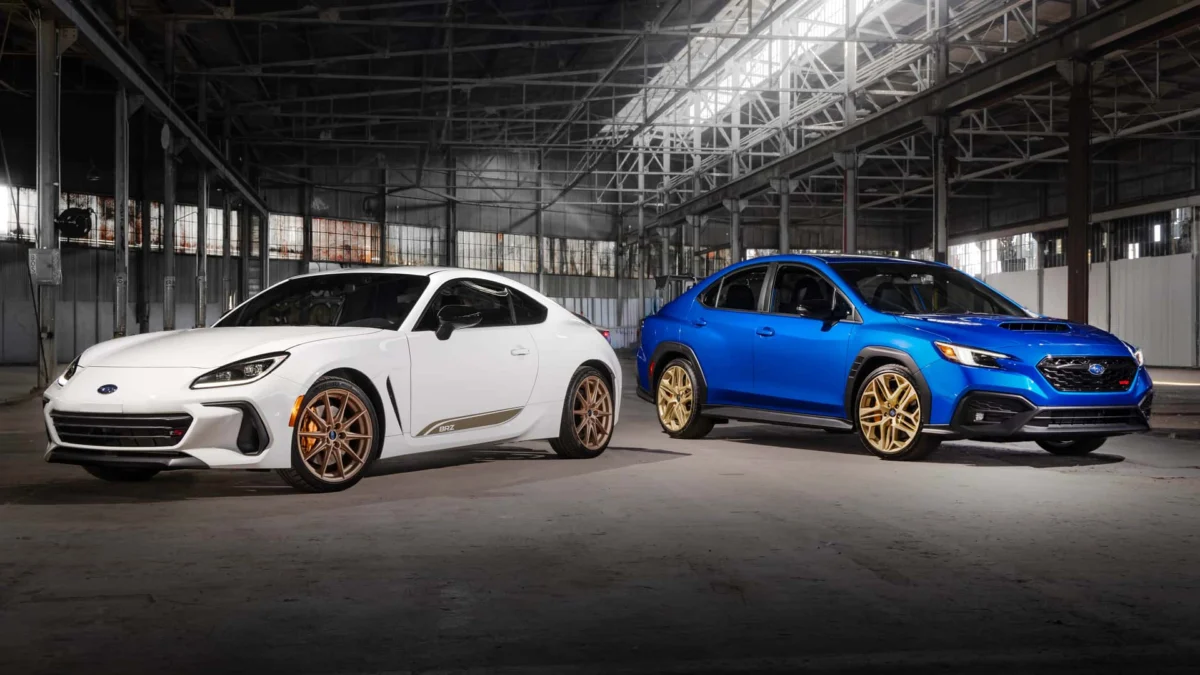
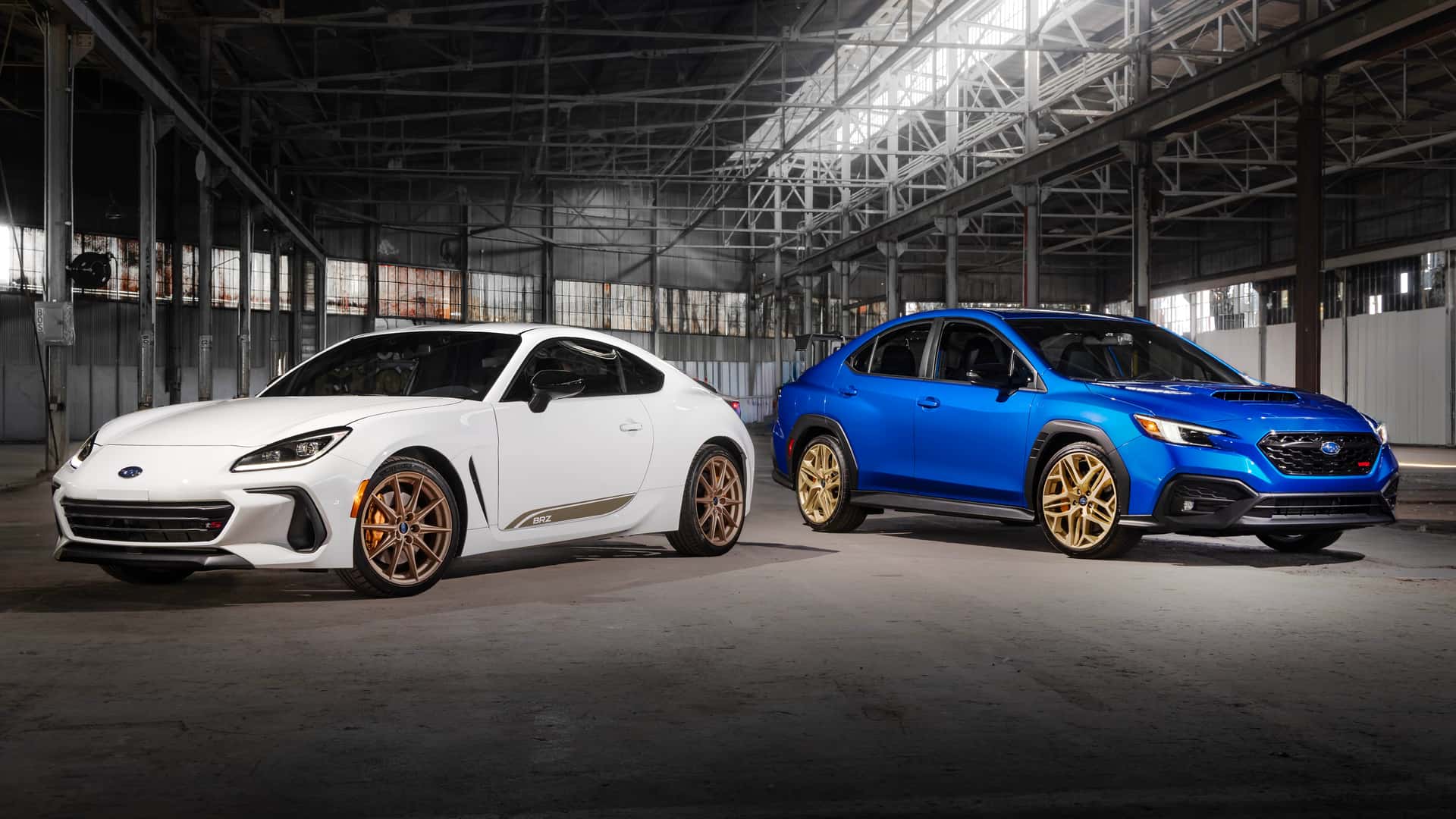
The 2027 Subaru WRX GD25 arrives as a tribute to the car that effectively brought rally-bred technology to the American masses in 2002. Cloaked exclusively in the brand’s signature World Rally Blue, the GD25 features a striking contrast of gold-painted 19-inch alloy wheels. Beyond the aesthetic, the vehicle is equipped with Bridgestone Potenza S007 high-performance tires and upgraded Brembo brakes with gold calipers. Perhaps most notably, it sports the same STI carbon-fiber swan-neck rear wing found on the ARA25L, the rally car that dominated the American Rally Association (ARA) Championship.
The 2027 Subaru BRZ ZC15 adopts a more refined, heritage-inspired aesthetic. Painted in the classic Ceramic White—a hue iconic to the first-generation BRZ—the coupe sits on matte bronze wheels, a direct homage to the 2020 BRZ tS. With red brake calipers and subtle bronze exterior accents, the ZC15 balances the visceral engagement of a rear-wheel-drive sports car with a sophisticated, celebratory aesthetic.
A Chronological Journey: From 2002 to 2027
To understand the significance of these releases, one must look back at the trajectory of Subaru’s performance division in North America.
The WRX Revolution (2002–2027)
When the WRX first landed on U.S. shores in 2002, it was a revelation. It offered the average consumer a chance to pilot a vehicle that felt like it had been plucked directly from the WRC stages. Over the last 25 years, the WRX has evolved from a raw, unrefined rally machine into a sophisticated performance sedan, while maintaining the signature "boxer" engine and Symmetrical All-Wheel Drive system that made it a household name.
The BRZ Evolution (2012–2027)
Fast forward to 2012: Subaru, in collaboration with Toyota, introduced the BRZ. It was a departure from the company’s all-wheel-drive focus, offering a pure, lightweight, rear-wheel-drive experience. Over its 15-year history, the BRZ has been lauded for its balance, steering precision, and accessibility. It solidified Subaru’s reputation as a company that could cater not just to the family-oriented SUV buyer, but to the driving purist who craves a connection with the asphalt.
Under the Metal: Engineering and Performance
While the visual flair is what will catch the eye on the showroom floor, the performance upgrades included in the GD25 and ZC15 provide the substance that enthusiasts demand.
The WRX GD25 Technical Specs
Under the hood, the GD25 retains the robust 2.4-liter turbocharged boxer engine, producing 271 horsepower. While the power figures remain consistent with the standard model, the driving dynamics have been sharpened. Subaru has implemented a stiffer spring rate and revised damping, providing a more planted feel through corners. The addition of a flexible strut tower brace improves chassis rigidity, while the six-speed manual transmission—now paired with an STI short-shifter—ensures that every gear change feels deliberate and crisp. The interior continues the theme, with Recaro seats featuring black Ultrasuede inserts and red accent stitching, blending comfort with track-ready support.
The BRZ ZC15 Technical Specs
The BRZ ZC15 carries the spirit of the lightweight coupe forward. Like the WRX, it retains the 228-horsepower 2.4-liter boxer engine, paired exclusively with a six-speed manual transmission. The focus here is on handling rigidity; the ZC15 features a flexible V-bar under the hood to minimize chassis flex during spirited driving. Coupled with the black decklid spoiler, which provides a touch of downforce and a more aggressive silhouette, the ZC15 is engineered to remain the benchmark for entry-level, rear-drive sports cars.
Official Perspectives: The Philosophy Behind the Build
William Stokes, Subaru’s car line planning manager, provided insight into the development process during the official announcement. For the engineering team, the goal was never to reinvent these cars, but to distill their essence.
"The WRX GD25 is a tribute to our rally-ready sedan and its sports car pedigree, including the wing it shares with the ARA Championship-winning ARA25L," Stokes stated. "Similarly, the BRZ ZC15 embodies the best of our long-running, accessible performance sports car, right down to its rear-wheel-drive engagement. We wanted these vehicles to feel like a culmination of the lessons we’ve learned over the past quarter-century."
Subaru’s decision to limit production—350 units for the WRX GD25 and 300 for the BRZ ZC15—highlights the "collector’s item" status of these vehicles. By keeping numbers low, Subaru ensures that these models will likely become fixtures in the collections of brand loyalists, rather than just daily commuters.
Market Implications and Future Outlook
The release of these anniversary editions comes at an interesting time for Subaru. As the broader automotive market pushes toward electrification and autonomous driving, models like the WRX and BRZ stand as defiant reminders of the joys of internal combustion and manual engagement.
The pricing strategy, which will be released closer to the on-sale dates, will be a critical factor in determining how quickly these 650 total units are snatched up by the public. The BRZ ZC15 is expected to arrive in early 2027, followed by the WRX GD25 in the summer.
Beyond the immediate excitement of these releases, the existence of these models serves to boost the brand’s image. By celebrating its history, Subaru is effectively reinforcing its "performance-first" identity to a new generation of buyers. The success of the WRX in recent sales quarters, coupled with the cult following of the BRZ, suggests that there is still a massive, untapped demand for driver-focused vehicles.
Furthermore, these special editions serve as a bridge. As Subaru continues to integrate more hybrid and electric technology into its lineup—as seen in the updates to the Impreza and other models—the GD25 and ZC15 remind customers that the brand’s roots remain firmly planted in the soil of the rally track and the canyon road.
Conclusion: A Celebration of Driving
As Subaru prepares for 2027, the message is clear: the company is not moving away from its past, but rather using it to define its future. Whether it is the wing-heavy, aggressive posture of the WRX GD25 or the sleek, balanced refinement of the BRZ ZC15, these cars are a testament to the fact that performance is not just about raw horsepower—it is about the experience, the history, and the connection between the driver and the road.
For the enthusiast, these models represent an opportunity to own a piece of automotive history. For Subaru, they are a victory lap, a way to acknowledge the millions of miles driven, the championships won, and the community that has supported the "Stars of the Pleiades" for the last 25 years. As we look toward the summer of 2027, one thing is certain: Subaru’s legacy is as vibrant and exciting as ever.