By [Your Name/Journalistic Desk]
July 3, 2026
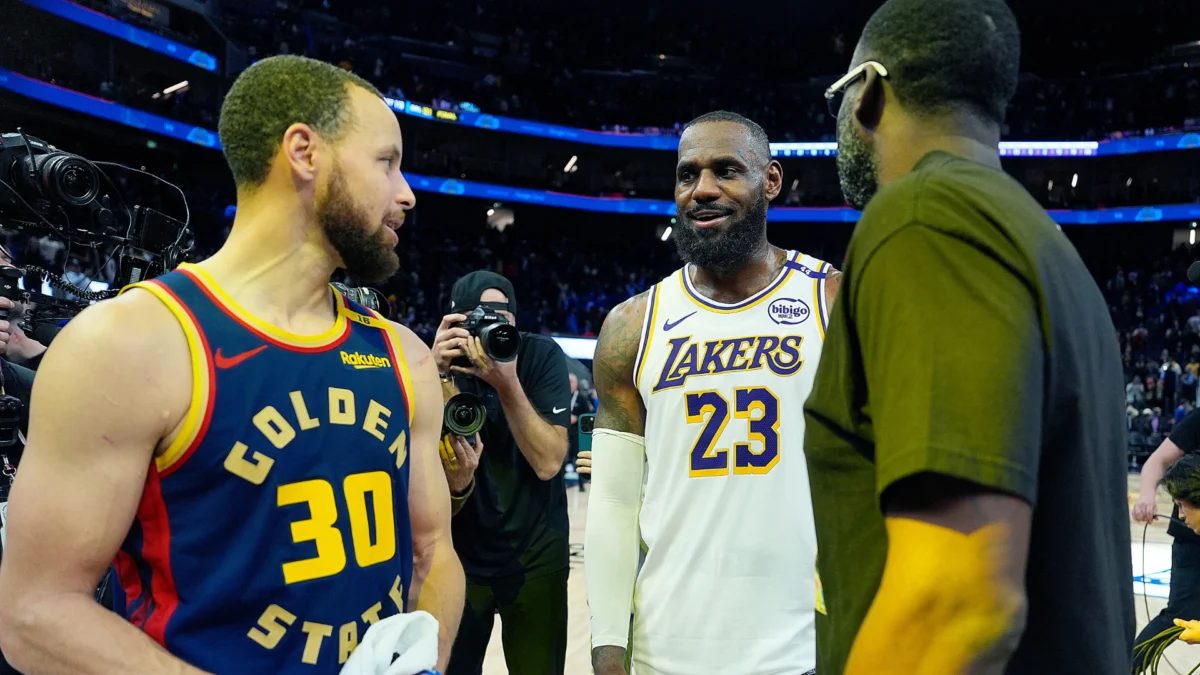
As the 2026 NBA offseason reaches a fever pitch, the Golden State Warriors find themselves at a perilous crossroads. What began as a tantalizing prospect—the potential union of two of the greatest players in basketball history, Stephen Curry and LeBron James—now appears to be dissolving into a sobering reality. For the Warriors, the pursuit of "The King" was more than just a free-agency gamble; it was an attempt to extend the championship window of an aging dynasty. As the smoke clears on a chaotic week of negotiations, the franchise is left staring at a roster that, while familiar, feels increasingly ill-equipped to compete in a rapidly evolving, aggressive Western Conference.
The Genesis of the "LeBron to the Bay" Dream
The narrative gained momentum on June 29, when Draymond Green declined his $27.7 million player option. To the basketball world, this was the tactical chess move that signaled a blockbuster. The logic was sound: Green would decline the option, take a long-term, team-friendly deal with a lower annual cap hit, and the resulting financial breathing room would be used to clear a path for LeBron James.
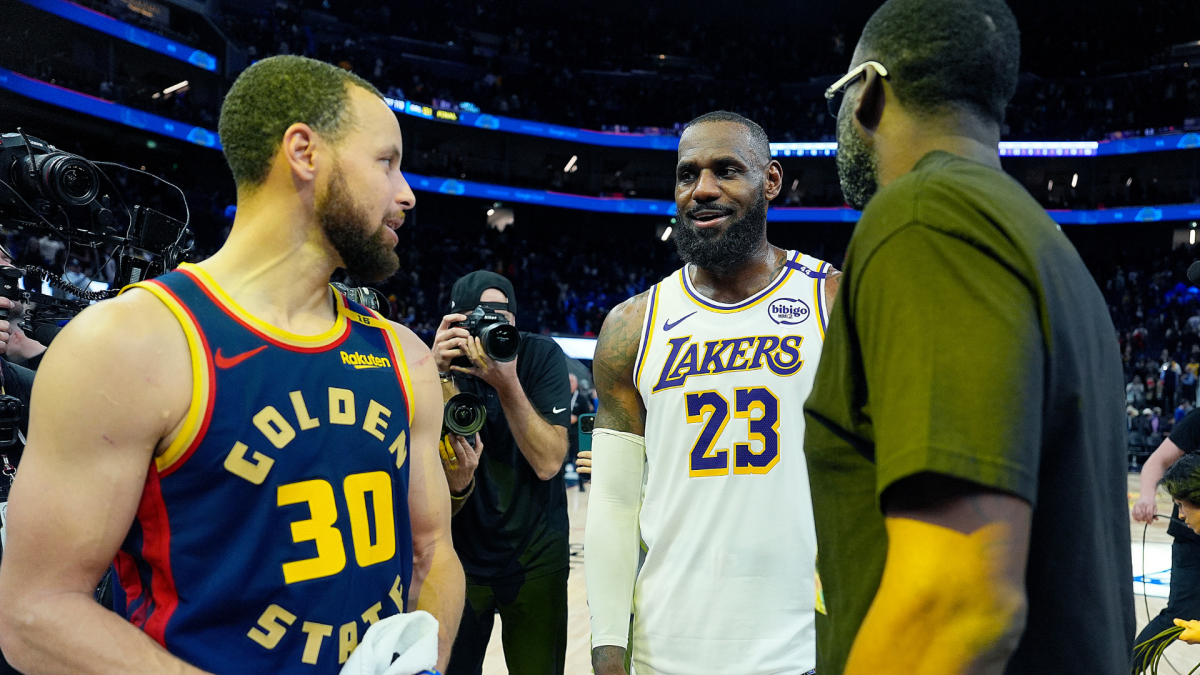
The dots were not difficult to connect. James has been a long-term target for the Warriors’ front office, dating back to a failed pursuit at the 2024 trade deadline. Furthermore, James has been vocal about his respect for the Warriors’ culture and his specific desire to play alongside Stephen Curry—a sentiment he articulated as far back as 2022. When the news surfaced that James would not be returning to the Los Angeles Lakers, the league held its collective breath. For 24 hours, it seemed as if the most improbable super-team in modern NBA history was a mere formality away from fruition.
Chronology of a Collapsing Pursuit
- June 29: Draymond Green declines his player option, immediately fueling speculation of a "LeBron Fund" maneuver.
- June 30: Reports emerge that LeBron James will officially exit the Los Angeles Lakers, sparking a frenzy among potential suitors.
- July 2: The Philadelphia 76ers execute a high-profile trade for Jaylen Brown. This move immediately changes the landscape of the league, as noted by Rich Paul on his "Game Over" podcast.
- July 3 (Morning): ESPN’s Anthony Slater reports that the Warriors have been given no indication they are the front-runners for James.
- July 3 (Afternoon): Rich Paul outlines ten potential destinations for his client on a whiteboard during his podcast. The Warriors appear as the seventh team mentioned, a placement that suggests they are no longer the primary focus of the James camp.
The shift in tone has been palpable. Where once there was optimism, there is now silence. The Warriors’ failure to secure a "splash" move has left them on the outside looking in, while other contenders like the 76ers have signaled their ambition by aggressively restructuring their core.
Supporting Data: Why the Warriors are Losing Ground
The primary criticism directed at the Warriors’ front office is a perceived lack of urgency. While rivals have been making seismic shifts, Golden State’s activity has been limited to re-signing existing role players: Al Horford, Kristaps Porzingis, and De’Anthony Melton. While these are solid, reliable pieces, they are not the types of acquisitions that entice a player of LeBron James’ stature.

Furthermore, the "Anthony Davis trade" theory—a scenario that would have sent Jimmy Butler to Los Angeles to facilitate a reunion between Davis and James—appears to have been DOA. Reports from Marc Stein suggest that the Warriors are unwilling to part with Butler, effectively killing any pathway to landing a superstar that would satisfy James’ desire for a competitive supporting cast.
The financial reality is equally grim. If James is prioritizing a fifth championship over a max contract, he has options that are fundamentally more stable than the current Golden State roster. Even the $15 million mid-level exception the Warriors could theoretically offer—contingent on offloading Moses Moody—fails to provide a competitive advantage when compared to the rosters being built in Philadelphia, Oklahoma City, or San Antonio.
Official Responses and Internal Sentiment
Inside the Warriors’ facility, the mood is reportedly one of calculated indifference. Sources close to the team have indicated that ownership and management are "content if they have to run it back." This stance has left fans and analysts questioning the organization’s long-term vision.
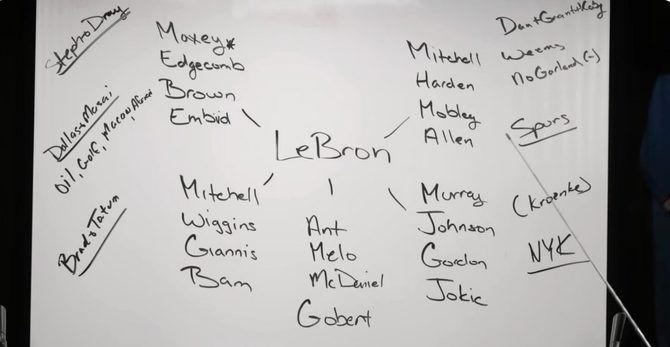
Rich Paul’s recent podcast appearance served as the cold water thrown on the Warriors’ fire. By placing them deep on his list of potential destinations, he effectively communicated that Golden State is no longer a priority for the four-time MVP. The "Steph & Dray" era, while legendary, is seen by the market as a finished product rather than a rising one. The absence of a "Plan B" from the Warriors is particularly glaring, as it suggests they were willing to risk the entire offseason on a single, high-stakes gamble.
Implications: The High Cost of Stagnation
The implications of this failed pursuit are significant. In the modern NBA, standing still is equivalent to moving backward. With the rise of the San Antonio Spurs and the Oklahoma City Thunder, the West has become a gauntlet of young, hungry talent. Teams like the Lakers are mortgaging their future to land players like Walker Kessler, while others are aggressive in the trade market to ensure they remain relevant.
The Warriors, meanwhile, find themselves in a precarious position regarding the legacy of Stephen Curry. Curry remains a "1A" superstar, still capable of carrying a team to a title, yet he is surrounded by a roster that has failed to evolve. The past failures of the "two-timeline" project—specifically the underwhelming development of Jonathan Kuminga and James Wiseman—have left the fan base impatient.
The fear among the faithful is that ownership, under Joe Lacob, is prioritizing a post-Curry transition at the expense of maximizing the final, elite years of the greatest shooter in history. If the Warriors "run it back" with the same squad that struggled last season, the 2026-27 campaign may be remembered as the year the organization finally gave up on its own championship window.
Conclusion: A Summer of "What-Ifs"
The pursuit of LeBron James was always a "dream" scenario for a reason—it was high-reward with minimal risk. It required no draft capital and no massive salary cap sacrifice. It was the perfect, low-risk way to keep the championship dream alive. However, as the window of opportunity closes, the Warriors face the harsh reality of their own making.
Should the James deal fail to materialize, the Warriors will have a difficult time explaining their lack of secondary moves to a fan base that has watched the team slide from title contention to the middle of the pack. The summer of 2026 is rapidly becoming a story of a missed opportunity, leaving Stephen Curry to navigate the final stages of his legendary career on a team that is, perhaps, no longer built for the heights he is still capable of scaling. The "LeBron dream" was a vision of glory; the current reality is a reminder that in the NBA, greatness waits for no one—not even the Golden State Warriors.