For decades, Little Caesars carved out a unique and enviable niche in the American fast-food landscape. By championing the "Hot-N-Ready" model, the Detroit-based chain became synonymous with ultimate convenience and unbeatable value. For millions, it was the go-to solution for budget-conscious families, college students, and anyone needing an instant meal for under $10. However, in recent years, a shift has occurred. As the economic climate fluctuates and the fast-food industry grapples with the dual pressures of inflation and changing consumer expectations, Little Caesars finds itself at a crossroads.
A growing chorus of customer dissatisfaction has emerged across digital forums, social media platforms, and customer service reviews. While the brand remains a staple of American dining, the narrative surrounding its quality and value proposition is shifting. This report examines the primary grievances fueling this discontent, the evolution of these complaints over time, and the broader implications for one of the world’s largest pizza chains.
The Anatomy of Discontent: Core Customer Grievances
The complaints leveled against Little Caesars are multifaceted, ranging from technical issues regarding ingredient ratios to systemic frustrations over pricing strategies. Based on recurring feedback from consumer communities, six primary pain points have become the focus of the current debate.
1. The Grease Factor: A Persistent Sensory Issue
Perhaps the most visceral complaint involves the excessive oil content found in many of the chain’s offerings. While greasy pizza is often an expected byproduct of budget-friendly pies, critics argue that Little Caesars has pushed this trait to a level that compromises the dining experience. Reports of pizzas arriving "soggy" or "dripping" are common. Some patrons have even shared anecdotal evidence of employees joking about the grease levels, suggesting that the issue is a well-known internal critique that has yet to be addressed at the corporate or store level.
2. The Erosion of the Value Proposition
The most significant pillar of Little Caesars’ success was its pricing. The iconic $5 "Hot-N-Ready" large pepperoni or cheese pizza was a cultural phenomenon. When that price point disappeared, the brand lost its primary competitive advantage. Customers who once tolerated lower quality in exchange for extreme affordability are now finding themselves paying higher prices for a product they feel has not improved in tandem. This disconnect—paying more for a product that many perceive as declining in quality—has become a flashpoint for intense customer frustration.
3. The Quality Control Crisis
Consistency is the bedrock of the franchise model. When a customer walks into a chain restaurant, they expect the experience in Seattle to mirror the experience in Atlanta. However, recent feedback suggests a "roll of the dice" scenario. Patrons report that the quality of their meal varies wildly from visit to visit, even at the same location. This unpredictability has alienated long-term fans who rely on the brand for a dependable, albeit simple, meal.
4. Ingredient Ratios: The Cheese and Sauce Dilemma
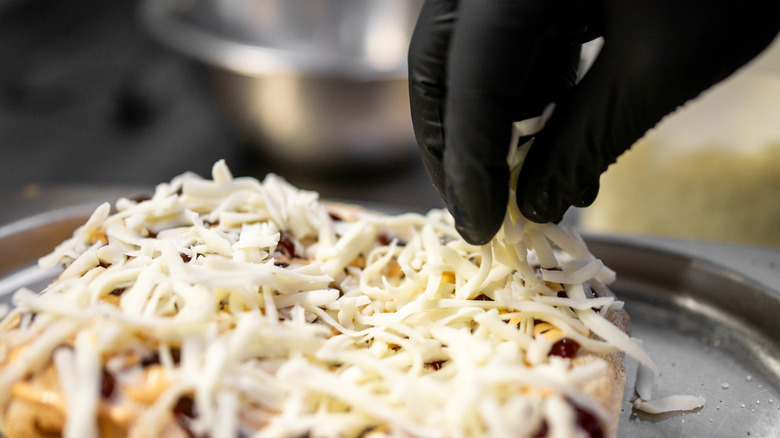
A recurring theme in consumer feedback is the scarcity of key ingredients. Customers frequently complain that their pizzas arrive with minimal cheese or sparse sauce coverage, resulting in a dry or overly doughy texture. In an era where food photography and transparency are paramount, customers are increasingly vocal about receiving a product that looks nothing like the advertisements. The suggestion to "order extra cheese" as a fix is often met with resistance, as customers feel they shouldn’t have to pay a surcharge to receive what they consider to be a standard, adequate portion.
5. The Crust Conundrum
The crust serves as the foundation of the pizza, and according to many critics, this is where the chain is currently failing. Complaints describe the texture as "cardboard-like," lacking the artisanal chew or crispness expected even from fast-food chains. Specific product lines, such as the deep-dish or the popular pretzel crust, have also seen a decline in positive sentiment, with many users claiming that recipe changes—often perceived as cost-cutting measures—have stripped these items of their former appeal.
6. The Overall "Quality Gap"
Ultimately, these specific grievances coalesce into a broader critique: the perception of low-quality ingredients. As the fast-casual pizza sector grows and offers higher-quality alternatives for only a slightly higher price, Little Caesars’ reliance on perceived "cheap" ingredients is becoming a liability. Many customers feel that the brand has failed to evolve alongside the modern palate.
Chronology of Change: From "Hot-N-Ready" to Modern Challenges
To understand the current state of Little Caesars, one must view it through the lens of historical shifts in the fast-food industry.
- The Golden Era (2000s–2010s): The "Hot-N-Ready" campaign revolutionized the industry. Little Caesars dominated the market by focusing on speed. During this period, the brand was largely immune to complaints about quality because the $5 price tag was seen as an unassailable value.
- The Inflationary Pivot (2020–2022): The COVID-19 pandemic and subsequent global supply chain disruptions forced the hand of most fast-food chains. Little Caesars was forced to abandon the $5 price point. This was the turning point where the brand’s identity—tied directly to that specific, low-cost figure—began to fray.
- The Digital Feedback Explosion (2023–Present): With the rise of platforms like Reddit’s r/LittleCaesars, customer complaints moved from private emails to public, searchable forums. This allowed for a "crowdsourcing" of dissatisfaction, where individual experiences were validated by thousands of other users, creating a snowball effect of negative perception.
Supporting Data and Consumer Sentiment
While internal corporate sales data remains private, the sentiment analysis from public forums is stark. A review of threads on platforms like Reddit and X (formerly Twitter) reveals a consistent pattern.
Comparative Analysis:
When comparing Little Caesars to competitors like Domino’s or Papa Johns, consumers often point to a "value-per-dollar" metric. While Domino’s has invested heavily in digital infrastructure and recipe overhauls (notably their 2010 "Pizza Turnaround" campaign), Little Caesars is often perceived as having stagnated. The data suggests that when a consumer is willing to spend $12–$15 on a pizza, they are increasingly choosing to move away from Little Caesars toward competitors who offer a perceived higher standard of ingredient quality.
Official Responses and Corporate Strategy
Little Caesars, as a private entity, rarely addresses specific customer complaints in the public sphere. However, their strategic moves suggest a pivot toward technology and product innovation to mitigate these issues.
The introduction of the "Pizza Portal" (a heated self-service locker) was a major effort to improve the customer experience by reducing wait times and ensuring the food is kept at optimal temperatures. By focusing on the "frictionless" pickup experience, the company hopes that the convenience factor will continue to outweigh the concerns regarding food quality. Furthermore, the company continues to introduce limited-time offerings (LTOs) like the "Crazy Puffs" to drive excitement and distract from the core menu’s perceived shortcomings.
Implications: The Future of the "Budget" Segment
The implications of these persistent complaints are significant. If Little Caesars continues to be viewed as a "low-quality" option that is no longer "cheap," it risks falling into a "no-man’s-land" of market positioning.
- Loss of Brand Loyalty: The younger generation of diners is less brand-loyal and more focused on quality-to-cost ratios. If the chain loses its reputation for value, it may struggle to attract the next generation of consumers.
- The Rise of Competitors: The fast-casual market (chains like Blaze Pizza or MOD Pizza) is eating into the mid-market segment. If Little Caesars cannot justify its price points, these competitors will continue to siphon off their customer base.
- Operational Reform: The most direct implication is the need for a quality audit. If the "grease" and "consistency" complaints are as widespread as the digital feedback suggests, the company may eventually be forced to re-evaluate its training protocols and supplier specifications.
Conclusion
Little Caesars remains a titan of the pizza industry, but it is currently navigating a period of intense public scrutiny. The brand’s transition from a $5 convenience juggernaut to a higher-priced competitor has exposed underlying issues with product consistency, ingredient quality, and the overall dining experience. While the chain continues to innovate in terms of service technology, the core of the issue remains the pizza itself. For Little Caesars to regain the trust of its most vocal critics, it must prove that its evolution is not just about price hikes, but about delivering a product that justifies its place on the modern American dinner table.
Until the chain addresses the fundamental disconnect between its current pricing and its historical reputation for quality, the chorus of complaints is likely to continue. The challenge for the company is clear: they must either reclaim the "value" title through superior execution or elevate their culinary standards to match their new, higher price points. Only then can they hope to silence the critics and re-establish their position as the undisputed king of convenience pizza.