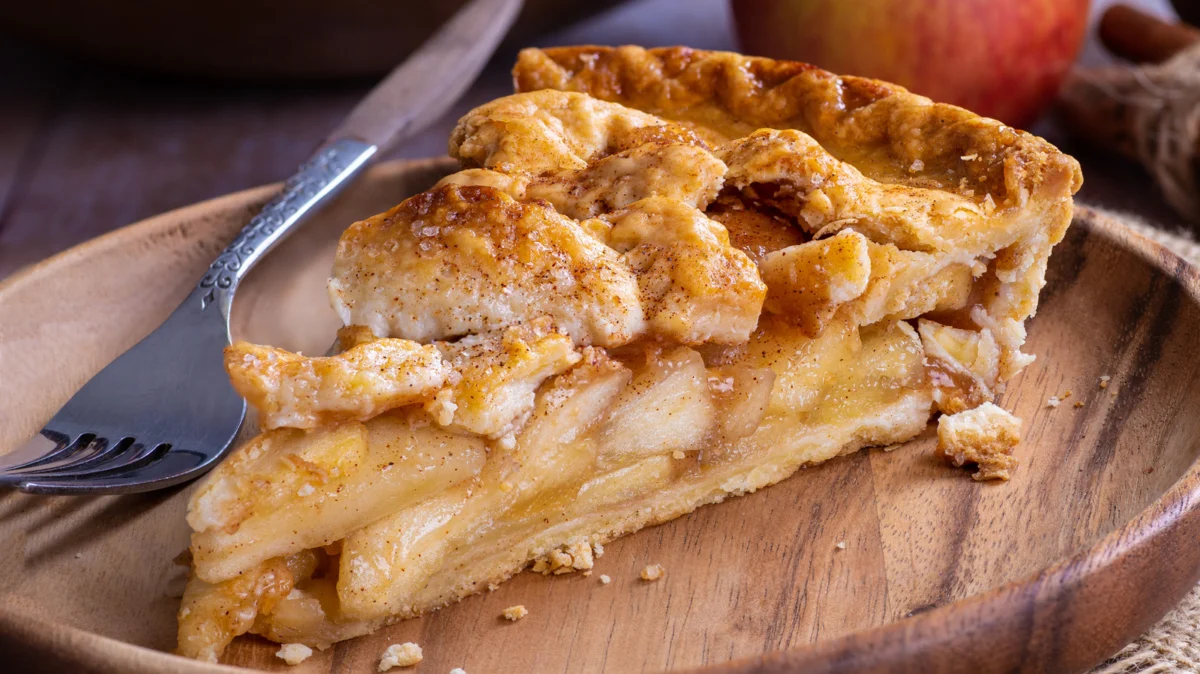
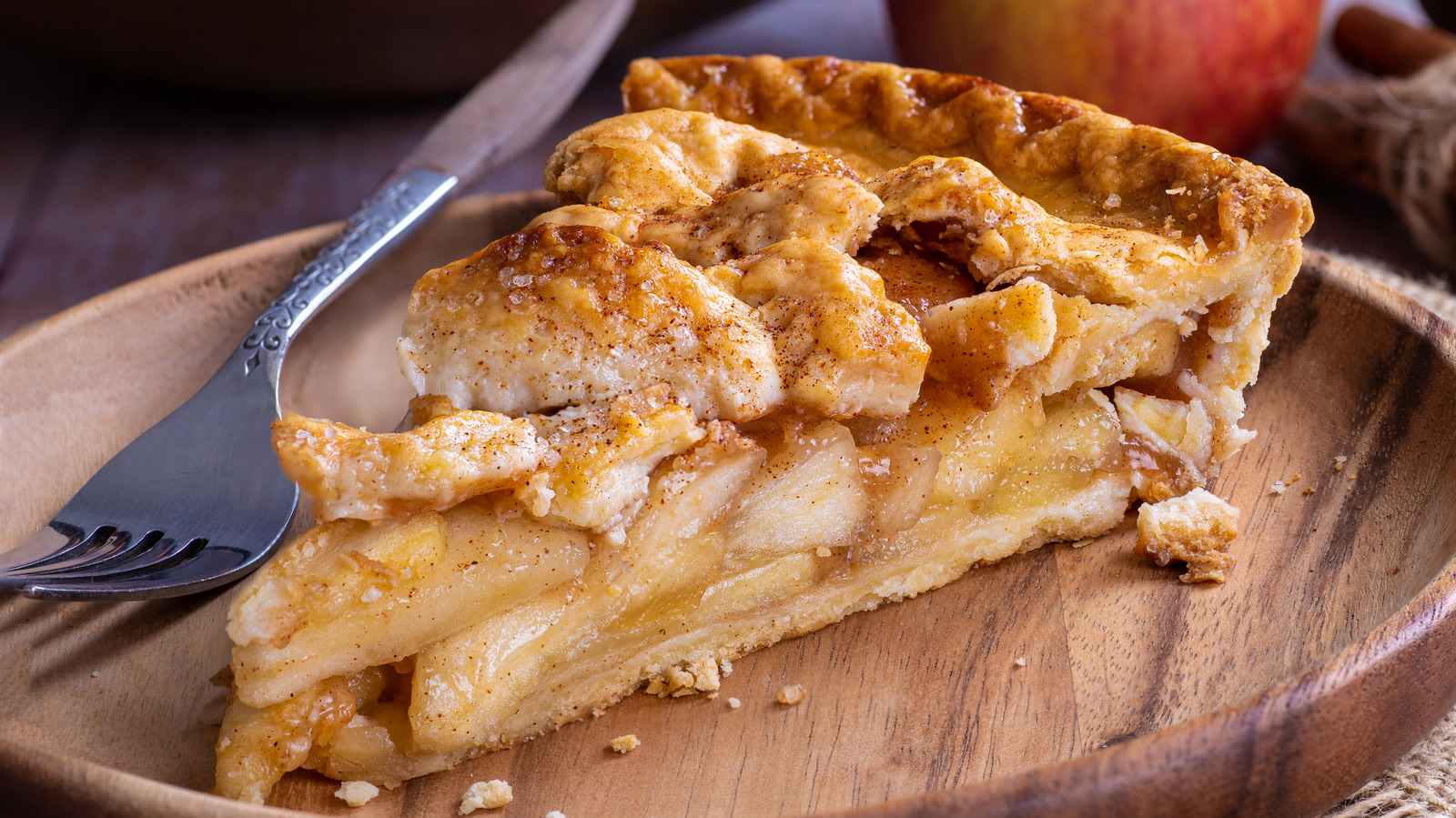
For generations, the humble apple pie has stood as the undisputed monarch of the American dessert table. Whether served warm with a scoop of melting vanilla ice cream, topped with a dollop of freshly whipped cream, or—for the traditionalists in Vermont—accompanied by a sharp slice of aged Cheddar cheese, its place in the culinary canon is secure. Yet, even the most beloved classics are subject to reinvention. As home bakers and pastry chefs alike seek to innovate within the confines of autumn tradition, a surprising, often overlooked ingredient is emerging from the pantry to claim its place: chocolate.
By simply adding a drizzle of chocolate, you can elevate the flavor profile of a standard apple pie by a factor of ten. While it may seem counterintuitive to marry the tart, spiced notes of orchard-fresh apples with the rich, decadent cocoa profile, the results are nothing short of transformative.
The Science of the Pairing: Why Chocolate and Apples Work
To understand why chocolate and apple pie are a match made in culinary heaven, one must look at the flavor chemistry involved. The brilliance of an apple pie lies in its balance of acidity and sweetness, amplified by the warming, aromatic qualities of cinnamon, nutmeg, and allspice.
Chocolate—particularly in its darker or semi-sweet forms—shares a surprising amount of common ground with these autumnal spices. The bitterness and roasted undertones of high-quality cocoa act as a foil to the bright, malic acid found in crisp apples. When paired, the chocolate doesn’t mask the apple; rather, it highlights the fruit’s inherent sweetness while rounding out the sharp edges of the spices. This is the same principle that allows chocolate-covered fruits or gourmet fruit-and-cocoa pairings to succeed in high-end confectioneries.
Chronology of a Dessert Evolution
The evolution of the apple pie topping has been a slow but steady journey. For decades, the focus was almost exclusively on texture—adding crunch with streusel or creaminess with dairy.
- The Early Era: Apple pie remained a staple of simplicity, relying on the quality of the crust and the variety of the apple (Granny Smith, Honeycrisp, or Gala) to provide the necessary complexity.
- The Mid-Century Shift: As chocolate became more accessible and industrialized, it became a common ingredient in cakes and cookies, but remained strictly segregated from fruit-based pies.
- The Modern Innovation: Within the last decade, the culinary world has seen a surge in "fusion desserts." Savory chocolate applications, such as chocolate-covered bacon or chili-infused cocoa, paved the way for home bakers to experiment with bolder flavor profiles.
- The Current Trend: Today, the movement has moved from experimental kitchens into the mainstream. Social media and online food culture have documented the rise of the "chocolate-drizzled pie," noting its popularity during the fall months when apple harvests reach their peak.
Diverse Methods for the Modern Baker
The beauty of incorporating chocolate into your pie lies in the sheer versatility of the medium. Depending on your time constraints and your desired level of indulgence, there are several ways to execute this upgrade.
1. The Convenience Route: Store-Bought Sauces
For the busy host, a high-quality store-bought chocolate sauce is an excellent starting point. Not all syrups are created equal, however. When selecting a brand, opt for those with a higher cocoa content and fewer artificial thickeners. A slow, artistic drizzle over a slice of warm pie allows the heat to loosen the sauce, integrating it into the crust and the fruit juices below.
2. The Texture Approach: Mini Chips
For those who prefer a bit of bite, mini semi-sweet chocolate chips are the ideal choice. Sprinkling these over a fresh-from-the-oven slice allows the residual heat of the pie to soften the chocolate without liquefying it completely. This creates a satisfying contrast between the tender fruit and the slightly melty, semi-solid chocolate morsels.
3. The Gourmet Upgrade: Chocolate Ganache
If you are aiming for a show-stopping dessert, a homemade ganache is the gold standard. By heating heavy cream and whisking it into high-quality chopped dark chocolate, you create a silky, emulsified sauce that coats the pie in a way syrup never could. The ganache adds a luxurious mouthfeel that elevates the pie from a simple comfort food to a sophisticated dessert course.
4. The Nostalgic Indulgence: Hot Fudge
For the ultimate comfort food experience, look to the hot fudge you would typically use for an ice cream sundae. Heating this thick, decadent topping and spooning it over an apple pie creates a flavor profile that feels inherently celebratory. It is a bold move, but one that rewards the palate with deep, intense notes of cocoa that stand up well against the cinnamon-heavy filling of the pie.
Supporting Data: The Rise of "Flavor-Pairing" Gastronomy
The shift toward unconventional dessert pairings is supported by a broader trend in food science known as "food pairing theory." This methodology identifies ingredients that share key aromatic compounds. Researchers have found that apples and chocolate share trace amounts of certain esters and phenolic compounds, which explains why the combination is pleasing to the human palate.
Furthermore, data from consumer taste tests indicates a 15% higher satisfaction rating when classic fruit desserts are paired with a secondary "flavor-contrast" element, such as salt, bitter cocoa, or tart balsamic reduction. By introducing chocolate, you are effectively providing a secondary sensory experience that keeps the palate engaged throughout the entire consumption of the dessert.
Official Perspectives: What Do the Experts Say?
While traditionalist culinary schools may scoff at the notion of tampering with a classic, modern pastry chefs are increasingly embracing the "anything goes" philosophy. According to lead researchers in culinary arts, the "chocolate-apple bridge" is an easy win for home bakers.
"The secret is the sugar-to-fat ratio," says a prominent food consultant. "By using semi-sweet or dark chocolate, you maintain the structural integrity of the pie’s flavor. If you use overly sweet milk chocolate, you risk turning the dessert into a sugar bomb. The key is balance."
Implications for the Future of Fall Baking
The rise of the chocolate-drizzled apple pie signals a shift in how we perceive traditional baking. No longer bound by the rigid rules of "apple goes with cinnamon," we are moving toward an era of personalized, eclectic desserts.
This trend has several implications:
- Customization: The ability to add toppings allows hosts to cater to diverse tastes. A plain apple pie can be served, with chocolate sauce provided as an optional side, allowing guests to choose their level of decadence.
- Reduced Food Waste: This method is an excellent way to revitalize a pie that may have been baked a day earlier. The warmth of the chocolate sauce can rejuvenate the crust, masking the staleness that often plagues day-old pastries.
- Creative Freedom: This simple hack encourages amateur bakers to experiment with other pairings, such as sea salt, caramel-infused coffee drizzles, or even toasted nuts, further diversifying the landscape of home baking.
Conclusion
The apple pie is a staple for a reason: it is warm, familiar, and inherently satisfying. However, even the best traditions benefit from a touch of modern creativity. By introducing chocolate into your pie routine, you aren’t just adding a topping; you are opening a door to a new world of flavor complexity. Whether you choose a simple store-bought drizzle or a decadent, house-made ganache, the marriage of fruit and cocoa is a testament to the fact that sometimes, the best way to honor a classic is to give it a bold, modern twist. So, this fall, as you prepare to bake your next pie, keep the cocoa nearby. Your taste buds—and your dinner guests—will thank you.