In the modern real estate landscape, the traditional Sunday open house is increasingly being supplemented—and sometimes entirely replaced—by a digital proxy. A recent survey from Redfin reveals a striking shift in consumer behavior: nearly two-thirds of contemporary homebuyers have placed an offer on a property they have never stepped foot in. This rise in "sight-unseen" purchasing is not merely a byproduct of convenience; it is a fundamental transformation in how we define "due diligence" in the digital age.
As prospective buyers in cities ranging from Denver to Nashville adopt these high-tech tools, the virtual tour has transitioned from a niche marketing gimmick to a standardized necessity. However, while these 360-degree walkthroughs offer unprecedented access, they also create a new set of risks. Understanding the boundary between what a camera can capture and what remains hidden is now a critical skill for the modern investor.
The Evolution of the Digital Walkthrough
The chronology of home shopping has shifted dramatically over the last decade. Historically, the process was linear: search through static photos, drive to a location, and physically inspect the property. Today, that process is circular and iterative.
The early 2010s saw the introduction of simple slideshows and basic video clips. By the mid-2010s, panoramic "stitching" allowed for a more immersive feel. The current era, however, is defined by high-fidelity, interactive 3D scans. This evolution was accelerated by the global pandemic, which forced a rapid adoption of remote-viewing technology. What began as a safety measure has solidified into a preferred workflow. Buyers now use these tools to filter out dozens of unsuitable properties before ever contacting an agent, reserving their time and resources for only the most promising candidates.
Supporting Data: The Efficiency of the Remote Search
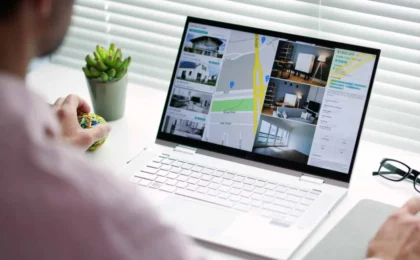
The data underscores the efficiency of this model. By leveraging virtual tours, buyers significantly narrow their search parameters. According to industry experts, virtual tours provide a level of spatial awareness that static images simply cannot match. While a photograph captures a "moment," a 3D tour provides a "map."
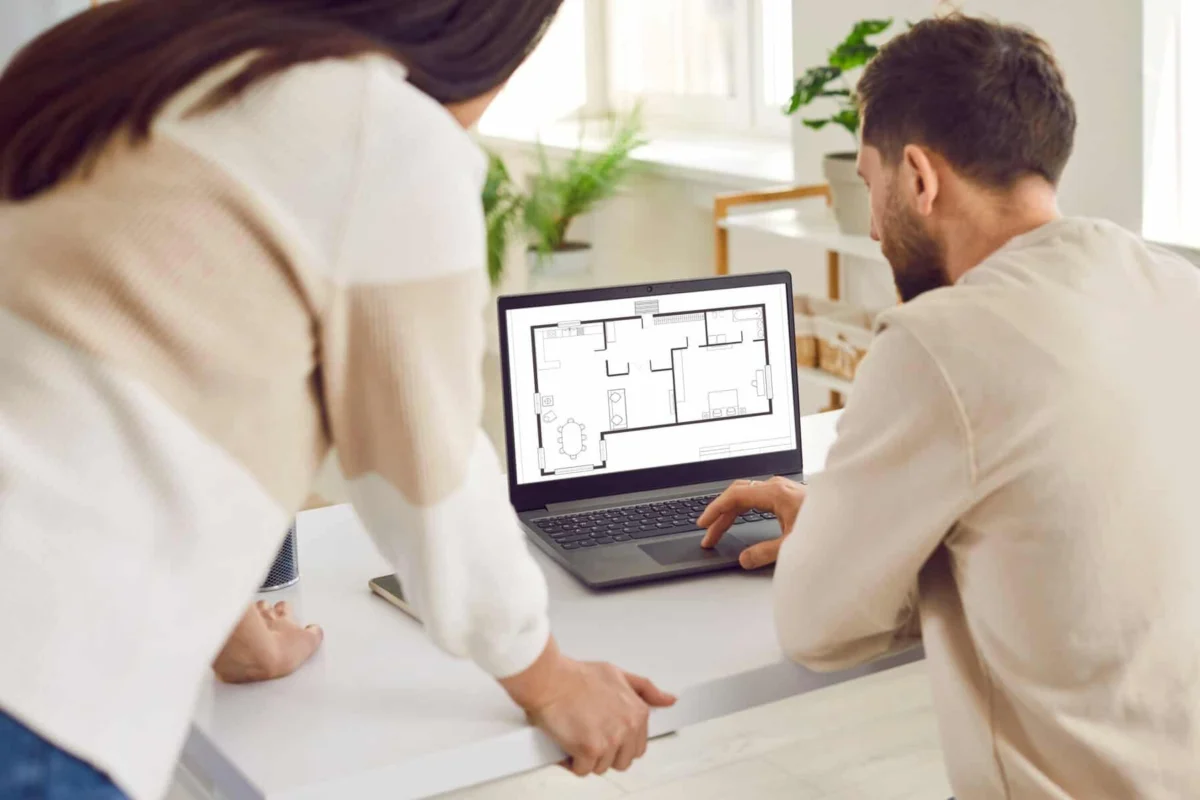
John Ruz, founder of JRP & Inspired Architectural Photo + Video, notes that the primary advantage is the conveyance of "layout, flow, and scale." For a buyer attempting to understand how a bedroom connects to a master bath, or whether an open-concept kitchen truly facilitates movement, a 3D tour is the next best thing to being there.
Willie Brennan of Connects360, a firm that has published over 500 virtual tours, emphasizes the user experience: "A well-built 360-degree tour with menu navigation and hotspots allows buyers to understand the home on their own terms. They aren’t guessing from a gallery; they are navigating the physical space digitally."
Official Perspectives: The Experts Weigh In
Industry leaders view the rise of virtual tours as a double-edged sword. While it creates a more efficient "shortlist" process, it risks desensitizing buyers to the physical realities of homeownership.
Jeremy Cartlidge, owner of PathFront Media, suggests that these tools are best used for "exploring things that can be seen." He argues that virtual tours are exceptional for determining furniture placement and spatial volume. However, he warns that relying on these tools to judge the "vibe" of a property is a mistake.
This sentiment is echoed by Jay Hanna, founder of Jeeves Drones, who notes that the most savvy buyers use these tours to orient themselves before an in-person visit. "By viewing virtual tours prior to booking an in-person showing, home buyers can easily evaluate layout and room connectivity," says Omer Sanli, founder of Gator Gaze Media. "This allows them to arrive at the actual showing with sharp, technical questions rather than just trying to get their bearings."

Tom Sparks, editor of the We Get Around Network, points out that the primary beneficiary of this technology is actually the seller. "Virtual tours act as a 24/7 gatekeeper," Sparks explains. "They filter out casual lookers, ensuring that when a seller hosts an in-person tour, they are dealing with a serious, qualified prospect who has already vetted the property’s layout."
The "Blind Spot" Problem: What Virtual Tours Miss
Despite the technological advancements, the "sight-unseen" approach carries inherent risks. A virtual tour is a static, curated experience. It is a "highlight reel," and like all highlight reels, it is designed to show the subject in its best light.
1. The Manipulation of Light and Space
Lighting is arguably the most important element of a home’s atmosphere, yet it is the most difficult to capture. Tours are often shot at the optimal time of day to maximize brightness. A wide-angle lens, while necessary to capture the breadth of a room, can inadvertently flatten architectural depth, making a room appear more spacious than it is in reality.
2. The Sensory Void
A property is more than its dimensions. It is the hum of a busy street at rush hour, the smell of a nearby industrial zone, or the lack of natural light in a basement. As Cartlidge points out, "They don’t share the sounds of the birds, the busy street nearby, or the way the sun hits a room at 4 p.m. in the winter." These sensory details—the "soul" of a home—remain strictly in the domain of the in-person visit.
3. The Illusion of Perfection
Virtual tours often obscure the "human" imperfections of a house. Hairline cracks in the drywall, soft spots in the flooring, or the musty scent of a damp crawlspace are invisible to a 3D scanner. Furthermore, if a tour is poorly constructed—with "blind" spots in closets or garages—it may suggest a lack of transparency. As Sparks warns, "If a space is hidden or not scanned, do not assume it is in good condition. Assume it is a mystery."
Implications: The Shift Toward Real-Time Interactivity
Because of these limitations, the market is pivoting toward a more sophisticated model: the "Live Virtual Tour." Stefan Hesse, CEO of Avatour, argues that the future is not in the pre-recorded, static 3D scan, but in the interactive, real-time walkthrough.
In this model, a buyer connects with an agent who is physically on-site. The buyer directs the agent in real-time: "Open that closet," "Walk toward the window," or "What does that crack in the ceiling look like close up?" Redfin has observed a surge in demand for these services, with requests for live video tours climbing from less than 1% to nearly 10% of all inquiries in recent years. This suggests that while buyers love the convenience of the digital search, they are increasingly unwilling to sacrifice the ability to probe and investigate in real-time.
Strategic Recommendations for the Modern Buyer
If you are considering purchasing a home sight-unseen, treat the technology as a screening tool, not a diagnostic one. Follow these principles to protect your investment:
- The Three-Tiered Approach: Use 3D tours to create a shortlist of 5–10 homes. Use live, real-time video walkthroughs to narrow that list to your top two. Use an in-person visit (or a trusted representative) to verify the final choice.
- Ask for the "Blind Spots": If you see a tour, specifically request photos or a video clip of the areas not included, such as the back of the garage, the interior of the HVAC closet, or the property line.
- Inquire About Sunlight Simulation: Ask your agent if the listing platform includes sun-path simulation. This tool can model exactly how light enters the home throughout the four seasons, providing a more accurate feel for the home’s interior brightness.
- Prioritize the Professional Inspection: No matter how high-definition a 3D scan may be, it cannot replace a licensed home inspector. The inspection remains the single most important hurdle before the closing of a deal.
Conclusion: The Future of Real Estate
The surge in remote homebuying is a testament to how technology has democratized access to the real estate market. It has empowered buyers to explore homes across the country, saving them time and money on travel. Yet, the physical nature of a home—its smell, its sound, its structural integrity, and its interaction with the neighborhood—cannot be digitized.
As we look toward the future, the most successful homebuyers will be those who balance digital efficiency with old-fashioned skepticism. Use the virtual tour to fall in love with the layout, but rely on the live tour and the home inspection to ensure the home is as solid as it appears on the screen. The digital threshold is a powerful tool, but when it comes to the biggest investment of your life, the final step should always be the one you take with your own two feet.