For horror enthusiasts and fans of television history, the name Dark Shadows often evokes two distinct reactions: either an immediate, nostalgic reverence for the pioneering 1960s daytime soap opera that brought vampires into the American living room, or a vague recognition of Tim Burton’s 2012 big-budget cinematic experiment. Yet, nestled between these two poles lies a fascinating, criminally overlooked gem: the 1991 Dark Shadows: The Revival.
Produced by the original series creator, Dan Curtis, this 12-episode reimagining serves as a masterclass in distilled Gothic storytelling. While it was unceremoniously cut short by the shifting political tides of the early 90s, the series remains arguably the most accessible and sophisticated way to experience the Collins family legacy. Now, thanks to its availability on YouTube, a new generation of viewers can witness this atmospheric masterpiece in its entirety.
The Premise: A Gothic Tapestry Unfolds
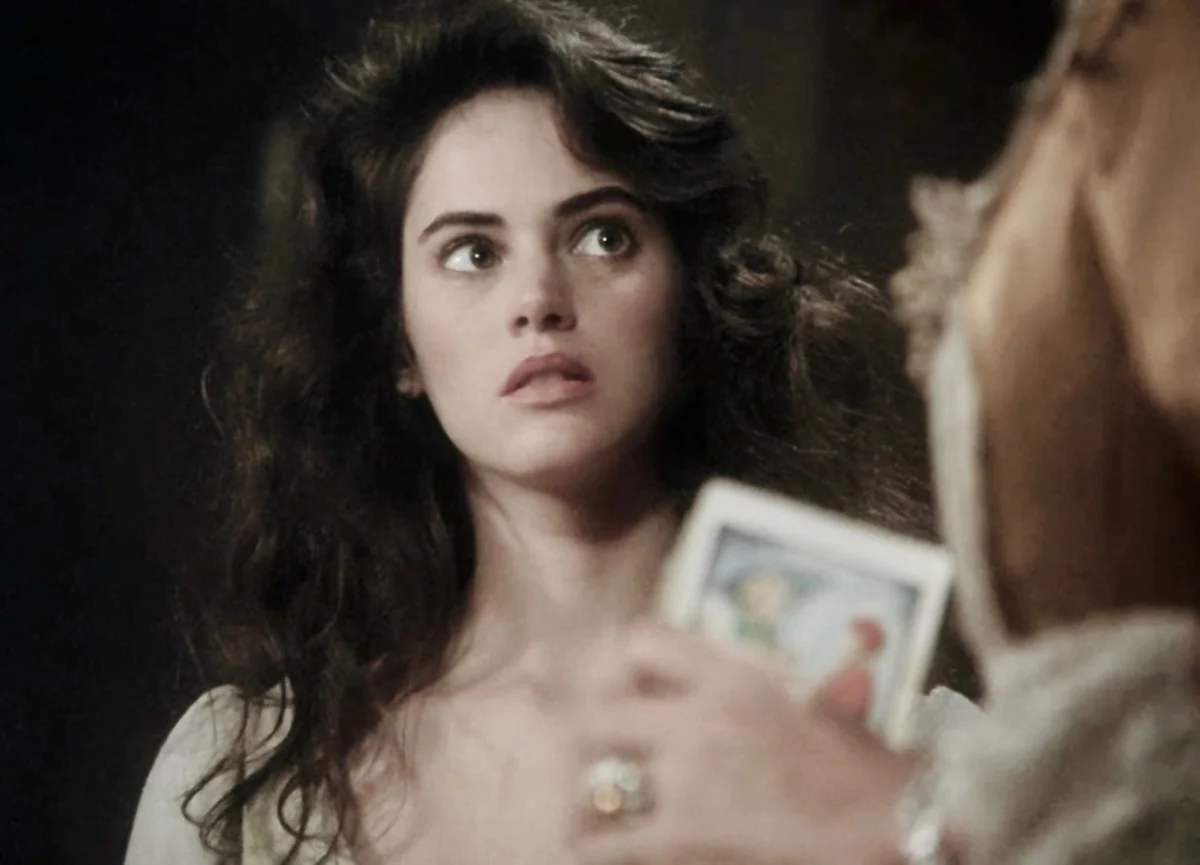
The narrative hook of Dark Shadows is deceptively simple, echoing the structural DNA of classic literature like Charlotte Brontë’s Jane Eyre or Henry James’ The Turn of the Screw. We are introduced to Victoria Winters (played with poise and underlying vulnerability by Joanna Going), a young woman setting off on a journey into the unknown.

Victoria boards a train destined for Collinsport, Maine, a brooding, fog-drenched coastal town. She has been hired as a governess to care for a young boy, David Collins, at the ancestral manor known as Collinwood. As the narrative progresses, the setting becomes a character in itself—a crumbling dynasty built on secrets, generational trauma, and, most importantly, the supernatural. When the manor’s groundskeeper accidentally awakens a malevolent force buried within the family crypt, the atmosphere shifts from a tense character drama to a high-stakes supernatural horror.
Chronology and Evolution: From Daytime Soap to Primetime Melodrama
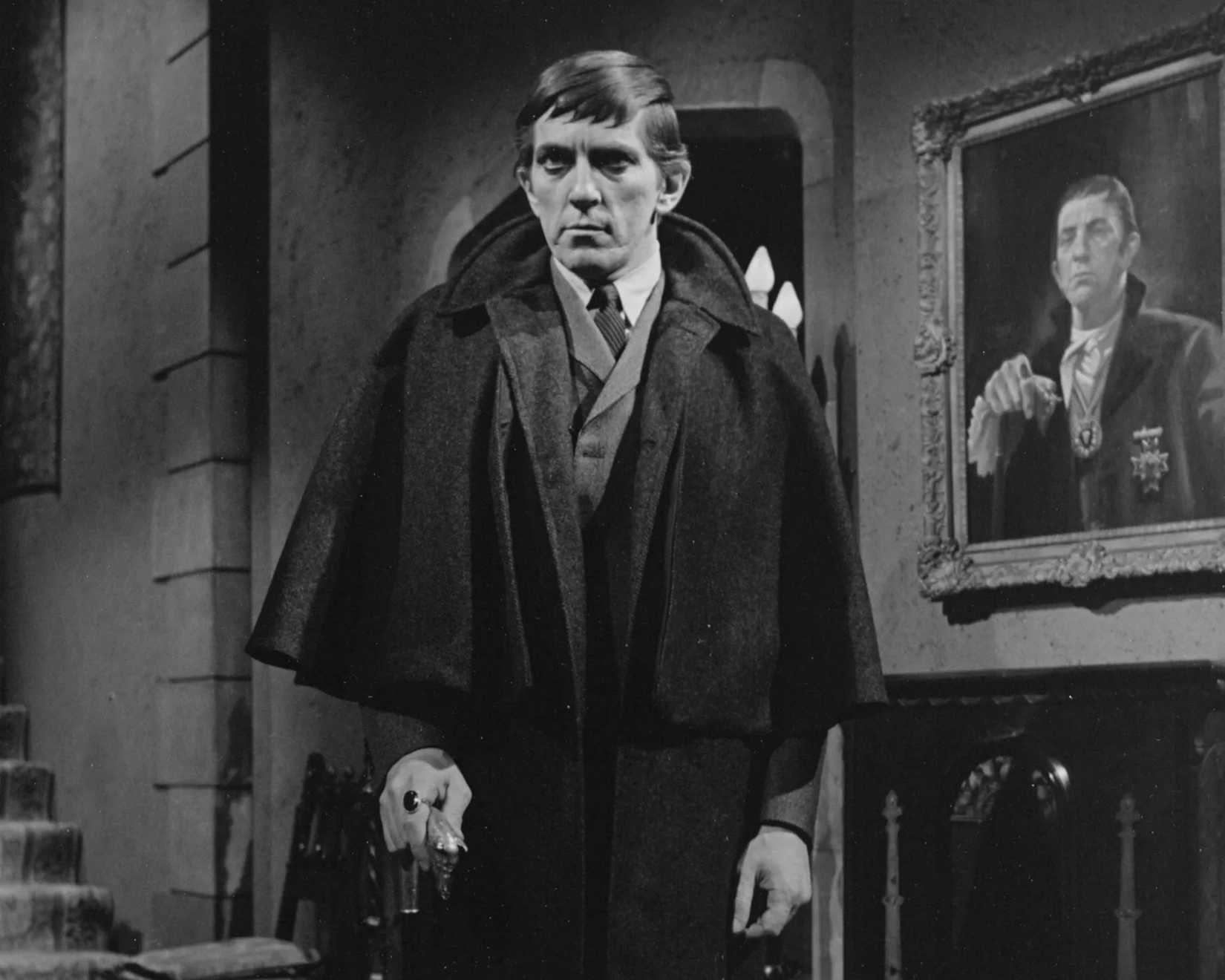
To understand the significance of the 1991 revival, one must look at the constraints of the original 1966-1971 series. The original Dark Shadows was an anomaly in television history, pushing the boundaries of what was acceptable for daytime broadcast. However, as a daily soap opera, it was burdened by the necessity of "filler." It took nearly a year for the character of Barnabas Collins to even appear, a decision made only when the show faced the threat of cancellation.
The 1991 revival, however, was designed for a prime-time audience. Dan Curtis, having learned the lessons of the original, stripped away the bloated subplots and redundant pacing. In this version, the tension is immediate; Barnabas (portrayed by Ben Cross) is introduced not as an afterthought, but as the central, predatory catalyst.

A Timeline of the Revival
- January 1991: Dark Shadows: The Revival premieres on NBC with significant fanfare, positioning itself as a prestige horror-drama.
- February 1991: The series begins to hit its narrative stride, compressing iconic storylines—such as the 1790s time-travel arc—into a fraction of the time required by the original series.
- March 1991: The Gulf War dominates news cycles. The constant interruptions to the broadcast schedule wreak havoc on the show’s momentum and ratings.
- April 1991: NBC cancels the series. Despite the outcry from a loyal core of viewers, the show concludes with a final episode that, while ending on a cliffhanger, provides enough closure to satisfy the primary character arcs.
Supporting Data: The Cast and The Craft
The 1991 production is arguably more "star-studded" than its predecessor, benefiting from a cast that brought gravitas to the material. Ben Cross, fresh off the success of the Academy Award-winning Chariots of Fire, delivered a Barnabas Collins that was simultaneously romantic and terrifying—a nuanced performance that arguably surpasses the campier portrayals seen in other iterations.
The supporting cast is equally formidable:
- Barbara Steele: A legendary figure in the horror genre (known for Black Sunday and Castle of Blood), Steele played the role of Dr. Julia Hoffman with a sharp, calculated brilliance. Her portrayal of a woman driven by a mix of scientific curiosity and unrequited love for the vampire remains one of the show’s highlights.
- Jean Simmons: A titan of classical Hollywood (Spartacus, Guys and Dolls), Simmons brought a regal, iron-willed presence to Elizabeth Collins Stoddard, the matriarch holding the crumbling house together.
- Joseph Gordon-Levitt: Years before he became a Hollywood leading man, a young Gordon-Levitt delivered a hauntingly effective performance as the troubled David Collins.
Official Responses and Creative Vision
In interviews conducted around the time of the premiere, Dan Curtis was vocal about his desire to move beyond the limitations of the original scripts. As he stated to The New York Times in 1991, "I thought I could rely on those old scripts, but I found that they were full of crazy plots that we couldn’t use. So all the incidents are different; we arrive at similar points through a much different route."
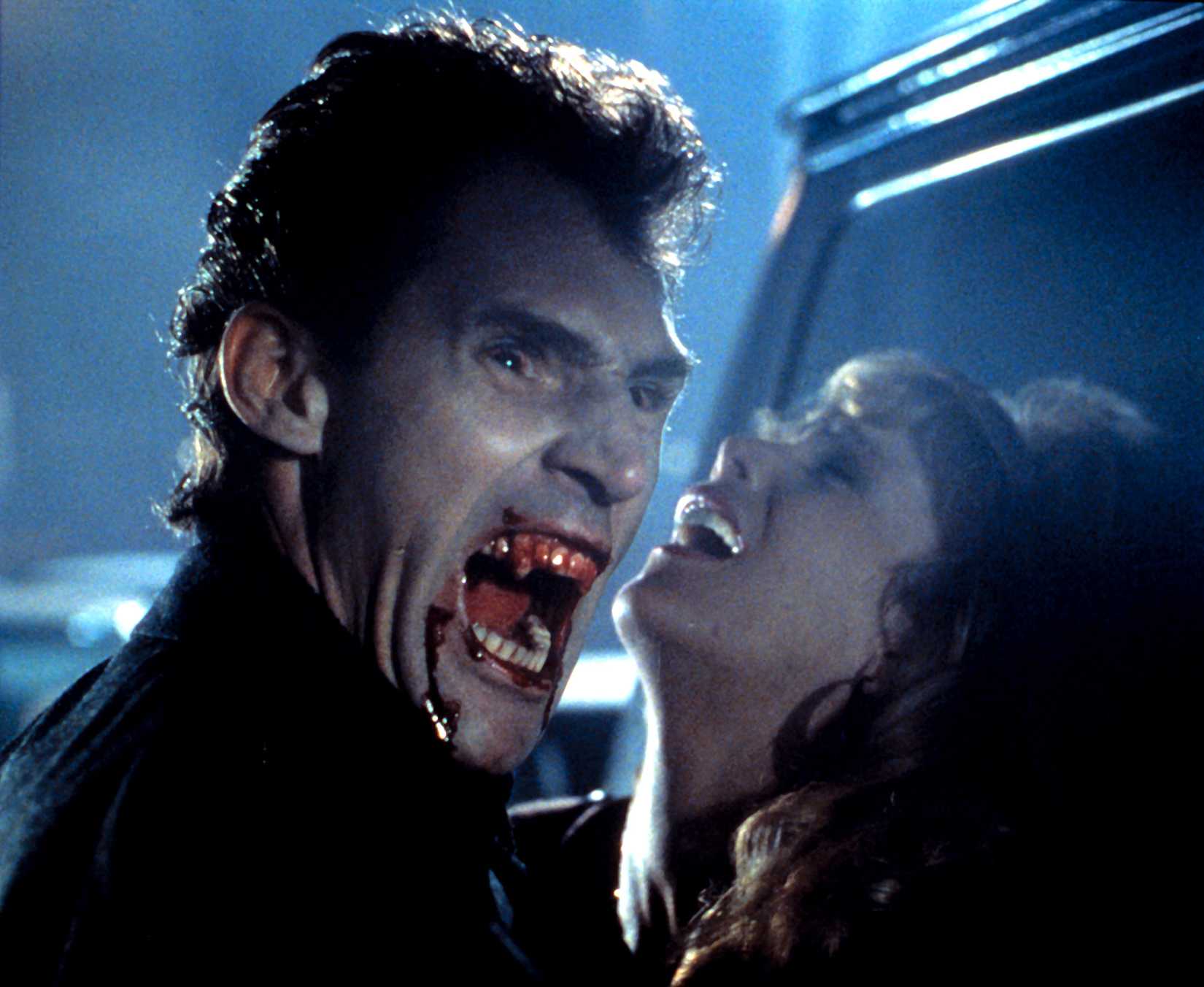
This philosophy is evident in every frame of the revival. By streamlining the narrative, Curtis allowed the show to lean heavily into its Gothic roots. The witchcraft, the blood-soaked history, and the intricate time-travel sequences were no longer stretched over months of airtime; they were presented with the urgency of a feature film, allowing the emotional weight of the Collins family curse to land with greater impact.
The Sociopolitical Context and Sudden Cancellation
The premature end of the 1991 series serves as a case study in the vulnerability of television in the pre-streaming era. The Gulf War coverage effectively acted as a "death by a thousand cuts" for the show. Because the series relied on serialized, complex storytelling, the frequent pre-emptions by news bulletins made it difficult for casual viewers to keep up.
In the 1990s, if you missed an episode, you missed the plot. There were no DVRs, no VOD platforms, and no streaming catch-up services. This resulted in a steady decline in ratings that did not reflect the quality of the show, but rather the fragility of the broadcast model during national crises. It is a profound irony that the very thing that hindered the show’s success—its dense, serialized narrative—is the exact quality that makes it a "perfect binge" for modern audiences today.
Implications: Why It Matters Today
The legacy of Dark Shadows: The Revival is one of missed potential and ultimate vindication. By stripping away the "soap opera filler," Curtis proved that the Dark Shadows premise was, and is, a foundational pillar of modern gothic television. It paved the way for series like The Haunting of Hill House or Midnight Mass, which similarly utilize the supernatural to explore deep-seated familial and personal traumas.
For the viewer today, the 1991 series offers a unique window into the evolution of horror television. It bridges the gap between the theatrical, stage-bound acting of the 60s and the cinematic, character-driven prestige television of the 2020s.
How to Watch
The availability of the full series on YouTube is a gift to genre fans. It allows the viewer to experience the arc of Victoria Winters—the ultimate Gothic heroine—without the daunting prospect of watching hundreds of hours of daily soap episodes. Victoria’s transformation from a wide-eyed, naive governess to the only person capable of navigating the treacherous, dark waters of the Collins estate is a compelling arc that feels complete, despite the show’s sudden exit.
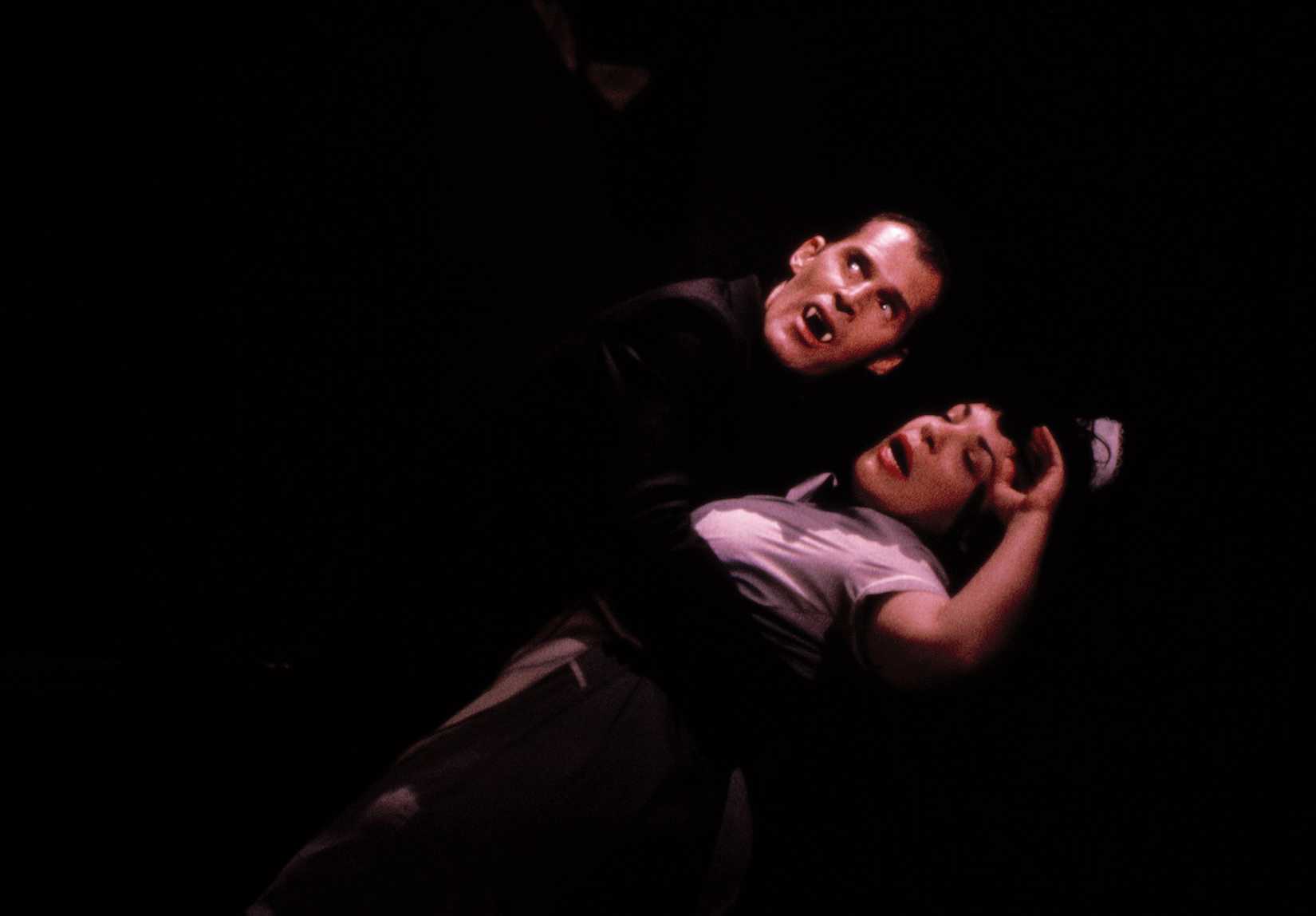
In conclusion, Dark Shadows: The Revival is a masterclass in how to adapt classic, sprawling lore into a concise, atmospheric, and highly watchable format. Whether you are a devotee of the original series, a fan of Gothic literature, or simply looking for your next atmospheric thriller, this 1991 series remains an essential, haunting experience that stands the test of time.