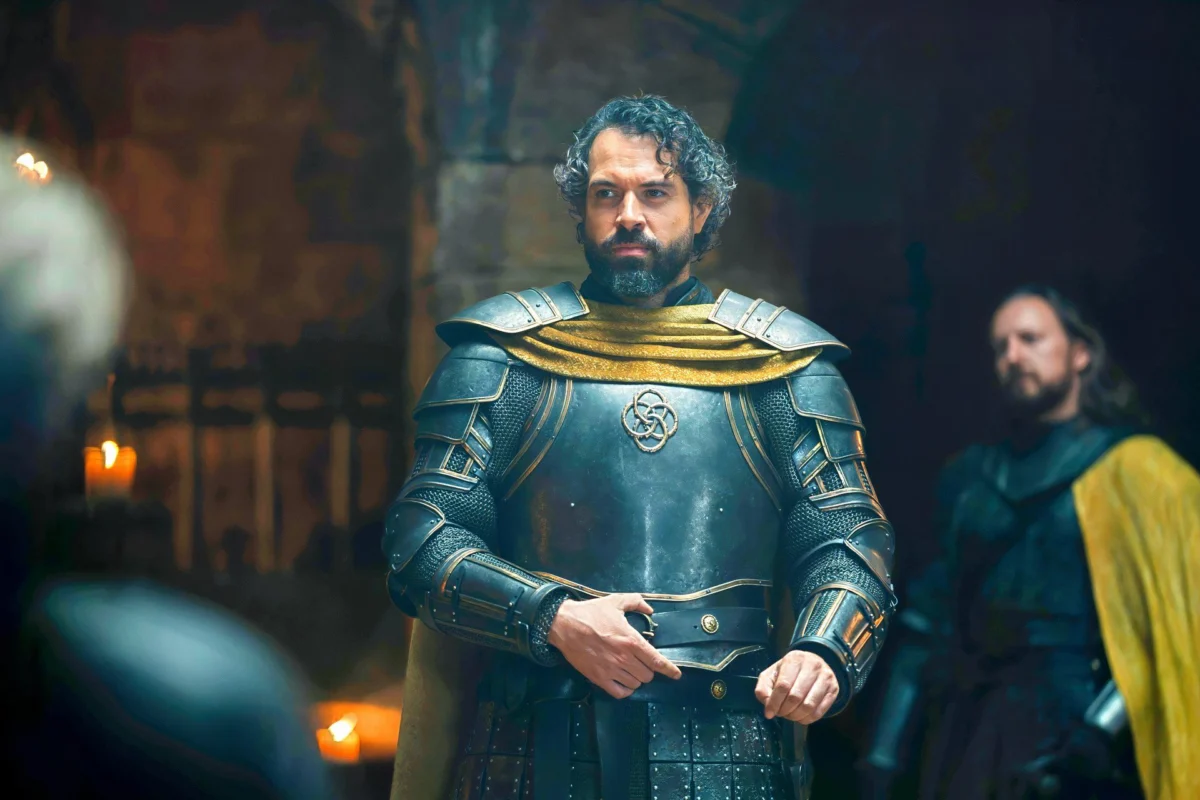
In the volatile landscape of Westeros, where dragons typically dictate the flow of history through fire and blood, a quiet, visceral terror is currently gripping the capital. As the third season of HBO’s House of the Dragon reaches its mid-point, Queen Rhaenyra Targaryen’s hold on King’s Landing is being eroded not by the expected aerial onslaught of rival dragons, but by a chilling, clandestine insurgency targeting her primary enforcers: the City Watch, colloquially known as the Gold Cloaks.
The recent string of brutal murders has transformed the narrow, labyrinthine alleys of Flea Bottom into a graveyard for the Queen’s men. This development marks a significant shift in the tactics of the ongoing civil war, moving the conflict from the open fields of the Riverlands to the claustrophobic, politically charged streets of the capital.
The Anatomy of an Insurgency: Main Facts
The crisis began with the discovery of two Gold Cloaks found slaughtered in the streets, their bodies mutilated in a ritualistic, visceral fashion. Their throats and bowels had been slit, a signature mark of a killer—or killers—aiming to send a message rather than merely eliminate a threat.
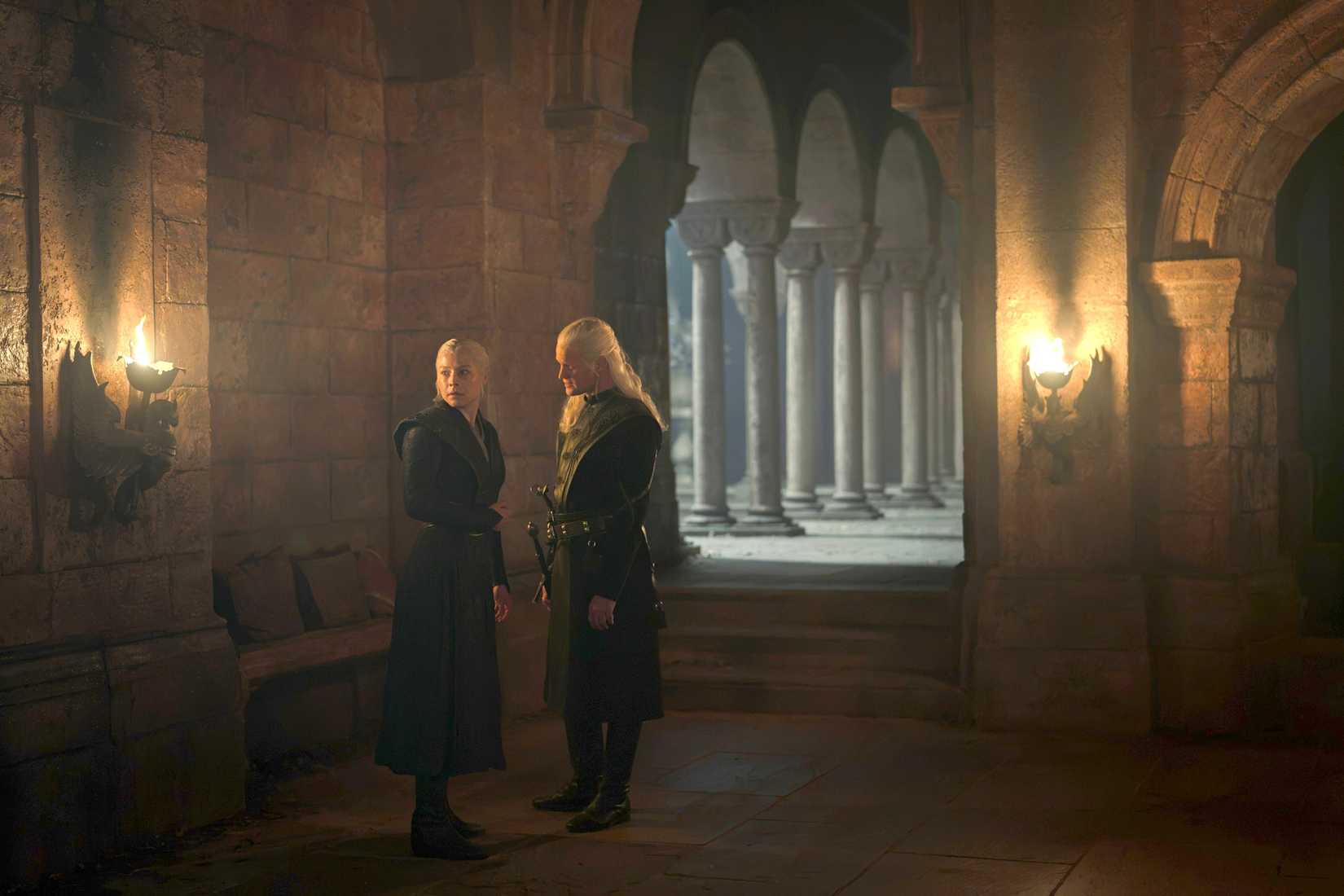
Daemon Targaryen, the Rogue Prince and the man who arguably holds the strongest emotional connection to the City Watch, was the first to sound the alarm in the small council chamber. His frustration was palpable as he sparred with his niece, Queen Rhaenyra. While Rhaenyra remains fixated on the strategic threat posed by her half-brother Aemond and his formidable dragon, Vhagar, Daemon has become increasingly preoccupied with the internal rot threatening the city’s stability.
The scope of the violence quickly escalated. What began as an isolated incident involving two guards rapidly morphed into a systematic purge. By the end of the latest episode, the death toll reached a gruesome crescendo, with nine members of the City Watch—including their commander, Ser Luthor Largent—found dead, staged in a macabre display at their own headquarters, with the chilling message "A feast for traitors" scrawled in blood across the wall.
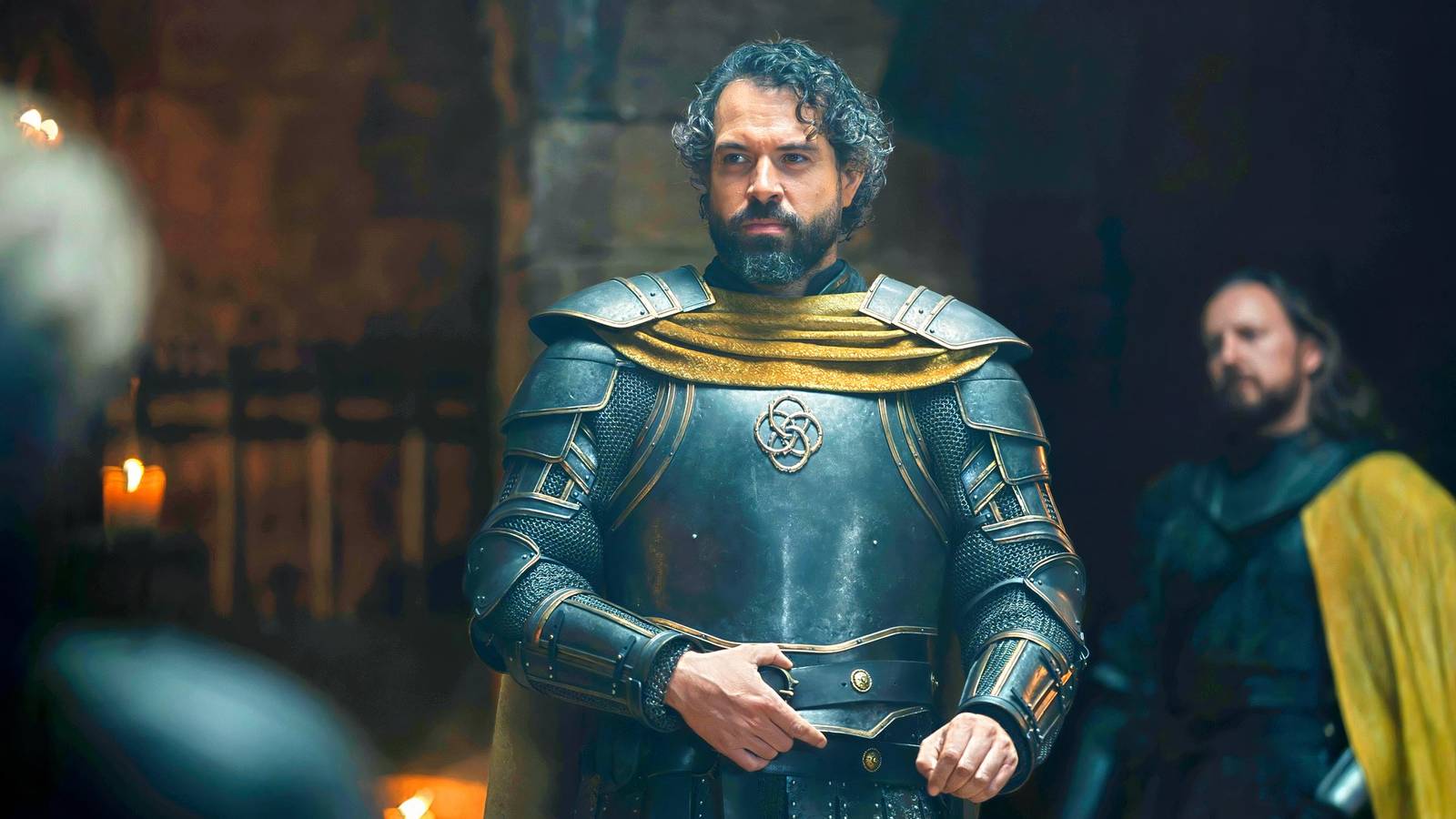
A Chronology of the Escalation
To understand the gravity of this threat, one must look at the timeline of the escalation:
- The Initial Discovery: Daemon reports the first two deaths to the council. Ser Torrhen Manderly dismisses Flea Bottom as a lawless "realm unto itself," highlighting the dangerous disconnect between the Crown and the populace.
- The Patrol: Daemon and Ser Luthor Largent take to the streets to investigate. Their patrol is interrupted by further violence, confirming that the killers are operating in broad daylight with impunity.
- The Shadowy Coordination: Observers witness a young girl, acting as a courier, delivering intelligence to a group of men who then dispatch a raven. This indicates a sophisticated, highly organized network operating beneath the nose of the Targaryen administration.
- The Message from Afar: The intercepted correspondence reaches Ormund Hightower, who is revealed to be the architect of this subversion.
- The Confession: Under brutal interrogation by Daemon and Ser Luthor, a captured dissident reveals he was paid with a gold coin stamped with the image of Daeron Targaryen, confirming that the insurgency is operating in the name of the Hightower-backed claimant.
- The Massacre: The episode concludes with the discovery of the nine guards, a tactical strike that decapitates the leadership of the City Watch and signals an open rebellion within the city walls.
Strategic Implications: The Hightower Doctrine
The mastermind behind this campaign, Ormund Hightower, is utilizing a playbook that diverges sharply from traditional Westerosi warfare. In a pivotal conversation with his ward, Daeron Targaryen, Ormund evokes the historical figure of Meria Martell. He praises her use of "underhanded" guerrilla tactics—poisoning wells, striking at night, and exhausting an invading force through attrition rather than direct confrontation.
This "Hightower Doctrine" is a tacit admission that the Greens realize they cannot defeat Rhaenyra’s dragons in a head-to-head battle. By undermining the Queen’s authority in the capital, Ormund is effectively forcing her to fight a war on two fronts: one against the external threat of Aemond and the other against a silent, internal uprising.
Furthermore, there is a strong religious undertone to this movement. The Hightowers have long been the primary champions of the Faith of the Seven. By framing the Gold Cloaks—who serve a "bastard" queen—as corrupt oppressors, the insurgents are likely tapping into the genuine religious fervor of the smallfolk. The killings are not just tactical; they are being presented as a pious cleansing of the capital.
Official Responses and Internal Discord
The response from the Black Council has been fractured. Rhaenyra, burdened by the immense pressure of the war, views the deaths as a distraction from the larger, more existential threat posed by Vhagar. Her inability to prioritize the internal security of King’s Landing has created a power vacuum that the insurgents have expertly exploited.

Daemon’s perspective, conversely, is deeply personal. Having founded the modern iteration of the City Watch, he views the slaughter of his men as a direct challenge to his authority and a betrayal of the city he helped shape. His insistence on dealing with the threat locally, despite the strategic necessity of the war effort, highlights the growing friction between his desire for control in the capital and the Queen’s broader military objectives.
The death of Ser Luthor Largent is particularly devastating. As commander, he provided a buffer between the volatility of the streets and the ivory towers of the Red Keep. With his death, the remaining Gold Cloaks are likely leaderless, demoralized, and susceptible to further infiltration.
The Sociopolitical Climate: A City at the Boiling Point
The "Queen of Bastards" graffiti appearing on the walls of the city was the first warning sign of a populace turning against the Crown. The Gold Cloaks’ heavy-handed response to this vandalism only served to alienate the smallfolk further.
The insurgency is not merely a collection of mercenaries; it is a manifestation of widespread dissatisfaction. When the Master of Coin refers to the citizens of Flea Bottom as "undesirables," he reveals the systemic failure of the current administration to govern effectively. The insurgents are providing the common people with a cause, a symbol in Daeron Targaryen, and a justification for violence.
Looking Ahead: The Looming Collapse
The implications of these events are dire. If Rhaenyra loses control of the capital, the logistical backbone of her war effort will collapse. The city is not just a seat of power; it is the center of trade, communication, and intelligence.
The use of Daeron’s coinage to pay the killers is the most damning piece of evidence. It suggests that the Hightowers are no longer waiting for a military victory to crown their candidate; they are actively preparing the capital for his arrival by removing the obstacles to his ascension.
As we look toward the remainder of the season, the mystery of the "Gold Cloak Killers" may prove to be the turning point of the conflict. Whether this is the work of a localized cult or a coordinated strike by the Hightower intelligence network, one thing is clear: the streets of King’s Landing are no longer safe for the Queen, and the true battle for the Iron Throne may be won not in the clouds, but in the dark, blood-soaked alleys of the capital.
The "feast for traitors" was not just a threat—it was a declaration of war. And for Rhaenyra Targaryen, the danger is no longer coming from the sky; it is rising from the very foundations of her own city.