NEW YORK — A quiet Sunday morning in New York City’s most famous green space was shattered on September 27, 2026, when the body of an unidentified woman was discovered with apparent physical trauma. The grim discovery has triggered a comprehensive investigation by the New York City Police Department (NYPD) and the Office of the Chief Medical Examiner, leaving detectives working around the clock to determine the circumstances surrounding her death.
The incident has sent ripples of concern through the surrounding Manhattan communities and the millions of residents and tourists who view Central Park as a safe sanctuary in the heart of the metropolis.
Main Facts of the Investigation
On the morning of Sunday, September 27, 2026, emergency dispatchers received a distress call regarding an unconscious individual located within the boundaries of Central Park. Upon arriving at the scene, first responders discovered a female victim who was completely unresponsive.
Victim Profile and Scene Details
- Age and Identity: The victim is believed to be a woman in her 60s. As of the latest updates from law enforcement, her identity has not been publicly released pending notification of next of kin and formal identification procedures.
- Physical Condition: Initial assessments by emergency medical personnel revealed apparent trauma to the woman’s body. The specific nature, location, and severity of the injuries have not yet been disclosed by authorities to preserve the integrity of the active investigation.
- Location: The body was found in a wooded section of the park, adjacent to a rustic wooden gazebo—a popular spot for parkgoers seeking quiet retreat or scenic photographs.
- Current Status: The NYPD has officially classified the incident as a death investigation. No arrests have been made, and no suspects or persons of interest have been publicly named.
Chronology of Events
The sequence of events on Sunday morning unfolded rapidly as emergency services secured the scene and initiated forensic protocols.
9:43 a.m. — The Initial Emergency Call
The NYPD received a 911 call reporting an unconscious person near a wooded path in Central Park. Police officers assigned to the Central Park Precinct, alongside emergency medical services (EMS), were immediately dispatched to the coordinates provided by the caller.
9:55 a.m. — Arrival and Pronouncement
First responders arrived at the designated wooded path and located the unresponsive woman. Following a brief medical evaluation, EMS personnel determined that the victim exhibited no signs of life and showed apparent physical trauma. She was pronounced dead at the scene.
Late Morning — Securing the Perimeter
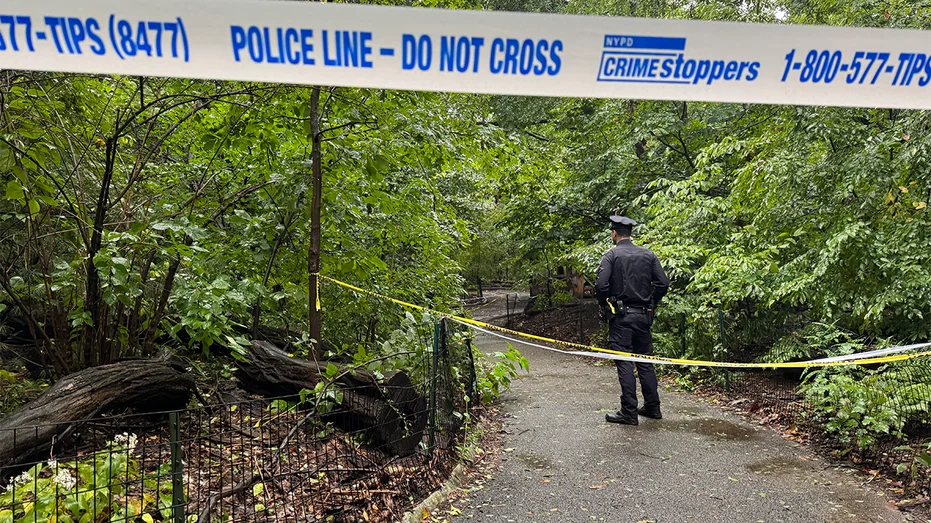
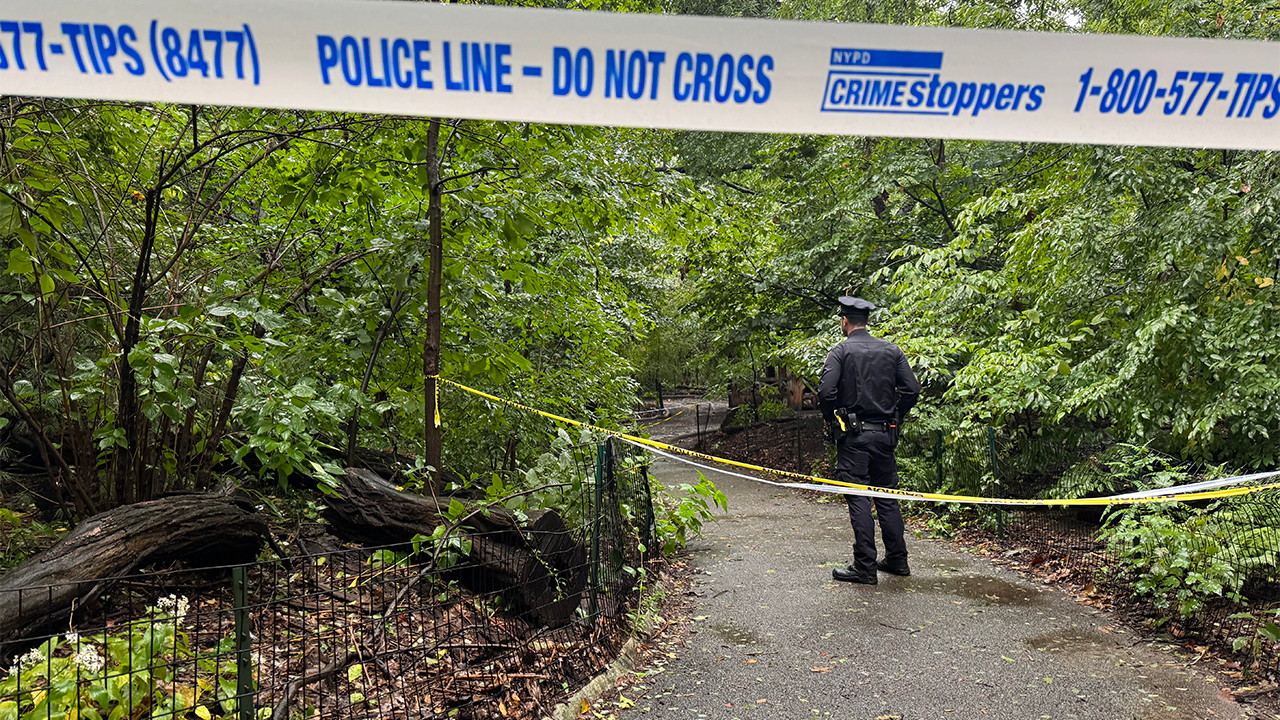
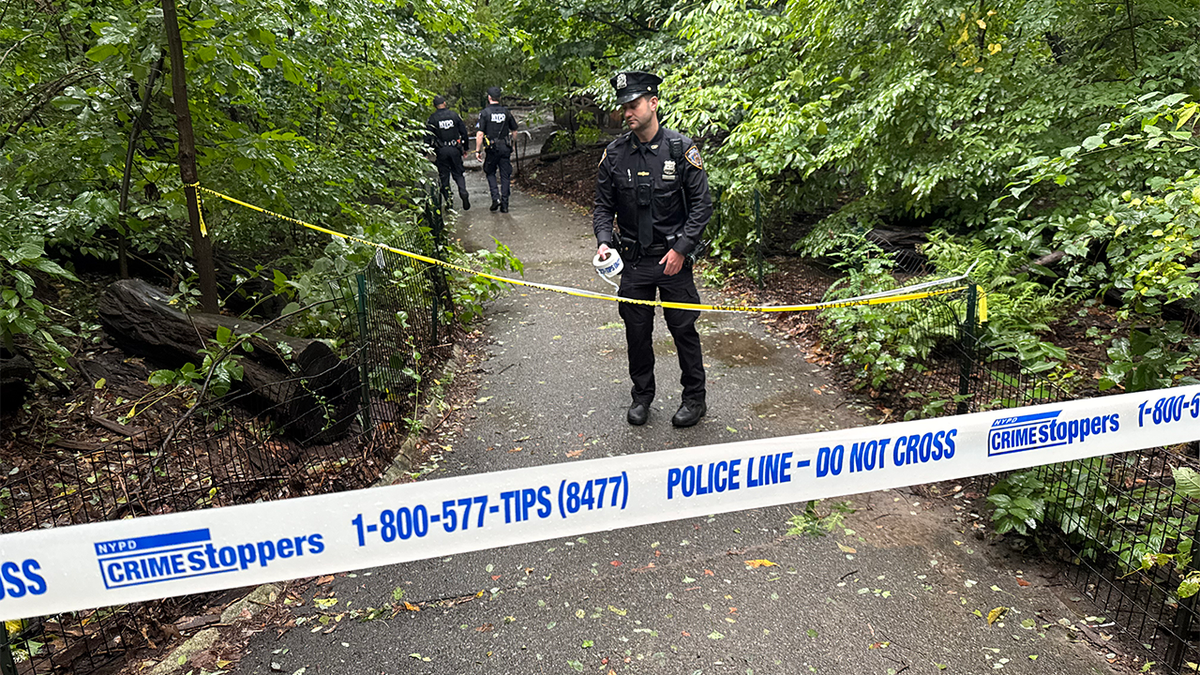
By mid-morning, a heavy police presence descended upon the area. NYPD officers erected yellow crime scene tape, sealing off the wooden gazebo and the surrounding pathways. Officers stood guard at key entry points along the dirt and paved paths to redirect curious pedestrians, joggers, and cyclists away from the active crime scene.
Afternoon — Forensic Analysis and Body Removal
Members of the NYPD Crime Scene Unit (CSU) arrived in specialized vans to begin the meticulous process of documenting the area. Forensic investigators photographed the scene, searched for physical evidence, and mapped the immediate vicinity of the gazebo.
Shortly thereafter, a vehicle from the New York City Office of Chief Medical Examiner (OCME) arrived. Forensic investigators transferred the victim’s body to the medical examiner’s facility for an autopsy, which will officially establish the cause and manner of death.
Supporting Data and Contextual Safety Trends
To understand the impact of this discovery, it is essential to analyze the historical and contemporary safety context of Central Park, which spans 843 acres and welcomes over 42 million visitors annually.
Crime Statistics in Central Park
For decades, Central Park has been a symbol of New York City’s dramatic reduction in crime since the high-crime eras of the 1970s and 1980s. Under the jurisdiction of the NYPD’s Central Park Precinct, the park is widely considered one of the safest urban green spaces in the world.
According to historical CompStat data provided by the NYPD, violent crimes—particularly homicides—are exceedingly rare within the park. When violent incidents do occur, they typically involve isolated robberies or grand larcenies, often occurring late at night or in highly secluded areas. The discovery of a body with physical trauma during daylight hours is an anomaly that departs significantly from typical park safety baselines.
| Crime Category (Central Park Precinct) | General Trend (Recent Years) | Relative Frequency |
|---|---|---|
| Homicide | Extremely Rare | Less than 1 per year on average |
| Robbery | Low | Occasional seasonal spikes |
| Grand Larceny | Moderate | Most common crime (theft of unattended property) |
| Assault | Low | Usually isolated disputes |
Broader Central Park Safety and Liability Issues
The death investigation comes at a time when safety and operational standards in Central Park are already under public scrutiny. The park has recently been the focal point of high-profile legal and civil actions involving public safety:
- Horse-Drawn Carriage Litigation: The city is currently facing a massive $105 million lawsuit filed by the family of a teenager who suffered fatal injuries during a Central Park carriage ride.
- Carriage Accidents: In a separate high-profile incident, a horse-drawn carriage bolted and flipped near a popular tourist destination within the park, resulting in a fatality and raising questions about traffic management, animal welfare, and pedestrian safety on the park’s shared loop drives.
These incidents, combined with the active death investigation, have intensified discussions regarding the overall management, policing, and infrastructure of the park.
Official Responses and Investigative Procedures
The NYPD and partner agencies have adopted a methodical, cautious approach to the ongoing investigation.
NYPD Statements and Public Appeal
The NYPD DCPI (Deputy Commissioner of Public Information) has confirmed the basic details of the case but has refrained from drawing premature conclusions. Detectives are currently reviewing security camera footage from the entrances and exits of the park, as well as interviewing individuals who frequent the area where the body was found.
Law enforcement officials have issued an appeal to the public, urging anyone who was near the wooded paths or the gazebo early Sunday morning and observed anything unusual to contact the NYPD Crime Stoppers hotline.
The Role of the Medical Examiner
The determination of whether this case will be treated as a homicide investigation hinges entirely on the findings of the Office of Chief Medical Examiner. Forensic pathologists will conduct a comprehensive autopsy to:
- Identify the exact nature of the "apparent trauma."
- Determine if the trauma was self-inflicted, accidental, or the result of homicidal violence.
- Establish a toxicology profile to rule out or confirm the presence of intoxicating substances.
- Estimate the precise time of death, which will help investigators narrow down the timeline of the victim’s final hours.
Implications for Public Safety and Community Perception
Despite the shocking nature of Sunday’s discovery, the immediate reaction from the local community reveals a complex mix of concern and resilient trust in the park’s safety.
Community Reactions
For many New Yorkers, Central Park serves as an extension of their living rooms—a vital space for exercise, mental health, and community gathering. The presence of crime scene tape and forensic vans was a jarring sight for Sunday morning visitors.
"Terrifying. I think of the park as a very safe place any time of day or night, so absolutely terrifying," said one frequent parkgoer who spoke to reporters near the scene. Despite her shock, she expressed sympathy for the victim’s family and emphasized that she viewed the tragedy as an isolated incident. "My heart goes out to her family and friends," she added, noting that the event would not deter her from visiting the park daily.
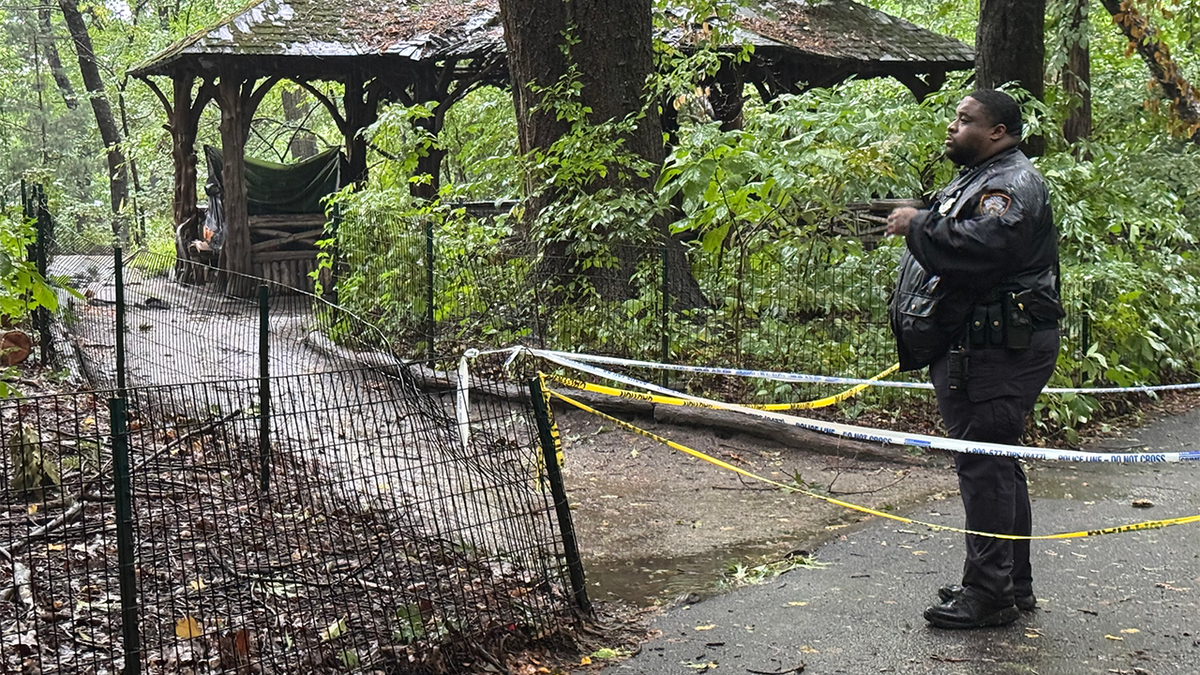
A local runner echoed these sentiments, describing the discovery as "terrible news" that cast a temporary shadow over their morning routine. The runner observed that while the heavy police presence was highly unusual, they felt secure enough to continue utilizing the park’s running loops in the future.
The Balance of Security and Openness
The incident highlights the ongoing challenge of policing a massive, topographically diverse public park. While the main loops and southern plazas are heavily trafficked and well-lit, the park’s interior features dense woodlands, rocky ravines, and winding paths designed to offer an escape from the urban environment.
Urban safety experts point out that maintaining total surveillance over 843 acres of varied terrain is neither feasible nor desirable for a public sanctuary. However, high-profile incidents often spark renewed debates over the placement of security cameras, the frequency of foot patrols by the NYPD’s auxiliary and precinct officers, and the adequacy of lighting along secondary pedestrian pathways.
As the NYPD Crime Scene Unit concludes its on-site evidence gathering and the Medical Examiner begins the vital task of forensic analysis, the city waits for answers. For now, Central Park remains open, its beauty temporarily contrasted by the somber reality of an unexplained loss of life.