In November 2025, a comprehensive data analysis from one of the nation’s largest financial institutions revealed a sobering reality: nearly one-quarter of U.S. households are living paycheck to paycheck. This precarious financial state leaves millions of Americans vulnerable to even minor economic shocks, turning routine life events—a car repair, a sudden medical bill, or an unexpected job loss—into potential catalysts for long-term debt or insolvency.
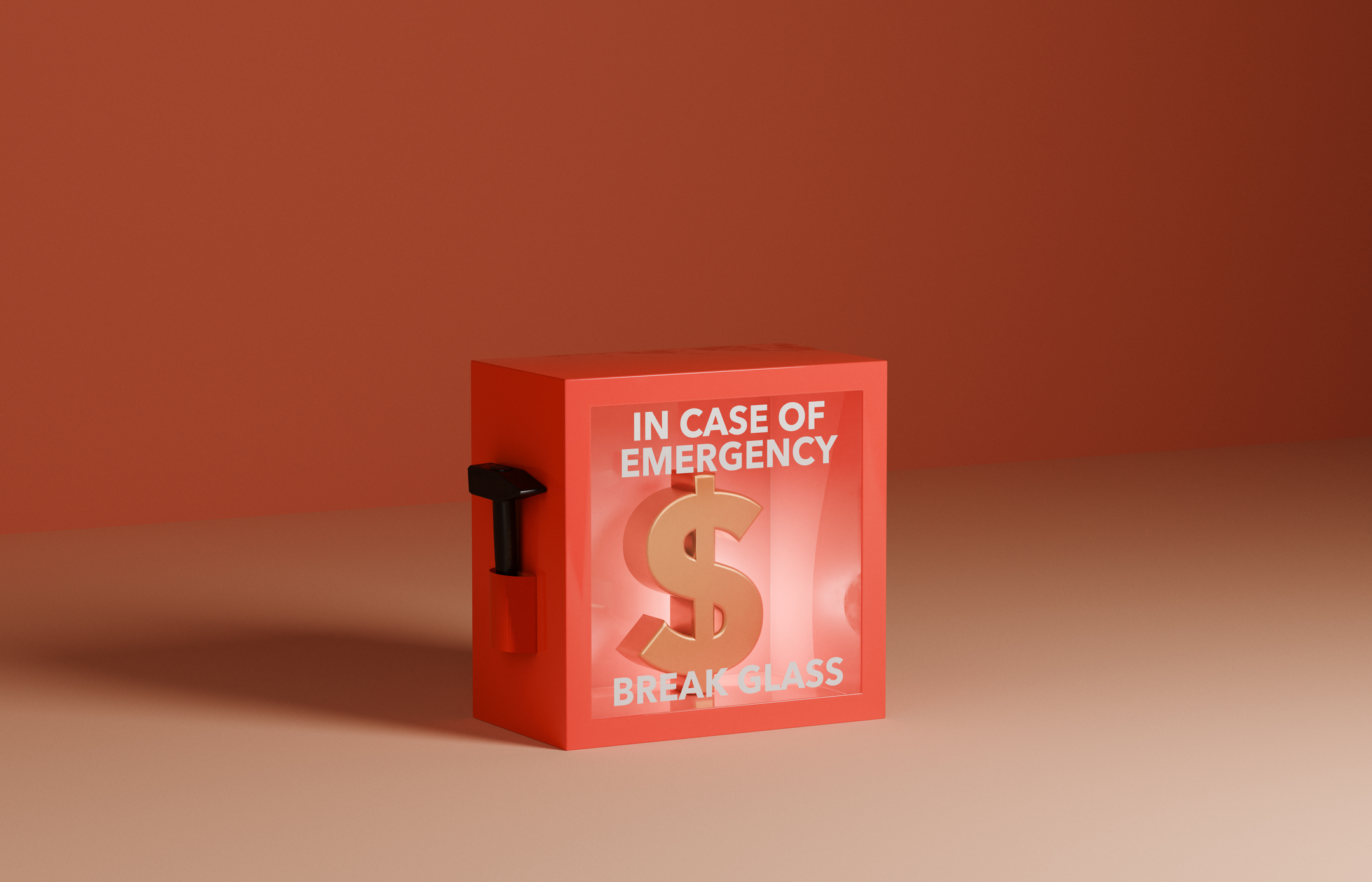
As the Bank of America study underscores, the lack of a financial cushion is the primary barrier to economic security for a significant segment of the population. When nearly every dollar earned is allocated to immediate survival—rent, utilities, and groceries—the capacity to absorb a sudden loss of income is virtually non-existent. To combat this instability, financial planners are increasingly emphasizing the necessity of an emergency fund, a dedicated pool of liquid capital designed specifically to bridge the gap during periods of hardship.
The Chronology of Financial Fragility
The trend of household financial vulnerability did not emerge in a vacuum. Over the past several years, a combination of persistent inflation, fluctuating interest rates, and stagnant wage growth has systematically eroded the savings rates of many Americans.

- 2023-2024: High inflation rates significantly outpaced average wage growth, forcing many families to deplete savings accounts built up during the pandemic era to cover essential costs.
- Early 2025: Economic data began showing a widening gap between high-income earners and middle-to-low-income households, with the latter group showing a rapid decline in their "liquid cushion"—the amount of cash available for emergencies.
- November 2025: The Bank of America study provided a definitive snapshot, confirming that 25% of surveyed households had reached a point where their primary income source was entirely consumed by current expenses, leaving no room for disaster recovery.
Supporting Data: Why Liquidity Matters
The definition of an "emergency" is subjective, but the financial consequences are mathematically rigid. Experts typically recommend that individuals strive to accumulate between six months to one year of essential living expenses.
The rationale is clear: if a job loss occurs, the average time required to secure new, comparable employment often spans several months. Without a cushion, households are forced to rely on high-interest credit cards or personal loans, which can create a "debt trap" that lasts for years.
Data from the Federal Reserve and independent financial analysts suggest that households with at least three months of living expenses in a liquid account are 60% less likely to experience a permanent loss of housing or long-term credit impairment following a major life event. The challenge, however, is not just saving the money, but where to put it. Leaving cash in a traditional, low-interest checking account results in a steady loss of purchasing power due to inflation.
Official Perspectives: The Professional Consensus
Financial professionals consistently argue that an emergency fund must prioritize two specific characteristics: safety of principal and liquidity.
"You want absolute confidence that the money will be there when you need it," says a representative from a leading wealth management firm. "However, you also need to ensure that the money isn’t locked in an investment that carries a significant penalty for early withdrawal or requires a lengthy liquidation process."
While keeping cash under a mattress is a historical trope, it is the least efficient way to manage emergency savings. Today, investors have access to low-risk exchange-traded funds (ETFs) that offer a middle ground: modest returns that hedge against inflation while maintaining the liquidity required for immediate access.
Rethinking the Emergency Fund: The Role of ETFs
While no ETF is officially labeled an "emergency fund," a specific class of low-volatility, short-duration funds has emerged as the go-to solution for prudent savers. These funds avoid the volatility of the stock market and instead focus on ultra-short-maturity, high-quality fixed-income securities.
What Makes an ETF Suitable?
For an investment to be considered a viable home for an emergency fund, it must meet three stringent criteria:
- Low Volatility: The fund’s price should remain stable, even if the broader stock market experiences a correction.
- High Credit Quality: The underlying assets should be investment-grade, typically rated A or higher, ensuring the issuer is unlikely to default.
- Liquidity: The ETF must be traded actively enough that an investor can exit the position at a moment’s notice without a wide "bid-ask spread" eroding their principal.
Strategic ETF Selections
Based on varying investor priorities, we have categorized five ETFs that serve as robust options for maintaining emergency savings.
1. The Safest Option: Invesco Short Term Treasury ETF (TBLL)
For those who prioritize safety above all else, TBLL is a premier choice. It tracks short-term U.S. Treasury bills—debt issued by the federal government.
- The Benefit: It is backed by the "full faith and credit" of the U.S. government.
- The Mechanics: With an effective duration of just 0.3 years, it has minimal sensitivity to interest rate hikes.
- Tax Efficiency: Interest from U.S. Treasuries is generally exempt from state and local income taxes, providing a distinct advantage for residents in high-tax states.
2. The Tax-Efficient Option: iShares Short-Duration National Muni Bond ETF (SUB)
For investors in higher federal income tax brackets, the iShares SUB ETF offers a pathway to shielding income.
- The Mechanics: It holds over 2,900 municipal bonds issued by state and local governments.
- The Benefit: The income generated is typically exempt from federal income taxes.
- Consideration: It has a slightly longer duration than T-bills, meaning it is more sensitive to interest rate changes, but it maintains a high-quality portfolio with significant AAA and AA ratings.
3. The Higher-Yielding Option: PGIM Ultra Short Bond ETF (PULS)
For savers willing to accept slightly more risk in exchange for a higher return, PULS offers an actively managed approach.
- The Mechanics: Instead of just buying Treasuries, managers can select corporate bonds, commercial paper, and asset-backed securities.
- The Benefit: It historically outperforms passive Treasury benchmarks.
- The Risk: Because it includes corporate and securitized debt, it carries more credit risk than a government-backed fund.
4. The Inflation-Fighting Option: Vanguard Short-Term Inflation-Protected Securities ETF (VTIP)
Inflation is the silent killer of cash savings. If your account grows at 3% but inflation is 5%, you are losing money in real terms.
- The Mechanics: It invests in Treasury Inflation-Protected Securities (TIPS), where the principal value adjusts in line with the Consumer Price Index (CPI).
- The Benefit: It protects the purchasing power of your emergency fund during periods of rising consumer prices.
5. The Minimal Distribution Option: Alpha Architect 1-3 Month Box ETF (BOXX)
For investors who want to avoid the tax headache of regular monthly income distributions, BOXX offers a sophisticated alternative.
- The Mechanics: It uses a "box spread" strategy with options to mimic the return of Treasury bills without technically owning them.
- The Benefit: It retains returns within the fund, minimizing taxable distributions.
- The Caveat: It is more complex than a standard bond fund and carries a higher expense ratio.
Implications for the Future
The decision to build an emergency fund is more than a financial exercise; it is a fundamental shift toward personal agency. In an economy where external factors—such as interest rate shifts or industry-wide layoffs—can strike without warning, the ability to rely on one’s own capital provides a sense of psychological and physical security.
As we move further into 2026 and beyond, the reliance on high-interest debt to cover basic necessities is becoming an unsustainable model for the American middle class. By transitioning from a "paycheck-to-paycheck" cycle to a "capital-cushioned" lifestyle, households can insulate themselves from the volatility of the modern market.
Whether an investor chooses the ironclad safety of the Invesco Short Term Treasury ETF (TBLL) or the tax-shielding benefits of the iShares Short-Duration National Muni Bond ETF (SUB), the goal remains the same: ensuring that an "emergency" remains just a temporary inconvenience, rather than a life-altering financial catastrophe. By prioritizing liquidity, safety, and modest, inflation-hedged returns, individuals can build a fortress of financial stability that withstands the inevitable ebbs and flows of the U.S. economy.