Introduction
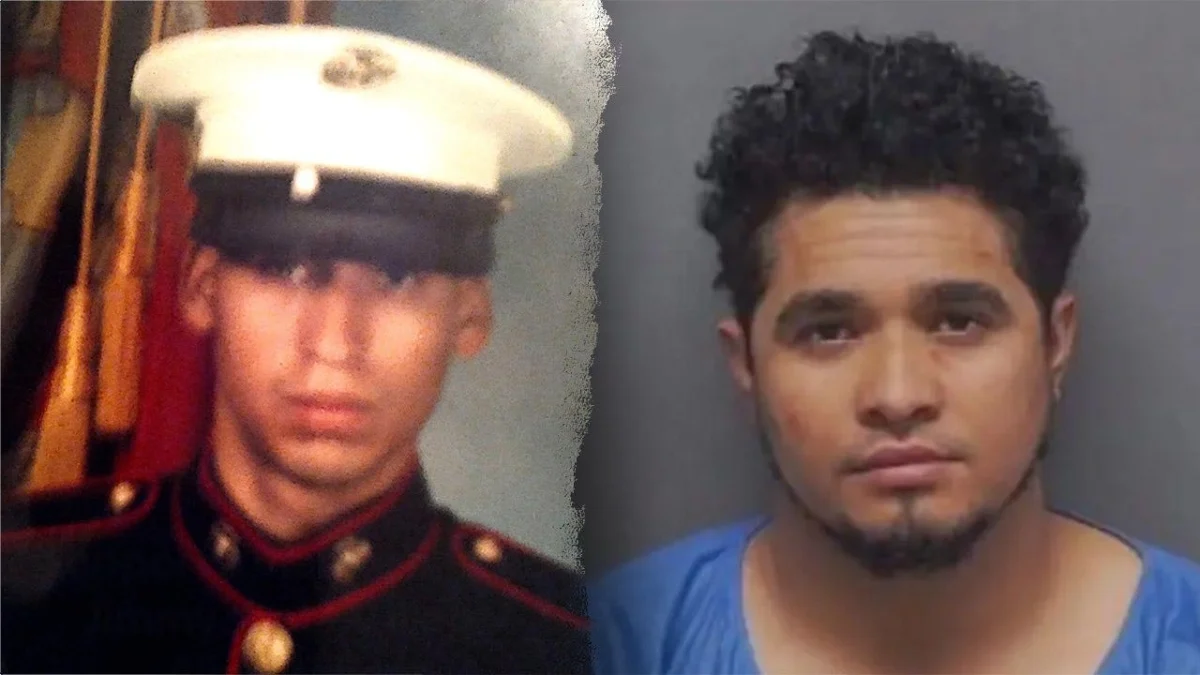
A decorated Marine Corps combat veteran, who was left paralyzed after being shot in the neck while working as a security guard, has suffered a severe medical setback, forcing his re-hospitalization just days before he was scheduled to testify against his alleged attacker.
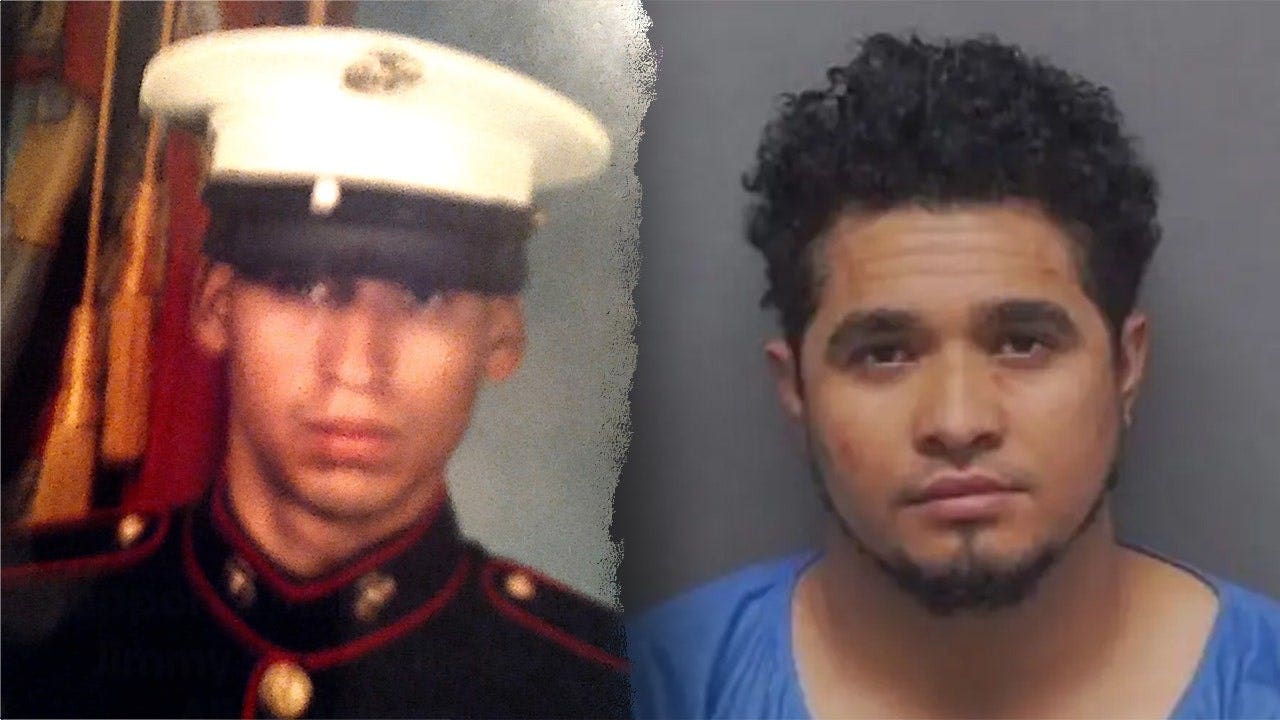
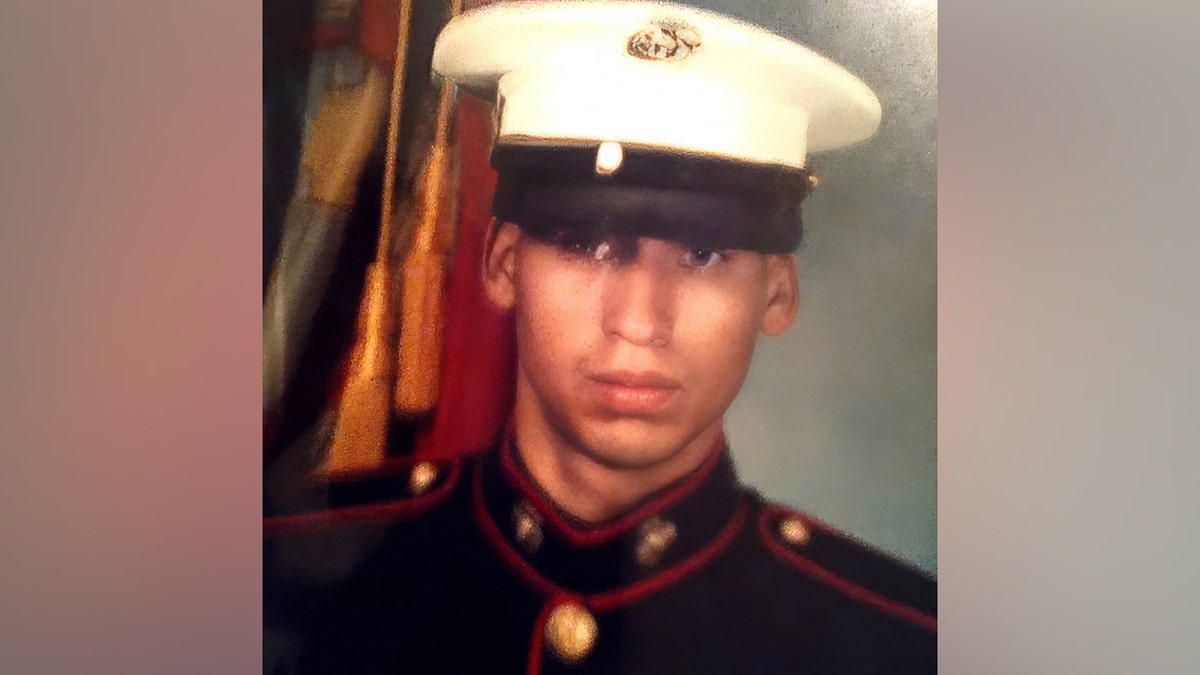
Jimmy Friesenhahn, a veteran of multiple overseas deployments, was slated to take the stand in a Bexar County, Texas, courtroom to confront Wilmer Vladimir Ruiz Ortega, a 29-year-old Honduran national residing illegally in the United States. Ortega is accused of opening fire on Friesenhahn during a confrontation at a San Antonio sports bar. However, a sudden and life-threatening medical complication has disrupted the trial’s proceedings and cast a stark light on the physical, emotional, and systemic aftermath of the tragedy.
Main Facts: The Incident and Its Aftermath
The violent encounter occurred in the early hours of May 4, 2025, at El Patio Sports Bar in San Antonio, Texas, where Friesenhahn was employed as a security guard. According to police reports, Friesenhahn’s military training and security instincts kicked in when he noticed a concealed handgun protruding from Ortega’s pocket as the suspect attempted to enter the venue.
Friesenhahn intervened to prevent Ortega from bringing the weapon inside, initiating a physical struggle. During the altercation, Ortega allegedly drew the firearm and discharged multiple rounds at close range.
+-----------------------------------------------------------------------+
|                       THE MAY 4, 2025 SHOOTING                        |
+-----------------------------------------------------------------------+
|                                                                       |
|   [ Ortega attempts entry ] ---> [ Friesenhahn spots concealed gun ]  |
|                                                 |                     |
|                                                 v                     |
|   [ Critical Injuries ] <--- [ Ortega fires ] <--- [ Struggle ]       |
|     * 2 rounds to vest                                                |
|     * 1 round to neck (paralysis)                                     |
|                                                                       |
+-----------------------------------------------------------------------+
Although Friesenhahn was wearing a bulletproof vest, which successfully absorbed two impacts, a third round struck him directly in the neck. The catastrophic wound severed critical pathways, leaving the veteran paralyzed, unable to speak, and entirely dependent on round-the-clock specialized medical care.
Ortega fled the scene but was subsequently apprehended by local law enforcement. He was charged with aggravated assault against a security officer and illegal entry into the United States, and he is currently subject to federal immigration detainer proceedings.
The Recent Medical Setback
The trial of Ruiz Ortega was scheduled to commence on September 20, 2025, with jury selection. Friesenhahn, despite his profound physical limitations, had expressed a fierce determination to appear in court and testify.
However, his sister, Becky Borjon, revealed to the media that those plans have been derailed by a severe medical emergency. Following a major corrective surgery on August 28, 2025, Friesenhahn completed three weeks of intensive inpatient rehabilitation. Shortly thereafter, his condition deteriorated rapidly due to a severe blood clot—a common but highly dangerous complication associated with traumatic spinal cord injuries and prolonged immobility.
Friesenhahn has been hospitalized for over a week, and his family remains uncertain whether he will recover sufficiently to participate in the upcoming legal proceedings.
Chronology of Events
The intersection of Ortega’s criminal history, federal immigration status, and the subsequent shooting reveals a timeline that the victim’s family argues is indicative of a breakdown in law enforcement coordination and judicial oversight.
  2020             2023             2024             2025
   |                |                |                |
   +-- [Oct]        +-- [Aug]        +-- [Nov]        +-- [March] Last Court Date
       DWI              Probation        Failure to       +-- [May 4] Shooting
       Arrest           Violation        Appear           +-- [Aug 28] Surgery
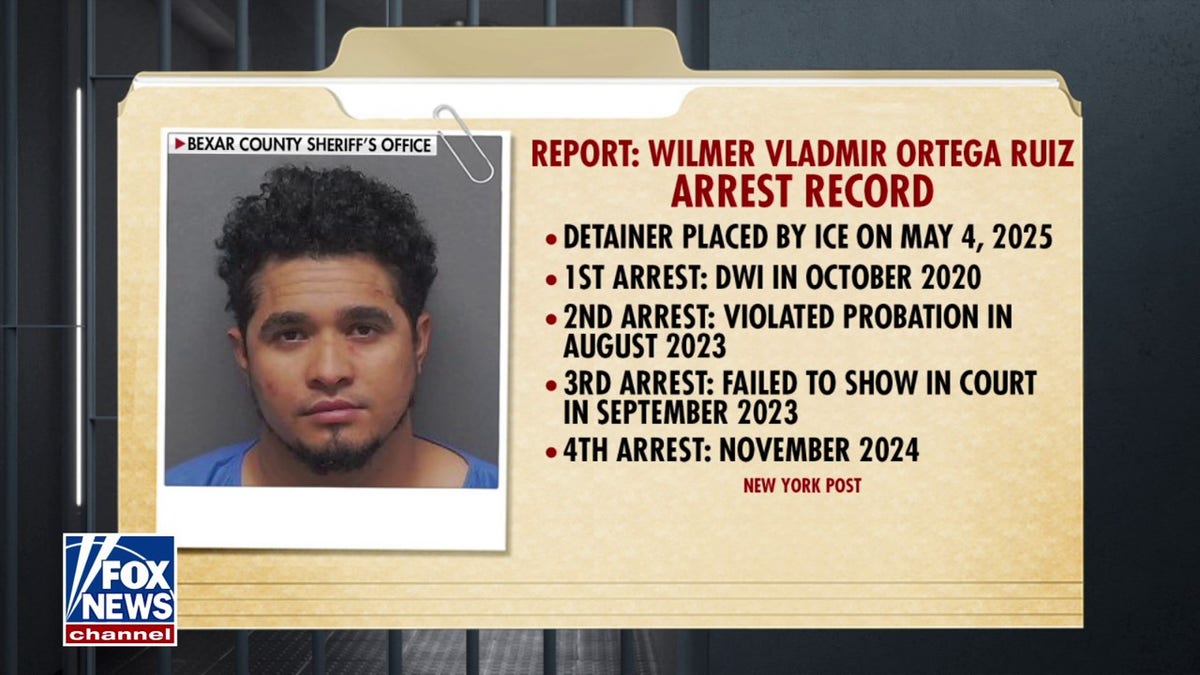
+-- [Sept] Blood Clot- October 2020: Wilmer Vladimir Ruiz Ortega is arrested in Texas for driving while intoxicated (DWI). Despite his undocumented status, he is released on bond.
- August 2023: Ortega is arrested for a probation violation stemming from his prior conviction. Once again, he is released back into the community.
- November 2024: Following multiple missed court dates, Ortega is arrested on warrants for failure to appear.
- March 2025: Ortega makes his final scheduled court appearance before the shooting. Despite his repeated non-compliance with judicial orders and his illegal immigration status, no federal detainer is successfully executed to remove him from the country.
- May 4, 2025: Ortega allegedly shoots Jimmy Friesenhahn at El Patio Sports Bar in San Antonio. Ortega is arrested and charged with aggravated assault on a security officer and illegal entry.
- August 28, 2025: Friesenhahn undergoes complex surgery to address long-term complications from his gunshot wounds.
- September 2025: Friesenhahn undergoes three weeks of inpatient physical rehabilitation.
- Mid-September 2025: Friesenhahn suffers a severe setback from a blood clot, requiring emergency hospitalization.
- September 20th, 2025: Scheduled start date for Ortega’s criminal trial in Bexar County.
Supporting Data and Systemic Gaps
The tragedy has reignited intense debate surrounding the enforcement of immigration laws, the execution of federal detainers, and the management of repeat offenders within local jurisdictions.
Ortega’s Criminal Record and the Detainer Dilemma
Under federal law, when an undocumented non-citizen is arrested on local charges, Immigration and Customs Enforcement (ICE) can issue an administrative detainer (Form I-247A). This request asks local law enforcement to notify ICE before releasing the individual and to hold them for up to 48 hours to allow ICE agents to assume custody.
In Texas, Senate Bill 4 (SB 4), passed in 2017, explicitly prohibits local jurisdictions from adopting "sanctuary" policies and mandates cooperation with ICE detainer requests. Despite these legislative measures, Friesenhahn’s family points to Ortega’s extensive rap sheet as evidence of a failure to execute these protocols:
| Date | Arrest Charge | Judicial Outcome / Status | ICE Action taken? |
|---|---|---|---|
| October 2020 | Driving While Intoxicated (DWI) | Released on Bond | None executed |
| August 2023 | Probation Violation | Released | None executed |
| November 2024 | Failure to Appear in Court | Released on Bond | None executed |
| March 2025 | Court Appearance | Case Continued | None executed |
| May 2025 | Aggravated Assault / Illegal Entry | In Custody | Federal Detainer Lodged |
Emmanuel Martinez, Friesenhahn’s brother-in-law, questioned the administrative decisions that allowed Ortega to remain in the United States prior to the shooting.
"His last court appearance was in March 2025, and Jimmy was shot on May 4, 2025," Martinez said. "At that point, the District Attorney’s office should have complied with removal orders and turned him over to Immigration and Customs Enforcement."
Official Responses and Legal Proceedings
The legal battle ahead is twofold, taking place in both the state criminal justice system and federal immigration courts. Ruiz Ortega faces first-degree felony charges of aggravated assault against a security officer, which carries a potential sentence of up to life in prison under Texas law due to the severity of the injuries inflicted. Concurrently, he faces federal prosecution for illegal entry into the United States.
Silence from the Prosecution
The Bexar County District Attorney’s Office, led by District Attorney Joe Gonzales, has declined to comment publicly on the specifics of the case, Ortega’s prior plea deals, or the strategic implications of Friesenhahn’s potential absence from the witness stand.
In high-profile assault cases, the testimony of the victim is often a cornerstone of the prosecution’s argument. While physical evidence, body camera footage, and third-party witness testimony can secure a conviction, the firsthand account of a paralyzed veteran carries immense weight with a jury. The prosecution must now prepare for the possibility of proceeding without Friesenhahn’s physical presence in the courtroom, relying instead on prior depositions or medical records if his hospitalization continues.
Implications and the Lifelong Battle
Beyond the legal and political debates, the human toll of the shooting is profound. Jimmy Friesenhahn’s life has been permanently altered. The physical trauma of a high-cervical spinal cord injury presents a grueling, lifelong medical battle characterized by chronic pain, respiratory vulnerability, and a high susceptibility to secondary complications like the deep vein thrombosis that caused his current hospitalization.
For his family, the transition from supporting a self-sufficient combat veteran to providing round-the-clock care has been emotionally and financially devastating.
"Unfortunately, we don’t see this as a road to recovery because there is no recovering from an injury like this. We see it as the beginning of a lifelong fight," said Becky Borjon. "My brother will never walk again. He will never be able to get married or raise a family."
Policy Implications
The case of Jimmy Friesenhahn highlights critical questions regarding the intersection of local judicial discretion, bail reform, and federal immigration enforcement:
- Bail Reform and Public Safety: Critics argue that defendants with a history of failing to appear in court should not be repeatedly granted low-cost bonds, particularly when their legal status in the country is unresolved.
- Inter-Agency Communication: The lag between local bookings and federal immigration responses remains a vulnerability in the criminal justice system.
- The Role of Security Personnel: The incident underscores the extreme dangers faced by private security officers, who often serve as the first line of defense against armed individuals in public spaces, yet frequently lack the systemic protections afforded to sworn law enforcement officers.
As the Bexar County court prepares for jury selection, the Friesenhahn family continues to advocate for accountability, demanding to know why a repeat offender with an unresolved immigration status was free to walk the streets of San Antonio with a concealed weapon. Their struggle represents not only a fight for personal justice but a demand for systemic reform to ensure that no other family has to endure a similar tragedy.