Subway, the global titan of the submarine sandwich industry, sits at a unique crossroads of culinary history. For generations, it has been a staple of the American diet—a go-to for school lunches, office catering, and late-night cravings. However, as the fast-casual dining sector evolves, consumer expectations have shifted toward higher quality, greater transparency, and inclusive menu options. While the chain’s "build-your-own" model remains its greatest strength, the brand must modernize its offerings to remain relevant in an increasingly competitive market.
The State of the Sub: Historical Context and Current Challenges
Since its founding in 1965, Subway has relied on a consistent, accessible formula. Throughout the 90s and 2000s, it dominated the quick-service restaurant (QSR) space. Yet, the brand now faces a "nostalgia paradox." While millennials and Gen X customers fondly remember the chain, younger demographics are increasingly looking toward elevated concepts like Jersey Mike’s or local artisan delis.
The current criticism centers on a perceived stagnation in ingredient quality and a lack of innovation compared to regional competitors. To recapture its former dominance, analysts suggest that Subway must move beyond its "standard" offerings and address the specific dietary and culinary demands of the modern consumer.
Menu Evolution: Bridging the Gap in Protein and Produce
The most pressing demand from modern diners is for plant-based diversity. While Subway has experimented with veggie patties, these options are often criticized for their texture and lack of flavor profile.
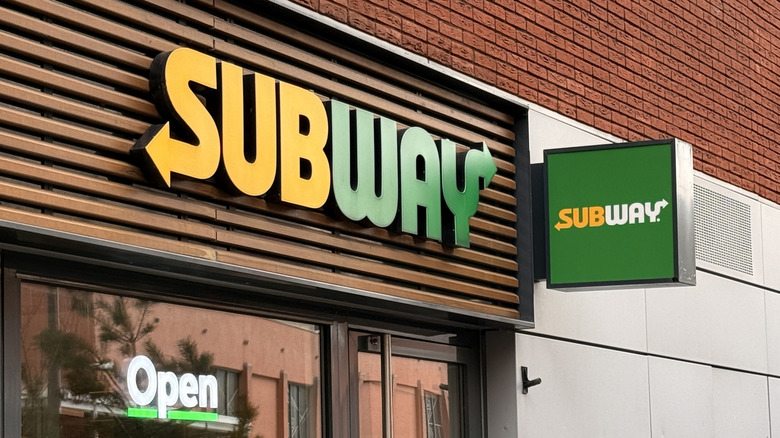
The Plant-Based Imperative
Subway’s global footprint offers an advantage that it has yet to fully utilize. In international markets like Brazil, the chain has successfully integrated more robust plant-based meat alternatives. Expanding this to the U.S. market—specifically with high-quality deli slices like smoked "turkey" or roasted "chik’n"—would allow the chain to compete with the growing number of flexitarian diners. The goal should be a 1:1 parity between animal and plant-based proteins, including vegan meatballs and plant-based cheesesteaks.
Elevating the Vegetable Toppings
The "fresh" in "Eat Fresh" must mean more than just standard iceberg lettuce and thin tomato slices. Critics argue that the produce quality has suffered, with "paper-thin" vegetable cuts failing to provide the crunch and substance required for a premium sandwich experience.
- The Upgrade: Introducing whole-leaf greens, heirloom tomatoes, pickled vegetables (onions, carrots, cabbage), and artisanal additions like roasted squash or artichoke hearts would transform the assembly line into a true culinary experience.
Enhancing the Culinary Foundation: Bread, Sauce, and Texture
If bread is the foundation of the sandwich, Subway is currently operating on a shifting base.
Rethinking the Dough
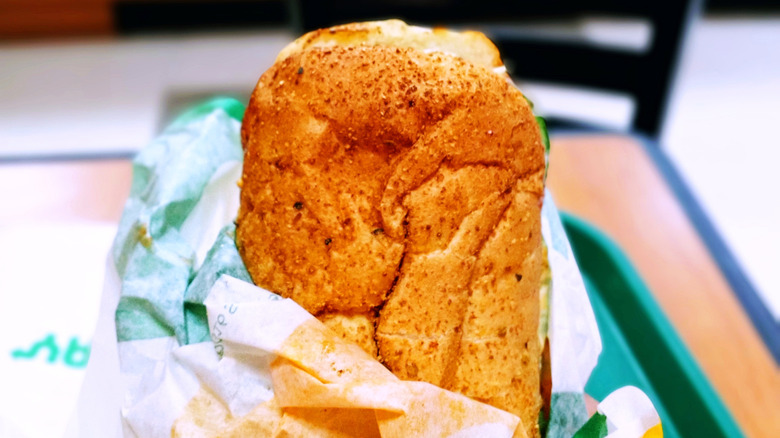
The texture of the current bread line is frequently described as "sponge-like." By introducing diverse, artisan-style options—such as dark rye for heartiness, rosemary sourdough for depth, or a chewy ciabatta (which has seen success in Canadian markets)—Subway could differentiate its sandwiches from the competition.
The "Sauce-First" Philosophy
The current practice of drizzling condiments over finished toppings often leads to uneven flavor distribution. A professional culinary shift toward applying sauces directly to the bread before the toppings are added ensures a consistent flavor profile in every bite. This "sauce-first" approach is a simple operational change that would significantly improve the consumer’s eating experience.
Broadening the Beverage and Side Menus
A sandwich is rarely a solitary experience; it is part of a meal. By diversifying its sides and drinks, Subway can increase its "check average" per customer.
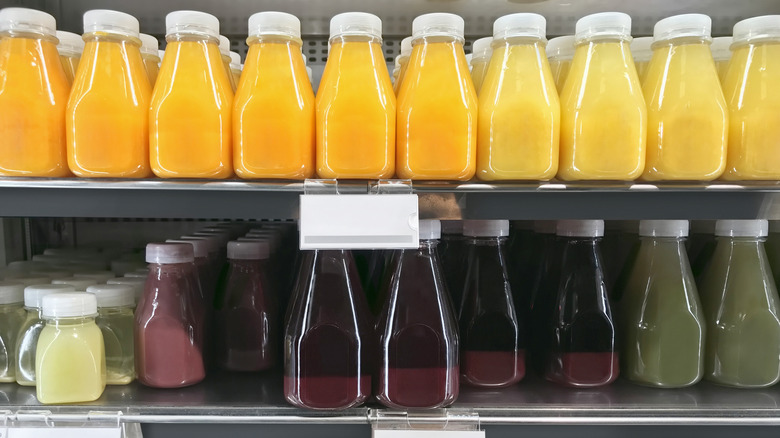
- Fresh Juices: Inspired by international successes, adding fresh fruit juice blends (mango, guava, passionfruit, or local regional fruits like huckleberry) would provide a modern, healthy alternative to the standard soda fountain.
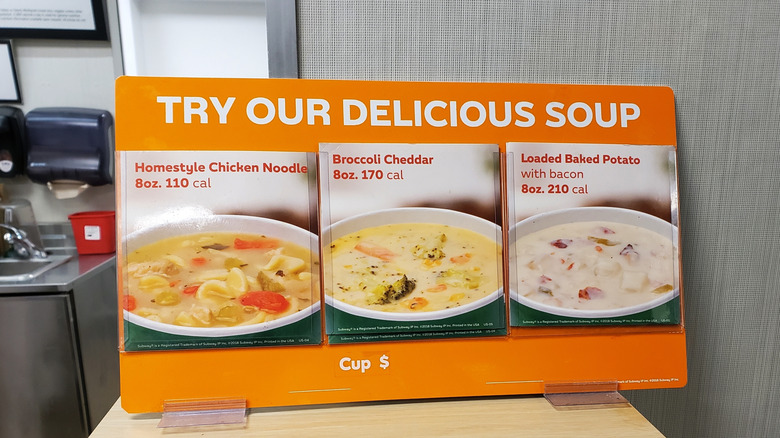
- The Soup-and-Sandwich Synergy: Soup should be a year-round staple, not a seasonal afterthought. Permanent fixtures like a high-quality Broccoli Cheddar or a creamy plant-based stew (cashew-carrot) would make Subway a more viable destination during colder months.
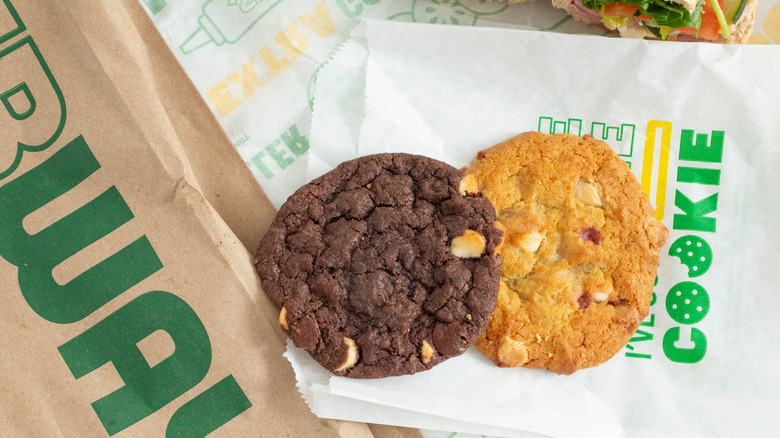
- Cookie Reform: The chain’s cookies have faced scrutiny for their size and ingredient quality. Larger, chunkier cookies with more generous mix-ins—such as thick oatmeal raisin or nut-heavy white chocolate macadamia—would turn a generic "add-on" into a destination item.
International Flavors and Seasonal Innovation
Subway’s global presence is an under-utilized asset. A rotating menu of internationally inspired sandwiches—such as a Vietnamese Bánh Mì, a Greek-inspired marinated feta flatbread, or a French-style brie and apricot baguette—would build excitement and engagement.
Seasonal specials, such as a Thanksgiving-inspired turkey and stuffing sub or a summer stone-fruit and corn flatbread, would allow the brand to test new, high-quality ingredients without the burden of permanently expanding its already extensive menu.
Loyalty and the Customer Experience
Perhaps the most significant friction point for loyalists is the current rewards program. Customers report that the current iteration of the "Sub Club" feels unrewarding and complex compared to previous punch-card systems.
A return to a simpler, more tangible loyalty program—where the path to a free sandwich is clear and achievable—would incentivize repeat visits. In an era where digital engagement is key, a transparent loyalty scheme is not just a perk; it is a retention necessity.

Official Responses and Corporate Strategy
Subway has acknowledged the need for change, frequently launching "Subway Series" menus and high-profile marketing campaigns to highlight ingredient upgrades. Corporate leadership has signaled a move toward "modernization," which includes store remodels and a push toward better-sourcing practices for tuna and other proteins. However, the gap between consumer demand for premium, inclusive, and highly creative options and the current reality of the average franchise location remains the brand’s biggest hurdle.
Implications for the Future
The implications of these changes are significant. Should Subway successfully pivot toward a more ingredient-conscious, inclusive, and diverse menu, it could effectively neutralize the threat from smaller, "better-for-you" sandwich chains.
The strategy is clear:
- Inclusive Protein: Address the vegan and lactose-intolerant markets with high-quality alternatives.
- Ingredient Integrity: Prioritize fresh, seasonal, and premium produce over mass-market efficiency.
- Operational Excellence: Adjust the assembly process (sauce-first) and bread quality to reflect a "made-to-order" artisanal feel.
For a brand that has been a household name for over half a century, the path forward is not about abandoning its roots, but rather about scaling the artisanal quality that modern diners now demand. Whether through the introduction of fruit-forward toppings, better seafood sourcing, or a more rewarding loyalty program, the "new" Subway must be as dynamic as the customers it serves.
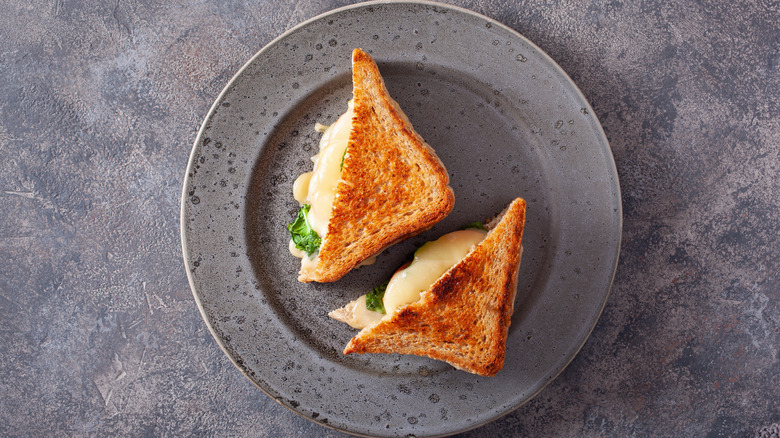
If executed, these 15 strategic changes could mark the beginning of a renaissance for the world’s largest sandwich chain, transforming it from a nostalgic necessity into a premier, forward-thinking fast-casual leader.