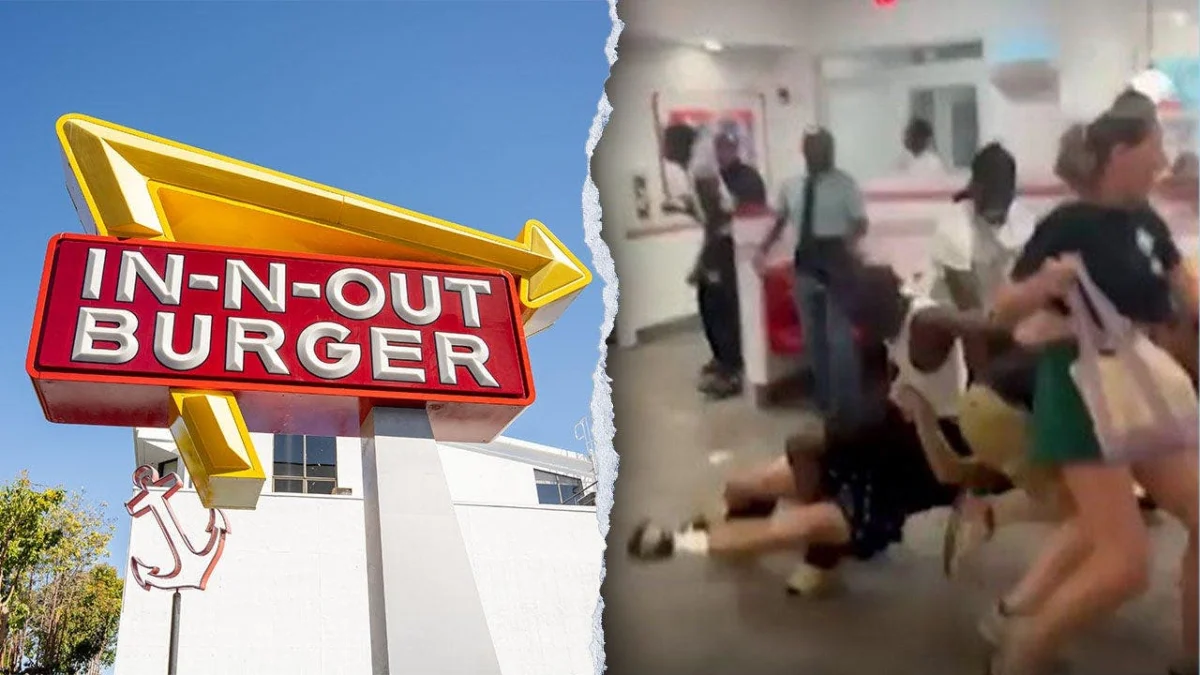
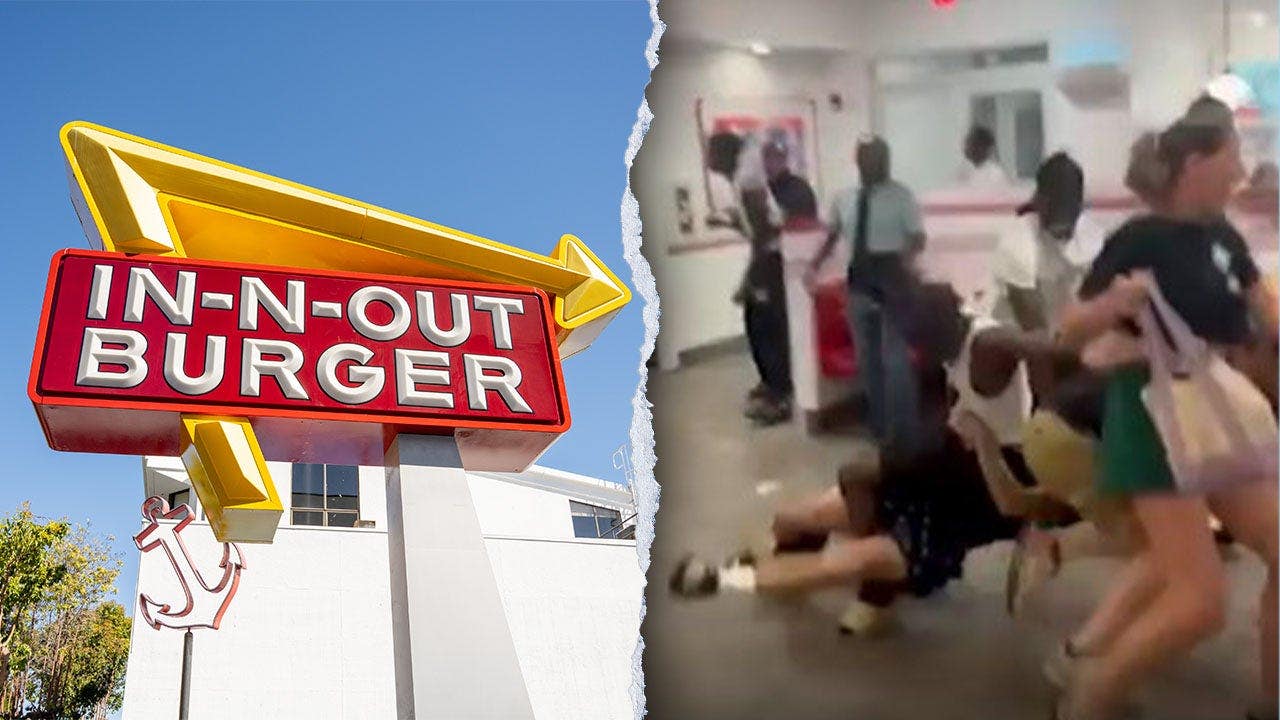
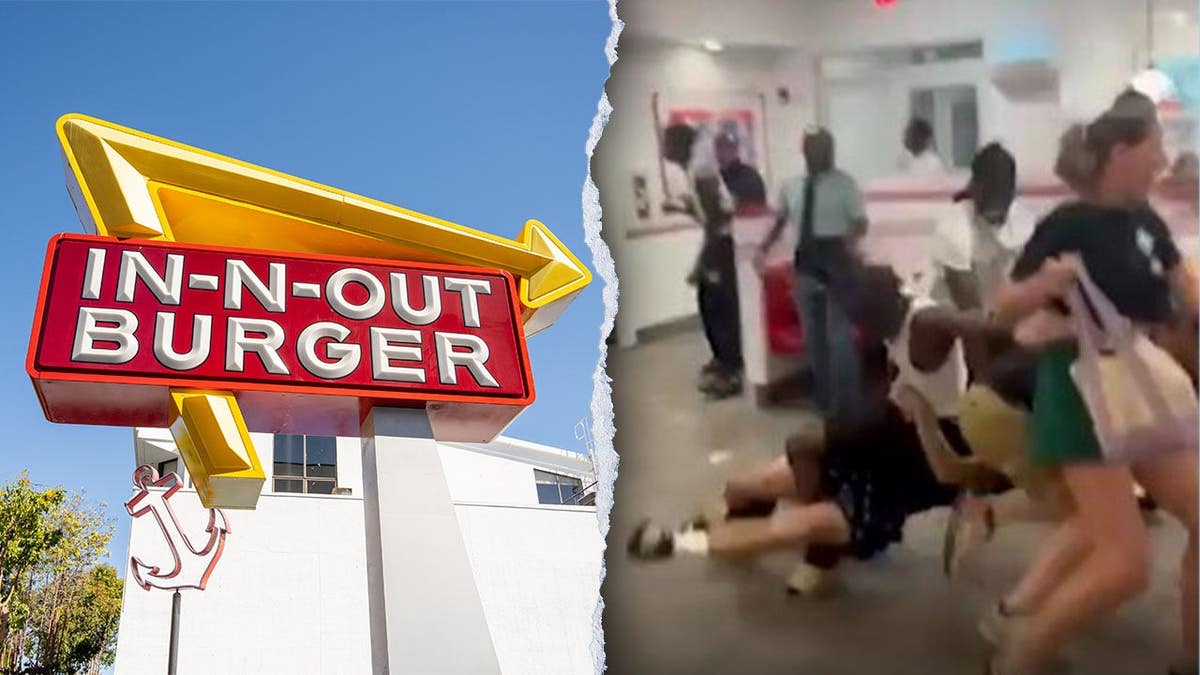
A violent altercation involving a large group of teenagers erupted inside an In-N-Out Burger restaurant in Tempe, Arizona, leaving customers terrified and scrambling for safety. The incident, which occurred during a severe summer monsoon storm, has reignited national conversations regarding security in fast-food establishments, the rising trend of youth-led public disruptions, and the safety of service-industry employees.
The Tempe Police Department is currently investigating the incident, which was captured on viral social media footage. The confrontation closely mirrors other recent high-profile brawls at fast-food locations across the United States, highlighting a challenging trend for law enforcement and corporate retailers alike.
Chronology of the Incident
Seeking Shelter from the Storm
On the evening of Monday, July 13, the Phoenix metropolitan area was experiencing a severe monsoon storm—a seasonal meteorological phenomenon characterized by heavy downpours, high winds, and hazardous dust storms known as haboobs.
At approximately 6:45 p.m., residents and commuters in Tempe, home to the sprawling campus of Arizona State University, began seeking shelter from the deteriorating weather conditions. The In-N-Out Burger located in Tempe became a temporary haven. Dozens of patrons, including families, teenagers, and college students, crowded into the dining room to wait out the storm.
The Eruption of Violence
At approximately 7:00 p.m., the atmosphere inside the crowded restaurant shifted dramatically. According to witness statements and video footage captured by a bystander, an argument broke out among a group of young people gathered near the center of the dining area.
The verbal dispute escalated rapidly into physical violence. Within moments, multiple teenagers began throwing punches, tackling one another onto the floor, and colliding with dining tables and booths. The chaotic footage shows several individuals exchange blows while others are thrown against the restaurant’s glass windows and counter barriers.
Panic and Flight
The sudden outbreak of violence triggered immediate panic among the bystanders, many of whom were trapped inside due to the active storm outside. Customers can be seen in the video scrambling to get out of the way, shielding children, and abandoning their meals to seek safety near the kitchen doors and restrooms.
The brawl lasted for several minutes before the participants began to disperse. Recognizing that law enforcement had been summoned, the teenagers involved fled the premises. Some departed on foot into the rain, while others climbed into waiting vehicles and sped away from the parking lot.
Supporting Data and Broader Context
The Monsoon Factor and Crowd Density
The presence of a severe monsoon storm played a critical role in the dynamics of the incident. According to local meteorological data, the storm on July 13 brought wind gusts exceeding 40 miles per hour and localized torrential rainfall to the East Valley.
In Arizona, sudden monsoon storms frequently force pedestrians and drivers off the roads and into nearby commercial establishments. This sudden influx of people created an unusually high crowd density inside the Tempe In-N-Out, magnifying the chaos and limiting evacuation routes for terrified bystanders when the fight broke out.
Monsoon Season Impact on Public Spaces (Typical Arizona Summer):
┌──────────────────────────┐     ┌──────────────────────────┐     ┌──────────────────────────┐
│  Sudden Severe Weather   │ ──> │ High Density in Retail   │ ──> │ Increased Vulnerability  │
│ (Heavy rain, wind, dust) │     │   & Dining Safe Havens   │     │  During Public Disputes  │
└──────────────────────────┘     └──────────────────────────┘     └──────────────────────────┘
The Rise of Retail and Fast-Food Violence
The incident in Tempe is not an isolated event. Retailers and fast-food chains across the United States have reported a notable increase in disorderly conduct, property damage, and physical assaults within their establishments over the past three years.
According to data from the National Retail Federation (NRF) and various workplace safety organizations:
- Workplace Violence: Assaults in grocery and fast-food settings rose by over 15% between 2021 and 2023.
- The "Teen Takeover" Phenomenon: Major metropolitan areas—including Chicago, Los Angeles, and Philadelphia—have reported organized gatherings of youths, often coordinated via social media platforms like TikTok and Instagram, that result in property damage, looting, or physical altercations.
The Chipotle Parallel
The Tempe brawl closely mirrors an incident that occurred in May at a Chipotle Mexican Grill restaurant in Washington, D.C. In that event, a group of teenagers dressed in hooded sweatshirts and masks entered the restaurant, initiated a physical dispute, and began hurling metal chairs, food trays, and punches while employees and customers hid behind counters and in restrooms.
Security experts note that these incidents share common characteristics: they occur in high-traffic, accessible spaces; they are frequently filmed by participants or onlookers; and the perpetrators rely on rapid dispersal to evade law enforcement.
Official Responses
Tempe Police Department Investigation
The Tempe Police Department confirmed that officers responded swiftly to emergency calls reporting a fight in progress at the In-N-Out Burger location. However, by the time patrol units arrived on the scene, the combatants had already fled.
"Officers arrived to find a disrupted dining area and concerned citizens, but the primary individuals involved in the physical altercation had vacated the premises," a spokesperson for the Tempe Police Department stated. "We are actively reviewing high-definition surveillance footage from the restaurant, as well as cell phone videos uploaded to social media, to identify the suspects."
Investigators have conducted follow-up interviews with restaurant staff and witnesses who were present during the brawl. As of this writing, no arrests have been made, and the specific motive behind the initial dispute remains under investigation. Law enforcement officials have urged anyone with information or additional video footage to contact the Tempe Police Department’s silent witness line.
Corporate and Community Reaction
In-N-Out Burger, a California-based fast-food chain celebrated for its family-friendly image, fresh ingredients, and dedicated customer base, has expressed concern over the incident. The company has historically maintained strict standards of cleanliness and safety at its more than 380 locations across the American Southwest.
While corporate representatives have not yet released a formal public statement detailing specific security upgrades for the Tempe location, sources close to the company indicate that they are cooperating fully with local authorities.
Local community leaders and residents have expressed dismay over the event. "It’s deeply concerning that families seeking shelter from a storm inside a popular local restaurant had to witness and dodge this level of violence," said a Tempe community advocate. "These establishments are staples of our community, and safety must be preserved."
Implications for Public Safety, Business, and Youth Culture
The violent episode at the Tempe In-N-Out Burger highlights several critical challenges facing modern businesses, law enforcement agencies, and municipal governments.
1. The Vulnerability of Fast-Food Workers
Fast-food employees are trained in food preparation, customer service, and point-of-sale operations—not conflict de-escalation or physical security. When violent brawls erupt, workers are placed in high-risk scenarios where they must decide whether to intervene, retreat, or attempt to secure the premises.
The psychological toll on service-industry workers is substantial. Incidents of this nature contribute to high turnover rates in the fast-food industry, as employees seek safer working environments. Labor advocates argue that corporations must invest more heavily in emergency preparedness training and, in high-risk areas, professional security personnel.
2. The Social Media Amplification Loop
A significant driver of modern youth-led disruptions is the desire for social media engagement. Brawls, property damage, and public confrontations are routinely filmed with the explicit intent of posting them online to gain views, shares, and algorithmic traction.
Social Media Amplification Cycle:
[Public Altercation] ──> [Filmed by Onlookers/Participants] ──> [Viral Social Media Upload] ──> [Incentive for Future Disruptions]
This digital incentive structure presents a unique challenge for criminologists and law enforcement. The notoriety gained from viral videos can serve to validate and encourage similar behavior among peer groups, turning localized disputes into national trends.
3. Corporate Security Dilemmas
For businesses like In-N-Out Burger, maintaining an open, welcoming environment while ensuring safety is a delicate balancing act. Implementing visible security measures—such as hiring armed security guards, installing bulletproof barriers, or limiting dining room access—can alter the customer experience and damage a brand’s family-friendly appeal.
However, as public disruptions become more frequent, retailers are increasingly forced to adopt these protective measures. Some metropolitan fast-food locations have already transitioned to drive-thru-only service during late-night hours, implemented youth curfews, or required minors to be accompanied by an adult.
4. Legal and Policy Responses
Municipalities are grappling with how to address juvenile violence without overly criminalizing youth. Some cities have responded to "teen takeovers" and public brawls by enforcing stricter curfew laws, increasing police presence in commercial corridors, and holding parents civilly or criminally liable for the destructive actions of their minor children.
In Tempe, the integration of university life with local commerce means that public spaces must remain safe for a diverse population. The outcome of the Tempe Police Department’s investigation will likely influence local discussions on how to police commercial hubs during peak summer months and extreme weather events.