For decades, Costco has served as the gold standard for American households seeking high-quality protein in bulk. From the legendary $4.99 rotisserie chicken—a "loss leader" designed to draw throngs of shoppers into the warehouse—to the pristine, vacuum-sealed cuts of beef and poultry, the retailer’s meat department has historically been a cornerstone of its membership value. Chefs, suburban families, and meal-preppers alike have long championed the club’s offerings as superior to those found in standard grocery chains.
However, a significant shift in consumer sentiment is currently unfolding. Across social media platforms, Reddit threads, and consumer forums, a growing chorus of loyal members is voicing dissatisfaction with the meat department. These complaints range from perceived declines in product quality and premature spoilage to rising price points that challenge the very definition of "bulk savings." This report examines the specific grievances shared by Costco shoppers, the context of these claims, and what they suggest about the current state of wholesale retail.
1. The Perceived Decline in General Meat Quality
The most pervasive complaint among Costco shoppers is a broad, qualitative decline in the meat department’s offerings. This sentiment aligns with a wider national trend, as inflation and supply chain volatility have led many retailers to adjust their sourcing and production standards.
The Reddit Consensus
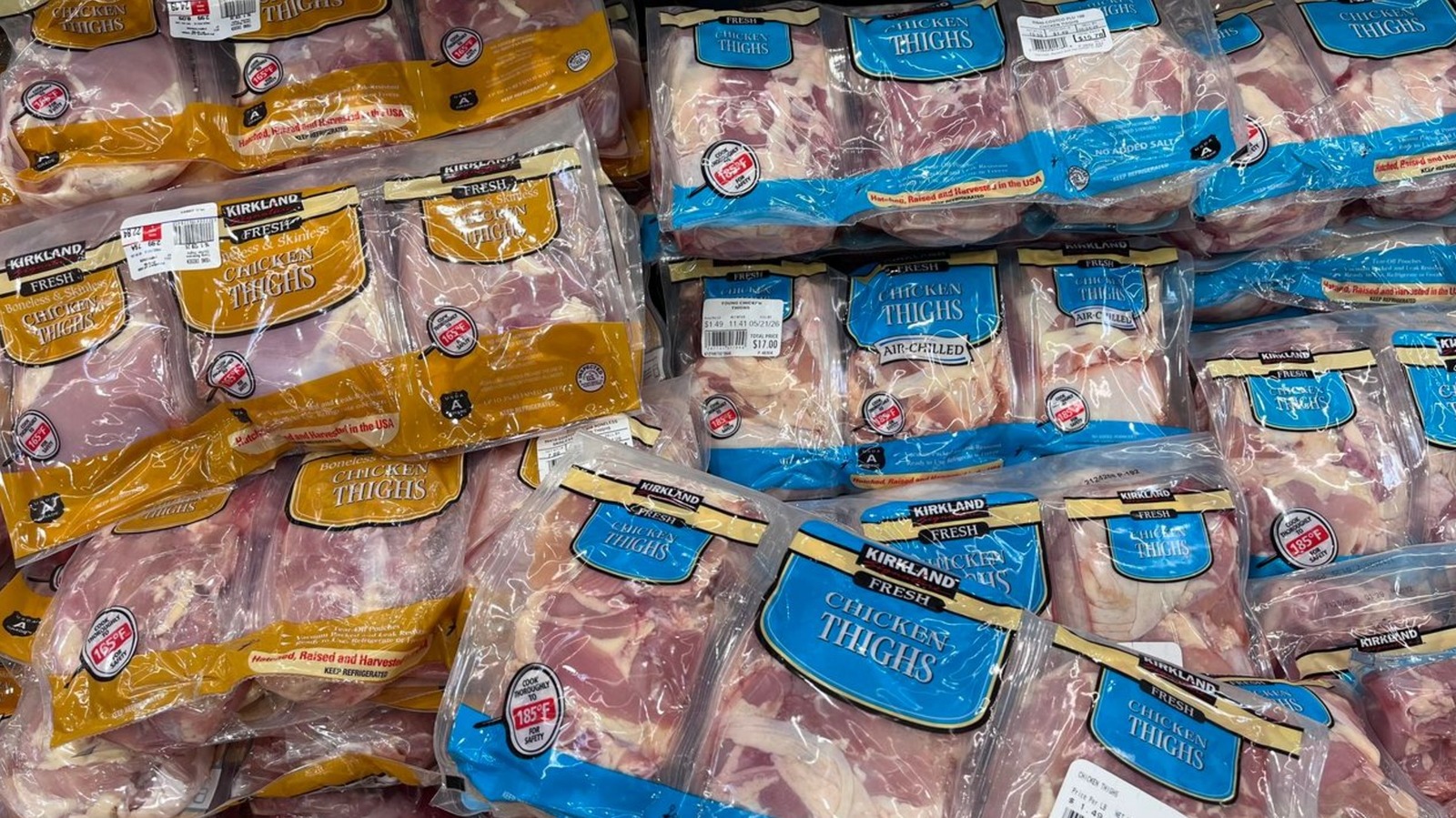
A recurring theme on forums like r/Costco is the nostalgia for the "old" Costco. Long-time members frequently express that the store’s once-unbeatable meat quality has suffered a precipitous drop. Critics point to a narrowing selection of premium cuts and an inconsistent experience when buying staples like beef and chicken. Some shoppers have noted that even when the meat looks presentable in the display case, the texture, marbling, and flavor profile often fall short of the expectations established by years of brand loyalty.
2. The "Woody Chicken" Crisis
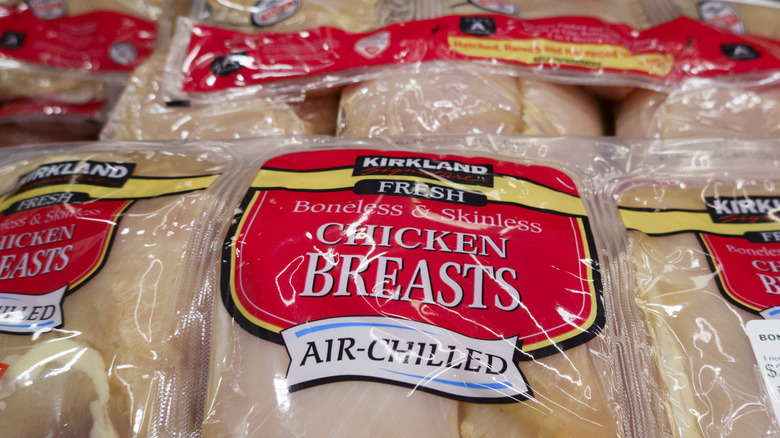
Perhaps the most visceral complaint involves the chicken breast, which many customers report suffering from a condition known as "woody breast." This physiological issue, which results in a tough, fibrous, and rubbery texture, occurs when chickens are bred to grow too large too quickly.
Consumer Frustration and Outreach
The frustration is palpable. One disgruntled shopper went so far as to email the Costco CEO, a testament to the level of agitation caused by a dinner staple that is virtually inedible. Beyond the "woodiness," reports of blood clots and poorly trimmed meat have further soured the experience. Many shoppers, unwilling to endure the "stringy" texture, have reported abandoning the retailer entirely in favor of higher-end grocery stores, such as Whole Foods, even at a higher price point.
3. The Price-to-Value Disconnect
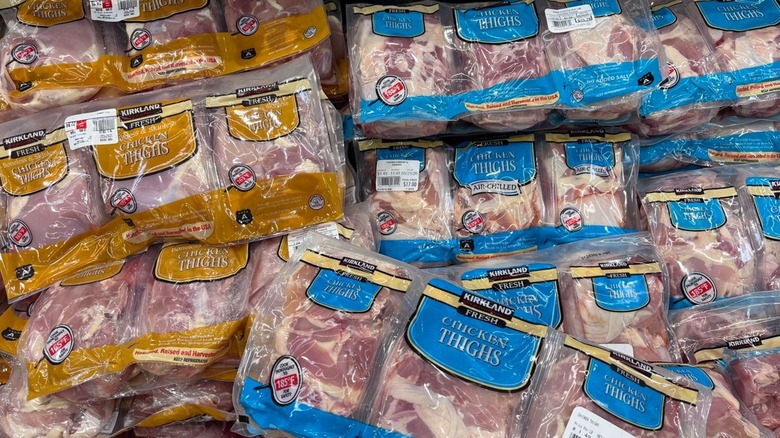
Costco’s primary value proposition has always been the "cost-per-unit" efficiency of bulk buying. However, as meat prices across the United States have surged due to inflation, tariffs, and increased production costs, the value proposition is being re-evaluated.
A Shifting Economic Reality
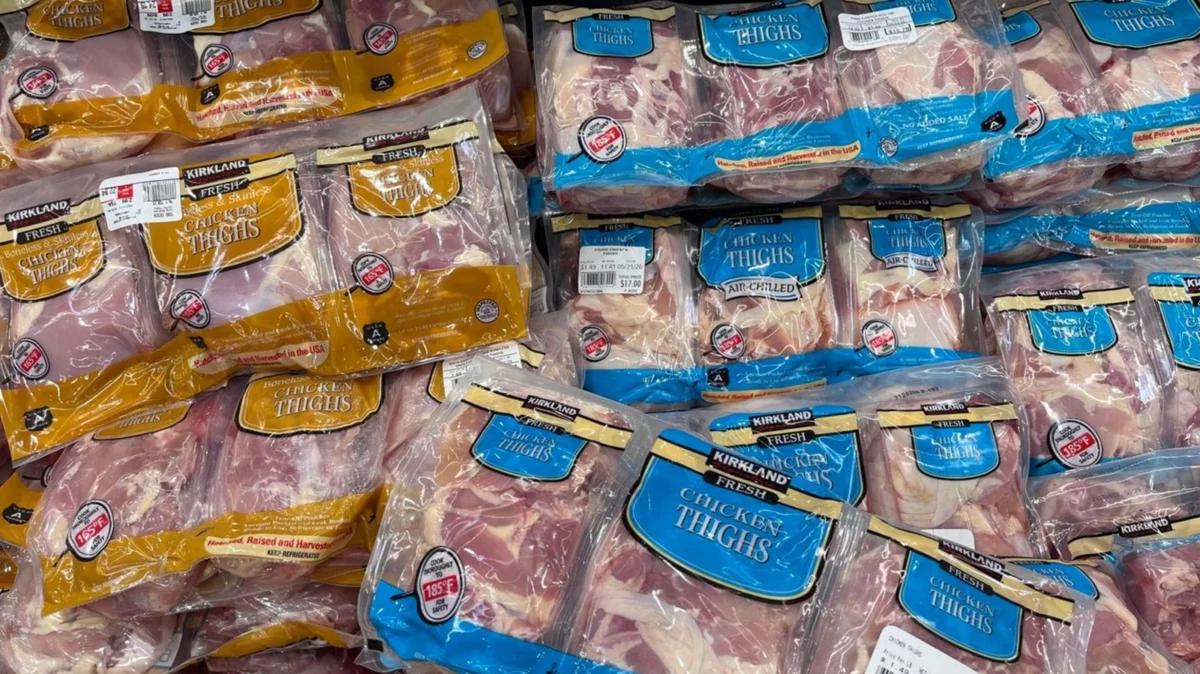
Customers are increasingly vocal about the sticker shock at the meat counter. When the quality is perceived to be dipping while prices are rising, the logic of buying in bulk begins to crumble. For instance, shoppers have noted inconsistencies where packages of marinated skirt steaks—sitting side-by-side—feature price-per-pound discrepancies, suggesting rapid, real-time price adjustments that leave consumers feeling alienated. For families on a budget, the risk of investing a large sum of money into a bulk pack of meat that may not meet expectations has become a significant deterrent.
4. Shelf-Life and Spoilage Concerns
A major benefit of buying in bulk is the ability to stock the freezer for weeks or months. Yet, a startling number of reports suggest that Costco’s meat is spoiling far faster than expected, often within 24 hours of purchase.
The "Grey Meat" Phenomenon
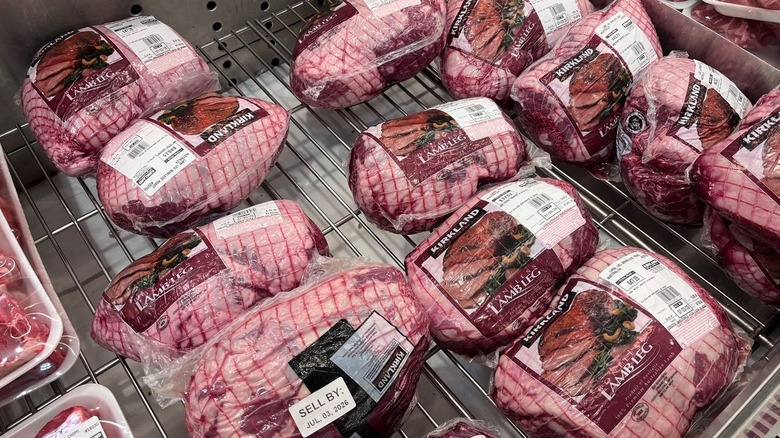
Social media is rife with photographic evidence of ground beef, steaks, and pork chops that exhibit signs of decay—such as a greyish tinge or an unpleasant odor—well before their "sell-by" dates. This has led to an uptick in return requests at customer service desks. When a customer has to spend time returning a package of rotten meat, the "convenience" of shopping at a warehouse club is replaced by the frustration of wasted time and spoiled meals.
5. The Rotisserie Chicken: A Fallen Icon
The Costco rotisserie chicken is more than just dinner; it is a cultural touchstone. Sold at a loss to the company, it is the primary anchor for many members’ shopping trips.
Flavor and Size Inconsistencies
Despite its fame, the rotisserie chicken is no longer immune to criticism. Recent complaints highlight a "strange, chemical flavor" and a noticeable decrease in the size of the birds. Consumers who frequently use the carcasses to make homemade stock have also noted that the bones and residual meat no longer produce the same quality of broth, suggesting that the sourcing or processing of these chickens may have shifted in ways that negatively impact the final product.
6. The Bacon Quality Issue
Kirkland Signature bacon was once considered the gold standard for grocery store bacon. Today, that reputation is being challenged by reports of extreme inconsistency.
The "Fat-to-Meat" Ratio
The most common grievance regarding bacon is the excessive fat content and the uneven slicing of the strips. Because the slices vary in thickness, achieving an even cook is nearly impossible. Some Reddit users have gone so far as to claim that manufacturers are using a single "high-quality" slice on the top of the package to mask the subpar, fatty product underneath. This perceived "bait and switch" has led many longtime purchasers to switch to other brands, concluding that the savings are no longer worth the frustration.
Chronology of Complaints
- Pre-2020: High customer satisfaction, with Costco meat cited as the best value for quality in the retail sector.
- 2020–2021: Early reports of supply chain disruptions emerge; consumers begin noting minor quality dips, often attributed to the chaos of the pandemic.
- 2022–2023: Inflation accelerates. Customers begin reporting significant price hikes and more frequent instances of woody chicken and premature spoilage.
- 2024–Present: A surge in social media-led criticism, with specific, documented complaints about bacon quality and "chemical" tasting rotisserie chickens becoming mainstream discourse among the membership base.
Implications for Costco and the Retail Market
The implications of these complaints are significant. Costco operates on a membership-based model where trust is the primary currency. If members feel that the quality of the items they buy most frequently—the staples of their weekly diet—is failing to meet basic standards, the long-term retention of those members could be at risk.
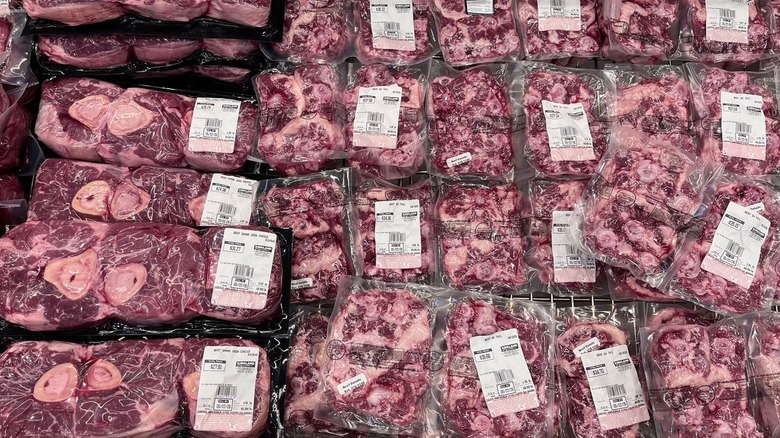
While Costco has not issued a formal, company-wide response regarding these specific meat department trends, the brand has historically relied on its generous return policy to mitigate individual customer dissatisfaction. However, a return policy is a reactive measure, not a preventative one. To maintain its market dominance, Costco may need to re-examine its supplier contracts and quality control protocols to ensure that the "bulk" experience does not continue to be synonymous with "diminished quality."
For the average consumer, the current climate serves as a cautionary tale. While the warehouse model remains a powerful tool for savings, shoppers are advised to remain vigilant: inspect packages closely before placing them in the cart, prioritize quick consumption of fresh proteins, and do not hesitate to utilize the return policy if products fall below standard. As the retail landscape evolves, the relationship between the consumer and the warehouse club will continue to be defined by this delicate balance of price, quality, and trust.