Main Facts of the Case
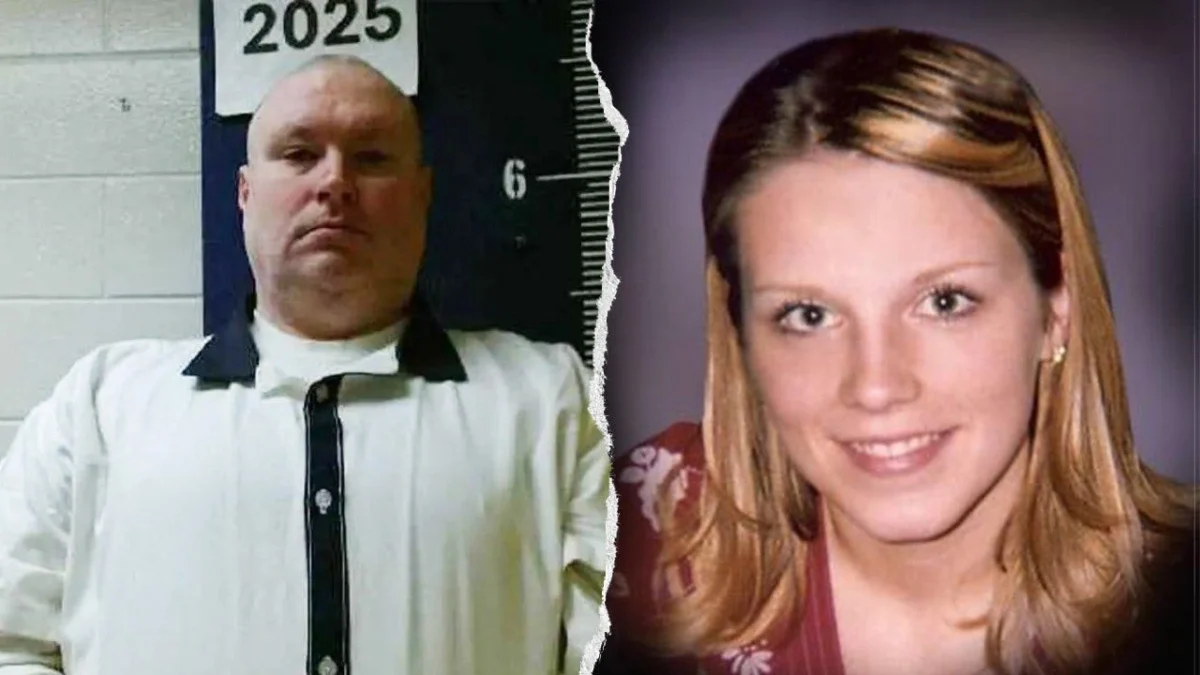
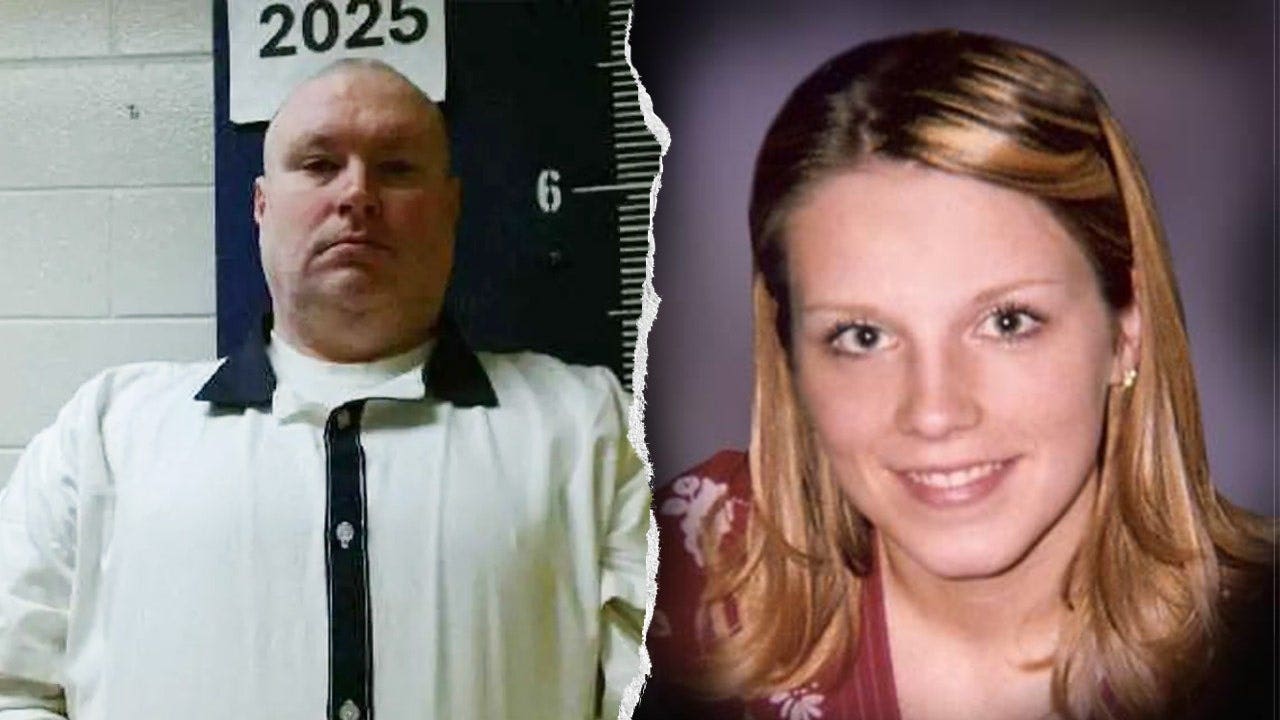
More than two decades after a brutal double homicide shattered the suburban peace of Cobb County, Georgia, the state is preparing to carry out the death sentence of Stacey Ian Humphreys. Humphreys, now 53, was convicted of the execution-style murders of two real estate professionals, 21-year-old Lori Brown and 33-year-old Cynthia "Cyndi" Williams. Barring a rare intervention in the form of a last-minute judicial stay or executive clemency from the Georgia State Board of Pardons and Paroles, Humphreys is scheduled to be executed by lethal injection at the Georgia Diagnostic and Classification Prison in Jackson on September 16.
The crime occurred on November 3, 2003, inside a model-home sales office in the Oakwind subdivision, an upscale, rapidly growing residential development in Powder Springs, Georgia. The victims were performing routine duties in an environment designed to be open and welcoming to the public. This accessibility, a standard requirement of the real estate profession, ultimately left them vulnerable to a predator.
Humphreys, driven by severe financial distress, entered the model home armed with a handgun. He confronted Williams first as she returned from her lunch break. Shortly thereafter, Brown arrived at the office, unknowingly walking into an active armed robbery. Humphreys held both women at gunpoint, forced them to strip to their undergarments to delay any potential pursuit, and subsequently shot them both in the head. He then fled the scene with their ATM cards and personal belongings. Investigators later confirmed there was no evidence of sexual assault, establishing that the primary motive for the killings was robbery.
The brutality of the crime and the arbitrary selection of the victims sent shockwaves through the local community and the national real estate industry. For twenty years, the families of the victims have navigated the complex and slow-moving channels of the capital appeals system, awaiting the final execution of the sentence handed down by a Georgia jury in 2007.
+---------------------------------------------------------------------------------+
|                                TIMELINE OF EVENTS                               |
+---------------------------------------------------------------------------------+
|                                                                                 |
|  Nov 3, 2003: Williams & Brown murdered at Oakwind subdivision, Powder Springs  |
|       │                                                                         |
|  Nov 8, 2003: Humphreys apprehended after high-speed chase in Wisconsin         |
|       │                                                                         |
|  Late 2007:   Convicted of malice murder; sentenced to death in Glynn County    |
|       │                                                                         |
|  Dec 2025:    Execution scheduled; postponed due to legal challenges & appeals  |
|       │                                                                         |
|  Recent:      Judge rejects defense motion alleging historical jury misconduct  |
|       │                                                                         |
|  Sept 16:     Scheduled execution date at Georgia Diagnostic Prison             |
|                                                                                 |
+---------------------------------------------------------------------------------+
Chronology of Events
The events surrounding the murders, the subsequent interstate manhunt, and the decades-long legal battle follow a complex timeline:
The Day of the Murders: November 3, 2003
On the morning of November 3, 2003, Lori Brown and Cyndi Williams were staffing the model-home office at the Oakwind subdivision. Williams had briefly left the office for lunch, leaving the site temporarily vacant. Upon her return, she was confronted by Humphreys, who was armed and seeking immediate cash.
Moments later, Brown returned to the office. She was in the midst of planning her wedding to her high school sweetheart, scheduled for 2004; her wedding-planning notebook remained open on her desk. She walked directly into the robbery. Humphreys forced both women into a back room, ordered them to undress, shot them, and stole their bank cards.
The Manhunt and Arrest: November 3–8, 2003
Following the murders, Humphreys used the victims’ stolen ATM cards to withdraw more than $3,000 from local banks. Realizing that local law enforcement would quickly identify him, he fled Georgia in a rented Jeep Grand Cherokee, heading north toward the Canadian border.
On November 8, 2003, a patrol officer in Waukesha County, Wisconsin, spotted the rental vehicle. When the officer attempted a traffic stop, Humphreys initiated a high-speed pursuit. The chase ended with his apprehension. Inside the rental vehicle, investigators recovered the murder weapon, which was later found to have Williams’ blood on it. A subsequent search of Humphreys’ personal vehicle in Georgia revealed traces of Lori Brown’s blood.
Prosecution and Sentencing: 2007
Due to extensive pretrial publicity in Cobb County, the trial was moved to Glynn County, Georgia. In 2007, a jury found Humphreys guilty of two counts of malice murder, armed robbery, kidnapping, and aggravated assault. He also pleaded guilty to possession of a firearm by a convicted felon. The jury recommended the death penalty, and the court sentenced him accordingly.
Post-Conviction Appeals and Postponements: 2008–Present
For nearly two decades, Humphreys’ legal team filed numerous state and federal appeals. The state initially scheduled his execution for December 17, 2025, but the Georgia State Board of Pardons and Paroles postponed the date to allow for the resolution of pending legal challenges.
Recently, Humphreys’ defense team filed an emergency motion to set aside the death sentence, alleging extreme jury misconduct during the 2007 trial. On the Thursday preceding the scheduled September 16 execution, a Georgia judge formally rejected this motion, clearing one of the final legal hurdles to the execution.
Supporting Data and Investigative Findings
The investigation into the Oakwind subdivision murders yielded definitive forensic and financial data that solidified the state’s case against Humphreys.
Forensic Evidence
The physical evidence connecting Humphreys to the crime scene was substantial:
- The Murder Weapon: Ballistics testing confirmed that the handgun recovered from Humphreys’ rental Jeep Grand Cherokee in Wisconsin was the weapon used to kill both women. Forensic analysts discovered DNA matching Cyndi Williams on the barrel and frame of the firearm.
- Vehicle Blood Spatter: Forensic technicians discovered trace amounts of Lori Brown’s blood inside Humphreys’ personal vehicle, indicating he had transported items or clothing containing her DNA immediately after the shootings.
- Financial Footprint: ATM surveillance footage and transaction logs documented Humphreys withdrawing over $3,000 using the victims’ debit cards within hours of the murders.
Financial Distress as Motive
Investigative records revealed that Humphreys was under severe financial pressure at the time of the crimes. He had fallen behind on his vehicle payments and had recently secured a high-interest payday loan that he was unable to repay. Investigators concluded that these compounding debts drove him to target the model-home office, which he believed would yield quick cash or easily accessible financial assets.
Capital Punishment Statistics in Cobb County
Ed Greathouse, a retired supervisory investigator with the Cobb County Judicial Circuit who assisted in the prosecution, highlighted the rarity of the death penalty in the jurisdiction.

"I did 13 death penalty cases in Cobb County during my tenure, and that was, I think, one of two we actually achieved the death penalty," Greathouse stated. "It’s really rare."
The rarity of the sentence underscores the egregious nature of the crimes, which involved multiple victims, kidnapping, and armed robbery.
Official Responses and Legal Proceedings
The impending execution has renewed statements from law enforcement officials, the prosecution team, and the victims’ families, highlighting the long-term impact of the case.
Law Enforcement Perspectives
Investigator Ed Greathouse recalled the international implications of the chase, noting that Humphreys was actively fleeing toward the Canadian border when he was intercepted in Wisconsin.
"It was fairly common knowledge in prison, where he had been, and certainly in law enforcement, that if you get to Canada, Canada won’t extradite you back to the United States unless the prosecutor absolutely will not pursue the death penalty," Greathouse explained. The swift action of the Waukesha County Sheriff’s Department prevented Humphreys from crossing the border and avoiding capital prosecution.
During his initial interrogation, Humphreys claimed he had no memory of the actual shootings, yet he acknowledged his guilt to investigators, stating, "I know I did it. I know it just as well as I know my own name."
Judicial Rulings
The recent legal challenge filed by Humphreys’ defense attorneys alleged that jurors in the 2007 trial engaged in misconduct that prejudiced the sentencing phase. However, the Cobb County Superior Court rejected the motion, ruling that the defense failed to present sufficient evidence to overturn a long-standing verdict. This decision leaves the defense with few remaining avenues for appeal before the scheduled execution date.
Family Response
For Linda Brown, Lori’s mother and a veteran real estate agent, the passage of 23 years has not diminished her desire for justice, though it has strained her confidence in the swiftness of the judicial system.
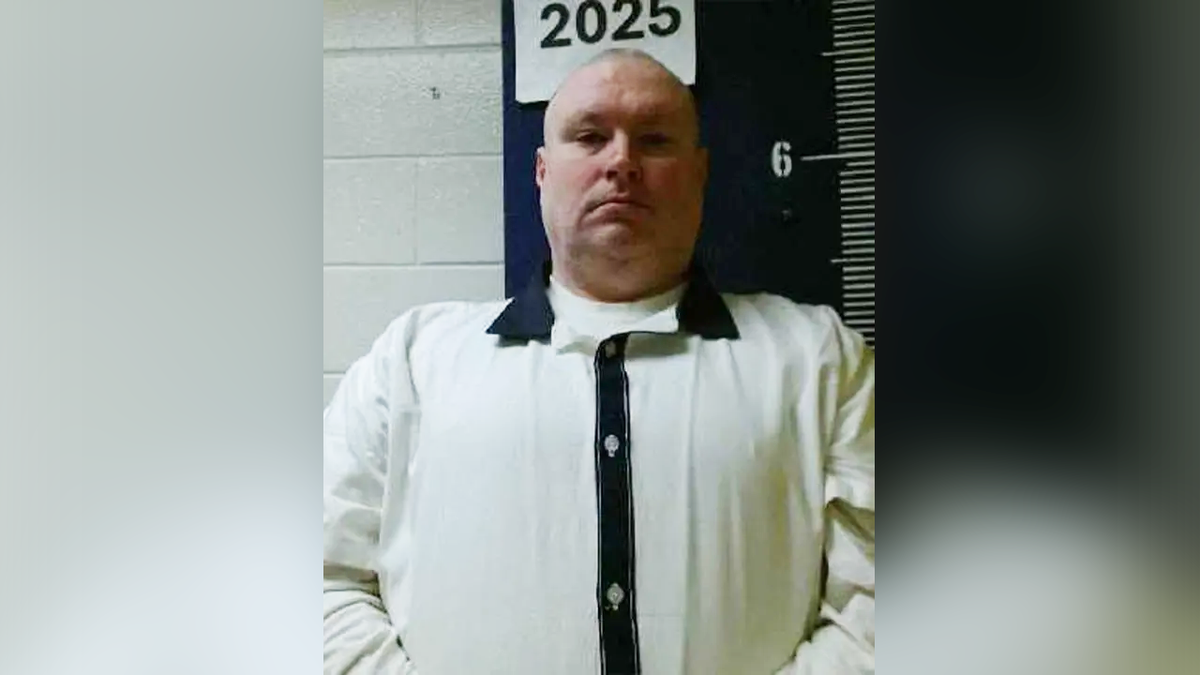
"Not only did we lose these two girls, but we had to go through four and a half years waiting for a trial to come to an end. So, here we are 23 years later," Linda said. "I’m still in favor of the death penalty for this man that took their lives."
Implications: Real Estate Safety and the Legacy of the Victims
The murders of Lori Brown and Cyndi Williams exposed systemic safety vulnerabilities within the real estate industry, prompting structural changes in how agents conduct business.
National REALTOR® Safety Month
Every September, the real estate industry observes National REALTOR® Safety Month, an initiative aimed at educating agents about the inherent risks of meeting unknown individuals at vacant properties or staffing isolated model homes.
Linda Brown has used her platform as both a surviving parent and an active real estate professional to advocate for safety protocols. Despite the tragedy, she chose to remain in the profession, refusing to let the crime dictate her career. "I thought about it a long time, and I decided that I was not going to let this man drive me out of my profession," she said.
Operational Safety Adjustments
The legacy of the 2003 tragedy is reflected in the safety strategies now taught to real estate professionals nationwide:
- Client Screening: Agents are encouraged to meet new clients at a main office or obtain a copy of a driver’s license before showing a property.
- Situational Awareness during Showings: Industry standards now dictate that agents walk behind prospective buyers when touring homes, ensuring they are never cornered in basements, closets, or dead-end hallways.
- Model Home Security: Modern master-planned subdivisions often employ security cameras, panic buttons, and buddy-system staffing policies to protect agents working in model-home sales offices.
While Linda Brown acknowledges that these protocols are vital, she maintains that her daughter and Williams were caught in an unusually vulnerable position. "I’m not saying that what happened to Lori and Cyndi, that they could have done anything different from what they did," she reflected. "They were very vulnerable."