For years, Atsushi Nishigori served as a vital architect within the high-stakes machinery of the anime industry. A veteran of the legendary studio Gainax, he was a key figure in the orbit of visionaries like Hiroyuki Imaishi and Kazuya Tsurumaki. His fingerprints are on some of the most influential works of the modern era, from the frantic kineticism of FLCL to the existential gravity of Neon Genesis Evangelion. He later lent his expertise to The Idolmaster, Darling in the Franxx, and the monumental Shin Evangelion.
Yet, for every frame he helped realize for others, a backlog of images, character designs, and emotional fragments remained trapped in his own imagination. With the upcoming anthology film Grotesqqque, produced by CloverWorks and set for release on November 6, 2026, Nishigori has finally been granted the creative autonomy to unspool these internal archives.
The Genesis of an Anthology
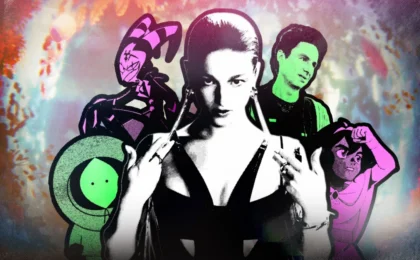
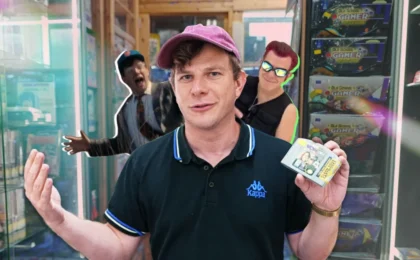
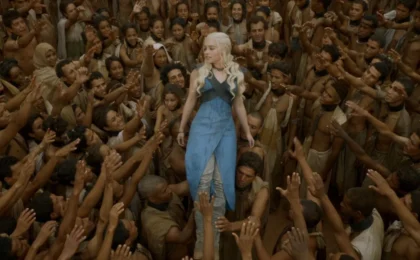
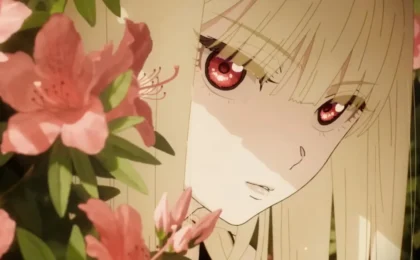
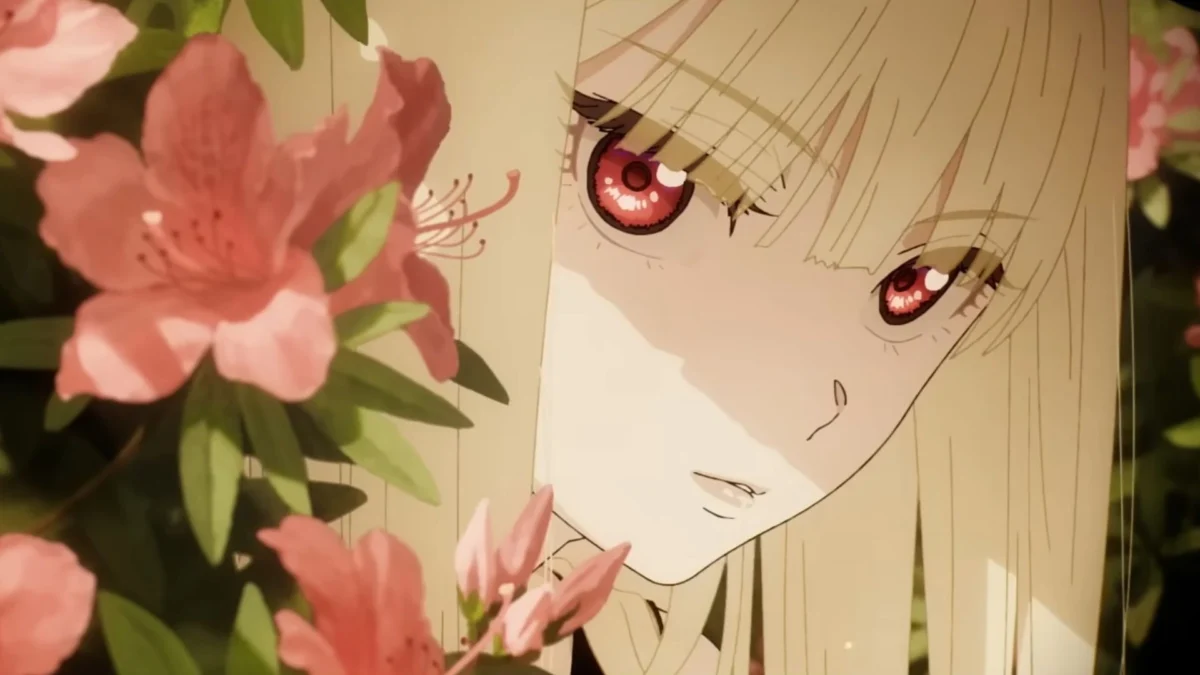
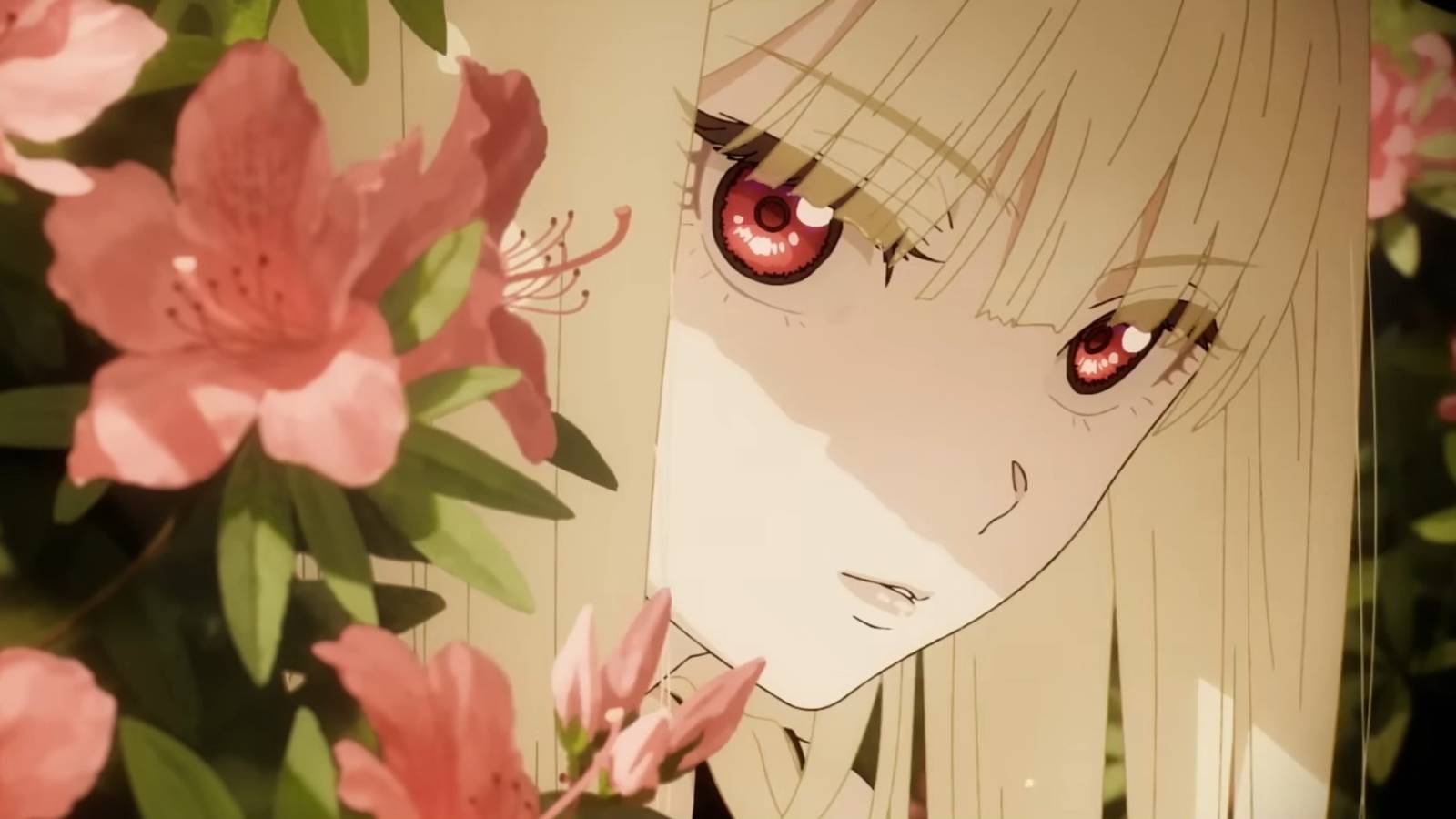
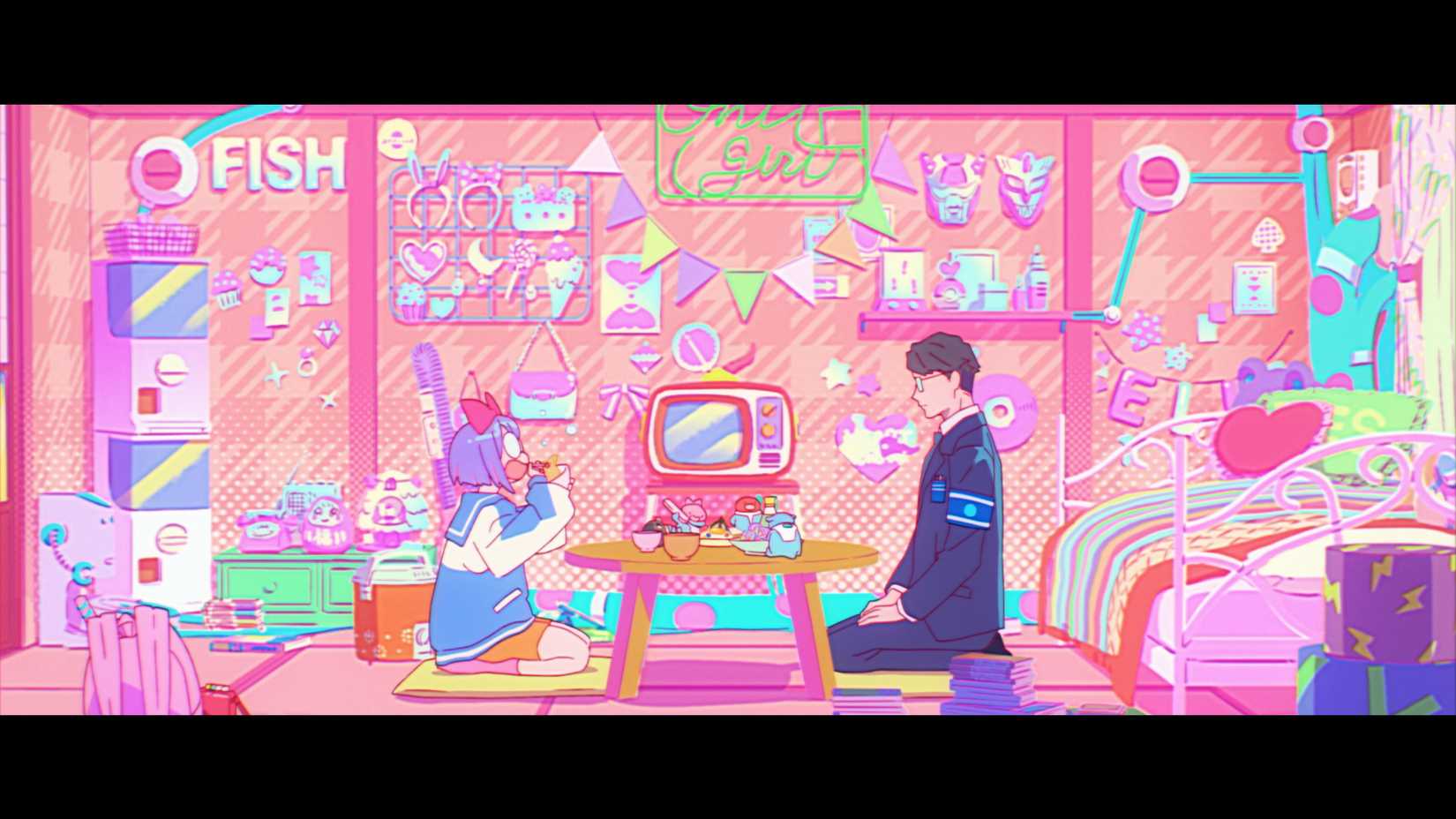
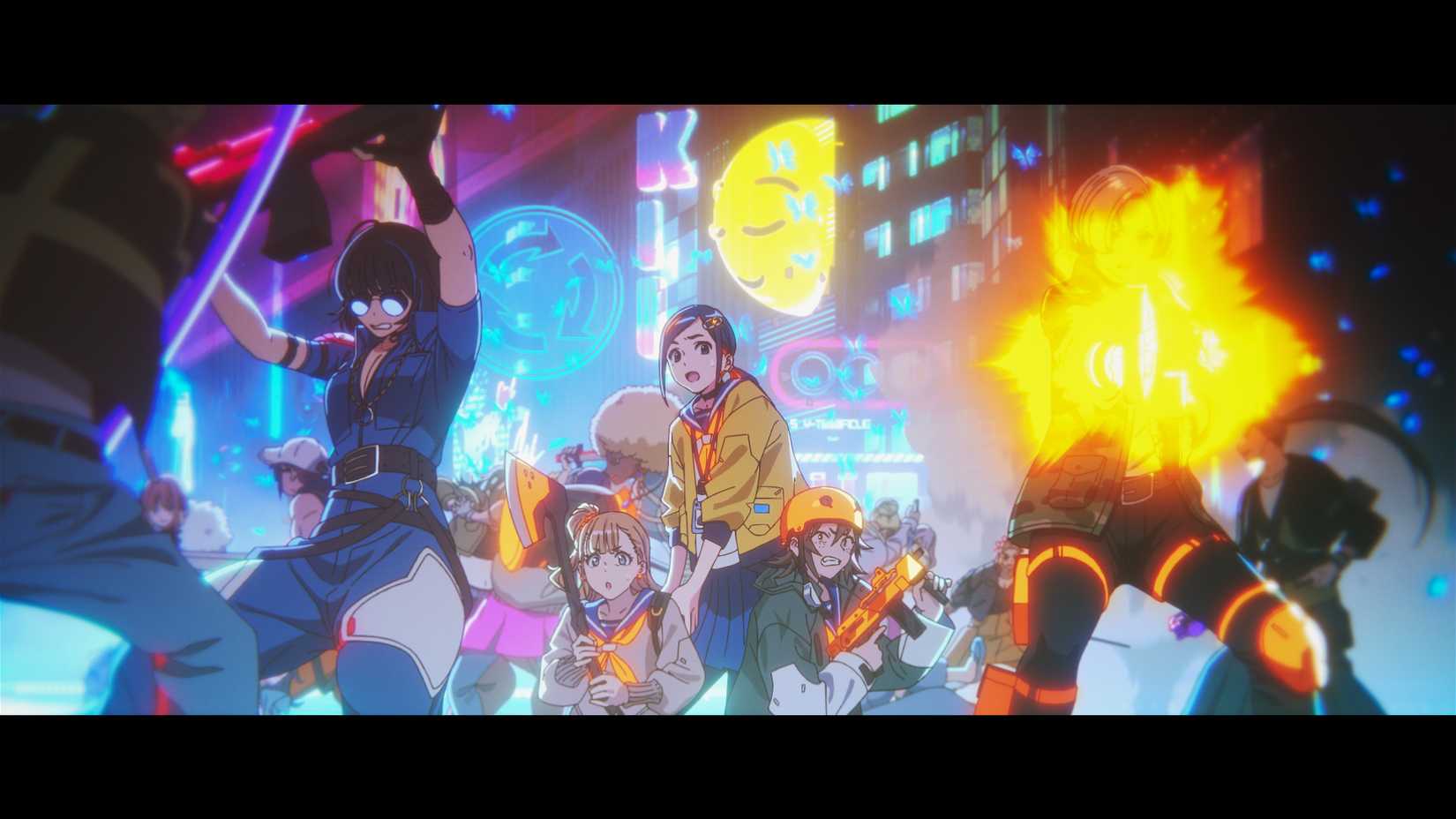
Grotesqqque is an original 104-minute anthology film that rejects the comfort of a singular, cohesive narrative in favor of a triad of disparate, jarring, and deeply personal stories. The film features an alien comedy, a high-stakes battle royale set in a world of eternal night, and a melancholic vampire fantasy set in a post-human landscape.
The project represents a fundamental shift in Nishigori’s process. Where his previous work was often defined by the rigorous demands of established franchises and collective studio visions, Grotesqqque is defined by a "visual-first" philosophy.
"There were always a lot of scenes and character designs that I had wanted to do in the past, and I had just been piling them up inside me," Nishigori shared with Polygon during a recent interview. "I really wanted to bring all of those ideas I had in my mind into this work, so I asked the company to let me make something where I could do whatever I wanted."
A Chronology of Creative Liberation
The journey toward Grotesqqque began long before the film’s world premiere at the Fantasia International Film Festival on July 24, 2026. For Nishigori, the film acts as a temporal bridge—a collection of ideas spanning his entire career, refined through the lens of his current artistic maturity.

- The Gainax Years: Nishigori’s early exposure to the experimental ethos of Gainax established his love for "unorganized" emotional storytelling.
- The Middle Period: Work on The Idolmaster and Darling in the Franxx taught him the mechanics of character-driven drama, lessons he now seeks to subvert rather than replicate.
- The Development Phase (2025): CloverWorks greenlit the project, allowing Nishigori to move away from rigid scripts and toward a rhythm-based, musical-video style of visual storytelling.
- The Premiere (July 2026): The film’s debut at Fantasia signaled a departure from traditional narrative structures, drawing praise for its stylistic boldness.
- The Wide Release (November 6, 2026): The Japanese theatrical premiere marks the culmination of Nishigori’s push for a new, experimental language in anime.
The Aesthetics of the Unfinished
Perhaps the most striking aspect of Grotesqqque is its embrace of the "undefined." In an industry that often prioritizes absolute clarity and world-building precision, Nishigori is intentionally leaving seams exposed.
"Even as the creator of this film, there are many emotions and thoughts within me that aren’t completely set in stone or clarified," he admitted. "Because I gathered so many different elements, some things naturally remain a bit undefined."
He views the film not as a solved puzzle, but as a "long-format music video." By prioritizing visuals and music over narrative exposition, he allows the audience to project their own interpretations onto the screen. In the story "Nocturne," for instance, the setting—a world devoid of humans—is never fully explained. The focus remains on the interactions of the four girls left behind. For Nishigori, this silence is intentional. He wants the viewer to imagine what came before, turning the audience into an active participant in the story’s creation.

Supporting Data: Why "Grotesque" Means Beauty
The title Grotesqqque might suggest horror or the uncanny, but for the director, it is a term of endearment for the "unorganized." He argues that the best anime are those that allow for messy, conflicting emotions to coexist.
Nishigori’s approach relies on the principle of contrast. By placing an alien comedy next to a brutal battle royale, he creates a rhythmic tension. He intentionally avoids making these stories feel "seamless." Instead, he wants the friction between them to provoke a reaction.
| Story Segment | Genre | Core Element |
|---|---|---|
| Aeliens | Sci-Fi Comedy | Absurdist, non-sequitur humor |
| Yoroshiku…Shoujo | Battle Royale | High-intensity action and emotional fragility |
| Nocturne | Post-Apocalyptic Fantasy | Atmospheric, lingering melancholy |
By layering recurring locations and conceptual echoes—such as subtle connections he notes between Nocturne and his previous work on Darling in the Franxx—he provides breadcrumbs for the observant viewer without ever confirming a "multiverse" or a shared canon.
Official Responses and Creative Philosophy
CloverWorks has positioned Grotesqqque as a flagship experiment for the studio, signaling a willingness to back veteran creators who want to push beyond the boundaries of standard television and film narratives.
Nishigori remains adamant that the film should not be "decoded." He is wary of the modern tendency to over-analyze media, preferring instead that viewers engage with the work as a sensory experience. "I’d like the audience to approach it almost like a festival," he says. "I want them to come and just bathe in the visuals and the music."
He acknowledges the difficulty of this balancing act: "Finding that exact balance between the originality of the animation and pure entertainment value for the audience is what I paid the most attention to." He is acutely aware that he is asking the audience to trust his rhythm over his exposition, a gamble that has historically paid off for directors like Shinichiro Watanabe or Masaaki Yuasa.
Implications for the Future of Anime
The release of Grotesqqque arrives at a pivotal moment for the anime industry. With the rise of AI-assisted animation and the increasing pressure for content to be "bingeable" and algorithmically sound, Nishigori’s film serves as a defiant counterpoint. It is a work that demands repeat viewings, not to find hidden "lore," but to re-experience the specific, fleeting rhythm of the scenes.
If Grotesqqque succeeds, it may encourage other studios to grant their creative directors more leeway to pursue "messy" or non-linear projects. It challenges the notion that every story must reach a tidy conclusion. By validating the "unorganized" nature of human emotion, Nishigori is carving out a space for the artist to remain vulnerable on screen.
Conclusion: A Living Canvas
As the November release approaches, the mystery surrounding Grotesqqque continues to grow. Is it a coherent meditation on loss and memory, or is it simply a beautiful, disjointed parade of images that the director was desperate to purge from his system?
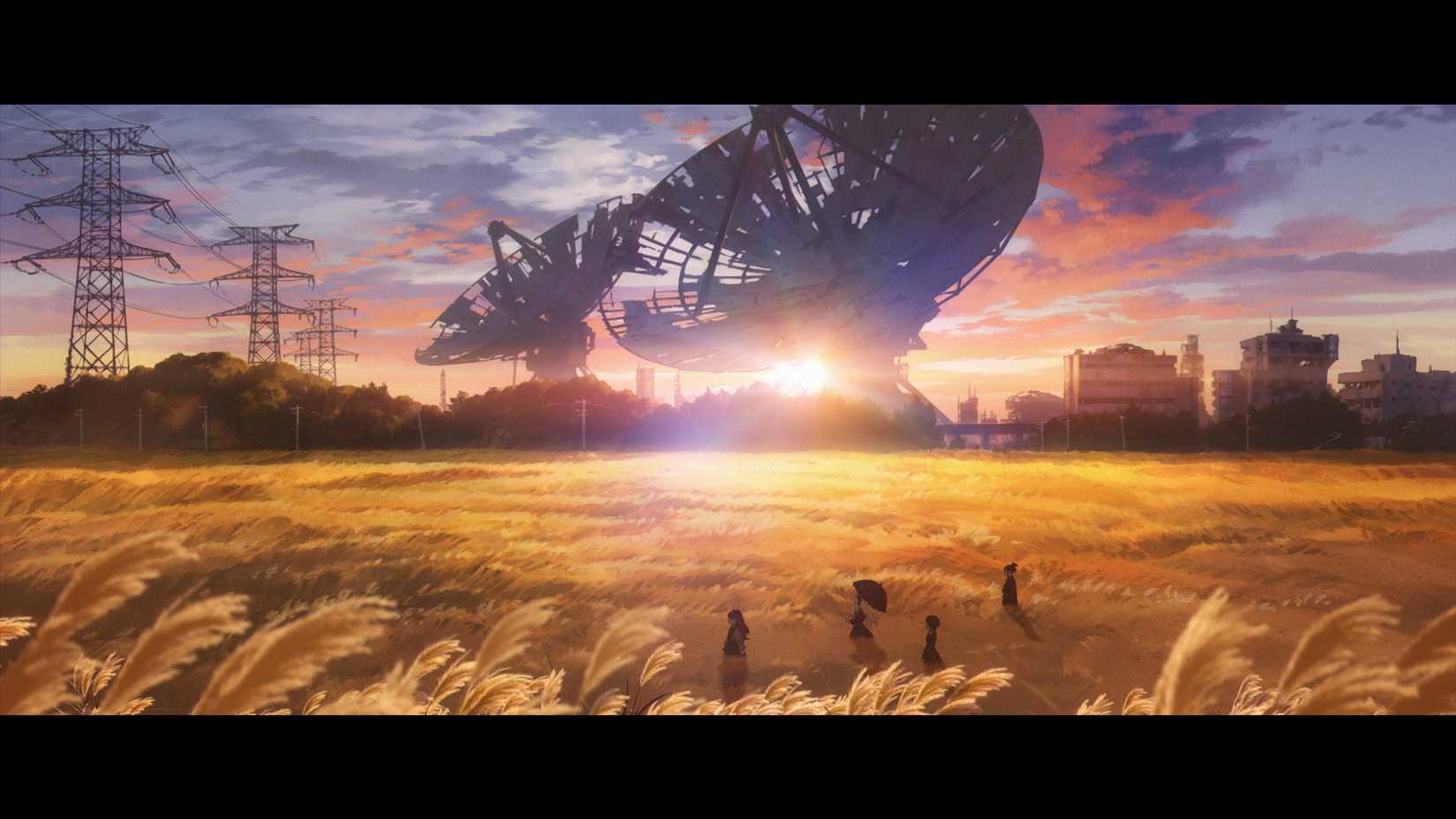
Nishigori suggests it is both. He has created a work that is meant to change with the viewer. "Each time you watch it, you might experience different emotions or make new discoveries in the film," he says.
For the fans who have followed Nishigori from his early days at Gainax through the massive scale of his later successes, Grotesqqque offers a rare opportunity: to see the director not as a technician of the industry, but as a human being finally allowed to be "unorganized." Whether the audience interprets the film as a masterpiece of abstraction or a confusing array of tropes, the director seems satisfied with one outcome: that the viewer leaves the theater having felt something, even if they can’t quite put that feeling into words.