In the expansive landscape of modern literature, few genres command as much devotion—or present as many structural challenges—as Epic Fantasy. It is a genre defined by its ambition, typically characterized by sprawling world-building, intricate magic systems, and a cast of characters that often numbers in the dozens, if not hundreds. Yet, as the genre continues to evolve, its two most prominent architects, Brandon Sanderson and Joe Abercrombie, are engaging in a rigorous debate about the very foundations of the craft.
In a candid conversation shared earlier this year, these titans of fantasy dissected the "map-making" instinct that has long defined the genre. Their discussion highlights a growing tension between the immersive allure of vast, mapped worlds and the necessary, intimate focus required to keep a story grounded, coherent, and emotionally resonant.
The Weight of the Map: A Double-Edged Sword
For decades, the presence of a map at the front of a fantasy novel has served as a seal of quality. It promises the reader a grand odyssey, a world with defined borders, mountains to climb, and vast seas to cross. Brandon Sanderson, a scholar of the genre who maintains an almost academic rigor in his own "Cosmere" universe, acknowledges that this is a natural form for fantasy.
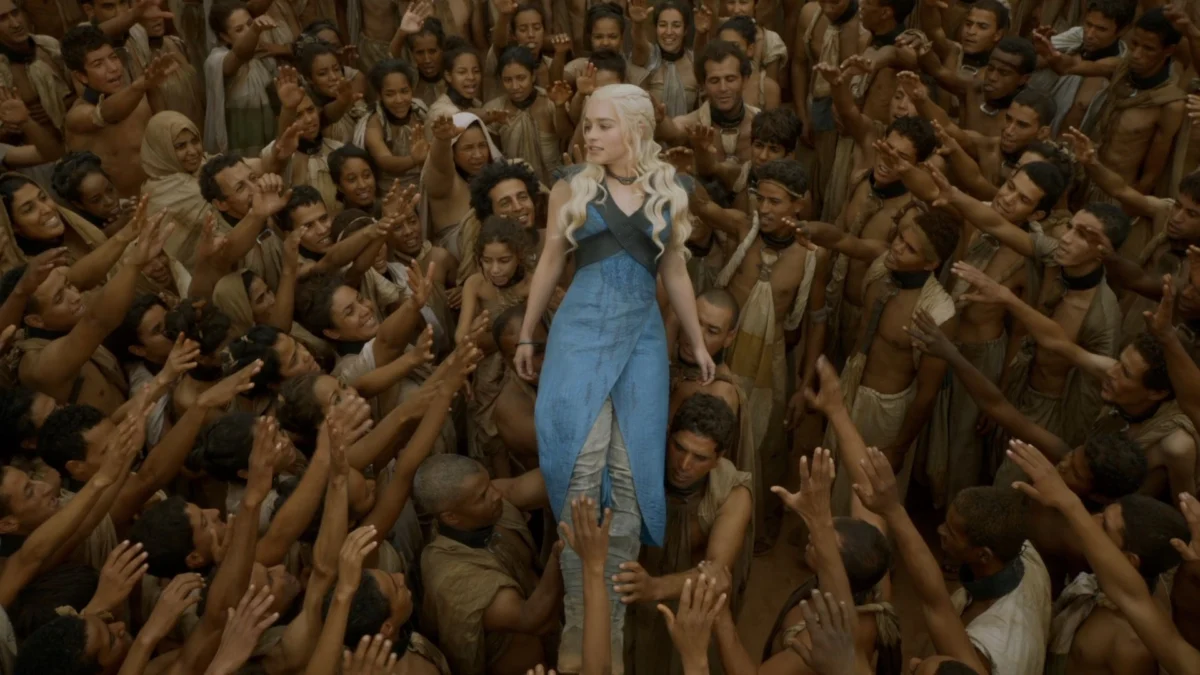
"I grew up reading the big epics," Sanderson remarked during his dialogue with Abercrombie. "It’s the most natural form for fantasy in some ways. It gives you a lot of time to dig into that world and immerse yourself in it and explore another place. I think that’s why Game of Thrones did well."
However, the "map" serves as more than a navigational tool; it acts as a contract between author and reader regarding the physical laws of the world. As the story expands, that contract becomes increasingly difficult to honor. Sanderson points out that the inclusion of a map—and the inherent demand for geographic consistency—can lead to logistical nightmares. When an author decides that a character must travel from Point A to Point B, they are bound by the visual logic established in the front matter. If the timeline of the travel doesn’t match the scale of the map, the suspension of disbelief shatters.
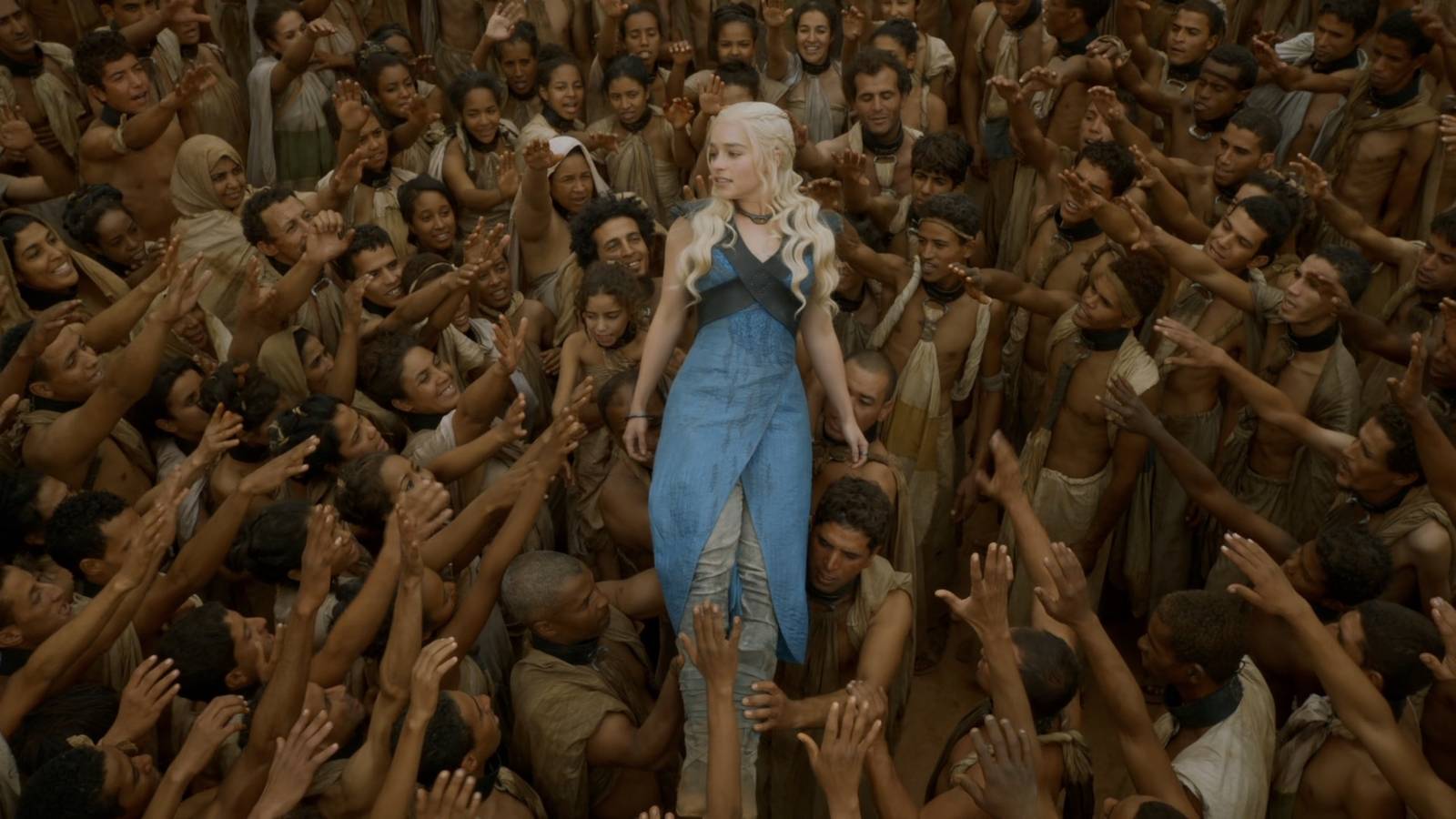
"Once you put the map in, you run into some problems," Sanderson noted. "Maybe like some later Game of Thrones seasons, we’re like, ‘Well, how did they get from here to here?’ When you’re trying to be very realistic when presenting some of that stuff, it can get you into trouble."
The "Tight Close-Up": Abercrombie’s Philosophy
Joe Abercrombie, known for the grit and character-driven cynicism of his The First Law series, takes a more skeptical view of the traditional fantasy map. For Abercrombie, the "wide shot" can often undermine the intimate stakes that make a story truly compelling.
"I mean, I love maps," Abercrombie clarified, "but I think they need to be exercised in the right way. I suppose what I don’t like is a kind of lazy application of maps."
Reflecting on the inception of The First Law, Abercrombie explained that his primary goal was to create a narrative that felt immediate and personal. By starting with a "tight close-up" on his characters, he sought to anchor the reader in the internal lives of his protagonists rather than the external geography of the realm. To start with the "widest shot imaginable" felt, to him, like a tonal mismatch for the grounded, character-focused story he intended to tell.
This philosophy highlights a divide in the genre: the "world-first" approach, where the setting is a character in its own right, versus the "character-first" approach, where the world is merely the stage upon which personal dramas unfold.

Chronology of the Debate: From The First Law to the Cosmere
The discourse surrounding the "map problem" is not new, but it has gained urgency as both authors have seen their works move toward screen adaptation.
- 2006: The publication of The Blade Itself marks a turning point in dark fantasy, with Abercrombie prioritizing character voice over the traditional "map-led" world-building of his predecessors.
- 2010s: As the Game of Thrones television series grows in popularity, the "teleportation" issue (the perceived inconsistency of travel times) begins to dominate online discourse, highlighting the pitfalls of relying on a static map in a fast-paced visual medium.
- 2025: Sanderson and Abercrombie engage in a high-level discussion regarding the release of Abercrombie’s The Devils, re-examining the necessity of maps in modern fantasy.
- 2026: In their most recent exchange, the authors conclude that while maps provide a "sheen of realism," they often place an unnecessary burden on the storyteller to maintain a standard of consistency that may ultimately hinder the narrative’s pace.
Supporting Data: The Cost of Scope
The challenges described by Sanderson and Abercrombie are supported by the history of the genre’s most famous series. A Song of Ice and Fire, the source material for Game of Thrones, serves as the quintessential example of the "scope-creep" dilemma. George R.R. Martin, who has been working on The Winds of Winter for over 15 years, has frequently expressed the difficulty of managing a narrative that has grown exponentially in size.
When an author introduces too many sub-plots and side characters, the "personal" element of the story—the core emotional hook—can become diluted. Sanderson observes, "Authors tend to get more excited about side characters later on. We see this happening a bit in Game of Thrones and in The Wheel of Time. How can you make sure something that big remains fresh and personal and exciting? That’s a real challenge."
This is not just a creative hurdle; it is a burnout factor. Sanderson, who is known for his incredible productivity, admits that even he hits a wall. "I have to take a break from the writing process at around the 10th pass of the draft," he confessed. The sheer logistical weight of maintaining a consistent world across thousands of pages is a primary driver of the long delays fans often experience with epic series.
The Implications for Future Adaptations
The conversation between these two authors carries significant weight, particularly as Brandon Sanderson moves into the realm of major screen adaptations. With a mega-deal with Apple for his Cosmere universe and a screenplay in progress for a Mistborn film, Sanderson is currently in the "pre-production" phase of translating epic, map-heavy literature into a visual, streamlined format.
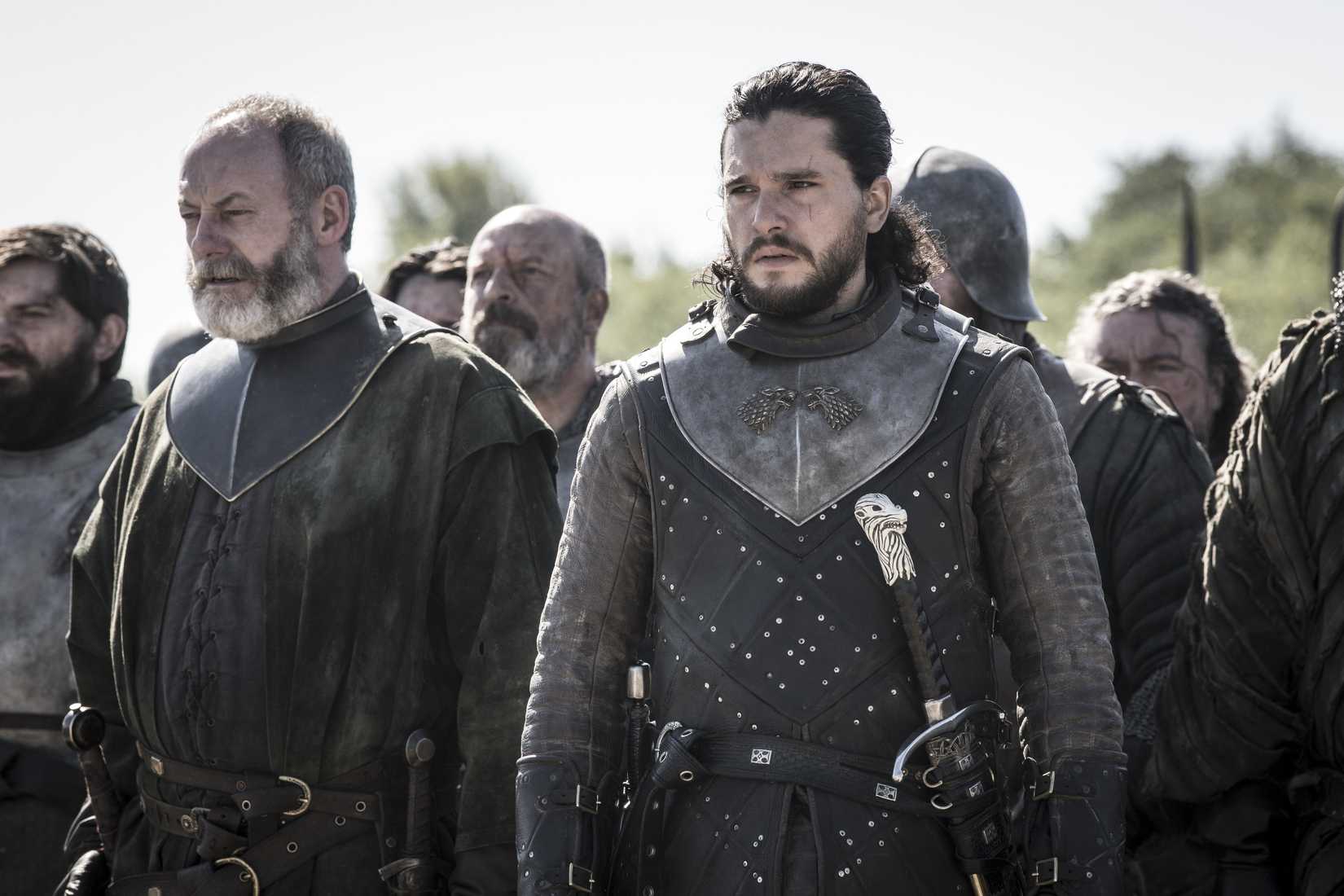
Watching the highs and lows of the Game of Thrones adaptation has clearly informed his approach. By studying where George R.R. Martin’s source material eventually outpaced the screen’s ability to render it, and where the show’s logic faltered, Sanderson is likely attempting to build "adaptability" into his writing from the start.
If the future of Epic Fantasy is to survive the transition from the page to the screen without falling into the traps of the past, authors must learn to balance the "map" with the "moment." As Abercrombie suggested, the map should serve the story, not dictate it.
Conclusion: The Path Forward
The lesson here is one of restraint. Whether it is the vast, meticulously calculated magic systems of the Cosmere or the visceral, human-centric violence of The First Law, the most enduring works are those that do not allow the scale of the world to swallow the humanity of the characters.
As we look toward the next generation of epic fantasy, the "map" may remain a staple of the genre, but it is clear that writers are becoming increasingly wary of its limitations. The future of the genre lies in the ability to zoom in—to maintain the personal, the intimate, and the immediate—even when the story demands the breadth of a continent. For Sanderson, Abercrombie, and their contemporaries, the true mastery of epic fantasy will be found not in how much world they can map, but in how deeply they can anchor the reader within the hearts of those who inhabit it.