The first week of the 2026 college football season has officially entered the record books, and while the heavy hitters largely avoided the "upset bug," the margins of victory—and the eye test—have created a volatile landscape for the upcoming AP Top 25 poll. In a sport where perception is often just as important as production, the initial ballot tallies from the preseason are being stress-tested against the harsh reality of on-field performance.
While the consensus top tier of the sport remains largely intact, the internal ordering of that elite group is set for a dramatic reshuffle. With Week 1 now in the rearview mirror, we analyze how the hierarchy of college football is shifting as voters prepare to finalize their ballots for Tuesday’s update.
The Landscape of the Elite: Defining the Top Seven
Coming into the season, a clear separation existed in the minds of voters: seven programs stood as the undisputed title contenders. Ohio State, Oregon, Georgia, Notre Dame, Texas, Indiana, and Miami occupied this rarified air.
In a week where all seven teams secured victories, one might expect the rankings to remain static. However, the nature of these wins tells a different story. Six of the seven teams dominated their competition, winning by four touchdowns or more. The outlier, Oregon, found itself in a precarious halftime deficit against Boise State, requiring a heroic effort from star quarterback Dante Moore to avoid an early-season disaster. Because of this disparity in performance, the "dominant" teams are expected to climb, while those who merely survived are likely to see their stock take a minor, yet significant, hit.
Detailed Projections: The Top 10 Breakdown
1. Ohio State (Last week: 1)
The Buckeyes remain the team to beat. Their 53-point dismantling of Ball State was a masterclass in efficiency. With the connection between quarterback Julian Sayin and wide receiver Jeremiah Smith looking as lethal as ever, Ohio State has arguably strengthened its grip on the No. 1 spot. While the competition will stiffen, their Week 1 performance was the most complete among the top-ranked teams.
2. Notre Dame (4)
The Fighting Irish are poised for a significant climb. Their 28-point victory over Wisconsin on Sunday night was a statement win that silenced many skeptics who had ranked them lower in the preseason. By shedding the "low-end" ballot votes that dragged them down initially, Notre Dame is now positioned to challenge for the No. 2 spot, reflecting a growing consensus that they belong in the national championship conversation.
3. Georgia (3)
The Bulldogs recorded their highest point total (63) in a season opener since 1941, steamrolling Tennessee State. However, voters remain divided on how to weigh such a lopsided victory against an FCS opponent. While the scoreboard was impressive, Georgia stays steady at No. 3, as the debate over whether they are the absolute best or simply a top-five mainstay continues to simmer.
4. Texas (5)
Arch Manning has arrived. His four-touchdown, 305-yard performance against their season-opening opponent was the best debut for a Texas quarterback since 2020. The ability of the Longhorns to integrate new playmakers like Ryan Wingo and Cam Coleman has validated the preseason hype. A 52-point win guarantees that Texas will head into a potential clash with the Buckeyes with immense momentum.
5. Miami (7)
The Hurricanes were the beneficiaries of an upward trend this week. With eight voters having placed them third or higher in the preseason, the dominant nature of their Friday night victory at Stanford—bolstered by a Heisman-caliber performance from Malachi Toney—will likely consolidate their standing. Miami is a team on the rise, and they are quickly shedding their "dark horse" label.
6. Indiana (6)
The Hoosiers extended their FBS-leading 17-game winning streak with a four-touchdown victory over North Texas. While they faced a momentary scare in the third quarter, the offense—led by Josh Hoover—remained in clinical form. Indiana’s position is locked in; they remain the model of consistency.
7. Oregon (2)
The Ducks represent the week’s biggest "theoretical" slide. While they remain undefeated, the reliance on a career-high 378-yard passing game from Dante Moore to survive Boise State left a sour taste for many voters. In a week where their peers won by 30+ points, Oregon’s narrow escape will likely result in a drop, forcing coach Dan Lanning to address defensive lapses.
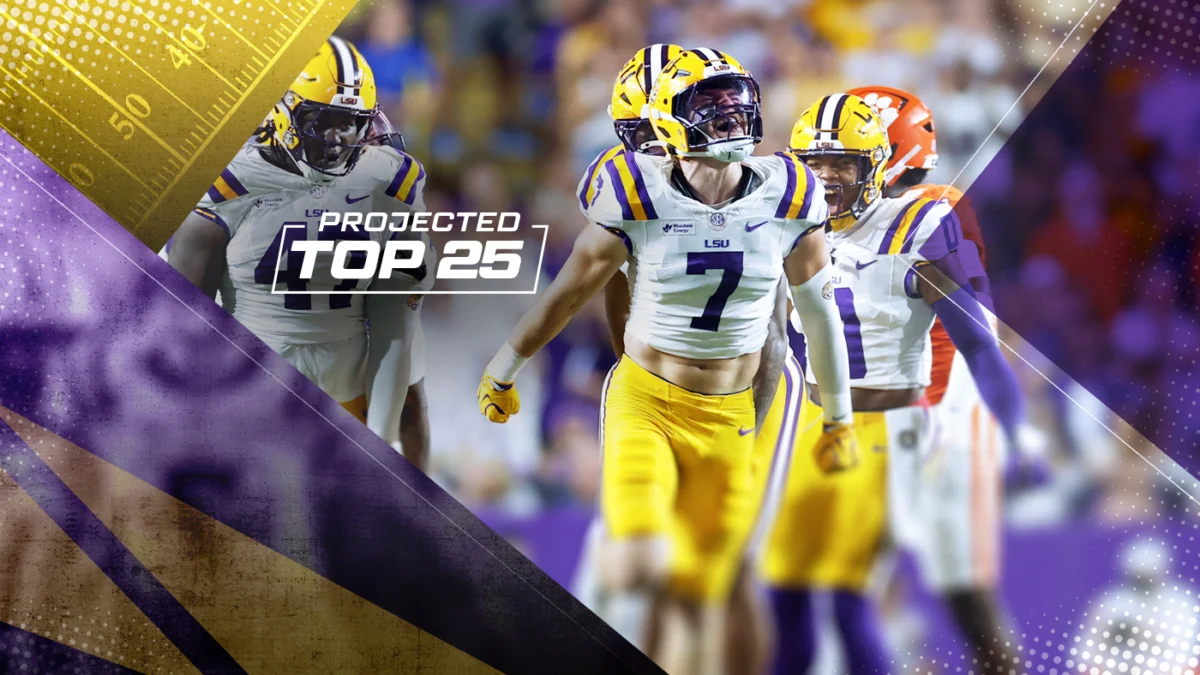
8. LSU (11)
Perhaps the most discussed team of the week, LSU’s 51-10 annihilation of Clemson was a statement heard round the nation. Lane Kiffin’s debut was nothing short of spectacular. While we are keeping the projection conservative, the Tigers are knocking on the door of the top five, and a few bold voters may even place them in the top three.
9. Ole Miss (9)
The Rebels survived a Sunday night thriller against Louisville, proving they have the firepower to beat anyone, but also the defensive vulnerabilities to lose to anyone. Their status remains steady as voters evaluate the long-term viability of this high-octane offense.
10. Texas A&M (8)
The Aggies are the victims of a "math problem." Despite a 50-point shutout, they are being jumped by surging teams like LSU and Notre Dame. It isn’t a reflection of a poor performance, but rather the compression of the rankings as the elite teams separate themselves.
Implications of the Early Season Rankings
The "FCS Factor" and Voter Sentiment
One of the most recurring themes in this week’s voting is the difficulty of evaluating wins against FCS competition. Programs like Georgia, Tennessee, and Missouri put up massive numbers, but voters are clearly struggling to balance these results with performances against Power Four programs. As the season progresses, expect these high-scoring affairs to carry less weight compared to "quality wins" in conference play.
Quarterback Development
The emergence of freshman talent like Keelon Russell at Alabama and Faizon Brandon at Tennessee has injected new energy into the rankings. Voters are increasingly willing to move teams up if they believe the quarterback situation has been stabilized. This "star power" bias is a major driver for teams like Alabama, who look to climb from their current 12th-place standing.
The Danger of "Survival Wins"
The cautionary tale for the 2026 season is the Oregon/Texas Tech/Washington model. Winning is the objective, but the way in which a team wins dictates their trajectory in the AP poll. Programs that rely on late-game heroics to scrape by inferior opponents are being punished in the rankings, regardless of their final record.
Moving Forward: Looking Ahead to Week 2
As we look toward the next iteration of the AP Top 25, the focus will shift from "preseason expectations" to "performance metrics." The upcoming schedule, including Oklahoma’s high-stakes trip to Michigan, will provide the next set of data points to shake up this fragile hierarchy.
For teams currently on the bubble—such as Virginia and Florida—the opportunity is clear. With teams like Houston and Louisville projected to drop out after lackluster performances, the door is open for programs with dominant offensive displays to break into the Top 25.
The 2026 season has begun with a bang, and as the poll shifts on Tuesday, one thing is certain: the conversation has only just begun. The rankings are not merely a reflection of the past; they are a living, breathing document of how the college football world perceives the path to the national championship.