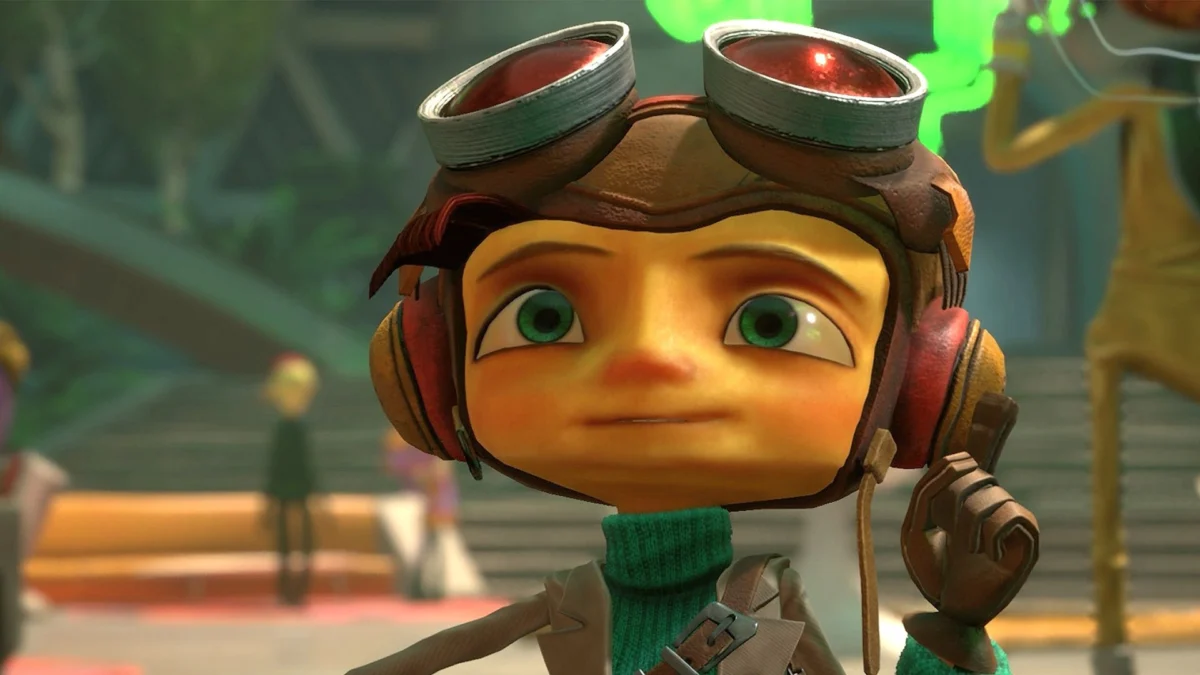
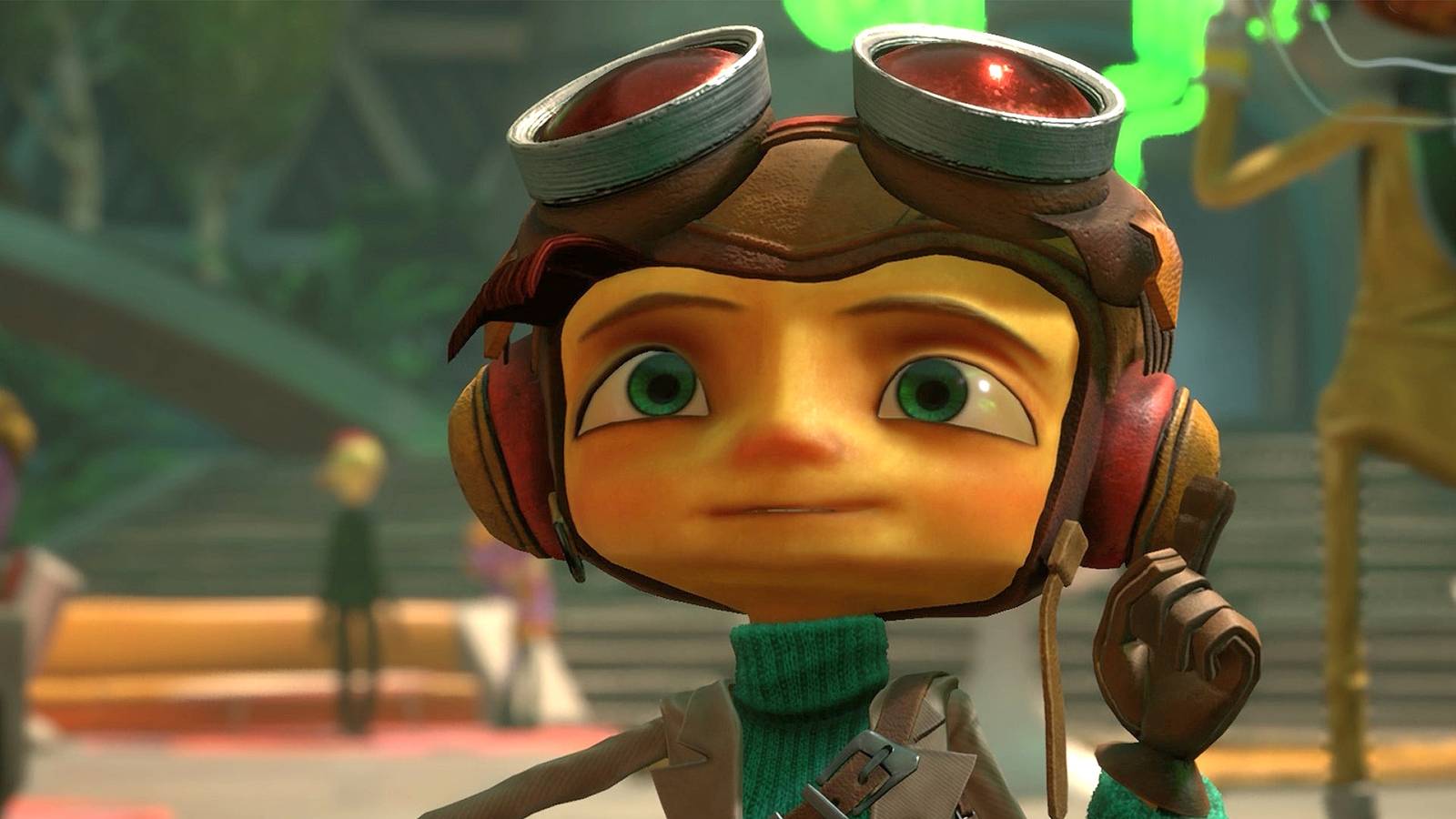
Five years after its landmark release, Psychonauts 2 stands as more than just a critical darling; it serves as a haunting reminder of the divergence between artistic ambition and corporate bottom lines. As we mark the fifth anniversary of Razputin Aquato’s second grand adventure, the game’s legacy is inextricably tied to the tumultuous relationship between its developer, Double Fine Productions, and its parent company, Microsoft/Xbox.
While Xbox funding was the catalyst that allowed Double Fine to cross the finish line, the subsequent years have been defined by a troubling narrative: a studio known for its boundless imagination being caught in the crosshairs of industry-wide mismanagement. As Double Fine once again navigates the waters of independence, the gaming landscape finds itself at a crossroads, caught between the pursuit of "lifelike" fidelity and the enduring power of genuine, creative expression.
The Chronology: A Decade of Dreams and Corporate Realities
The story of Psychonauts 2 is a testament to perseverance. Following the cult success of the original 2005 title, fans spent over a decade clamoring for a sequel. In 2015, Double Fine turned to crowdfunding, raising millions from a community desperate to see Tim Schafer’s vision realized. However, the scope of the project quickly outpaced the initial budget.
In 2019, Microsoft acquired Double Fine, a move that promised to provide the financial stability needed to complete the game. For a brief period, the partnership was hailed as a "golden age" for AA-styled creativity under a AAA umbrella. Psychonauts 2 launched in August 2021 to universal acclaim, proving that a "video-game-ass video game"—one that prioritized mechanics, writing, and cohesive world-building—could still resonate in a market dominated by live-service giants.
Yet, by 2026, the narrative shifted. Following a series of studio closures and layoffs across Xbox Game Studios, it became clear that the corporate appetite for risk-taking was waning. Double Fine, despite its pedigree, found itself in an environment where leadership viewed creative studios as commodities rather than assets. Today, the studio’s return to independence marks the end of an era, leaving observers to question why the industry seems allergic to the very creativity that produces its most beloved hits.
The Architecture of Joy: Why Psychonauts 2 Still Matters
At the heart of the Psychonauts 2 discourse is a fundamental disagreement about what makes a game "good." While modern industry trends lean heavily toward photorealism, massive open worlds, and the integration of AI-driven upscaling—often resulting in a "uncanny valley" effect—Double Fine chose a different path.
The Power of World-Building
The level design in Psychonauts 2 is not merely "psychedelic"; it is psychological. When players traverse the surreal, tooth-laden platforms of a dentist-phobic character’s mind, they are participating in an experience that uses standard platforming mechanics to evoke genuine discomfort and empathy. This is the antithesis of the "lifelike" trend. Instead of aiming for visual perfection, Double Fine aims for emotional resonance.
Mechanics as Storytelling
The "Compton’s Cook-Off" level, which forces players into a high-stress, time-sensitive loop, does not just challenge the player’s reflexes; it mimics the anxiety of the character whose mind the player is inhabiting. This marriage of function and form is what the industry is currently missing. By prioritizing "game-y" staples—collecting, platforming, and puzzle-solving—Double Fine created something more ambitious than any 4K graphical update could achieve.
Supporting Data: The Market’s Silent Protest
The industry’s current obsession with volume over value is increasingly at odds with consumer behavior. Data from the last few years paints a clear picture: audiences are craving variety, not just more of the same.
- The Nintendo Model: As seen with the success of the Switch and the anticipation for the Switch 2, Nintendo has proven that performance hardware is secondary to the "off-the-wall" mechanics that define their franchises.
- The "Donkey Kong Bananza" Phenomenon: With nearly 5 million units sold, titles like Donkey Kong Bananza illustrate that even "niche" franchises can achieve massive success when the gameplay loop is refined and compelling.
- Experimental Risks: New titles like Star Wars Galactic Racer are attempting to bridge the gap between retro-arcade sensibilities and modern roguelike elements. These projects are the "canaries in the coal mine," signaling a desire to break away from the homogenization of the AAA landscape.
Conversely, the major publishers are doubling down on what they know. With few exceptions like Astro Bot, the catalogs of Sony and Microsoft have become dominated by "over-the-shoulder" cinematic action games. By saturating the market with similar experiences, these giants are inadvertently creating an environment where a game like Psychonauts 2 feels like a radical act of defiance rather than a standard product.
Official Responses and Industry Shifts
The recent wave of layoffs and studio restructuring at Xbox has been met with significant backlash, both from the press and the developer community. While Microsoft has framed these moves as necessary for long-term sustainability, the human cost has been immense. The decision to prioritize "higher volume" output over the nurturing of unique, mid-tier creative studios has led to a brain drain that will likely stifle innovation for years to come.
In statements regarding their move back to independence, Double Fine has maintained a focus on their internal culture. Their ability to weather these storms is a testament to the leadership of Tim Schafer, but the fact that they had to fight to remain independent—rather than being supported as a crown jewel of the Xbox portfolio—is a damning indictment of the current corporate strategy.

The Implications: A Future at Risk
As we look toward the next five years, the implications for the gaming industry are clear: we are entering an era of extreme polarization. On one side, we have the massive, trend-chasing blockbusters that prioritize graphics and engagement metrics over artistic vision. On the other, we have the increasingly isolated pockets of creative resistance, like Double Fine, who are fighting to keep the "soul" of gaming alive.
The industry has learned the wrong lesson from Psychonauts 2. Instead of looking at the success of the game and asking, "How can we foster more creativity like this?", the executives have largely asked, "How can we replicate this success with less risk?" The answer, predictably, is that they cannot. You cannot manufacture the soul of a project like Psychonauts 2 through spreadsheets and corporate mandates.
A Call for Change
The path forward requires a fundamental shift in how the "Big Three" (Microsoft, Sony, and Nintendo) approach development.
- Stop the Trend-Chasing: Success is not found in the next "open-world cinematic" clone. It is found in mechanics that are daring, weird, and fun.
- Protect the Visionaries: Studios like Double Fine, Arkane, and Ninja Theory should be treated as hubs of innovation, not factories for content.
- Embrace the "Video-Game-Ass Video Game": The industry must stop apologizing for being games. The most memorable experiences are those that lean into the medium’s unique ability to simulate impossible worlds and emotions.
As Psychonauts 2 celebrates its fifth anniversary, it remains a monument to what is possible when a studio is allowed to be itself. It is a brilliant, messy, and deeply human work of art. The tragedy is not that the game exists—it is that in the current corporate climate, a game like Psychonauts 2 might never be greenlit again. The industry has a choice: continue down the path of hollow, high-fidelity homogeneity, or look back at the lessons of Razputin’s mind and rediscover what it actually means to play.