As global temperatures climb and extreme heat events become more frequent, the residential real estate market is undergoing a fundamental shift. For today’s homebuyers, the priority is no longer just "curb appeal" or square footage; it is "climate resilience." In regions ranging from the sun-drenched corridors of Arizona to the humid coastal expanses of South Florida, buyers are scrutinizing homes with an eye toward comfort, energy efficiency, and long-term sustainability.
Investing in features designed to combat extreme heat is no longer a luxury—it is a strategic financial decision. Whether you are prepping a property for sale in Allen, TX, or looking to purchase a retreat in Casa Grande, AZ, understanding which features drive value in hot-weather markets is essential for navigating the current real estate landscape.
The Core Philosophy: Why Climate-Resilient Housing Matters
The modern buyer is increasingly sophisticated, prioritizing homes that offer a buffer against rising utility costs and the physiological stress of extreme weather. Industry experts agree that the value proposition of a home is now inextricably linked to its thermal performance. A house that requires excessive energy to cool is quickly becoming a liability, while a home engineered for efficiency is viewed as a future-proof asset.
According to Katerina Brosda of Brosda & Bentley Realtors in Miami, the market has shifted toward long-term value. "Buyers prioritize impact-resistant, energy-efficient windows, strong insulation, and high-performance A/C systems," she explains. "Homes designed with climate resilience in mind consistently perform better, both in terms of daily comfort and long-term appraisal value."
1. High-Efficiency HVAC: The Engine of Comfort
At the heart of every hot-weather home is the HVAC system. In the past, buyers simply checked if the air conditioner worked; today, they are looking for high-efficiency, multi-stage, or inverter-driven systems.
The Evolution of Climate Control
These advanced systems are designed to operate at variable speeds, allowing them to maintain a consistent temperature without the frequent on-off cycling of older, inefficient units. This results in quieter operation, better humidity control, and, most importantly, significantly lower monthly electricity bills.
Key HVAC considerations for buyers:
- Variable-Speed Compressors: These allow the system to ramp up during peak afternoon heat and throttle back in the evenings.
- Smart Thermostats: Integration with Wi-Fi allows homeowners to optimize cooling cycles based on real-time weather data and usage patterns.
- Zoning Systems: Enabling independent temperature control for different floors or wings of the home reduces energy waste in unused spaces.
2. The Thermal Envelope: Windows and Insulation
Even the most powerful air conditioner will struggle if a home’s "thermal envelope" is compromised. Energy-efficient windows and high-grade insulation act as the home’s primary defense against solar heat gain.
Why the Envelope Matters
"We are seeing increased demand for homes with owned solar systems, energy-efficient windows, and upgraded insulation," notes Michelle Kolker of Team Kolker Wendlandt. When heat transfer is minimized through high-performance glazing and attic insulation (such as spray foam or blown-in cellulose), the HVAC system runs less frequently, extending the lifespan of the equipment.
Critical Upgrades:
- Low-E Glass Windows: These panes are treated with a microscopic coating that reflects infrared light, keeping the sun’s heat out while letting light in.
- Attic Radiant Barriers: A reflective layer installed under the roof decking can reduce attic temperatures by up to 30 degrees, preventing heat from migrating into living areas.
- Sealing Air Leaks: High-quality weather stripping and spray-foam sealing around windows and doors prevent "conditioned" air from escaping.
3. Floor Plans: Designing for Natural Airflow
Technology is not the only solution to heat; thoughtful architectural design remains a powerful tool. Buyers are increasingly gravitating toward floor plans that favor "passive cooling"—the use of natural ventilation to regulate temperature.
The "Flow-Through" Advantage
Josh Stein, a prominent realtor in South Florida, highlights the rising trend of "flow-through" layouts. "By having two exposures, these homes allow for better natural ventilation and increased natural light," Stein says. Cross-ventilation, combined with high ceilings and open floor plans, prevents the buildup of stagnant, hot air and creates a more breathable, airy living environment.
4. Outdoor Spaces: Creating Shaded Sanctuaries
In hot climates, the line between indoors and outdoors is often blurred. However, the functionality of an outdoor space is strictly limited by the amount of shade it provides. A patio without protection is unusable for large portions of the day, making shade structures a premium feature.
The Hierarchy of Outdoor Comfort:
- Integrated Pergolas and Lanai Covers: Permanent structures that block the sun during the hottest hours.
- Automated Retractable Awnings: These offer flexibility, allowing homeowners to enjoy the sun in the morning and shade in the afternoon.
- Outdoor Kitchens with Ventilation: Moving cooking duties outside prevents indoor heat accumulation during peak hours.
5. Pools and Water Features as Passive Cooling
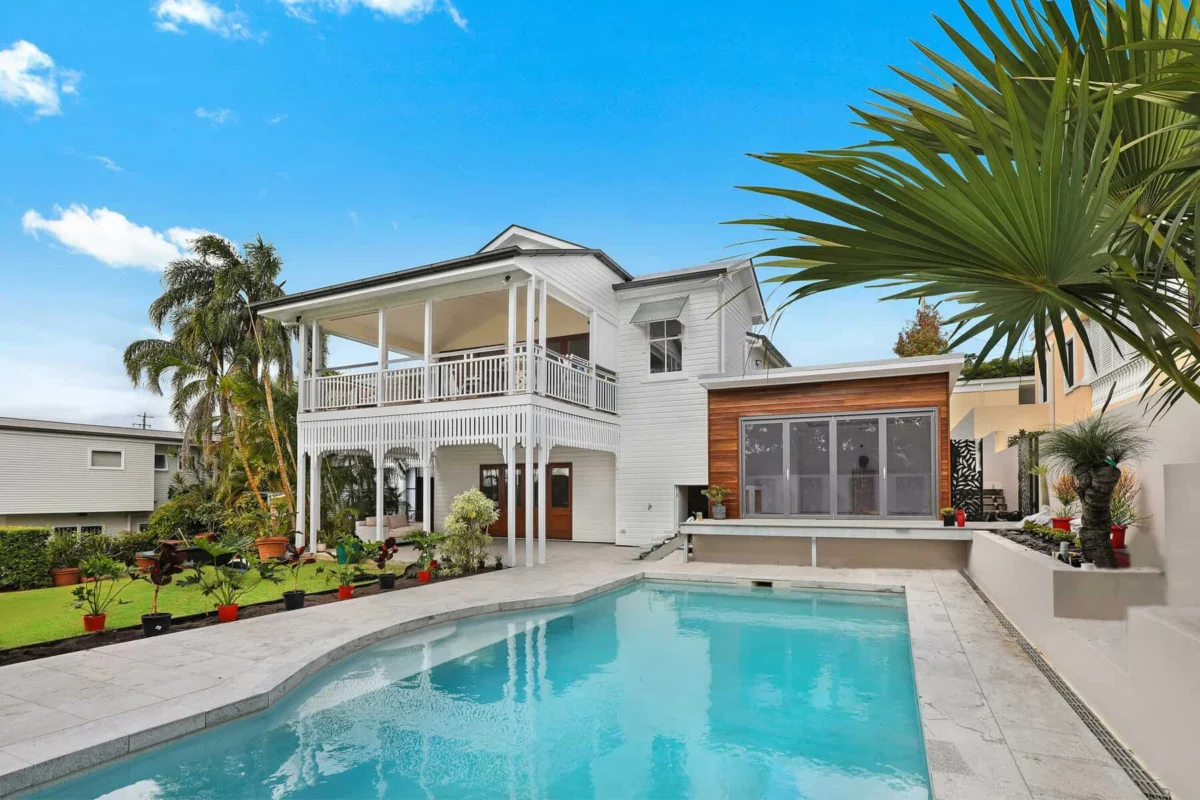
While often seen as a luxury, a pool is a functional necessity in many desert or tropical climates. Beyond recreation, water features contribute to a micro-climate effect, potentially lowering the ambient temperature of the immediate surrounding area through evaporation.
"Buyers are looking for homes that help them stay comfortable while still enjoying an active lifestyle," says Jeff Collins of The Collins Team. In markets like Arizona, a pool is essentially a "cooling hub," providing a vital relief valve during the summer months.
6. Solar Power and Smart Home Integration
Energy independence is becoming a top-tier priority. Solar panels, when paired with battery storage systems like the Tesla Powerwall, allow homeowners to mitigate the impact of the high energy usage required for cooling.
Smart home technology complements this by optimizing energy consumption. Automated blinds, for instance, can be programmed to close when the sun hits a specific window, preventing the interior from heating up before the residents even arrive home.
7. Drought-Friendly Landscaping: The New Aesthetic
The traditional lush, green lawn is becoming a relic of the past in many arid regions. Xeriscaping—landscaping that requires little to no irrigation—is now considered a mark of a forward-thinking homeowner.
Why it matters:
- Water Conservation: Reduces utility costs and supports local municipal sustainability goals.
- Maintenance: Low-maintenance plants, gravel beds, and drip irrigation systems save homeowners hours of labor.
- Visual Appeal: When done professionally, desert-adapted plants provide a clean, modern aesthetic that is highly sought after.
8. Flexible Spaces for Year-Round Utility
Modern buyers want their homes to work as hard as they do. The demand for flexible "flex-rooms" has skyrocketed. Whether it is an enclosed patio that acts as a gym, a temperature-controlled home office, or a dedicated media room, the ability to repurpose space to avoid the heat is a significant selling point.
"We’re seeing strong demand for spaces that can be converted into home gyms or indoor entertainment areas," explains Jeff Collins. As remote work continues to be a staple of modern life, the ability to create a comfortable, cool workspace within the home has become non-negotiable.
Implications for the Future of Real Estate
The data is clear: the market is rewarding those who prioritize climate-smart home design. As we look toward the future, the integration of these features will likely become the baseline for new construction.
For sellers, the implication is simple: if you are looking to maximize your home’s resale value, prioritize upgrades that improve thermal performance. For buyers, looking for these features is an investment in long-term comfort and a hedge against the rising costs of energy.
The homes of the future will be defined not by how they look in a glossy magazine, but by how they perform when the mercury rises. By focusing on efficiency, shade, and sustainable design, homeowners can ensure their properties remain comfortable, valuable, and inviting, no matter how high the temperatures climb.