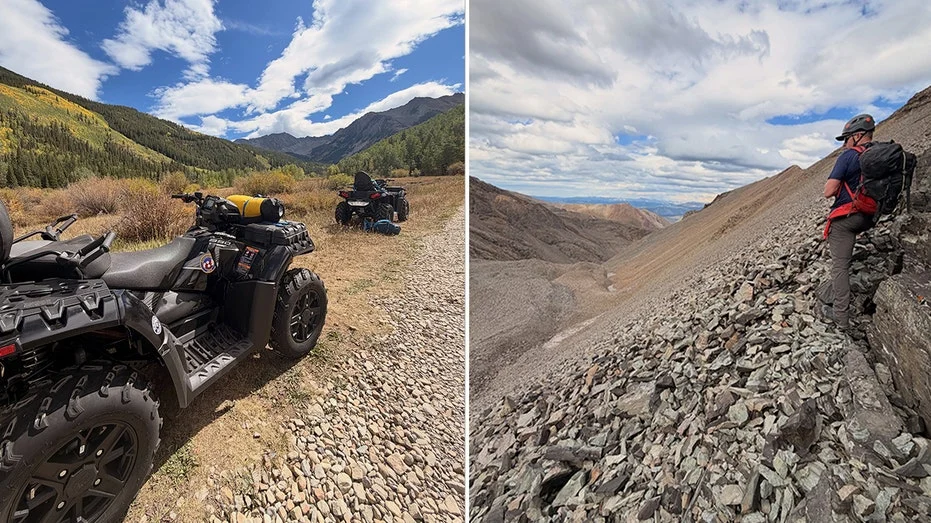
ASPEN, Colo. — A holiday weekend excursion turned tragic in the rugged wilderness south of Aspen when a climber suffered a fatal fall while ascending Castle Peak, one of Colorado’s most iconic and challenging "fourteeners." The incident, which occurred on Sunday afternoon, triggered a rapid, multi-agency search and rescue operation involving high-altitude helicopters, off-highway vehicles, and dozens of volunteer rescue personnel.
Despite the swift response of emergency crews, who managed to navigate the extreme terrain in under two hours, the climber’s injuries were deemed non-survivable. The tragedy has once again cast a somber light on the inherent dangers of mountaineering in Colorado’s Elk Mountains, a range notorious for its loose, unstable rock and unforgiving vertical drops.
Main Facts of the Castle Peak Tragedy
The fatal incident occurred on Sunday, during the busy Labor Day holiday weekend, on Castle Peak. Rising to an elevation of 14,272 feet, Castle Peak is the highest summit in the Elk Mountains and stands as the 12th-highest peak in Colorado. Located approximately 11 miles south of Aspen, the peak straddles the boundary between Pitkin and Gunnison counties.
- The Victim: The identity of the deceased climber, described by witnesses as a young man, has been withheld pending formal notification of next of kin by the county coroner.
- The Incident: The climber fell from a steep section of the mountain, sustaining catastrophic injuries. The fall was witnessed by several nearby hikers who immediately sought help.
- The Response: The Gunnison County Sheriff’s Office coordinated the emergency response, mobilizing Mountain Rescue Aspen (MRA), a specialized volunteer search and rescue organization. The operation utilized ground teams, off-highway vehicles (OHVs), and aviation support.
- The Outcome: Responders reached the victim at approximately 4:00 PM, confirming he had succumbed to his injuries. A recovery operation ensued, concluding shortly after 8:00 PM when the climber’s body was safely evacuated from the mountain.
Chronology of the Incident and Rescue Operation
The timeline of Sunday’s events highlights both the suddenness of alpine emergencies and the complex logistics required to execute a high-altitude rescue in wilderness areas.
The Fall and Immediate Aftermath
On Sunday afternoon, as numerous hikers capitalized on favorable holiday weekend weather, a climber was ascending the steep, rocky upper slopes of Castle Peak. Without warning, the climber lost his footing and fell down a steep couloir.
The fall was witnessed by several hikers on the trail, including Rebecca Rees, who later detailed the harrowing experience. Immediately following the plunge, a bystander identified only as Robert scrambled down the treacherous, loose rock toward the fallen climber. Risking his own safety on the unstable slope, Robert reached the victim to render aid and ensure the young man was not alone in his final moments.
The Emergency Mobilization
Upon receiving reports of the fall, the Gunnison County Sheriff’s Office immediately initiated a rescue dispatch. Due to the extreme altitude and remote location of Castle Peak, Mountain Rescue Aspen was mobilized.
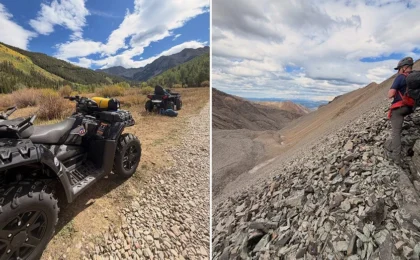
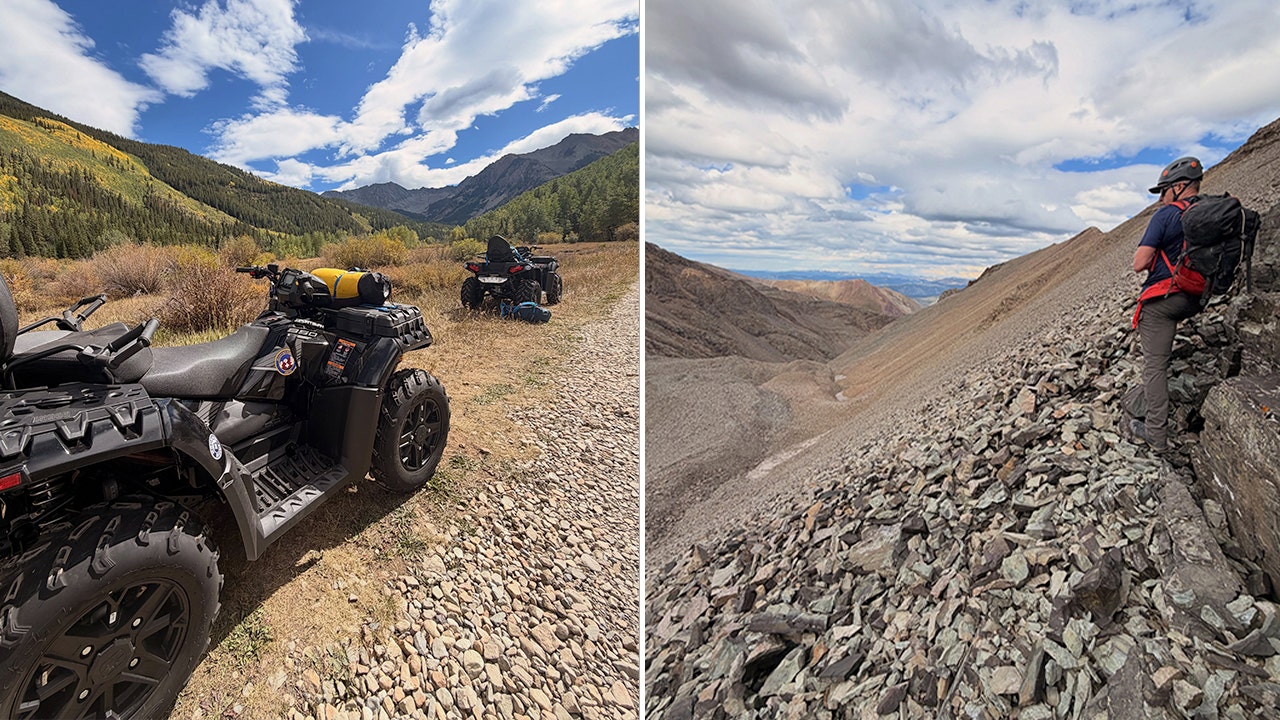
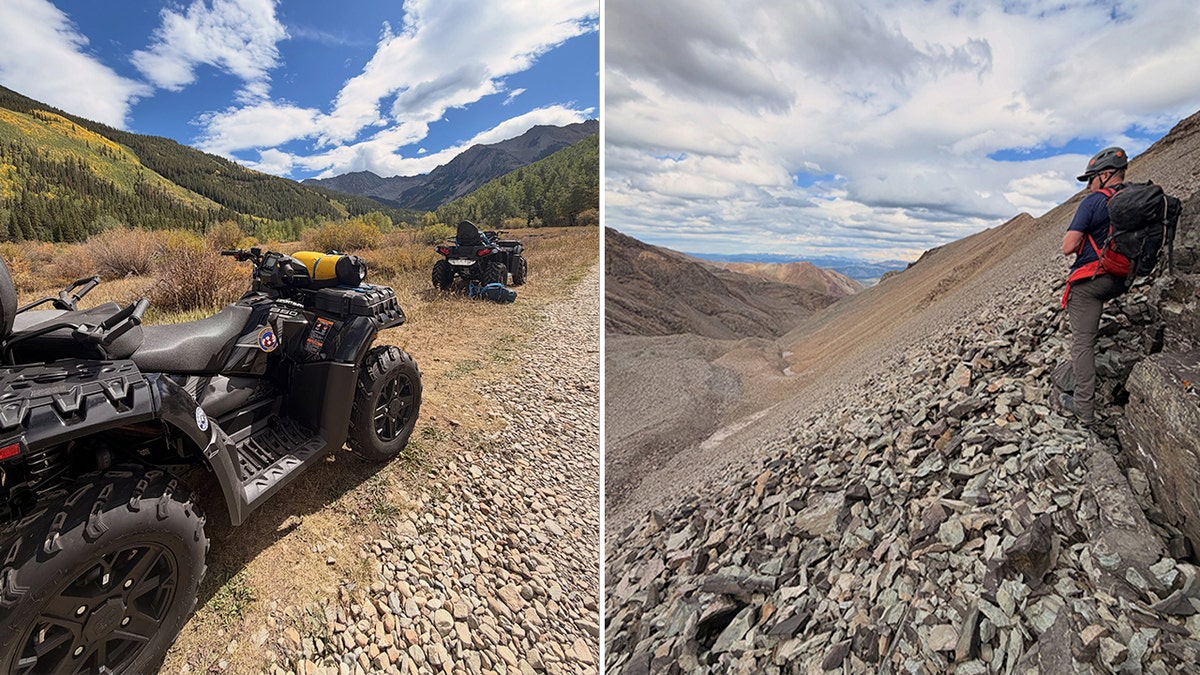
Because the accident occurred near the 13,000-foot mark, ground travel alone would have taken several hours. Responders deployed a multi-pronged approach, utilizing off-highway vehicles to navigate the rough, rocky mining roads of Castle Creek Valley, while simultaneously requesting aerial support from a high-altitude rescue helicopter.
The High-Altitude Aerial Insertion
In the thin air of the Rocky Mountains, helicopter operations are exceptionally dangerous and technically demanding.
- Initial Reconnaissance: The rescue helicopter flew into the high basin of Castle Peak to locate the fallen climber.
- Staging in Aspen: Once the victim’s location was confirmed, the helicopter returned to Aspen to pick up additional Mountain Rescue Aspen personnel and specialized technical rescue equipment.
- High-Altitude Insertion: The helicopter flew back to the peak, landing rescue technicians at an elevation approaching 13,000 feet.
Despite the logistical hurdles of operating at high altitudes during a busy holiday weekend, rescue teams reached the climber by 4:00 PM—less than two hours after the initial call.
The Recovery Phase
Upon reaching the climber, medical personnel determined that the injuries sustained during the fall were immediately fatal. The mission subsequently shifted from a rescue to a recovery operation.
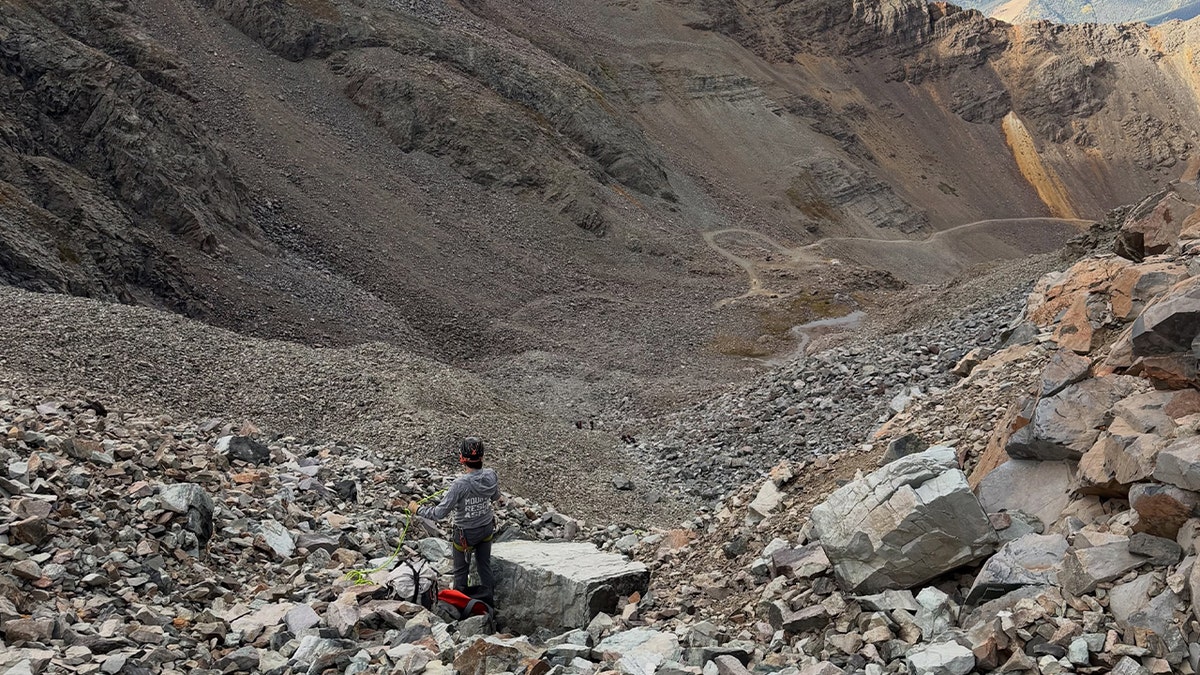
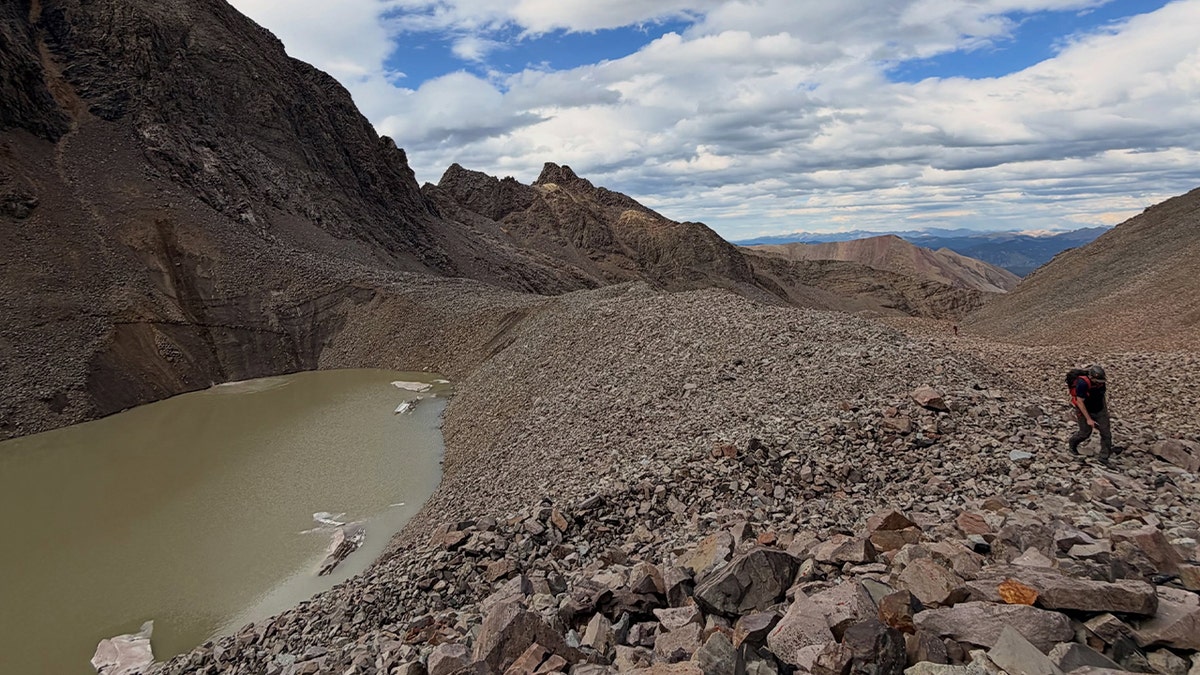
A total of 21 field members from Mountain Rescue Aspen worked systematically to secure the victim and prepare for evacuation. Navigating steep scree fields and crumbling rock, the team successfully recovered the deceased climber and transported him off the mountain, concluding the operation shortly after 8:00 PM.
Supporting Data: The Perils of the Elk Mountains
To understand the gravity of Sunday’s accident, it is necessary to examine the unique geographical and geological challenges presented by Castle Peak and the surrounding Elk Mountains.
| Mountain Feature | Specification |
|---|---|
| Elevation | 14,272 feet (4,350 meters) |
| Mountain Range | Elk Mountains, Rocky Mountains |
| Standard Route Difficulty | Class 2 (Difficult hiking/basic scrambling) |
| Primary Hazards | Loose rock, rockfall, steep snow couloirs, rapid weather changes |
| Rescue Agency | Mountain Rescue Aspen / Gunnison County Sheriff |
The Geology of "Rotten Rock"
Unlike the solid, durable granite found in Colorado’s Front Range or Wind River Range, the Elk Mountains are largely composed of sedimentary rock, metasandstone, and highly fractured shale. This geological composition is colloquially referred to by climbers as "rotten rock."
On Castle Peak, even seemingly solid handholds and footholds can instantly shear off under a climber’s weight. This instability makes route-finding critical and significantly increases the objective hazard of rockfall, which can be triggered by climbers ascending higher up the route.
High-Altitude Aerodynamics
Executing helicopter rescues at 13,000 feet presents severe aerodynamic limitations. As altitude increases, air density decreases, which directly impacts helicopter performance:
- Reduced Lift: Rotors must work harder to generate the necessary lift to hover or land.
- Engine Performance: Internal combustion and turbine engines produce less power in thin air.
- Payload Limits: Helicopters must carry minimal fuel and fewer passengers to operate safely at high altitudes, requiring multiple shuttle trips to transport rescue personnel.
Official Responses and Witness Accounts
The emotional toll of the tragedy was deeply felt by those who witnessed the accident and those who volunteered to recover the climber.
Eyewitness Reflections
In a poignant statement shared on social media, eyewitness Rebecca Rees expressed the profound grief felt by the hiking community on the mountain that day.
"Unfortunately, we witnessed the event. It has been an extremely sad and terrible afternoon for all involved. He did not survive," Rees wrote.
She praised the immediate, heroic actions of the bystander, Robert, who rushed to the victim’s side. "He wasn’t alone," Rees added, emphasizing the comfort that Robert’s presence provided in the victim’s final moments.
Rees also commended the swiftness and professionalism of the rescue teams. "The response of search and rescue, the sheriff, and the coroner all made us feel like every single person matters. This young man had a story and we all care."
Mountain Rescue Aspen and Local Authorities
Mountain Rescue Aspen, one of the oldest volunteer search and rescue teams in the state, reiterated the importance of safety on high-altitude peaks while extending condolences to the victim’s family. The Gunnison County Sheriff’s Office expressed gratitude to the volunteers of MRA, noting that high-altitude recoveries are physically demanding and emotionally taxing, particularly during holiday weekends when resources are stretched thin across the state’s wilderness areas.
Implications: Mountaineering Safety and Rescue Resources
The fatal fall on Castle Peak highlights several ongoing concerns within the mountaineering and search-and-rescue communities in Colorado.
The Strain on Volunteer Search and Rescue (SAR)
In Colorado, the vast majority of wilderness search and rescue operations are conducted by non-profit, volunteer-run organizations like Mountain Rescue Aspen. These team members are highly trained professionals who volunteer their time, often leaving their jobs and families at a moment’s notice to respond to emergencies.
The rising popularity of climbing Colorado’s 58 fourteeners has led to an exponential increase in rescue calls. This surge places a heavy physical, financial, and emotional burden on volunteer teams, sparking ongoing discussions about state funding for SAR organizations and the potential implementation of safety education mandates for backcountry recreationists.
Essential Safety Protocols for Castle Peak
While Castle Peak’s standard Northeast Ridge route is rated as a Class 2 climb, mountaineering experts warn that "Class 2" does not equate to "easy." High-altitude climbs require preparation, specialized gear, and acute situational awareness. Experts recommend the following safety protocols for those attempting Castle Peak or similar peaks in the Elk Mountains:
- Wear a Climbing Helmet: Rockfall is a constant hazard in the Elk Mountains. Helmets are essential to protect against falling debris dislodged by other climbers or wildlife.
- Start Early (The "12:00 PM Rule"): High-altitude thunderstorms routinely develop in the afternoon. Climbers should aim to be off the summit and back below the tree line by noon to avoid lightning and slick, wet rocks.
- Test Every Handhold: Due to the "rotten rock" characteristic of the Elk Mountains, climbers must physically test the stability of every handhold and foothold before committing their weight to it.
- Carry Communication Devices: Cell service is unreliable in the backcountry. Carrying a satellite messenger or personal locator beacon (PLB) can mean the difference between life and death when summoning emergency services.
As authorities conclude their investigation into the tragic events on Castle Peak, the mountaineering community is left to mourn a life cut short, while reminding all who venture into the high peaks of the absolute necessity of caution, preparation, and respect for the mountain environment.