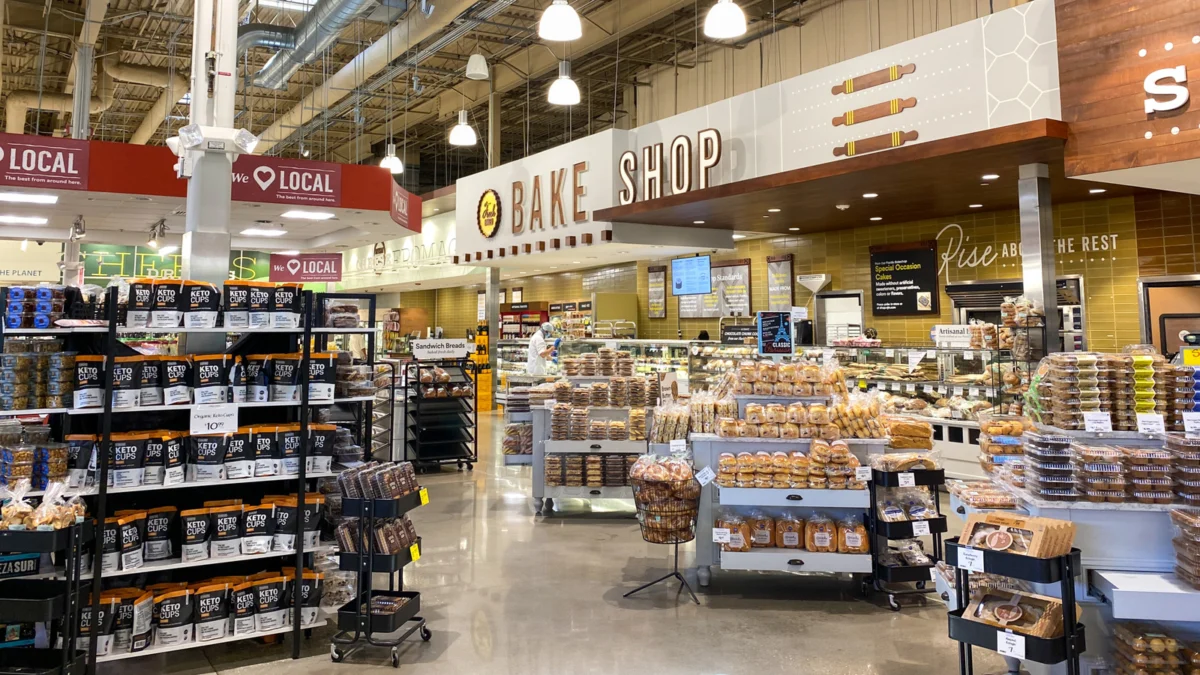
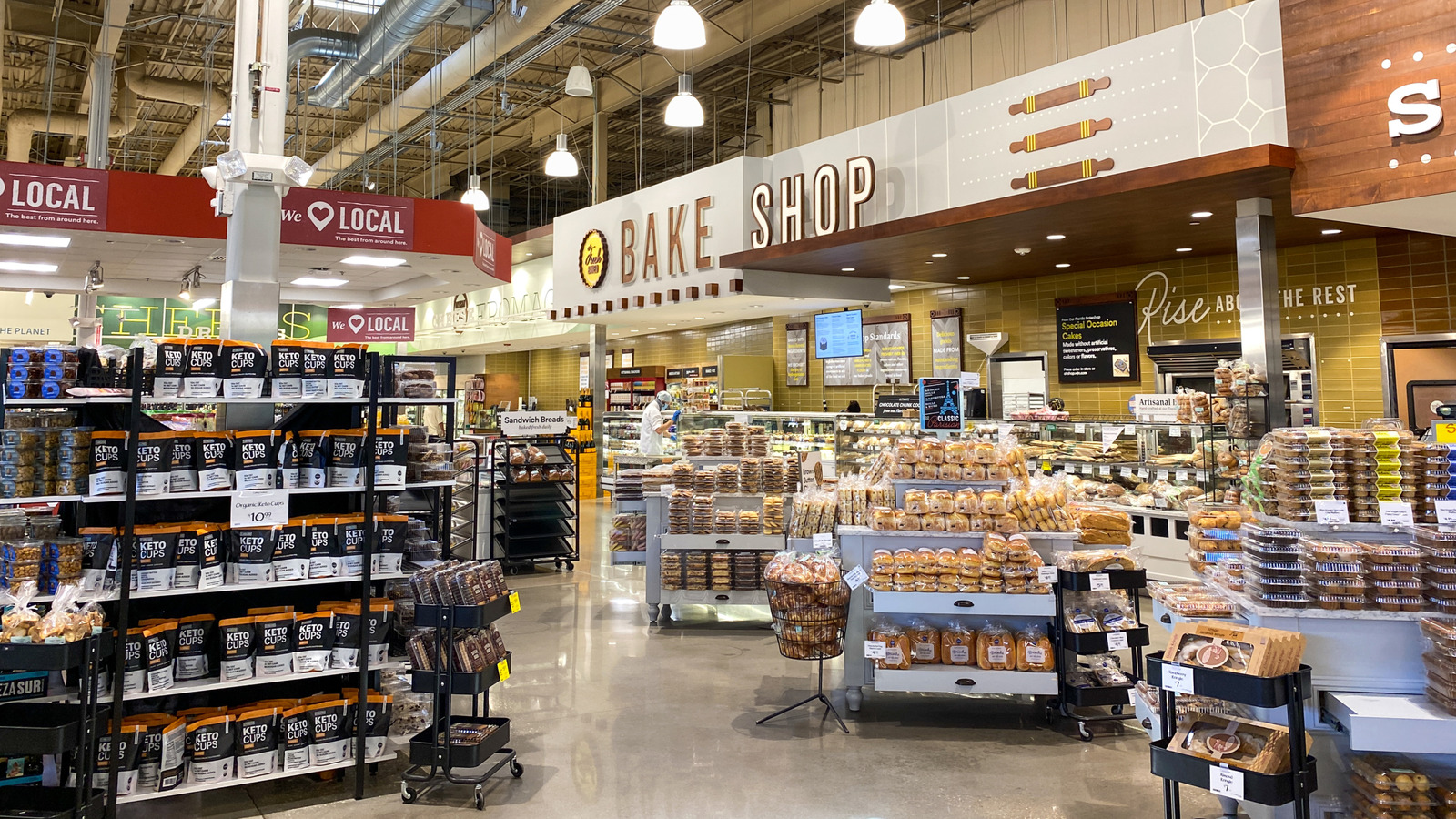
Whole Foods Market has long occupied a unique position in the American retail landscape. Positioned as the premier destination for health-conscious consumers, the chain has successfully pivoted from a niche natural-foods grocer to a mainstream culinary powerhouse. While the brand is synonymous with organic produce and high-quality proteins, its bakery department has quietly evolved into a destination of its own. In 2026, the Whole Foods bakery is no longer just a place to grab a baguette; it is a laboratory for trending flavors, innovative dietary solutions, and high-end treats that rival boutique patisseries.
As we move through the second half of 2026, the landscape of the Whole Foods bakery has been defined by a mix of viral sensations, artisanal collaborations, and a renewed commitment to ingredient transparency. Whether you are a fan of traditional sourdough or a seeker of allergen-friendly indulgence, the current selection offers something for every palate.
The Evolution of the In-Store Bakery: A 2026 Overview
The strategy behind the 2026 bakery lineup is clear: bridge the gap between "grocery store quality" and "bakery-fresh excellence." Market analysts have noted that Whole Foods is increasingly leveraging its own kitchens to produce scratch-made items, while simultaneously curating a selection of high-end third-party brands that cater to specific lifestyle needs—such as keto, vegan, and gluten-free diets.
The appeal of the Whole Foods bakery lies in the balance of reliability and novelty. Customers trust the chain’s rigorous quality standards, which exclude hundreds of artificial colors, flavors, and preservatives. When that trust is paired with the current "brown butter" obsession or the rising demand for high-protein breads, the result is a product lineup that consistently drives foot traffic.
The 2026 Bakery Hierarchy: Our Top Picks
To navigate the aisles effectively, we have analyzed sales data, social media sentiment, and expert reviews to identify the standout products that have defined the first half of the year.
The Viral Sensation: Brown Butter Cookie Cupcakes
Perhaps no product has defined the 2026 bakery aesthetic quite like the Brown Butter Cookie Cupcakes. Drawing inspiration from the chain’s previously viral Brown Butter Cookie Caramel Crunch Cake, these miniature versions have become a social media darling. Featuring a moist, rich chocolate base topped with a decadent brown butter frosting and cookie crumbles, they offer a sophisticated flavor profile that elevates the standard grocery store cupcake.
- Market Impact: The success of this item demonstrates the power of "miniaturization"—a trend where consumers prefer smaller, portion-controlled indulgences that allow for a premium experience without the commitment of a full-sized cake.
The Savory Staple: Pretzilla Garlic and Herb Burger Buns
Summer 2026 saw the widespread arrival of the Pretzilla Garlic and Herb Burger Buns. As the backyard cookout culture continues to thrive, consumers are looking to elevate their proteins with higher-quality carriers. The inclusion of real roasted garlic and Italian herbs creates a fragrant, savory experience that standard brioche buns simply cannot match. Retail feedback indicates that these buns are frequently purchased alongside premium meat selections, suggesting a "premium basket" trend among shoppers.
The Functional Powerhouse: Rudi’s Bakery Daily Power Sourdough
The intersection of nutrition and indulgence is the "holy grail" for modern food retailers. The launch of Rudi’s Bakery Daily Power Sourdough Protein Bread represents a significant shift in how consumers view staple items. With 10 grams of protein and 4 grams of fiber per two-slice serving, this loaf manages to retain the sought-after tangy flavor profile of authentic sourdough. By removing the chalky texture common in protein-fortified goods, this product has successfully captured the health-conscious demographic.
The Crowd-Pleasing Classic: Honey Graham Brown Butter Cookies
Consistency is key in the bakery business. Despite their debut in 2025, the Honey Graham Brown Butter Cookies remain a dominant force in 2026. The flavor profile—reminiscent of nostalgic childhood snacks like Teddy Grahams but refined with a sophisticated brown butter finish—has created a "cult following." Data from consumer platforms like Reddit and TikTok suggest that this item maintains one of the highest repurchase rates in the entire department.
Strategic Assortment: From Artisanal Pita to Allergen-Free Muffins
The Whole Foods bakery strategy is not merely about volume; it is about inclusive curation. The inclusion of Angel Bakeries Pita Bread—prized for its authentic, "homemade" texture—demonstrates a commitment to traditional baking methods. Meanwhile, the presence of Abe’s Double Chocolate Vegan Muffins proves that the chain is listening to the growing demographic of consumers with strict dietary restrictions.
Abe’s success is particularly notable. By offering a product that is simultaneously vegan, gluten-free, and free of major allergens, Whole Foods provides a safe, high-quality solution for parents and individuals who typically avoid the bakery section entirely. This inclusivity is a cornerstone of the store’s modern brand identity.
The Premium Experience: Mini Tart Platters
For those seeking convenience without compromising on presentation, the Mini Tart Platter (introduced in April 2026) has become the go-to solution for social gatherings. Offering a mix of fruit, almond frangipane, chocolate mousse, and lemon raspberry, the platter addresses the consumer desire for "entertaining-ready" goods. The high price point ($29.65) is viewed by consumers as a value-add, as it eliminates the time and labor required to bake individual pastries from scratch.
Implications for the Future of Retail Baking
The success of these items provides several insights into the future of the grocery bakery:
- The Premiumization of Staples: Consumers are willing to pay a premium for everyday items like bread and buns if they feature "elevated" ingredients like roasted garlic, sourdough starters, or high-protein additives.
- Social Media as a Product Incubator: The velocity at which items like the Brown Butter Cookie Cupcakes move from the shelf to social media virality shows that the digital landscape is the primary driver of bakery trends in 2026.
- Transparency and Clean Labeling: Regardless of the indulgence level, customers remain loyal to the "Whole Foods standard." Any product that manages to balance indulgence with "clean" ingredients—like the Abe’s muffins—will inherently outperform competitors.
- The "Sando" Influence: The rise of Japanese Milk Bread reflects a broader trend of international sandwich culture. The pillowy texture of the milk bread has become essential for consumers looking to recreate the "katsu sando" experience at home.
Supporting Data and Consumer Sentiment
While official sales figures are proprietary, qualitative data from customer feedback loops shows a clear trend toward "experience-based" eating. When asked about their preferences, shoppers frequently cite "texture" and "authenticity" as the primary reasons for choosing Whole Foods bakery items over cheaper alternatives.
The shift toward items like the Whisked by Jenna Sea Salt Chocolate Chess Pie suggests that shoppers are looking for "small-batch" artisan vibes within the convenience of a large-scale supermarket. By partnering with independent bakers and maintaining rigorous internal standards, Whole Foods has effectively neutralized the "grocery store bakery" stigma.
Conclusion: Why It Works
As we look toward the remainder of 2026 and into 2027, the Whole Foods bakery will likely continue to evolve by leaning into its core strengths: high-quality ingredients, artisanal partnerships, and a keen eye for culinary trends. Whether you are picking up a loaf of Japanese Milk Bread for your morning toast or a box of vegan muffins for an allergen-safe school snack, the message from the bakery section is clear: you don’t have to choose between convenience and quality.
The bakery department at Whole Foods is no longer just a support act to the rest of the grocery store—it is a leading indicator of what the modern, conscious consumer wants. As long as the chain continues to innovate while maintaining its commitment to ingredient integrity, it will likely remain the gold standard for grocery store bakeries for years to come.