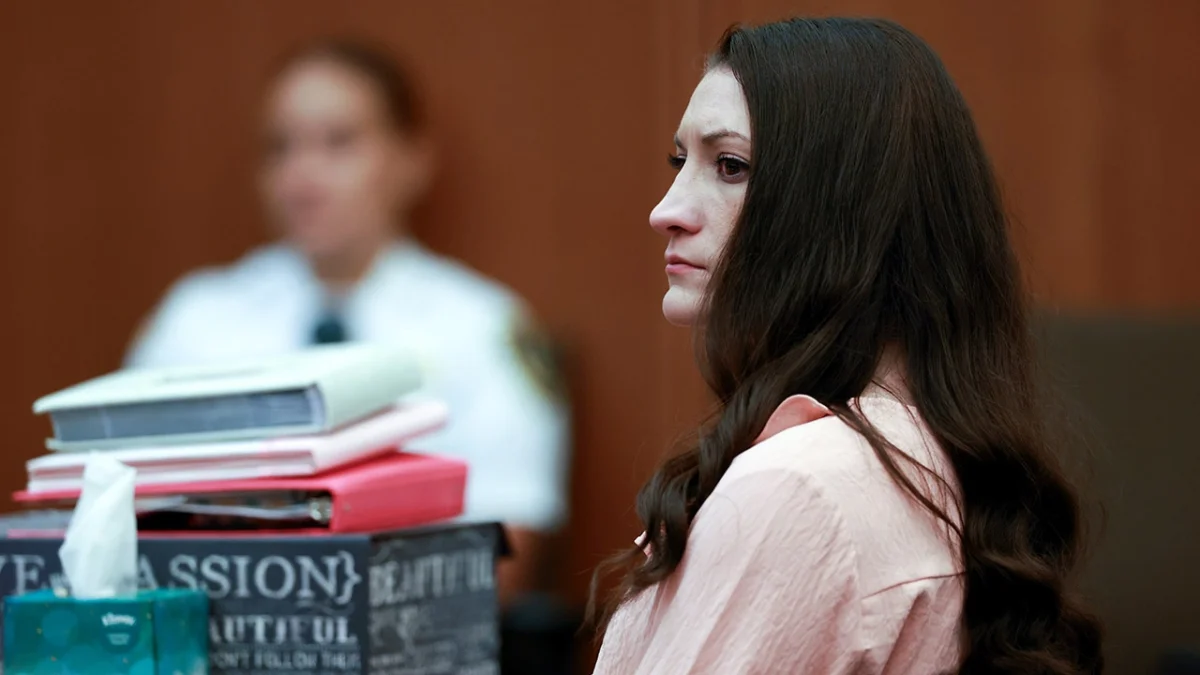
PLYMOUTH, Massachusetts — The grueling, emotionally charged murder trial of Lindsay Clancy, the Duxbury mother accused of strangling her three young children in 2023, reached a dramatic and agonizing impasse on Friday, September 4, 2026. After seven days of exhausting deliberations, Plymouth County Superior Court Judge William Sullivan announced his intention to declare a mistrial, bringing a temporary, highly fraught halt to a legal proceeding that has captivated and divided the nation.
The decision came after the jury foreperson delivered a somber note to the court, acknowledging that the panel had reached an irreconcilable divide. However, in a last-ditch effort to preserve years of legal preparation, defense attorney Kevin Reddington secured a brief, one-hour window from Judge Sullivan to seek an emergency stay from an appellate court.
As the court recessed for a scheduled lunch break, the fate of the trial—and the question of whether Clancy will face a second, equally grueling prosecution—hung in a delicate balance.
Main Facts: A Courtroom in Limbo
On the morning of September 4, 2026, the atmosphere inside the Plymouth County Superior Court was thick with anticipation. The jury, which had been deliberating the complex and psychologically dense case for a week, sent a definitive communication to the bench.
Judge William Sullivan read the jury foreperson’s note aloud in open court:
"It is with a heavy heart that we report we are unable to come to a unanimous decision and will not be able to."
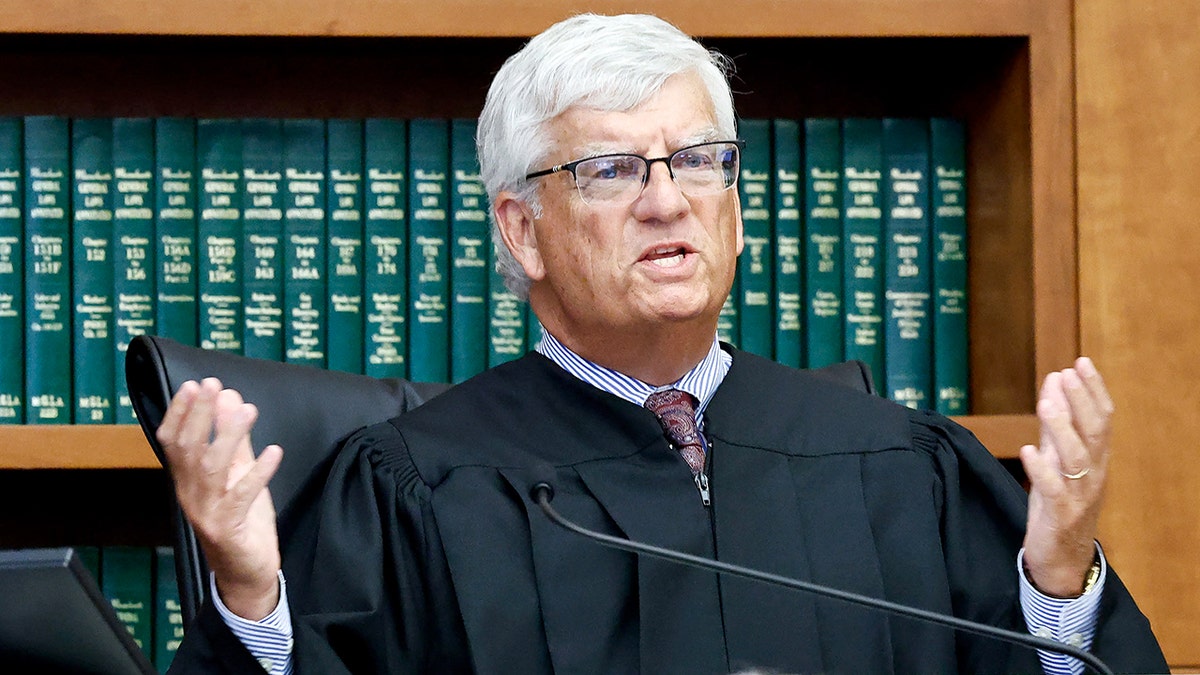
Faced with this explicit declaration of a deadlock, Judge Sullivan indicated that his hands were legally tied. "Under the statute in the case law," Sullivan remarked, he did not believe he had any viable option other than to declare a mistrial.
However, the defense team, led by veteran attorney Kevin Reddington, was not prepared to let the trial end without a fight. Reddington immediately petitioned the court for a temporary reprieve to seek an emergency stay of the mistrial declaration from a higher court. In a rare procedural move, Judge Sullivan granted the defense exactly one hour to coordinate and file the emergency appeal.
Following the expiration of that hour, court officials announced a lunch recess from 1:00 p.m. to 2:00 p.m., leaving observers, legal experts, and the families involved in an agonizing state of suspense.
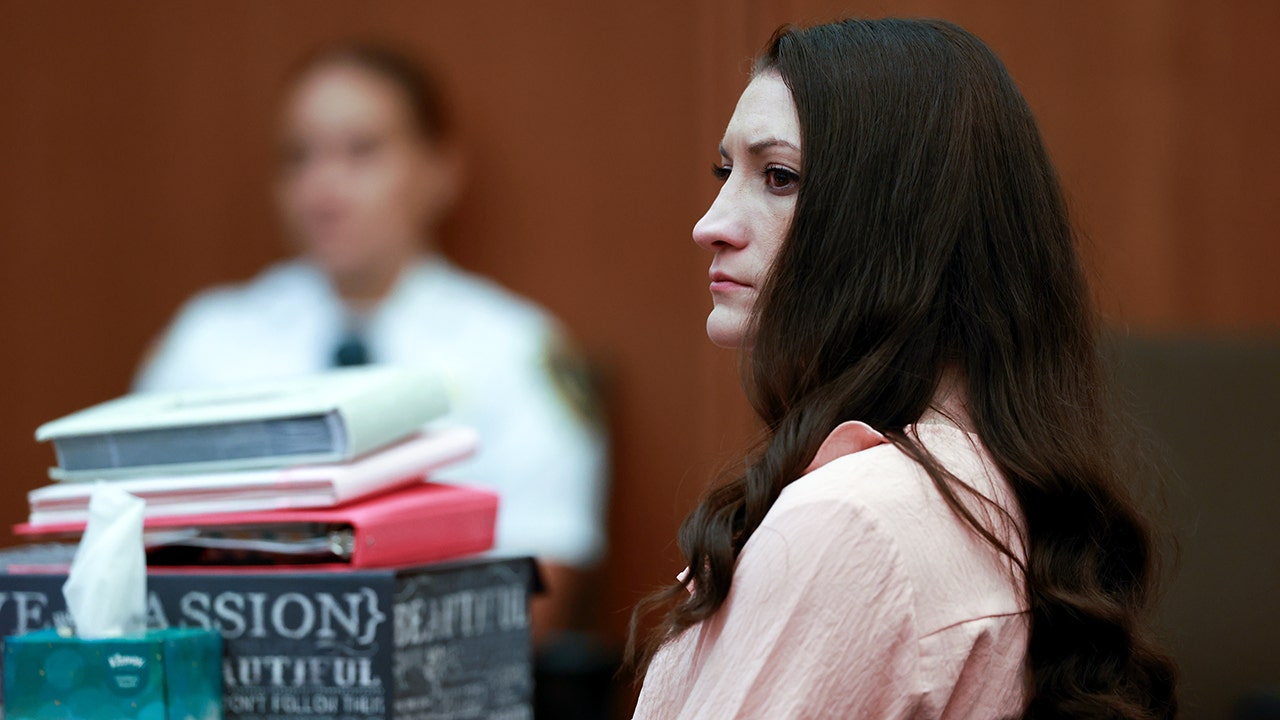
If the mistrial is finalized, the Plymouth County District Attorney’s Office will face the monumental decision of whether to empanel a new jury and subject the community, the witnesses, and the families to another emotionally devastating trial.
Chronology: The Road to the Impasse
The path to Friday’s deadlock is a long and tragic one, spanning over three years of intense public scrutiny, medical evaluations, and legal maneuvering.
[January 24, 2023] ───► [August 18, 2026] ───► [Late August 2026] ───► [September 3, 2026] ───► [September 4, 2026]
Tragedy in Duxbury      Trial Commences        Deliberations Begin     Day 6: Juror Standoff   Day 7: Deadlock & Stay
The January 2023 Tragedy
On January 24, 2023, emergency services responded to a horrific scene at the Clancy family home in Duxbury, an affluent coastal suburb south of Boston. Inside, first responders discovered 5-year-old Cora, 3-year-old Dawson, and 8-month-old Callan Clancy suffering from severe trauma. Cora and Dawson were pronounced dead shortly after; baby Callan survived for several days on life support before succumbing to his injuries.
Lindsay Clancy, a labor and delivery nurse, was found injured outside the home after jumping from a second-story window in an apparent suicide attempt. The fall left her permanently paralyzed from the waist down.
The Legal Battle Commences
In the months that followed, Clancy was arraigned on charges of first-degree murder, strangulation, and assault and battery with a dangerous weapon. Due to her spinal cord injuries, early hearings were conducted remotely from her hospital bed.
The trial formally commenced in August 2026. Over several weeks, the prosecution and defense presented vastly different portraits of Clancy’s mental state on the night of the killings.
Deliberations and the Day 6 "Standoff"
The jury received the case in late August 2026. What many hoped would be a swift resolution quickly turned into a prolonged, grueling deliberation process.
- Day 1 through Day 5: The jury repeatedly requested transcripts of psychiatric testimony and detailed instructions on the legal definitions of extreme atrocity, premeditation, and lack of criminal responsibility.
- Day 6 (September 3, 2026): Rumors of a deep division within the jury box were confirmed when reports emerged of a "bombshell" standoff. A single holdout juror reportedly refused to align with the rest of the panel, resisting pressure to reach a unanimous decision.
- Day 7 (September 4, 2026): The jury returned to the courthouse, but hopes of a breakthrough were quickly dashed by the foreperson’s late-morning note, prompting Judge Sullivan’s indication of a mistrial and the subsequent scramble by the defense.
Supporting Data: The Central Legal and Medical Arguments
To understand why the jury reached such an intractable deadlock, one must examine the starkly contrasting evidence and arguments presented during the multi-week trial. The case became a battleground of expert psychiatric testimony, focusing on the defense of lack of criminal responsibility—commonly known as the insanity defense.
The Defense’s Argument: Postpartum Psychosis and Overmedication
Defense attorney Kevin Reddington built his case on the premise that Lindsay Clancy was suffering from severe, undiagnosed postpartum psychosis, compounded by involuntary intoxication from a heavy regimen of psychiatric medications.
Defense Medical Claims:
┌────────────────────────────────────────────────────────┐
│  • Severe postpartum depression and anxiety            │
│  • Intrusive thoughts and auditory hallucinations      │
│  • Involuntary intoxication (cocktail of 12+ drugs)    │
│  • Complete lack of capacity to appreciate wrongfulness│
└────────────────────────────────────────────────────────┘
The defense presented medical records showing that in the months leading up to the tragedy, Clancy had been prescribed a rotating cocktail of more than a dozen psychiatric medications, including sedatives, antidepressants, and anti-anxiety drugs. Reddington argued that this aggressive medication regimen, rather than alleviating her symptoms, exacerbated her psychosis, leaving her completely unable to appreciate the wrongfulness of her actions or conform her behavior to the law.
The Prosecution’s Argument: Premeditation and Deception
Conversely, the prosecution painted a picture of a calculated, deliberate act. They argued that Clancy took advantage of a narrow window of time when her husband, Patrick Clancy, was out of the house running errands.
Prosecution Timeline Claims (Jan 24, 2023):
┌────────────────────────────────────────────────────────┐
│  • Sent husband to pick up takeout and medication      │
│  • Calculated time window (approx. 55 minutes)         │
│  • Used Apple Maps to estimate travel times            │
│  • Methodical execution of the strangulations          │
└────────────────────────────────────────────────────────┘
The state highlighted Clancy’s search history, which included inquiries into the layout of local restaurants and pharmacies, arguing that she used Apple Maps to calculate how long her husband would be away. This, prosecutors argued, proved that she was acting with a clear, rational mind, capable of planning and executing a triple homicide.
The Legal Standard in Massachusetts
In Massachusetts, when a defendant raises a defense of lack of criminal responsibility, the burden of proof shifts to the commonwealth. The prosecution must prove beyond a reasonable doubt that the defendant was legally sane at the time of the offense. Under the landmark Massachusetts case Commonwealth v. McHoul, a person is not criminally responsible if, as a result of mental disease or defect, they lack substantial capacity either to:
- Appreciate the criminality (wrongfulness) of their conduct; or
- Conform their conduct to the requirements of the law.
The jury’s deadlock suggests that the prosecution failed to convince at least one juror beyond a reasonable doubt that Clancy possessed this capacity on the night of January 24, 2023.
Official Responses and Courtroom Dynamics
The emotional weight of the trial was palpable in the reactions of the key figures in the courtroom following the reading of the deadlock note.
Judge William Sullivan
Judge Sullivan’s demeanor was characterized by a strict adherence to judicial protocol, tempered by an acknowledgment of the gravity of the situation. By reading the foreperson’s note in open court, Sullivan made the jury’s impasse a matter of public record. His statement that he had "no option other than to declare a mistrial" under Massachusetts case law reflected the high threshold required to force continued deliberations after a jury has declared itself deadlocked for a second or third time.
The Defense Team
Kevin Reddington’s swift action to secure a one-hour stay demonstrated his aggressive, defensive strategy. Legal observers noted that Reddington’s reluctance to accept a mistrial may stem from a belief that the current jury was highly sympathetic to the defense’s medical arguments, and that a second trial with a new panel could carry a higher risk of conviction.
Reddington’s performance drew comparisons to other high-profile defense attorneys in the state. Observers noted that Reddington, much like defense attorney Alan Jackson in the high-profile Karen Read trial, appeared to be "cut from a different cloth," utilizing every procedural avenue available to protect his client from a declaration of a mistrial.
The Prosecution
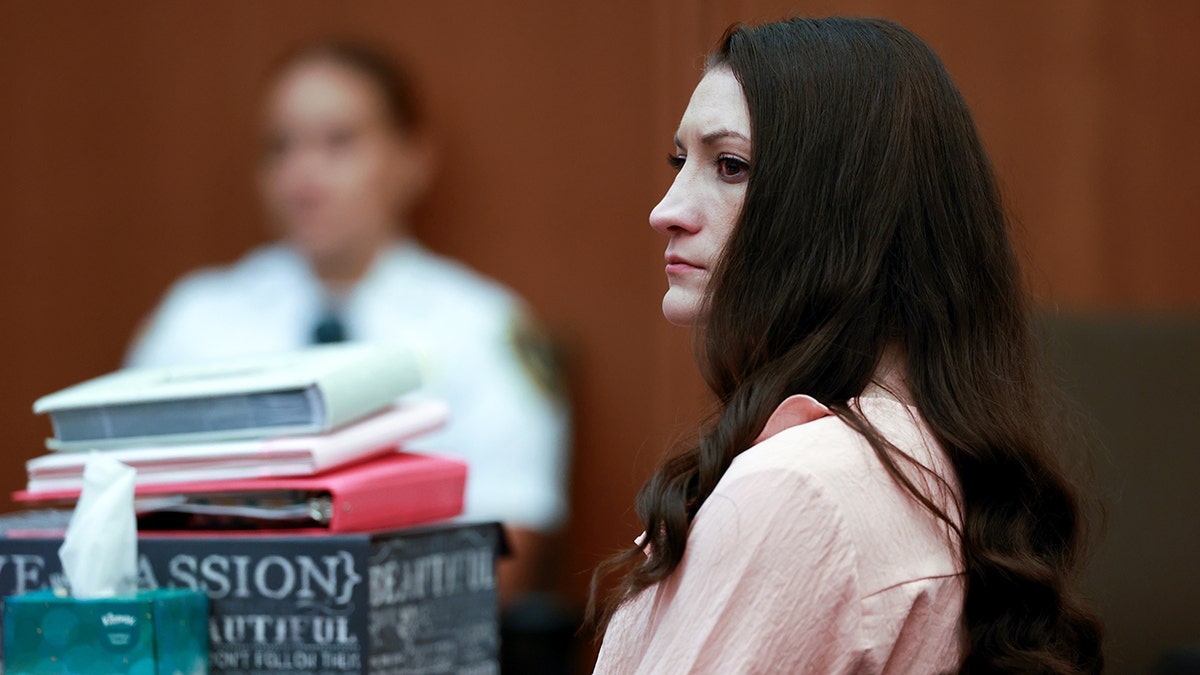
The prosecution team remained tight-lipped following the recess. If the mistrial is finalized, the district attorney’s office will face intense public pressure from both sides. Retrying a case of this magnitude is not only financially costly but also inflicts significant emotional distress on the family and the community, raising questions about the public interest in a second trial.
Implications: What Lies Ahead for the Clancy Case?
The potential declaration of a mistrial in the Lindsay Clancy case carries profound implications for the defendant, the legal system, and the broader public discourse surrounding maternal mental health.
Legal Next Steps: Retrial or Resolution?
If the defense’s emergency appeal is denied and Judge Sullivan officially declares a mistrial, the case returns to the pre-trial phase. The commonwealth does not lose the right to prosecute Clancy; a deadlocked jury does not trigger double jeopardy protections.
The District Attorney must choose between three primary paths:
- A Second Trial: Empaneling a new jury and presenting the entire case again. This would require both sides to refine their strategies based on the weaknesses exposed during the first trial.
- A Plea Agreement: Negotiating a plea deal that could involve a reduced charge, such as manslaughter, or a commitment to a state psychiatric facility in lieu of prison time.
- Dismissal of Charges: An highly unlikely outcome given the severity of the crimes and the high-profile nature of the case.
Societal and Medical Impact
Beyond the legal mechanics, the Clancy trial has served as a catalyst for a national conversation on postpartum mental health. Advocacy groups have closely monitored the proceedings, arguing that the case highlights a systemic failure to recognize and treat postpartum psychosis.
Postpartum Psychosis: A Medical Context
┌──────────────────────────────────────────────────────────┐
│  • Prevalence: Affects 1 to 2 out of every 1,000 mothers │
│  • Onset: Typically sudden, within 2–3 weeks postpartum  │
│  • Symptoms: Delusions, hallucinations, mania, confusion │
│  • Clinical Status: Considered a psychiatric emergency   │
└──────────────────────────────────────────────────────────┘
Advocates argue that a criminal trial is an ill-suited forum for addressing what they view as a profound medical tragedy. Conversely, child safety advocates and legal purists maintain that the justice system must hold individuals accountable for the loss of life, regardless of the complexity of the medical circumstances.
As the clock ticks down on the defense’s emergency stay and the court emerges from its lunch recess, the city of Plymouth—and a watching nation—awaits the next chapter in one of the most tragic and legally complex trials in modern Massachusetts history.