In an era defined by endless digital aisles and algorithmic retail, the average consumer often feels like a passenger in their own purchasing journey. We scroll, we click, and we settle. However, a quiet revolution in consumer psychology is gaining traction—a methodology dubbed "self-centered shopping." This approach moves away from the traditional, passive model of browsing store-defined inventories and shifts toward a proactive, requirements-based procurement strategy. By prioritizing personal utility over marketplace convenience, proponents of this method report higher satisfaction, reduced impulse spending, and a more sustainable, long-term relationship with the goods they own.
The Chronology of a Paradigm Shift
For decades, the standard consumer experience was defined by geographical and logistical constraints. In rural communities or less-developed retail markets, the "store-centered" model was the only viable path. If an individual needed a tool, a garment, or a household item, they were limited to the selection curated by the local merchant.
The Era of Passive Consumption
For most of the 20th century, shopping was an exercise in compromise. A shopper would enter a store, survey the inventory, and select the item that was "least objectionable" or "good enough" among the available options. This created a cycle of dissatisfaction; the item was never truly perfect, only the best of a limited set. As the internet matured, this model transitioned from physical shelves to virtual ones, yet the underlying behavior remained identical. Consumers continued to let the marketplace define the boundaries of their choices, browsing through hundreds of options without ever clearly defining their own needs.
The Turning Point: 2019
The transition to a "self-centered" approach is often triggered by a realization of futility. For many, this occurs when a recurring purchase—like a wallet, a pair of boots, or a piece of office furniture—becomes a source of friction rather than utility. In 2019, a pivotal moment in this shift was marked by the rejection of the "browse-and-buy" mentality. The realization was simple: most mass-market products are designed for the "average" consumer, and very few people are truly average. By identifying specific, non-negotiable requirements before engaging with any retailer, the shopper effectively moves from being a victim of the supply chain to a director of it.
The Anatomy of Self-Centered Shopping
At its core, self-centered shopping is an exercise in rigorous intentionality. It requires the consumer to invert the traditional retail process. Instead of asking, "What can I buy here?" the consumer asks, "What do I need to thrive, and where can I find exactly that?"
Defining the Parameters
The process begins with the "index card" method—a literal or metaphorical list of requirements. Before searching for a product, the buyer writes down exactly what the item must do, how it must feel, and what features are mandatory.
- Utility over Aesthetic: Does the product serve the user’s specific workflow?
- Longevity: Is the item built to be replaced, or is it an investment in durability?
- Constraint-Based Searching: By limiting the search to specific criteria, the buyer avoids the "paradox of choice," where an excess of options leads to paralysis and subsequent buyer’s remorse.
The Wallet Case Study
Consider the replacement of a standard wallet. The traditional approach involves visiting a department store, browsing generic leather goods, and picking one that is "fine." The self-centered approach involves identifying specific pain points: bulk, card access, and material preference. By scouting specialized manufacturers—such as Tom Bihn or Secrid—the consumer finds a product that fits their life like a custom-made tool. The result is not just a purchase, but an integration of a product that enhances daily life.
Supporting Data and Psychological Implications
The shift toward self-centered shopping is supported by emerging trends in consumer behavior and retail psychology.
Reducing the "Paradox of Choice"
Psychologist Barry Schwartz famously argued that having too many choices leads to anxiety and decreased satisfaction. In a store-centered model, the sheer volume of products—most of which are irrelevant to the consumer—leads to decision fatigue. Self-centered shopping acts as a filter. By the time a consumer begins their search, their criteria are so specific that they often only encounter a handful of viable candidates. This reduction in choice actually increases happiness, as the consumer feels they have made an informed, deliberate decision rather than a reactive one.
The Rise of Product Loyalty
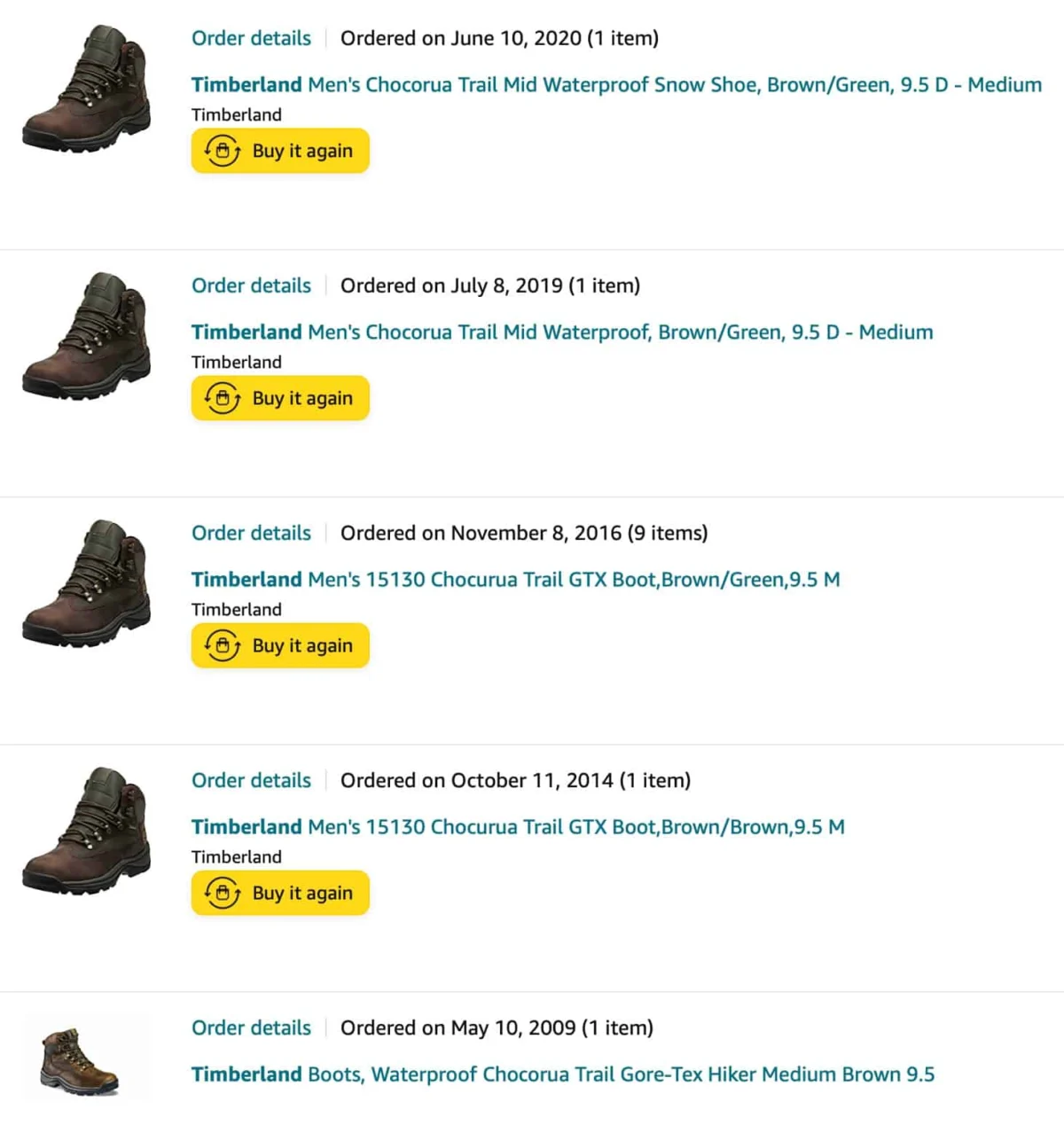
A fascinating side effect of this methodology is the strengthening of brand loyalty. When a consumer finds a product that perfectly meets their self-defined requirements, they are significantly more likely to return to that brand repeatedly. This is not brand loyalty driven by marketing or status, but by functional performance. When a pair of hiking boots lasts seven years, or a backpack serves as a reliable travel companion for a decade, the consumer ceases to "shop" for those items and instead moves into a "replenishment" phase, saving time and mental energy.
Official Responses and Industry Impact
Retailers are beginning to respond to this shift, though often with difficulty. Large-scale, mass-market retailers thrive on the "store-centered" model, relying on impulse buys and volume. However, direct-to-consumer (DTC) brands that focus on niche utility are thriving because they cater specifically to the self-centered shopper.
The Niche Advantage
Brands like Tom Bihn, which focus on specific travel and organizational needs, have built their entire business model on the fact that customers will search for their specific solutions. These companies provide detailed technical specifications, high-resolution imagery, and user testimonials that allow a self-centered shopper to verify their requirements before purchasing.
The Decline of the "Variety Store"
The decline of general-purpose department stores is an indirect reflection of this shift. As consumers become more adept at using search engines and specialized platforms, the "variety" offered by physical, non-specialized stores has become a burden rather than a service. The "one-stop-shop" is losing its luster compared to the "exactly-what-I-need" shop.
Implications for Future Consumption
The implications of this shift are broad, affecting everything from personal finance to environmental sustainability.
Financial Benefits
While self-centered shopping can sometimes carry a higher price tag—as quality materials and specialized manufacturing often cost more—it is frequently more economical in the long run. By purchasing a product that meets exact needs, the consumer avoids the "buy-try-discard" cycle. The purchase of one high-quality item is far cheaper than the sequential purchase of five low-quality, "good enough" items.
The "Joy" Factor
Drawing from the philosophies of Marie Kondo, this shopping method aligns with the principle of "sparking joy." When every object in one’s workspace or daily life has been selected with extreme care and intent, the environment becomes more functional and less cluttered. It is the transition from a collection of "things" to a collection of "tools."
Sustainability
Finally, the environmental impact of self-centered shopping cannot be ignored. A consumer who buys one wallet every ten years because they found the perfect one is contributing far less to the waste stream than a consumer who buys a new, cheap wallet every eighteen months. By slowing down the consumption cycle, self-centered shopping serves as a form of unintentional but highly effective environmentalism.
Conclusion: The Path Forward
The evolution from a passive, store-centered consumer to an intentional, self-centered shopper is a milestone in personal maturity. It requires patience, a degree of financial stability, and the willingness to do the research. However, the payoff is a life curated with precision. In a world where the marketplace is designed to overwhelm, taking control of one’s own requirements is not just a shopping strategy—it is a reclamation of personal autonomy. As we move forward, the most satisfied consumers will be those who stop asking what the store has to offer and start asking what they truly need to live their best lives.