In the landscape of American fast-casual dining, few debates are as heated as the rivalry between Five Guys and Shake Shack. These two titans have cultivated cult-like followings, each promising a premium experience that elevates the humble cheeseburger from a quick drive-thru fix to a genuine culinary indulgence. However, as health-conscious consumers become increasingly savvy about the nutritional composition of their meals, the question has shifted: when the craving for a classic cheeseburger strikes, which of these two giants offers the more nutritionally sound option?
While fast food is rarely synonymous with "clean eating," a burger—at its fundamental level—is simply grilled ground beef on a bun, often accessorized with cheese, fresh vegetables, and classic condiments. By analyzing the macronutrient profiles of both chains, we can determine which brand offers a more balanced nutritional footprint.
The Verdict: Shake Shack Takes the Lead
When strictly comparing the nutritional data for a standard single-patty cheeseburger, Shake Shack emerges as the clear winner in terms of caloric density and macronutrient balance.
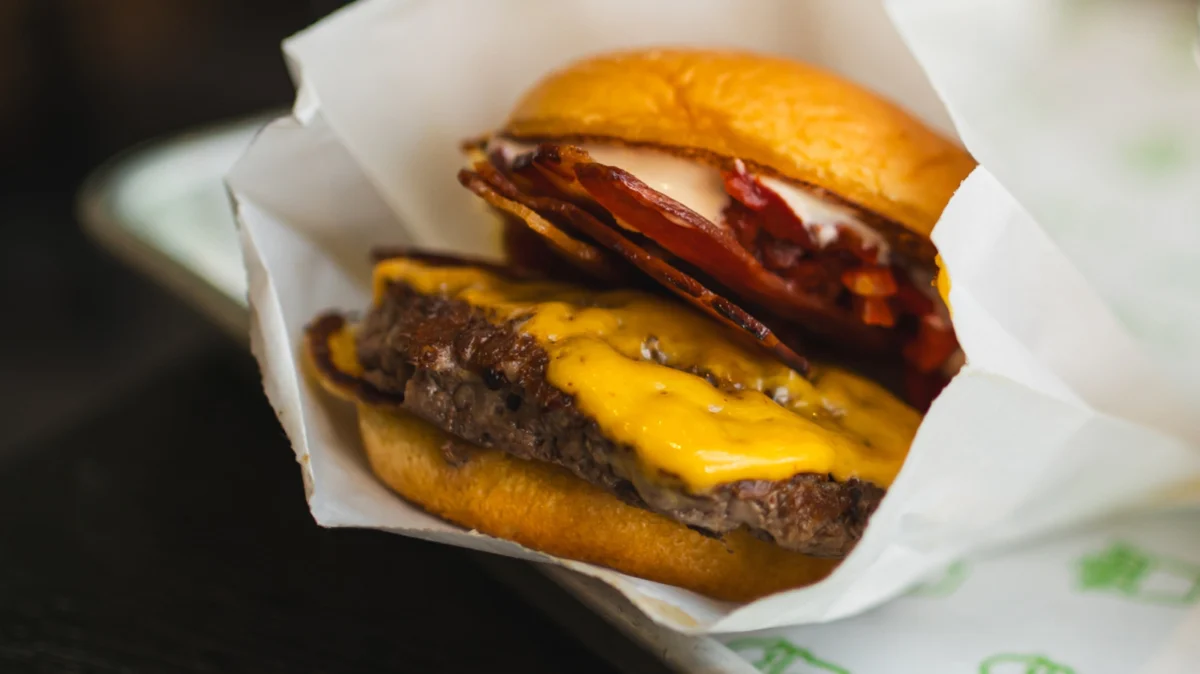
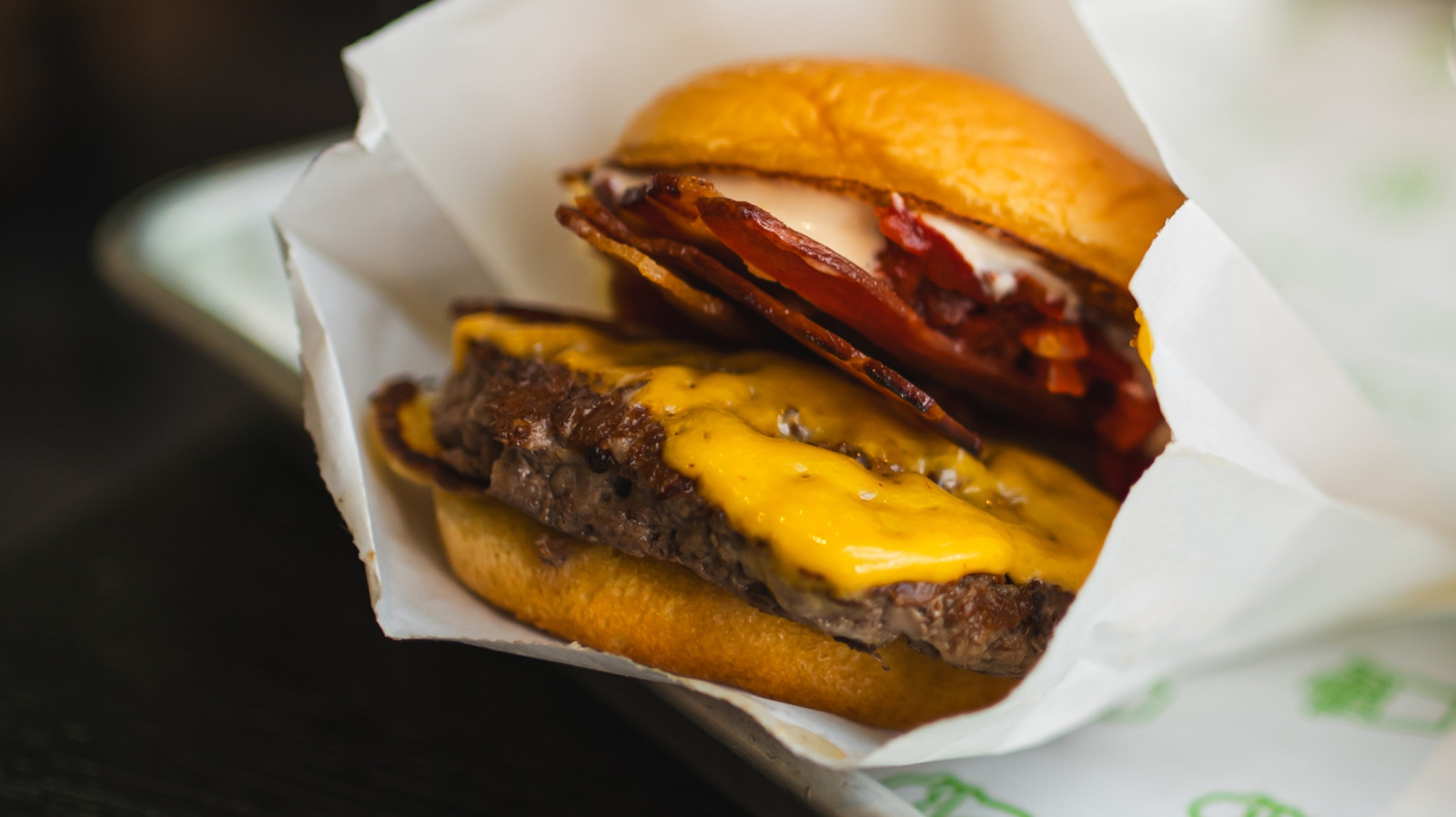
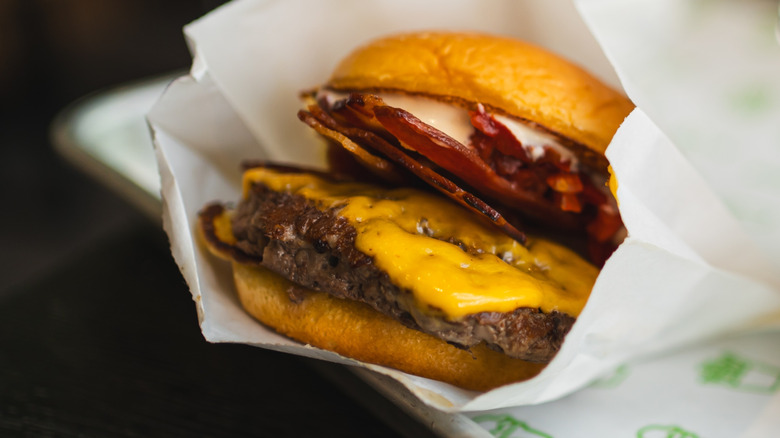
To ensure an "apples-to-apples" comparison, we analyzed the nutritional values of a signature single-patty cheeseburger from both establishments. For Shake Shack, this includes a single 100% all-natural Angus beef patty, melted American cheese, pickles, and ketchup on a toasted potato bun. We constructed an equivalent Five Guys cheeseburger using the same core components. The results, derived from the chains’ own nutritional disclosures, provide a revealing look at how these two brands differ in their kitchen approach.
The Nutritional Breakdown
| Nutrient | Five Guys (Single Cheeseburger) | Shake Shack (Single Cheeseburger) |
|---|---|---|
| Calories | 479 kcal | 440 kcal |
| Fat | 32g | 24g |
| Carbohydrates | 44g | 25g |
| Sugar | 12g | 5g |
| Protein | 27g | 29g |
| Sodium | ~1,150mg | ~1,100mg |
Shake Shack’s burger contains fewer calories, significantly less fat, and drastically lower sugar and carbohydrate counts. Furthermore, Shake Shack manages to deliver a higher protein yield, which is essential for satiety and muscle maintenance. While the sodium levels remain relatively comparable—both falling within the "high" category typical of processed fast-food meals—Shake Shack’s overall profile suggests a slightly more refined nutritional balance.
A Chronological Evolution of the Fast-Casual Burger
To understand how we arrived at this nutritional disparity, one must look at the histories of these two companies.
The Five Guys Philosophy: The "Everything" Model
Founded in 1986 in Arlington, Virginia, by Jerry and Janie Murrell, Five Guys began with a focus on simplicity and abundance. The brand’s identity is built on the "build-your-own" model. Five Guys encourages customization, offering a wide array of free toppings—from grilled mushrooms and jalapeños to mayonnaise and relish. This "more is more" philosophy is the heart of the Five Guys brand, but it is also the primary driver of its higher caloric totals. When a customer adds extras like mayonnaise (which adds roughly 111 calories and 11 grams of fat), the nutritional profile of a Five Guys burger can escalate rapidly.
The Shake Shack Evolution: From Hot Dog Cart to Global Icon
Shake Shack, by contrast, originated in 2004 as a humble hot dog cart in New York City’s Madison Square Park. Born out of Danny Meyer’s Union Square Hospitality Group, the brand was designed with a more curated approach. The menu is structured and deliberate. Shake Shack’s branding emphasizes the quality of ingredients—hormone-free beef and non-GMO potato buns—and maintains a more rigid menu structure that discourages the "everything but the kitchen sink" approach. This intentionality extends to their portion sizes and ingredient ratios, resulting in a more predictable nutritional outcome for the consumer.
Analyzing Macronutrients: Why Balance Matters
When evaluating "health," we must look beyond calories. A balanced diet relies on the synergy of protein, carbohydrates, and healthy fats.
The Role of Protein
Protein is the cornerstone of any burger. It provides the essential amino acids required for muscle repair and, crucially, keeps the consumer feeling full longer. Shake Shack’s slight edge in protein (29g vs. 27g) suggests a higher quality-to-weight ratio in their patty preparation, or perhaps a more efficient use of the beef volume.
Carbohydrates and Sugar
The disparity in carbohydrates (44g vs. 25g) is perhaps the most striking difference. Five Guys’ higher carbohydrate count likely stems from the composition of their bun and perhaps the quantity of condiments utilized. With 12 grams of sugar—over double that of Shake Shack—the Five Guys burger leans into a flavor profile that is more savory-sweet. For those watching their blood glucose levels or adhering to lower-carb diets, the Shake Shack option is undeniably the more manageable choice.
The Saturated Fat Factor
Fat is the primary flavor carrier in a burger. However, excessive saturated fat intake is linked to cardiovascular issues. Shake Shack’s 24 grams of fat compared to Five Guys’ 32 grams represents a significant reduction in caloric density from lipids. By keeping the fat content lower, Shake Shack provides the satisfying "mouthfeel" of a classic burger without the heavier caloric burden.
The "Hidden" Dangers: Beyond the Patty
While the burger itself is the subject of this comparison, the "healthiness" of a meal is rarely defined by the main course alone.
The Side Dish Trap
Both chains are famous for their side dishes, which can single-handedly negate any nutritional savings found in the burger choice. Shake Shack’s signature cheese fries, for example, add a staggering 710 calories to the meal. Five Guys, meanwhile, is famous for its massive portions of hand-cut fries, which are cooked in peanut oil. Because the portion sizes at Five Guys are notoriously generous, a "small" fry often contains enough calories to feed two or three people, creating a nutritional hazard that far outweighs the difference in the burgers themselves.
The Modification Variable
The "Five Guys Effect" is real: because the chain encourages infinite customization, the nutritional reality of the meal rests entirely in the hands of the consumer. A plain Five Guys burger is vastly different from one "loaded" with bacon, mayo, and BBQ sauce. Shake Shack’s menu is less conducive to such extreme modifications, which arguably keeps the average consumer closer to the intended nutritional target.
Industry Implications and Future Trends
The fact that consumers are now scrutinizing the nutritional content of fast-casual chains reflects a broader shift in the food industry. Both Five Guys and Shake Shack are feeling the pressure to provide transparency.
The Transparency Push
In recent years, both chains have updated their digital presence to include detailed nutritional calculators. This shift toward radical transparency is a response to the "Better Burger" movement, which emphasizes high-quality sourcing. As competition intensifies, both brands are being forced to justify their price points not just through taste, but through the quality and provenance of their ingredients.
What This Means for the Consumer
Does this mean you should stop visiting Five Guys? Not necessarily. The nutritional comparison highlights that while one may be "healthier" by the numbers, both remain indulgent treats. The key takeaway for the health-conscious consumer is intentionality.
If you are a fan of Five Guys, you can mitigate the caloric impact by skipping the extra sauces, opting for a lettuce wrap instead of a bun, or splitting a single portion of fries with a friend. If you choose Shake Shack, you are starting from a more advantageous nutritional baseline, but you must remain wary of the high-calorie add-ons like milkshakes and loaded fries.
Conclusion: The Choice is Yours
Ultimately, the battle between Five Guys and Shake Shack is a reminder that "fast food" is a broad category encompassing everything from cheap, processed fuel to higher-quality, chef-driven meals.
Shake Shack wins the technical battle for the healthier cheeseburger, providing a more balanced macronutrient profile, fewer empty calories, and more protein. However, health is not determined by a single meal, but by the aggregate of our dietary choices. Whether you find yourself waiting for a brown paper bag at Five Guys or grabbing a tray at Shake Shack, the best approach is to enjoy the meal as an occasional indulgence, keeping in mind the nutritional data that informs your choice.
While neither chain will likely ever be marketed as a health-food destination, the ability to choose between these two giants gives the consumer more power than ever. By understanding what is on your plate, you can continue to enjoy the quintessential American experience of a great cheeseburger without compromising your long-term health goals.