Introduction: A Year Defined by an Absent King
The landscape of the video game industry in 2026 feels strangely hollow, characterized not by a surplus of innovation, but by a pervasive sense of anticipation for a single, monolithic entity: Grand Theft Auto 6. As the industry hurtles toward the final quarter, the conversation surrounding the "Game of the Year" (GOTY) race has shifted from a celebration of diverse excellence to a debate over a mounting scarcity.
For many, the narrative was settled before the calendar even turned to January. With Rockstar Games’ latest magnum opus looming like a celestial body on the horizon, the gravitational pull of GTA 6 has seemingly warped the release schedule, dampened critical enthusiasm for mid-tier projects, and left a vacuum where a competitive field should be. As of early September, the GOTY conversation remains dominated by Resident Evil Requiem, a title that, while polished and effective, hardly feels like the definitive cultural touchstone one might expect from a "best-of" winner.
Chronology of a Disappointing Pipeline
The 2026 release cycle has been marked by a peculiar pattern of "near-misses." Throughout the first three quarters, a consistent trend has emerged: high-profile titles arrive with significant pedigree and high expectations, only to be met with a lukewarm reception that stops just short of critical consensus.
- Q1-Q2: The year began with high hopes. Resident Evil Requiem captured the top spot on most early-year rankings, maintaining a position that the author never expected it to hold for this long.
- Summer Slump: As the months progressed, the expected influx of high-scoring critical darlings failed to materialize. Games that possessed the "DNA" of past award winners—narrative depth, mechanical polish, and creative risk-taking—consistently landed in the "good, but not great" category.
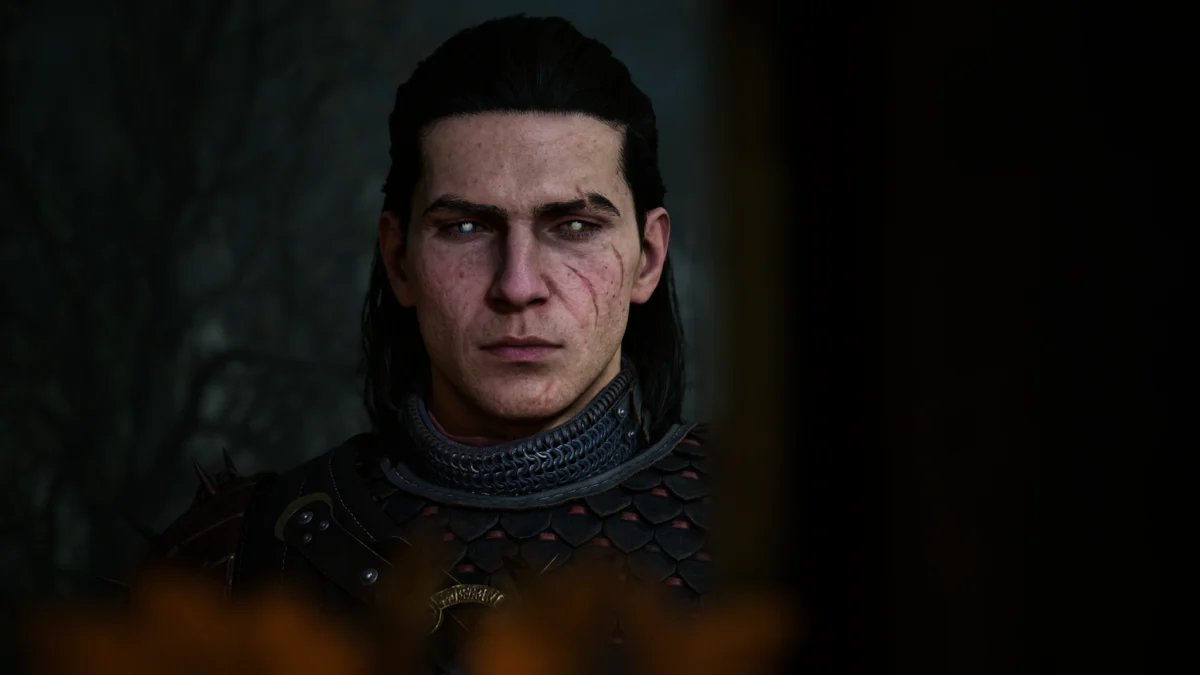
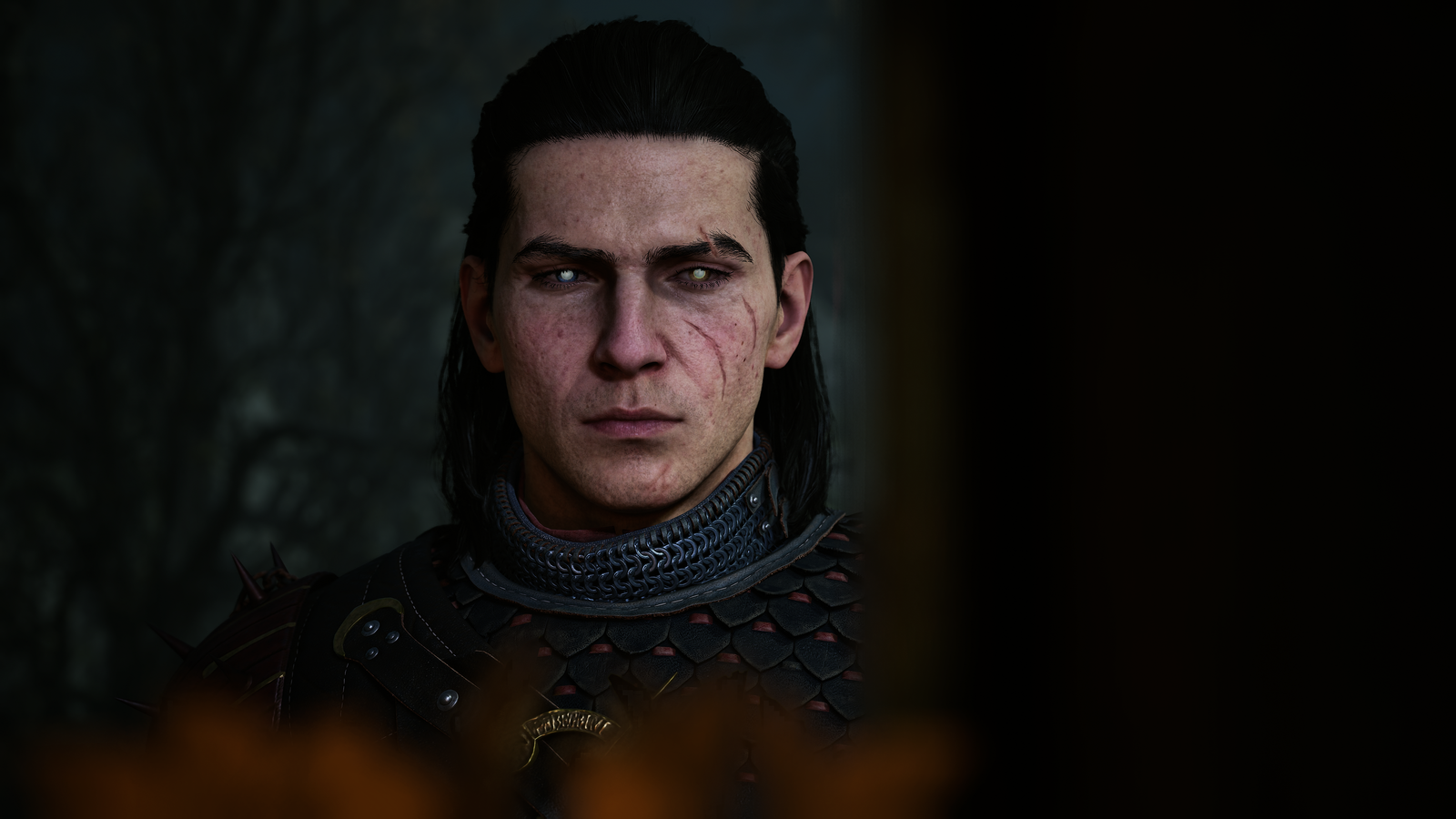
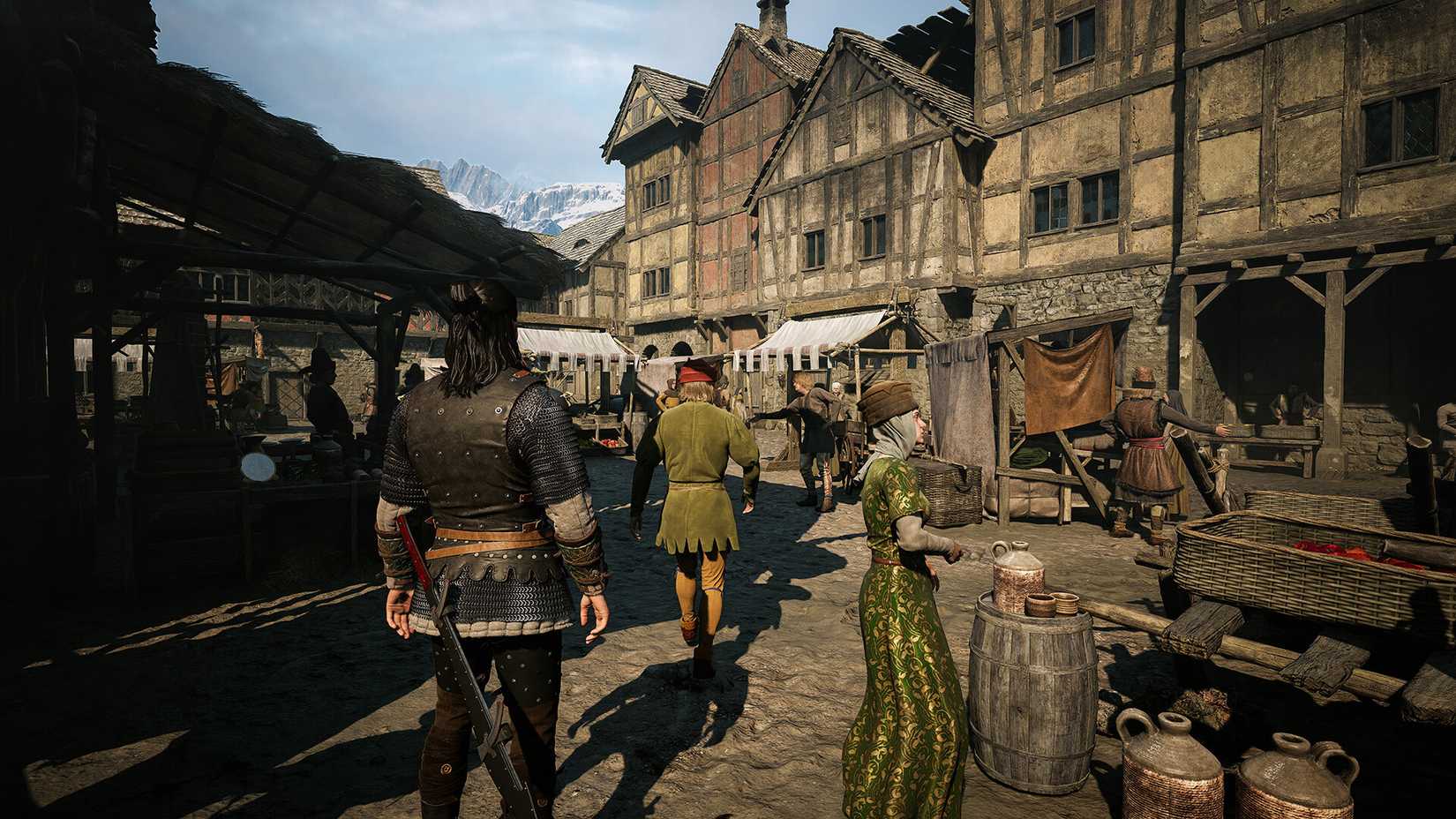
- The September "Dawnwalker" Test: The most recent litmus test for this phenomenon was The Blood of Dawnwalker. Developed by veterans of The Witcher 3, this vampire RPG seemed perfectly positioned to challenge for top honors. Despite being a darling of the Polygon staff, the broader critical reception—reflected in an 83 on Metacritic—suggests a lack of the "must-play" aura required to secure a GOTY nomination.
- The Indie Gap: Similar fates befell titles like Orbitals and Onimusha: Way of the Sword. While these games offered unique experiences, they failed to generate the sustained momentum necessary to crack the top-tier conversation, leaving them as footnotes rather than front-runners.
Supporting Data: The Metacritic Barrier and Genre Bias
The industry’s current state can be measured by the "90+ threshold." Historically, a Metacritic score of 90 or higher is the unofficial entry ticket to the GOTY stage at The Game Awards. In 2026, however, that threshold has become an impenetrable wall.
The "Genre Penalty"
Beyond the raw scores, there exists a systemic bias within the voting jury—a collection of critics and industry figures who often overlook certain genres.
- Racing and Sports: Forza Horizon 6, despite its technical brilliance, suffers from the historical precedent that racing games rarely gain traction with juries, regardless of their critical scores.
- Licensed Titles: 007 First Light displays potential, yet it faces the "licensed game stigma," where the jury historically devalues projects tethered to existing intellectual property, even when the execution is high-quality.
- Niche Appeal: Titles like Mina the Hollower are hindered by their cult-like, niche nature, which prevents them from achieving the broad, cross-platform visibility required for a mainstream award sweep.
The "Mostly Positive" Reality
Even when games avoid critical panning, they struggle with the player-base. The Blood of Dawnwalker’s "mostly positive" rating on Steam is emblematic of a broader issue: audiences are increasingly discerning, or perhaps increasingly exhausted. When a game fails to deliver a transcendent experience, it risks being relegated to the "solid-but-forgettable" pile, a death knell for its award prospects.
Official Responses and Industry Sentiment
While developers remain publicly optimistic, private conversations within the industry suggest a growing anxiety. Studio heads are navigating a "post-AAA" landscape where mid-sized games—the bridge between indie projects and massive blockbusters—are becoming harder to justify.
The decline of the "double-A" sector has left a void. While games like Clair Obscur: Expedition 33 provided a blueprint for success in previous years, 2026 has failed to produce a comparable successor. The industry is currently waiting for the "GTA Effect" to subside, yet the reticence of Rockstar Games to provide hands-on time has only heightened the tension. By controlling the information flow so tightly, Rockstar has effectively paralyzed the market; publishers are seemingly unwilling to release their heaviest hitters in the immediate window surrounding the GTA 6 launch, leading to a bottlenecked, stagnant release calendar.

Implications: A Call for a Challenger
The current state of the industry has profound implications for the future of interactive entertainment. When the focus narrows to a single anticipated title, the diversity of the medium suffers. We are seeing a homogenization of release windows and a conservative approach to "prestige" game development.
Is Rockstar Invincible?
The central question for the remainder of 2026 is whether any game can mount a credible challenge to the behemoth. History suggests that Rockstar is not untouchable. In 2013, The Last of Us managed to overshadow the cultural dominance of GTA V. In 2018, God of War took the crown from Red Dead Redemption 2. Both instances prove that a sufficiently high-quality, emotionally resonant experience can cut through the noise of a Rockstar launch.
The Last Stand of 2026
The final quarter of the year remains the last bastion of hope. The industry is holding its collective breath for a slate of upcoming releases that include:
- Marvel’s Wolverine
- Gears of War: E-Day
- Fire Emblem: Fortune’s Weave
- Phantom Blade Zero
- Control Resonant
While none of these currently carry the "guaranteed 90+" prediction, the potential for a surprise masterpiece remains. There is also the wild card of the Legend of Zelda: Ocarina of Time remake. While remakes are often viewed as "lesser" candidates for GOTY, the sheer weight of Ocarina of Time’s legacy could force a reckoning at the awards ceremony—provided it meets its release deadline.
Conclusion: Waiting for a New Standard
The 2026 gaming year is, at its core, a testament to the industry’s obsession with the "event" game. By centering the entire narrative around the arrival of Grand Theft Auto 6, we have collectively devalued the work of hundreds of developers who have shipped competent, engaging, and worthy games throughout the year.
If the industry is to remain healthy, it must break this cycle of waiting. The "Great 2026 Void" is not necessarily a lack of quality—it is a lack of courage to compete. For the sake of the medium, one can only hope that as the final months unfold, at least one developer decides to step out of the shadow and offer a product that dares to challenge the throne. Until then, we remain in a holding pattern, waiting for a king to arrive and tell us what to value.