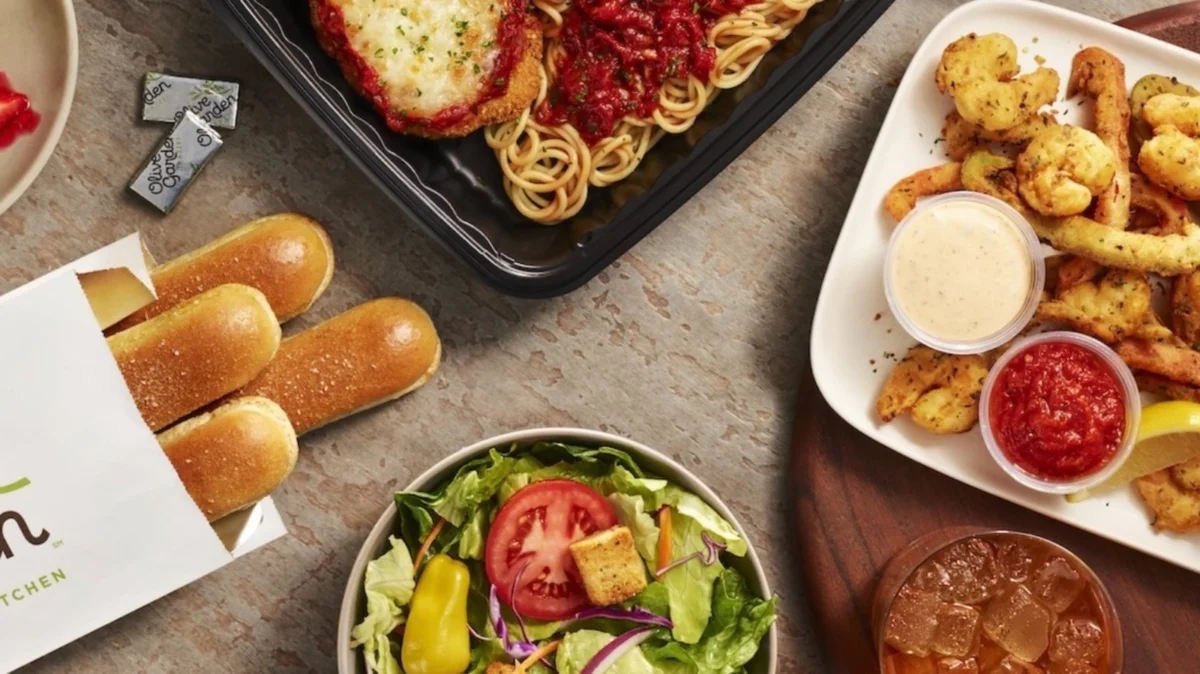
For millions of diners, the allure of Olive Garden is a complex alchemy of nostalgia, consistency, and the sheer abundance of its "Never-Ending" philosophy. While the chain’s roster of hearty entrées—from the classic Chicken Parmigiana to the indulgent Steak Gorgonzola Alfredo—serves as the anchor of the menu, a significant shift in consumer behavior is taking place. Increasingly, diners are finding that the supporting cast of sides, appetizers, and even functional dining tools are not merely accompaniments; they are the primary reason for the visit.
This phenomenon, supported by extensive online discourse and consistent, high-volume sales, suggests that the "understudies" of the Olive Garden menu have officially stolen the spotlight. Whether driven by the comfort of a bottomless bowl of soup or the specific, proprietary seasoning of a breadstick, these items have transcended their secondary status to become the true culinary identity of the brand.
The Evolution of the "Supportive" Meal
The history of the Olive Garden side dish is inextricably linked to the brand’s identity as a bastion of American-Italian comfort food. Since its inception, the restaurant has focused on the "unlimited" model, a strategy that turned the House Salad and breadsticks into cultural icons.
Chronologically, the expansion of the appetizer and side menu has mirrored the evolution of casual dining in America. As diners moved toward more "snackable" or "shareable" meals, Olive Garden pivoted to meet this demand. The rise of items like the Lasagna Fritta and Spinach-Artichoke Dip tracks with a decade-long shift where customers prefer to build a meal around distinct, high-impact flavors rather than committing to a single, heavy entrée.
The Pillars of the Menu: Iconic Sides
The Breadstick Phenomenon
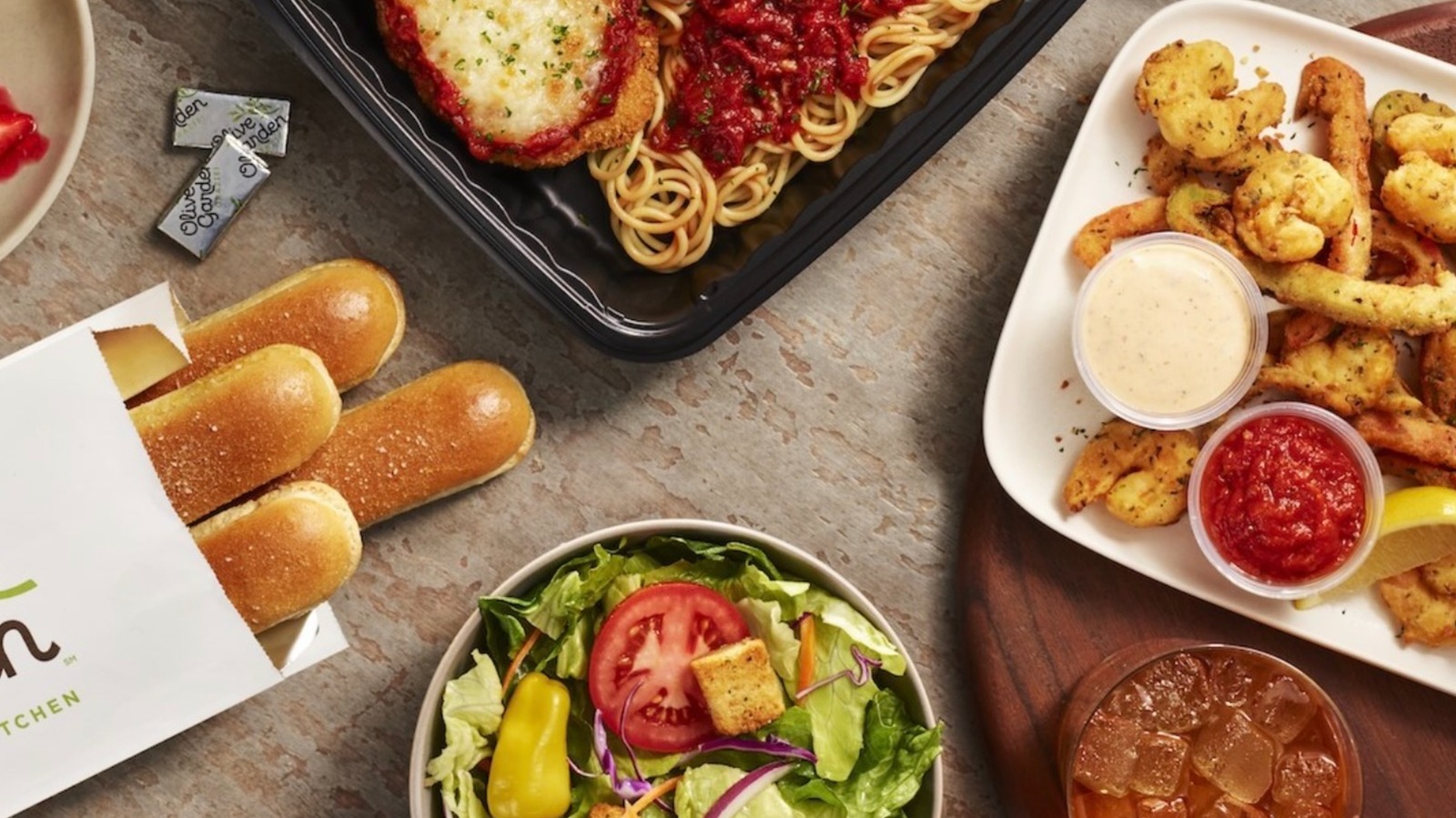
It is impossible to discuss Olive Garden without addressing the breadstick. Much like the Cheddar Bay Biscuits of Red Lobster or the honey-butter rolls of Texas Roadhouse, these are not mere table snacks; they are a destination. Delivered in bundles, these warm, doughy delights function as both a comfort food and a culinary tool.
The "secret" behind their cult status lies in the application of garlic powder, liquid margarine, and salt. However, the true genius of the breadstick is its utility. They serve as edible utensils—perfect for "squeegeeing" the remnants of Alfredo or marinara sauce from a plate. For the savvy diner, ordering a side of dipping sauce—five-cheese marinara being the gold standard—is the definitive way to elevate the experience.
The House Salad and the Art of Customization
The House Salad represents the fresher, lighter side of the Italian-American experience. Its staying power is rooted in its versatility. Featuring a crisp base of lettuce, black olives, pepperoncini, and red onions, it provides a necessary acidic contrast to the heavier, carb-loaded dishes.
The integration of retail products—specifically the Signature Italian Dressing and Signature Recipe Croutons—into grocery stores nationwide proves that the demand for these flavors extends beyond the restaurant walls. The ability to recreate this salad at home has only bolstered its reputation as a "must-have" component of the meal.
Zuppa Toscana: The World’s Best Soup?
Among the four never-ending soup selections, the Zuppa Toscana reigns supreme. By combining spicy Italian pork sausage, fresh kale, and tender potatoes in a creamy broth, the dish achieves a balance of earthiness and heat that is rare in chain dining. Online reviews frequently label it the "best soup in the world," and employee testimonials confirm that it remains the most popular choice for both first-time visitors and regulars.
Appetizers That Outperform Entrées
The menu’s appetizers have undergone a metamorphosis, moving from simple starters to formidable dishes that can stand alone.
- Spinach-Artichoke Dip: A masterclass in texture, this dish relies on a five-cheese blend that provides a deep, savory profile. The inclusion of garlic-parmesan flatbread chips transforms it from a snack into a substantive course.
- Shrimp Fritto Misto: This dish is a testament to fresh, daily preparation. The double-battered shrimp and vegetables are impressive, but the real star is the spicy ranch dipping sauce. Fans have become so enamored with this sauce that many now request it as a standard side for their breadsticks, creating a "secret menu" hack that defines the modern, social-media-driven dining experience.
- Toasted Ravioli: Hailing from St. Louis, Missouri, these beef-stuffed, deep-fried pasta pillows have become a fan favorite. They represent the pinnacle of "finger food" dining, offering a satisfying crunch that makes them a high-ranking contender for the best item on the entire menu.
- Lasagna Fritta: By taking the core elements of a traditional lasagna and deep-frying them, Olive Garden created a decadent, texturally complex dish that defies traditional categorization. The interplay of meat sauce and creamy Alfredo sauce makes it an irresistible, albeit indulgent, choice.
The Role of Functional Add-Ons: The Cheese Grater
Perhaps the most unconventional item on this list is the physical cheese grater. The ritual of the server offering fresh, grated Romano cheese is a core part of the "Olive Garden experience."
What many guests do not realize is that this experience is commoditized. Participating locations will sell the actual cheese grater model used in the restaurant to customers. Including a block of the restaurant’s signature Romano, this purchase allows diners to replicate the restaurant’s final touch in their own kitchens. It is a brilliant example of how brand loyalty is forged not just through food, but through the tactile, interactive nature of the dining experience.
Supporting Data and Employee Insights
The methodology behind these findings involves a synthesis of anecdotal evidence, social media sentiment, and long-term observation. By tracking discussions on platforms like Reddit, Instagram, and Yelp, it becomes clear that "side-heavy" dining is not a fringe behavior but a widespread trend.
Employees often confirm that these items are prepared with a higher degree of care than the general public might assume. For instance, the Zuppa Toscana is noted for being made fresh daily, and the Shrimp Fritto Misto is consistently cited as a fresh-batch item. These insights reinforce the idea that the kitchen’s focus on these "secondary" items is a strategic decision that drives customer retention.
Implications for the Future of Casual Dining
The fact that side dishes and appetizers are outshining main courses has significant implications for the casual dining industry. It signals that diners are moving away from the rigid structure of the traditional "three-course meal" in favor of a more flexible, customizable approach to dining.
For Olive Garden, this represents a unique opportunity to pivot its marketing. By highlighting the customization of its sides—such as the "Never-Ending" soup and salad combinations—the brand can continue to capitalize on the desire for value and variety. The success of these items proves that consumers are not just looking for a plate of pasta; they are looking for a repeatable, reliable, and deeply satisfying experience that they can control.
Conclusion
Whether it is the salt-dusted crunch of a breadstick, the zesty kick of a pepperoncini in a House Salad, or the creamy, potato-heavy comfort of the Zuppa Toscana, Olive Garden’s side dishes have firmly established themselves as the brand’s true heavy hitters. These items provide a level of consistency and emotional satisfaction that keeps guests returning, often forgoing the heavy entrées in favor of a customized meal built from the bottom up. As the culinary landscape continues to evolve, these "understudies" have proven that sometimes, the best part of the meal isn’t the main course at all—it’s everything else on the table.