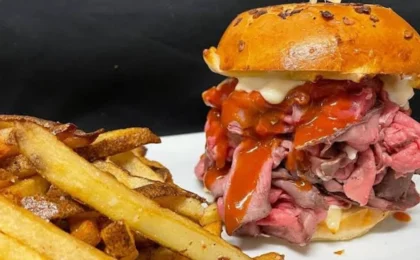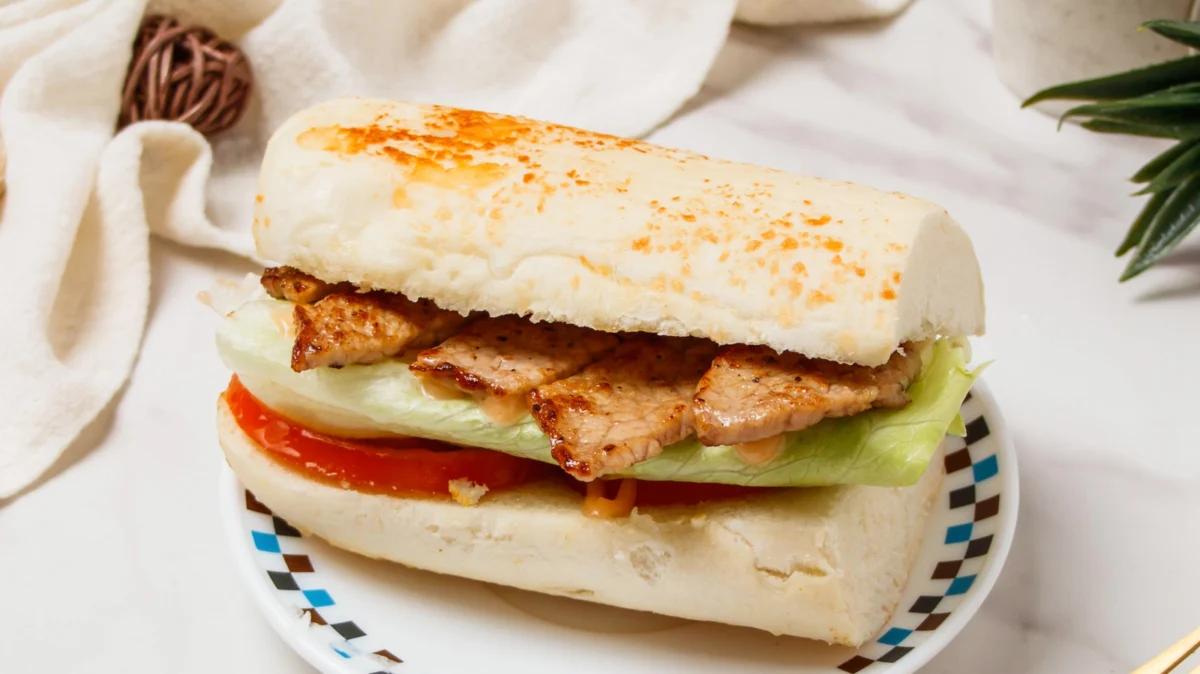
In the world of culinary comfort, few pairings have stood the test of time quite like the union of pork and apples. While the classic roast pork dinner often features a side of applesauce, the humble pork chop sandwich has long relied on traditional, mayonnaise-heavy coleslaw to provide the necessary textural contrast to the savory, fatty richness of the meat. However, a growing movement among chefs and home cooks is challenging the status quo, suggesting that the standard cabbage-based slaw is, perhaps, a bit too one-dimensional.
The secret to transforming a standard lunch-counter staple into a gourmet experience lies in the addition of apple slaw. By integrating the crisp, woodsy sweetness of fresh apples into the traditional slaw profile, home cooks can achieve a multidimensional flavor balance that bridges the gap between earthy, savory depth and refreshing, fruit-forward acidity.
The Evolution of the Pork Chop Sandwich
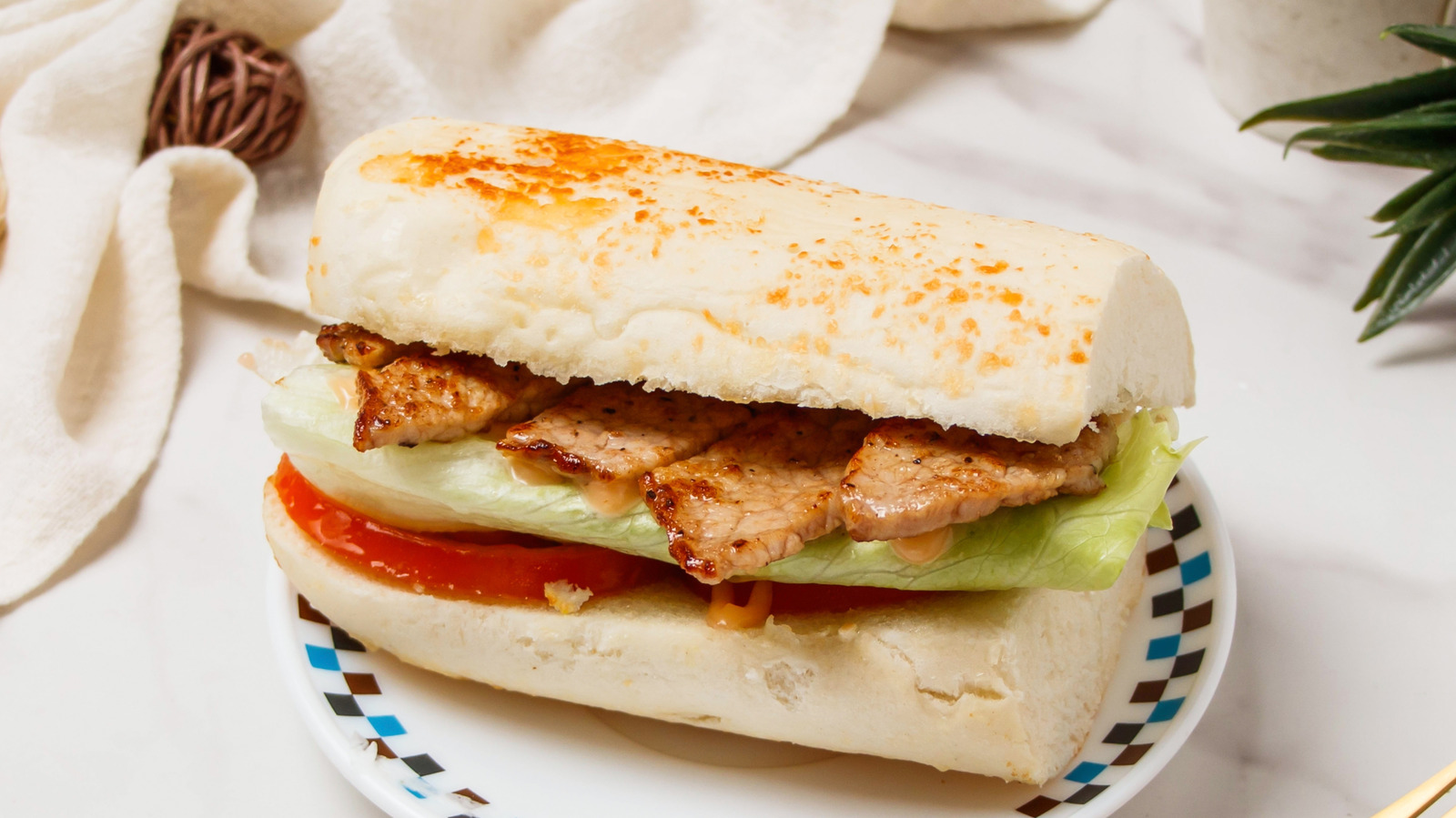
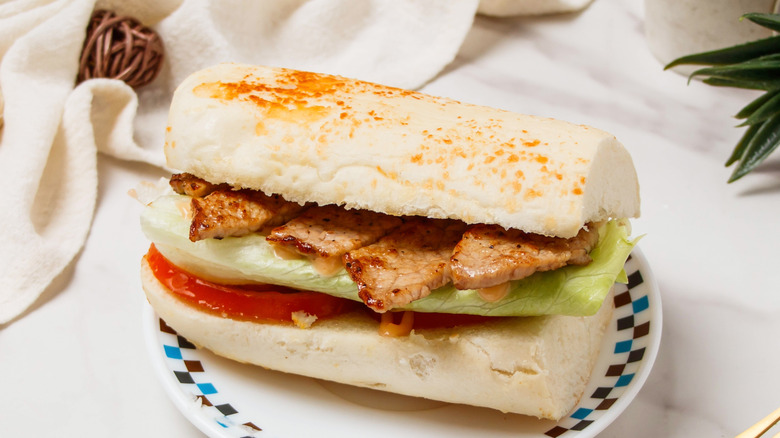
To understand the significance of this culinary shift, one must first examine the role of the topping in the anatomy of a pork chop sandwich. The sandwich itself is a masterpiece of textures: a tender, often pan-seared or grilled protein, a soft roll or bun, and a condiment to cut through the grease.
Historically, coleslaw has been the default choice because its creamy, acidic dressing acts as a palate cleanser. Yet, traditional slaw can often suffer from "monotonous heaviness," particularly when the dressing is overly rich or the cabbage lacks the necessary crunch. Enter the apple-infused slaw—a pivot that shifts the profile from a heavy side dish to a bright, aromatic centerpiece.
The Science of the Pork-Apple Pairing
The affinity between pork and apples is not merely a matter of preference; it is rooted in chemistry. Pork is a neutral, high-fat protein that benefits from the presence of malic acid, which is found in abundance in apples. This acid helps to break down the richness of the pork, preventing palate fatigue. Furthermore, the aromatic compounds in apples—specifically those that evoke notes of honey, floral, and spice—complement the "umami" profile of seared pork, creating a harmonious balance that is difficult to replicate with vegetables alone.
Crafting the Perfect Apple Slaw: A Technical Breakdown
Elevating your sandwich is a straightforward process, but it requires a disciplined approach to ingredients. The goal is to avoid turning the slaw into a fruit salad; rather, the apple should act as a sophisticated accent to the cabbage.
Selecting the Right Varietal
Not all apples are created equal when it comes to slaw. Culinary experts generally recommend a tiered approach:
- The Granny Smith Foundation: Known for its bracing acidity and firm, crisp flesh, the Granny Smith is the industry standard for slaw. It holds its shape even when tossed in dressing, ensuring the sandwich retains its crunch long after assembly.
- The Sweet Balance: To round out the sharp tang of a Granny Smith, consider adding a Honeycrisp or a Pink Lady. These varieties offer a more nuanced, honeyed sweetness that softens the overall impact without sacrificing texture.
- The Pro-Tip: Do not limit yourself to a single variety. Using a mix of two or three types of apples allows you to capture a broader spectrum of sweetness and acidity, creating a more "multi-dimensional" experience for the diner.
The Prep Work: Julienne vs. Grate
The texture of the apple is just as critical as its flavor. A thick, chunky chop can overwhelm the sandwich, causing it to lose its structural integrity.
- The Julienne: By slicing the apples into thin, matchstick-sized batons, you mirror the texture of shredded cabbage, ensuring that every bite contains a uniform ratio of fruit to vegetable.
- The Grate: For a more integrated, creamy texture, a coarse grater is ideal. This allows the juices of the apple to meld more effectively with the dressing, creating a cohesive, flavorful coating for the cabbage.
Beyond the Fruit: Expanding the Flavor Profile
Once the foundation of apple and cabbage is set, the culinary possibilities expand significantly. To truly push the boundaries of the traditional sandwich, consider these layering strategies:
Incorporating Earthy and Peppery Elements
If you find your slaw needs more complexity, don’t hesitate to look toward the garden. Adding thinly sliced fennel bulb introduces a sophisticated, anise-like undertone that pairs exceptionally well with pork. Alternatively, shaved Brussels sprouts offer an "earthy spunk" that elevates the slaw from a side dish to a robust component of the meal. Celery, while traditional, provides a necessary bitterness that can help cut through the sweetness of the apple.
Dressing and Acid Modulation
The dressing is the bridge between the meat and the slaw. While a traditional mayo-based dressing works, consider these modifications:
- Apple Cider Vinegar: A splash of high-quality cider vinegar in your dressing reinforces the apple theme, tying the fruit in the slaw to the tang of the sauce.
- Lemon Juice: For a brighter, more citrus-forward finish, a squeeze of fresh lemon juice is indispensable.
- Spicy Mustard: A dollop of whole-grain or Dijon mustard adds a sharp, piquant note that contrasts beautifully with the natural sugar of the apples.
Advanced Flavor Pairings: Chutneys and Aiolis
For those seeking to push the pork chop sandwich into the realm of fine dining, the dressing can be reimagined entirely.
The Chutney Pivot
Apple chutney, often reserved for roasted meats, serves as an excellent, texture-rich alternative to standard slaw. By incorporating a chutney into the mix, you introduce notes of ginger, cloves, and brown sugar that amplify the savoriness of the pork. For those looking to experiment, mango or date-based chutneys offer an exotic flair, introducing new sweet tones that play off the pork’s savory profile in unexpected ways.
The Infused Aioli Strategy
A fruit-infused aioli is perhaps the most elegant way to bridge the gap. By blending fresh apple purée into a high-quality mayonnaise base, you create a spread that is simultaneously creamy and light. Alternatively, whisking a small amount of apple butter into your mayonnaise creates a velvety, rich condiment that coats the pork and binds the sandwich together with a singular, concentrated flavor profile.
Implications for Modern Dining
The trend toward fruit-forward, complex toppings represents a broader shift in modern home cooking: the move away from "basic" recipes toward ingredient-focused, harmonious combinations. By viewing the pork chop sandwich as a vessel for diverse flavor profiles, home cooks are essentially elevating a simple lunch into a gourmet experience.
This shift has implications for how we view traditional American staples. As we move away from static, "one-size-fits-all" recipes, we open the door to a more creative, personalized approach to cooking. Whether you are using heritage-breed pork or a simple supermarket cut, the addition of an apple-based slaw ensures that the final result is anything but mundane.
Conclusion: A Masterclass in Balance
The beauty of the apple slaw-topped pork chop sandwich lies in its accessibility. It does not require specialized equipment or hours of preparation; it only requires a willingness to rethink the components of a classic. By balancing the savory depth of the meat with the crisp, bright, and nuanced acidity of apples, you create a sandwich that is not just a meal, but a testament to the power of thoughtful flavor combinations.
Next time you find yourself at the grill or standing in your kitchen preparing a pork chop, set aside the standard coleslaw. Experiment with the julienned crispness of a Granny Smith, the honeyed notes of a Honeycrisp, and the sharp, bright acidity of a well-balanced dressing. Your pork chop sandwich—and your palate—will thank you.