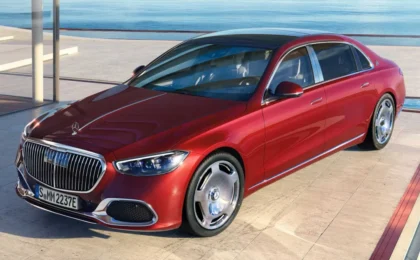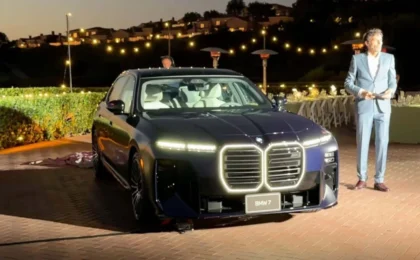
For years, the Audi A4 has served as the bedrock of Ingolstadt’s global sales strategy, a benchmark for executive sedans that balanced German engineering with understated elegance. However, as the automotive landscape undergoes its most radical transformation since the invention of the internal combustion engine, Audi finds itself in a period of transition. While rivals such as Mercedes-Benz and BMW have aggressively populated the electric luxury segment with the EQ series and the i3/i4 models respectively, Audi has been biding its time.
That waiting period is now drawing to a close. Audi has confirmed that the iconic A4 nameplate will return in 2028, but with a fundamental shift in identity. It will no longer be a conventional gas-powered sedan; it will emerge as a ground-up electric vehicle (EV), shedding its ties to the past to spearhead a new era of sustainability and digital integration.
A New Design Language: The "Strive for Clarity"
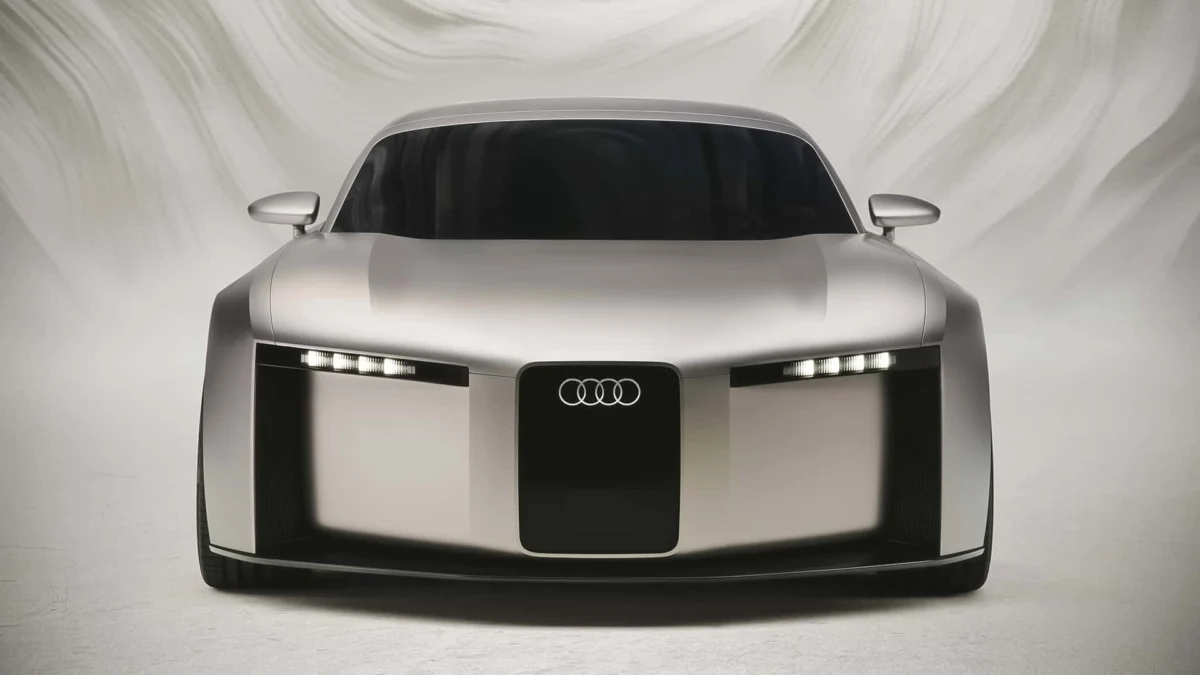
The upcoming electric A4 will serve as the vanguard for Audi’s new design philosophy, dubbed "strive for clarity." This aesthetic direction, which aims to strip away the visual noise that has cluttered modern vehicle exteriors, was first unveiled through the 2025 Concept C.
According to Audi Chief Technical Officer (CTO) Rouven Mohr, the transition will be methodical. Before the A4 arrives, the market will see the release of the Nuvolari—a low-volume, high-performance machine heavily influenced by the Lamborghini Temerario—which is expected to hit roads in 2027 with a production run capped at 499 units. Following the Nuvolari, a production iteration of the Concept C will bridge the gap, serving as a niche, electric targa sports car based on the Porsche Boxster/Cayman EV architecture.
The A4, however, will be the first high-volume, four-door model to fully embody this design language. The goal is to move away from the "screen-heavy" dashboards and excessive glossy black plastics that have recently been criticized for eroding the premium feel of the brand’s interiors.
Chronology: The Road to 2028
Audi’s roadmap for the next four years is a masterclass in calculated brand evolution. The company is not merely launching new cars; it is phasing out legacy architectures to make room for a unified, high-tech future.
- 2025: The debut of the Concept C provides the public with the first concrete look at Audi’s "strive for clarity" design language, signaling a departure from current styling cues.
- 2027: The limited-run Nuvolari enters production, establishing the performance ceiling for Audi’s new electric fleet. This will be followed shortly by the production-ready version of the Concept C, a niche electric sports car.
- 2028: The definitive launch of the electric A4. This model represents the "mainstream" arrival of the new design language and the brand’s primary entry into the competitive electric executive sedan segment.
- 2029–2030: The full integration of the Scalable Systems Platform (SSP) across the wider Audi portfolio, effectively retiring older legacy platforms.
Technical Foundations: The Power of SSP
The most significant under-the-hood development for the upcoming A4 is its adoption of the Scalable Systems Platform (SSP). Developed by the Volkswagen Group, the SSP is designed to be the "one-size-fits-all" architecture that will eventually underpin the majority of the conglomerate’s electric vehicles.
The SSP is a significant leap forward from the current MEB and PPE (Premium Platform Electric) architectures. It is engineered to offer superior modularity, allowing Audi to scale performance and range across different vehicle sizes with greater efficiency. By utilizing a more sophisticated digital and electrical architecture, the SSP will enable faster over-the-air updates, improved autonomous driving capabilities, and more efficient battery thermal management.
For the consumer, this means the A4 is expected to offer class-leading charging speeds and a range that finally puts the brand on par with—or ahead of—its primary German competitors.

Restoring the "Audi DNA" in Interior Design
In recent years, Audi has faced an unusual challenge: critics and customers alike have pointed to a perceived decline in material quality. A sea of fingerprint-prone touchscreens and hollow plastics has, for some, undermined the brand’s reputation for superior craftsmanship.
Recognizing this, Audi has committed to a radical rethink of the cabin experience. The upcoming A4 will emphasize tactile feedback, returning physical controls to the cockpit to reduce driver distraction and improve the ergonomics of the user interface. The "strive for clarity" philosophy extends inward, prioritizing premium sustainable materials and a cleaner, less cluttered layout that allows the high-quality materials to take center stage.
Moreover, Audi remains committed to its heritage. In an interview with GoAuto, CTO Rouven Mohr emphasized that the station wagon, or "Avant," is a crucial part of the brand’s identity. "Audi made the station wagon cool," Mohr stated. "We should continue this." This confirms that the electric A4 will likely offer an Avant variant, ensuring that the utility and style that defined the gasoline-powered A4s of the past remain a pillar of the electric future.
Implications: A Radical Departure
The move to pivot the A4 to an EV platform is not without risk. For decades, the A4 has been the "Goldilocks" car—affordable enough for young professionals, yet premium enough for executives. By moving the A4 entirely to an electric powertrain, Audi is betting that the infrastructure and consumer appetite for EVs will be sufficiently mature by 2028 to support its highest-volume model.
If successful, this transition will solidify Audi’s position as a leader in the premium EV space. The enthusiasm generated by the Nuvolari and the Concept C is intended to create a "halo effect," drawing customers into showrooms who are then converted into A4 owners. However, the market remains volatile. The competition from Tesla, NIO, and the growing Chinese luxury EV sector means that Audi cannot afford a misstep in software reliability or range efficiency.
The Verdict: A Return to Form?
Audi’s strategy is clear: it is using niche, performance-oriented models to test and refine its new design language, while simultaneously preparing the SSP architecture to power its future volume sellers. By acknowledging the flaws in its recent cabin designs and promising a return to superior build quality, Audi is effectively attempting to hit the "reset" button on its brand identity.
Whether this "strive for clarity" will resonate with a global audience remains to be seen. Design is, by nature, subjective, and the brand’s transition from the current aggressive, multi-faceted look to something more minimalist will be a major test of consumer loyalty.
Ultimately, the 2028 A4 will be more than just a car; it will be the litmus test for Audi’s entire corporate strategy. If the company can marry the technological prowess of the SSP platform with the premium, tactile cabin experience it has promised, the A4 could once again become the defining car of its segment. For now, the automotive world waits with bated breath to see if the Four Rings can successfully bridge the gap between their storied internal-combustion history and the electrified future that lies ahead.