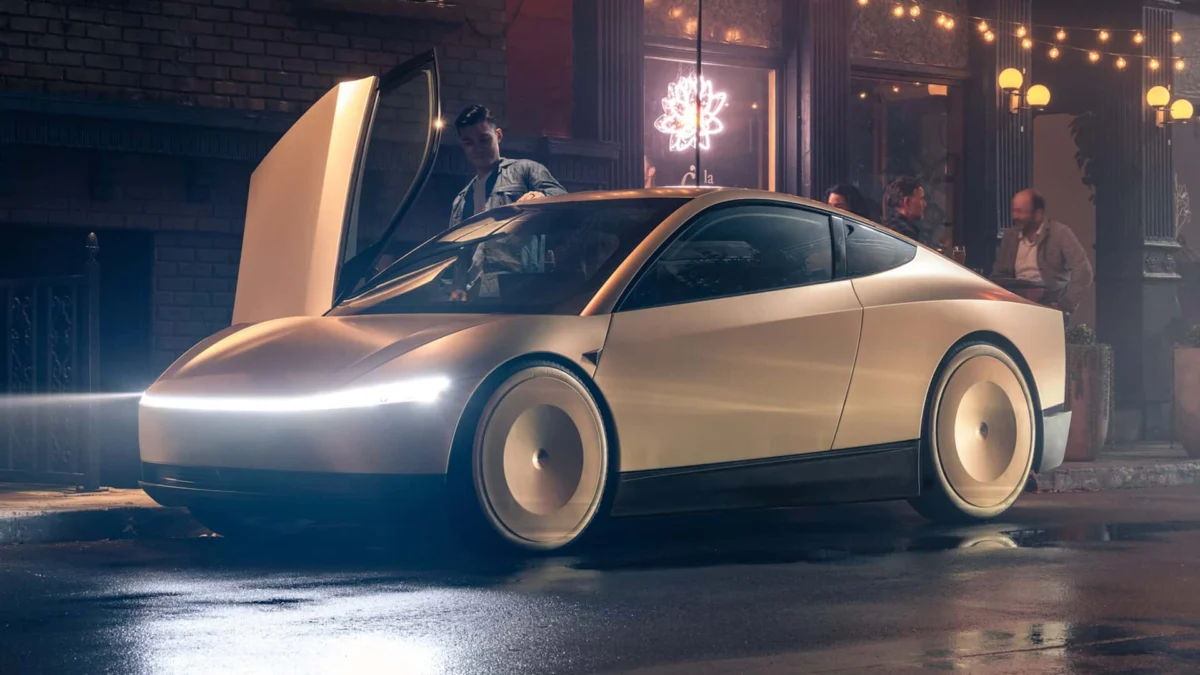
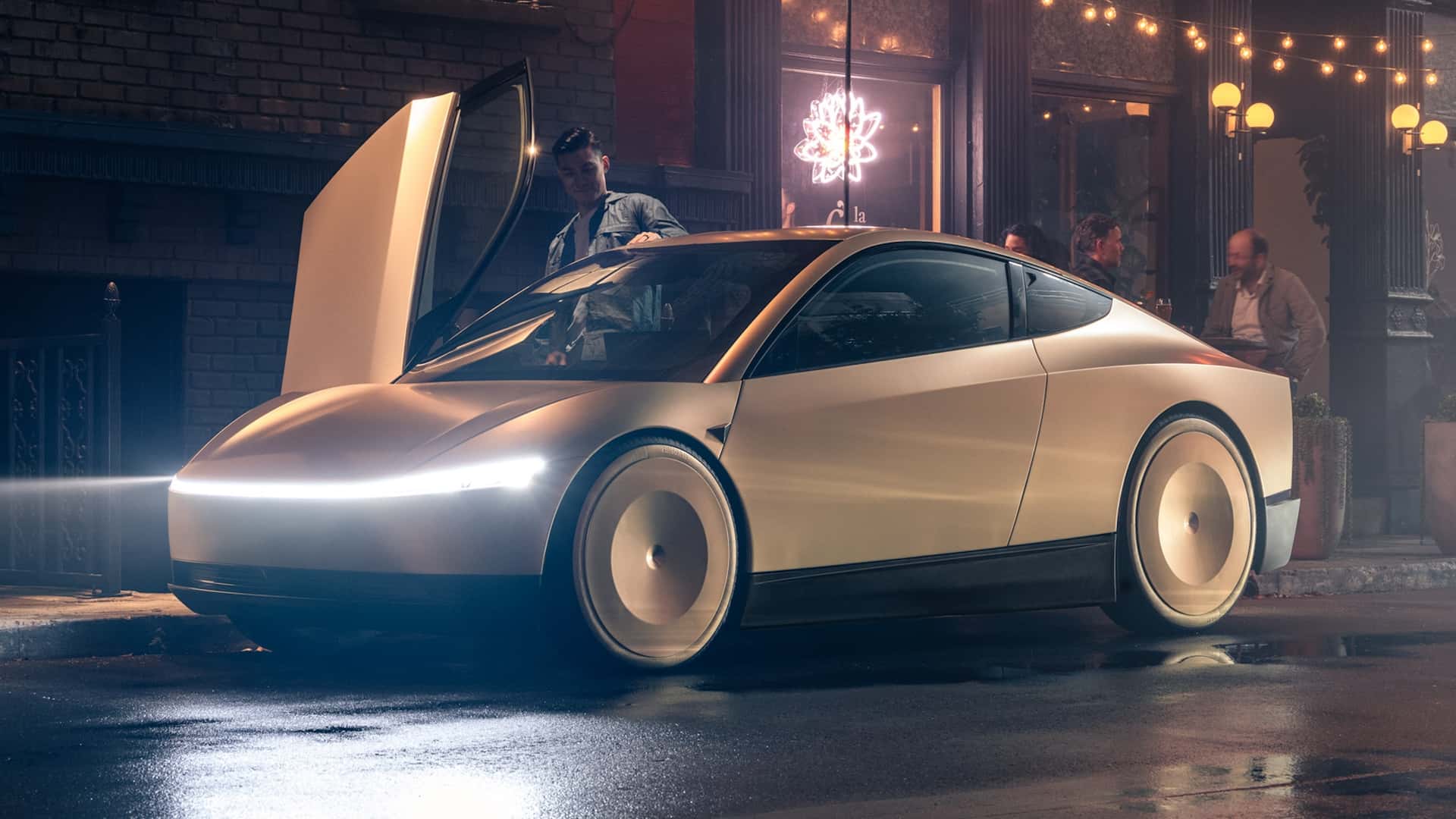
The ambitious vision of a fully autonomous, steering-wheel-free future—epitomized by Tesla’s sleek, metallic Cybercab—has hit a significant regulatory speed bump. Following its high-profile debut in Austin, Texas, on September 3, 2026, and the subsequent launch of limited paid public services, the vehicle is now the subject of a rigorous scrutiny process by the National Highway Traffic Safety Administration (NHTSA).
This investigation is not merely a routine procedural inquiry. The NHTSA has issued a Special Order demanding that Tesla provide sworn, detailed responses explaining how a vehicle lacking basic manual controls—such as a steering wheel, traditional pedals, and mirrors—managed to meet federal safety standards. For Tesla, this probe represents a pivotal moment that threatens to derail its robotaxi timeline and potentially expose the company to massive civil penalties.
The Chronology of the Cybercab Rollout
The timeline of the Cybercab’s emergence highlights the aggressive pace at which Tesla sought to bring its autonomous vision to the streets:
- September 3, 2026: Tesla officially unveils the Cybercab at a glitzy launch event in Austin, touting it as the future of personal mobility.
- September 4, 2026: Operations begin almost immediately, with limited paid ride-hailing services becoming available to the public in select sectors of Austin.
- Post-Launch Period: As the vehicles began circulating in real-world traffic, the NHTSA initiated its review, quickly escalating to a formal Special Order.
- Current Status: Tesla is now under the regulatory microscope, tasked with justifying its internal certification processes under the threat of significant legal and financial consequences.
The Regulatory Friction: Self-Certification vs. Exemption
At the heart of the conflict is the concept of "self-certification." Unlike in many other industries, the U.S. automotive sector operates on a trust-but-verify model. Manufacturers are responsible for certifying that their vehicles comply with all applicable Federal Motor Vehicle Safety Standards (FMVSS). They sign off on the paperwork themselves, and the NHTSA conducts audits or investigations after the fact to ensure compliance.
Tesla has bypassed the traditional route of seeking a formal, temporary exemption from safety regulations—a path taken by other autonomous vehicle developers. Instead, Tesla opted to self-certify the Cybercab as fully compliant with existing laws. This decision has drawn the ire of federal regulators, who are now questioning the legal basis for that assertion.
The "Foot Brake" Hurdle
A primary point of contention is FMVSS No. 135, which explicitly mandates that vehicles must be equipped with a service brake system activated by a foot control. The Cybercab, designed as a "pod-like" autonomous unit, possesses no such pedal. Tesla’s challenge is to explain how a vehicle without a physical foot brake satisfies a regulation that has been the bedrock of automotive safety for decades.
While the NHTSA has floated proposals to modernize these rules—potentially allowing for electronic actuators or other non-human-operated components to serve as the "control"—those rules have not yet been codified. Until they are, the current, strict interpretation of the law remains in effect. By choosing not to apply for an exemption, Tesla has effectively bet the entire Cybercab project on its own legal interpretation of the current safety standards.
Implications of the NHTSA Special Order
The issuance of a Special Order is a serious escalation in administrative law. By requiring Tesla to provide answers "under oath," the NHTSA is signaling that it is prepared to move beyond informal dialogue and into the realm of formal enforcement.
The Financial and Legal Stakes
The potential consequences for Tesla are profound. Under federal law, certifying a vehicle while knowing the paperwork is false or misleading is a severe violation. If the NHTSA determines that Tesla knowingly ignored or misrepresented compliance requirements, the civil penalties could be staggering. Estimates suggest that fines could reach approximately $139 million.
Beyond the immediate financial hit, there are broader legal risks. False or incomplete responses to a federal regulator can trigger statutes related to perjury or the submission of false statements. These are not merely regulatory fines; they are potential criminal or civil liabilities that could haunt the company’s leadership and legal team.
The "Zoox" Precedent
To understand the gravity of the situation, one must look at industry peers like Zoox. The Amazon-backed firm, which also develops purpose-built robotaxis, followed a different, more conservative regulatory path. Zoox initially argued that its vehicle design could meet standards but ultimately secured a limited, specific exemption from the NHTSA for its defined operating conditions. By securing this legal "safe harbor," Zoox protected itself from the kind of existential regulatory scrutiny now facing Tesla. Tesla’s refusal to pursue a similar exemption suggests a high-stakes gamble that its proprietary technology and safety data are sufficient to override the need for explicit regulatory waivers.
Tesla’s Technical Defense: Hidden Controls?
Recent reports have surfaced regarding the presence of "bolt-on" steering wheels and hidden virtual joysticks within the Cybercab. According to first-responder guides, some units have been outfitted with temporary manual control interfaces. This has led to speculation that Tesla may be using these features to argue that the vehicle is technically capable of manual operation, even if those controls are not intended for the average passenger.
However, critics argue that a "bolt-on" steering wheel, intended for emergency use or maintenance, does not satisfy the spirit or the letter of safety laws designed to ensure that a human driver can intervene in an emergency. The NHTSA is likely to scrutinize whether these "hidden" or "temporary" features are a genuine attempt at compliance or a "compliance theater" designed to circumvent the law.
The Road Ahead: A Legal Stress Test
The NHTSA’s investigation serves as a critical stress test for the entire autonomous vehicle industry. If Tesla successfully argues that its interpretation of the safety standards is correct, it will establish a new precedent that could accelerate the rollout of "wheel-less" vehicles across the United States. It would essentially prove that the current regulatory framework is flexible enough to accommodate the next generation of transport without requiring constant, bureaucratic exemptions.
Conversely, if the NHTSA finds that Tesla overreached, the company faces a difficult choice: recall the fleet for expensive retrofitting, halt operations to seek a formal exemption (which could take years), or face a prolonged legal battle that could freeze the Cybercab program indefinitely.
Strategic Consequences
For Tesla, the "cost" of this investigation extends far beyond the potential $139 million in fines. Time is the most valuable commodity in the race for autonomy. Every month the Cybercab spends in the regulatory "penalty box" is a month of lost data, lost market share, and lost momentum. As competitors continue to refine their own technologies under more traditional regulatory frameworks, Tesla risks ceding the lead in the very sector it helped create.
Conclusion: A Turning Point for Autonomy
The Cybercab was meant to be the crowning achievement of Tesla’s FSD (Full Self-Driving) ecosystem. Instead, it has become the focal point of a historic clash between rapid innovation and the slow-moving, protective nature of federal safety regulation.
The NHTSA’s intervention is a stark reminder that in the automotive industry, engineering prowess is only half the battle. The other half is the rigorous, often tedious, process of proving that innovation does not come at the expense of public safety. As Tesla prepares its sworn responses, the entire tech and automotive world is watching. The outcome of this probe will not just define the future of the Cybercab—it will define the rules of the road for the next era of transportation.
The Motor1.com team continues to track this investigation closely. As the situation evolves, we remain committed to providing in-depth analysis on how this regulatory conflict impacts the future of the Tesla brand and the broader landscape of autonomous mobility.