By Editorial Staff
August 28, 2026
The Himalayan nation of Nepal is currently grappling with a humanitarian crisis of harrowing proportions following a catastrophic flash flood that decimated the village of Devighat, located in the Nuwakot district. As the monsoon season reaches a peak of volatility, the sudden, violent surge of water has claimed dozens of lives and left hundreds displaced, prompting a massive, high-stakes military rescue operation that has gripped the country’s attention.
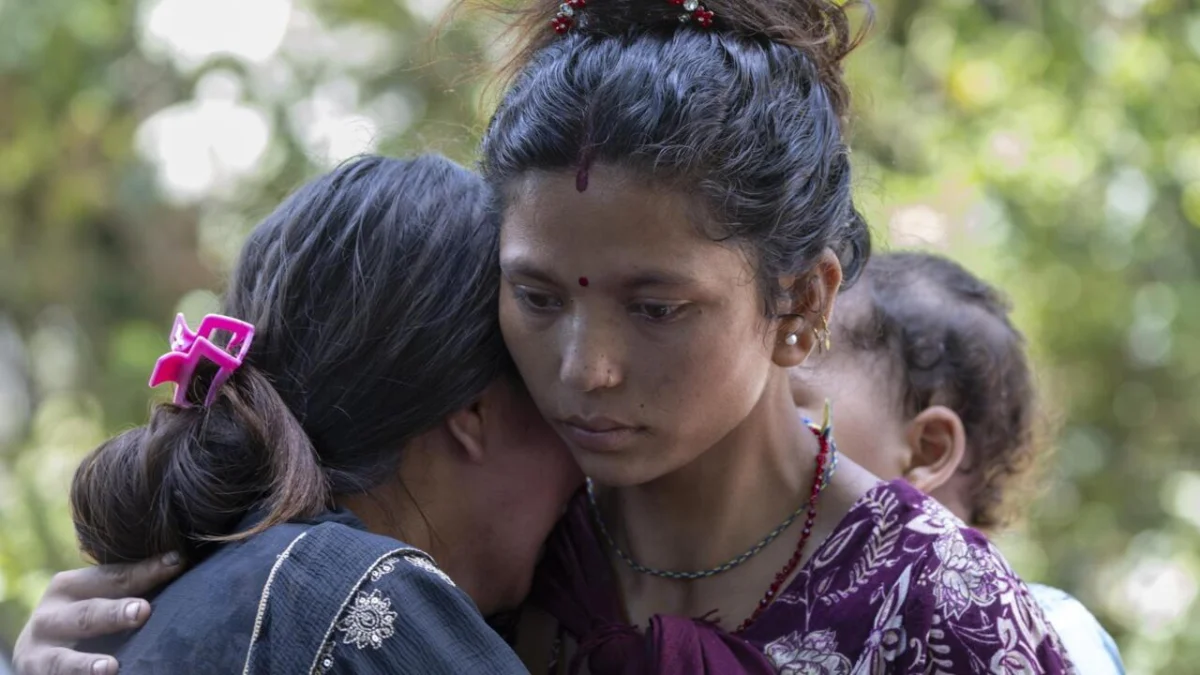
The tragedy, which unfolded on August 27, 2026, serves as a grim reminder of the vulnerability of Nepal’s mountainous topography to the increasingly unpredictable impacts of climate change. As families wait anxiously outside military bases for news of their loved ones, the government is struggling to provide relief to survivors who have lost everything in the span of a few terrifying minutes.
The Chronology of the Disaster
The catastrophe began in the early hours of August 27. Meteorologists had issued warnings of heavy rainfall in the central regions, but the intensity of the downpour in the Nuwakot district surpassed all projections.
- 04:00 AM: Torrential rain began to saturate the already fragile slopes surrounding Devighat.
- 06:30 AM: A massive wall of mud, rock, and water—a "flash flood" triggered by a localized cloudburst—swept down the river valleys. The surge caught many residents of Devighat entirely by surprise as they slept.
- 07:45 AM: The first distress calls reached district authorities. Communication lines were severed by the debris, delaying the arrival of emergency services.
- 10:00 AM: The Nepal Army initiated an aerial rescue operation. Given that roads were rendered impassable by landslides and washed-out bridges, helicopters became the only viable means of reaching the stranded.
- 03:00 PM (August 27) to Present: A continuous stream of airlifts has been moving survivors from the disaster zone to secure military installations. As of the morning of August 28, the focus has shifted from immediate extraction to the recovery of victims and the provision of emergency aid.
The Scale of the Devastation: Supporting Data
While the official death toll is still being finalized as search and recovery efforts continue, early reports from the District Administration Office in Nuwakot suggest a staggering loss.
Economic and Infrastructure Impact
- Housing: Over 150 homes have been completely swept away or buried under deep layers of silt and boulders.
- Infrastructure: Three major bridges connecting rural hamlets to the district center have collapsed, effectively isolating several communities.
- Agriculture: Preliminary estimates indicate that hundreds of hectares of ripening crops—the primary source of income for the region—have been destroyed.
- Energy: The regional power grid sustained significant damage, leaving thousands without electricity, further complicating rescue operations.
The loss of life is particularly acute among the elderly and children, who were unable to flee when the floodwaters reached the residential areas. Aid organizations estimate that the humanitarian requirement for the next three months will exceed $15 million USD to cover temporary housing, food security, and medical intervention.
Official Responses and Humanitarian Efforts
The response from the Nepalese government and international partners has been swift, yet hampered by the extreme weather conditions. Prime Minister [Name/Title] issued a statement from Kathmandu on the evening of August 27, declaring the incident a "national emergency."
"Our priority is the preservation of life," the Prime Minister stated. "We have deployed the full strength of the Nepal Army and the Armed Police Force to ensure that no one is left behind. We are also coordinating with international aid agencies to ensure that clean water, medicine, and trauma support reach the survivors immediately."

The Military Operation
The base at Nuwakot has transformed into a makeshift triage center. Medical teams are working around the clock to treat survivors for hypothermia, lacerations, and respiratory issues caused by inhaling mud and water. The use of helicopters has been vital; pilots have been performing high-risk maneuvers to land on narrow, unstable patches of ground, often fighting low visibility and erratic wind currents.
International Aid
Several neighboring nations and the United Nations have offered assistance. The UN’s Resident Coordinator in Nepal announced the mobilization of the "Humanitarian Country Team" to provide emergency shelter kits and hygiene supplies. Japan and India have also pledged specialized disaster response teams, including K-9 units, to assist in searching for the missing who are feared trapped under the debris.
The Climate Change Connection: Broader Implications
The tragedy in Devighat is not an isolated incident. Over the past decade, Nepal has witnessed an increase in the frequency and intensity of "extreme weather events." Experts point to the "Himalayan paradox," where higher temperatures lead to rapid glacial melt, which, when combined with erratic monsoon patterns, creates the perfect conditions for flash floods and debris flows.
Deforestation and Unplanned Urbanization
Beyond the climate factor, environmental scientists have long warned that the rapid, unregulated expansion of settlements in riverine areas is a disaster waiting to happen. The stripping of vegetation from hillsides for agriculture and development has significantly reduced the soil’s capacity to absorb heavy rainfall, turning slopes into dangerous slides during the monsoon season.
The Psychological Toll
Beyond the physical destruction, there is a profound psychological scar on the survivors. Many in Devighat have lost multiple generations of their families in a single morning. Mental health professionals are calling for long-term trauma support, noting that such events often lead to widespread Post-Traumatic Stress Disorder (PTSD) within rural communities that lack access to professional psychological care.
Looking Ahead: The Need for Policy Reform
As the nation enters the recovery phase, the discourse in Kathmandu has shifted toward the need for a comprehensive overhaul of Nepal’s disaster risk management strategy.
- Early Warning Systems: There is a consensus that existing early warning systems failed to reach the most remote communities in time. Investment in satellite-linked sirens and mobile alert technology is now being prioritized.
- Infrastructure Resilience: Future construction projects, particularly bridges and road networks, will likely be subjected to stricter environmental impact assessments to ensure they can withstand more intense flood events.
- Land Use Planning: The government faces the difficult task of relocating thousands of families living in high-risk "red zones." This will require massive political will, as many families rely on the fertile riverbanks for their livelihood.
"The tragedy of Devighat is a wake-up call," said an environmental policy advisor at the University of Tribhuvan. "We cannot continue to manage our land as if the climate of the 1990s still exists. The cost of inaction is clearly visible in the ruins of this village."
As the clouds over Nuwakot begin to break, the images of military helicopters hovering over the mud-caked landscape remain etched in the collective memory of the nation. The people of Nepal are resilient, having survived earthquakes and political instability, but the 2026 Devighat floods represent a new, terrifying chapter in the country’s battle for survival against an increasingly volatile environment. For the survivors, the road to rebuilding will be long, fraught with the memories of what was lost, and shadowed by the fear of what the next monsoon might bring.