The 2026 NFL regular season is rapidly approaching, with kickoff now less than two weeks away. For millions of fantasy football managers, this period—the final stretch before the season opener—is the most critical time of the year. It is a season of high stakes, complex draft strategies, and, inevitably, the heartbreak that comes with selecting a "bust."
Last season served as a stark reminder of how quickly championship aspirations can evaporate. High-profile names like Lamar Jackson, Ashton Jeanty, Ladd McConkey, and Alvin Kamara became synonymous with disappointment, as injuries and production slumps left roster spots essentially dead on arrival. To avoid repeating these mistakes in 2026, managers must look beyond surface-level ADP (Average Draft Position) and rely on data-driven projections.
To provide that edge, SportsLine has simulated the entire 2026 NFL season 10,000 times. By leveraging advanced modeling, the platform has identified the most dangerous traps in current draft boards and highlighted the players who could define the difference between a league championship and a basement finish.
The Methodology: Predictive Modeling in the Age of Data
Fantasy football is no longer just about intuition; it is an exercise in probability. The SportsLine computer model, which has built a formidable reputation over the last decade, functions by crunching massive datasets—including injury history, offensive scheme shifts, coaching tendencies, and strength of schedule—to simulate every game of the 2026 season thousands of times over.
The goal is simple: to find the "expected value" of a player versus their current market cost. The model’s track record is well-documented. In 2025, it famously warned managers away from Washington Commanders receiver Terry McLaurin. Despite a strong ADP in the top 50, the model projected a sharp decline. It was proven correct: after a stellar previous campaign, McLaurin’s production cratered to career lows in both receiving yards (582) and touchdowns (3). Those who heeded the warning avoided one of the most significant pitfalls of the 2025 draft season.
This history of success extends back years. From identifying A.J. Brown as a breakout sleeper in 2020 to correctly anticipating the volatility of C.J. Stroud in 2024, the model serves as a vital counter-balance to the "hype trains" that often drive draft boards into irrational territory.
Chronology: The Evolution of 2026 Draft Prep
As we enter the final week of August 2026, the landscape of the draft has shifted significantly from the initial projections made in May.
- Early Offseason (May-June): Initial rankings focused heavily on returning stars and high-profile free agent moves.
- Training Camp (July): Reports regarding workload distribution began to surface, particularly concerning the backfields of teams like Houston and Buffalo.
- The Final Stretch (Late August): With preseason games concluding, the model has finalized its 10,000-simulation run, locking in the "Do Not Draft" list that is currently causing significant friction among fantasy analysts.
The current market is reacting to names and past production, but the model is reacting to depth-chart realities. As we look at the board, the divergence between the consensus ADP and the model’s projected output is the widest it has been in three years.
Supporting Data: Why Certain "Stars" are Fading
The SportsLine model has flagged several high-profile players who are currently being drafted far higher than their projected output justifies.
The Case Against David Montgomery
David Montgomery, the veteran running back, is a primary example of a player being drafted on name recognition rather than situational reality. Entering the 2026 season, Montgomery’s move to the Houston Texans has many managers excited about his potential for goal-line work. However, the model paints a different picture.
While Montgomery was a volume-heavy scorer in Detroit, he faces a crowded backfield in Houston. The emergence of Woody Marks—who posted over 900 yards from scrimmage as a rookie—is a massive threat to Montgomery’s snap share. Currently going off the board at pick No. 51, the model places him in a tier with much cheaper, later-round options like Jaylen Warren and Jadarian Price. Drafting Montgomery in the fourth or fifth round is, according to the simulation, a significant overpay for a player who may not even be the primary beneficiary of his own offense.
The James Cook Conundrum
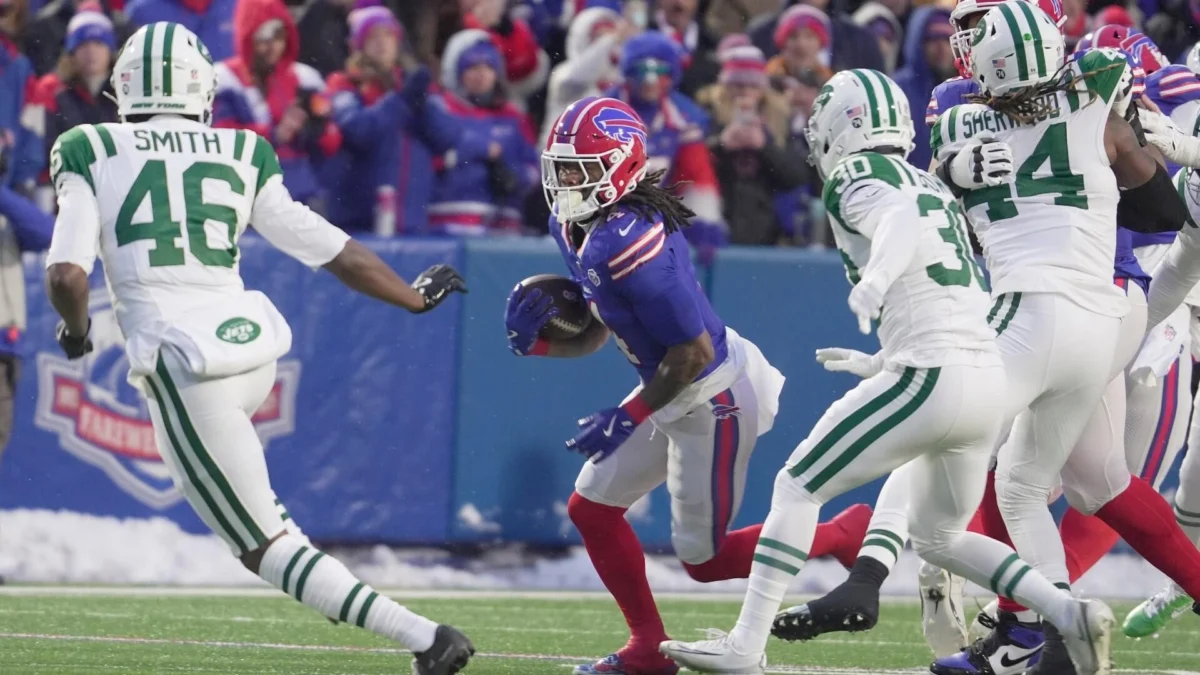
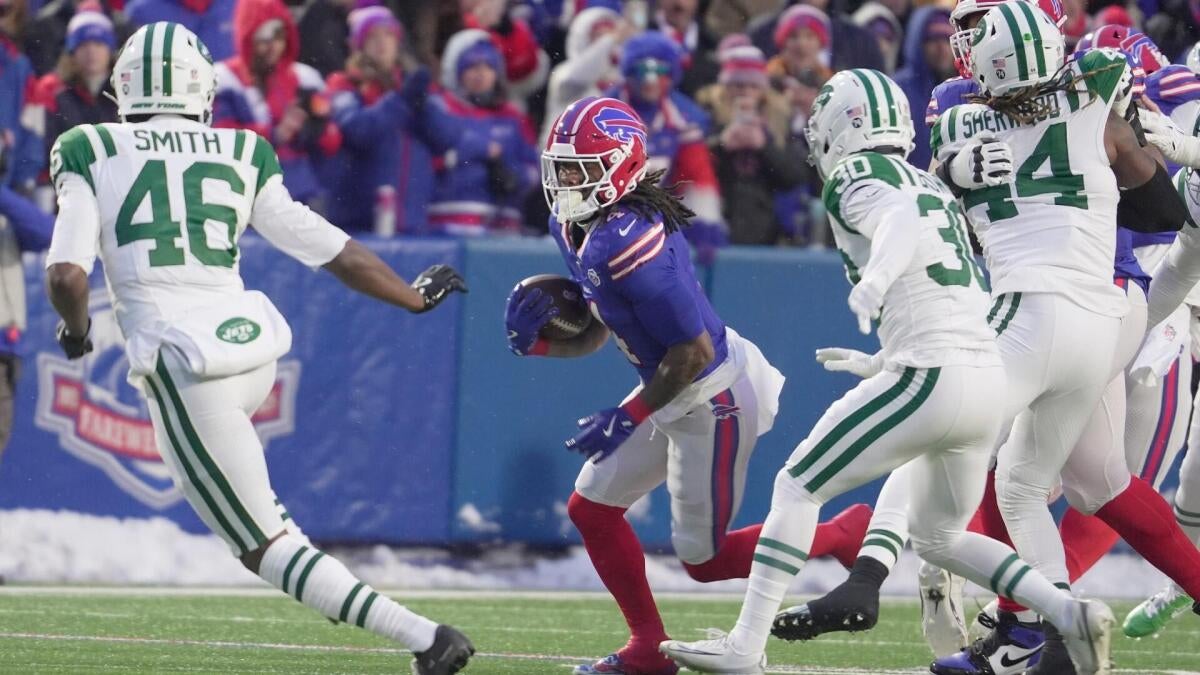
Perhaps the most controversial projection is that of Buffalo Bills running back James Cook. Currently holding an ADP inside the top 10, Cook is viewed by many as a cornerstone first-round pick. The model, however, ranks him as the RB10, suggesting he is more appropriately valued in the late second or even third round.
The reasoning is rooted in efficiency and opportunity cost. Cook’s fumble rate increased significantly in 2025, and he lacks the elite target share necessary to sustain a top-tier PPR finish when his touchdown equity is consistently threatened by Josh Allen’s goal-line rushing tendencies. When you compare Cook to players like Derrick Henry or Chase Brown, the model suggests that managers are overvaluing the Buffalo offense at the expense of more reliable volume elsewhere.
Official Responses and Expert Analysis
The fantasy community is often divided between those who follow the "consensus" rankings provided by major platforms and those who utilize independent models. The consensus view on James Cook remains bullish, citing his status as the primary back in a high-powered Buffalo offense. However, the "bust" label provided by the SportsLine model serves as a necessary check on that optimism.
"The draft is not about picking the best players," says one independent fantasy analyst. "It is about picking the players who will return the highest value on your investment. If you draft a player in the first round who finishes as a mid-tier starter, you have essentially lost your league before Week 1. The models are identifying that gap between ‘good player’ and ‘good fantasy asset’."
The model is also raising eyebrows regarding a top-six wide receiver currently being taken in the first half of the first round. While the identity remains behind the curtain for subscribers, the model indicates this player is trending toward a massive regression, with his projected target share significantly lower than his 2025 baseline.
Implications for Your Draft Strategy
So, how should a manager proceed with this information? The key takeaway is to remain flexible.
- Value the "Floor": In the early rounds, prioritize players with clear, defined roles and minimal competition for touches. If a player like Cook is being taken at No. 10 but is projected as an RB10, you are drafting at his ceiling rather than his mean outcome.
- Avoid the "Vulture" Effect: Be wary of running backs in offenses where the quarterback is a legitimate threat to steal goal-line carries. This is a recurring theme in the model’s analysis of the 2026 season.
- Trust the Simulation: When your draft enters the fourth or fifth round, stop looking for "names" and start looking for players who the model identifies as high-upside sleepers. If the model says a 10th-round pick has similar output to a 5th-round pick, the smart move is to fill your roster with other positions in the early rounds and wait to capitalize on that value later.
2026 Consensus ADP (PPR)
To understand where the market currently stands, observe the current top 12 players according to CBS/SportsLine consensus data:
- Jahmyr Gibbs (1.21)
- Bijan Robinson (1.96)
- Ja’Marr Chase (4.15)
- Jonathan Taylor (5.12)
- Puka Nacua (5.26)
- Jaxon Smith-Njigba (6.85)
- Christian McCaffrey (7.53)
- Amon-Ra St. Brown (9.15)
- James Cook (10.22)
- De’Von Achane (11.51)
- Chase Brown (12.26)
- Derrick Henry (13.08)
This list highlights a heavy concentration on running backs at the turn, but the model suggests that this concentration is precisely where the "busts" are hidden. By drafting against the consensus and identifying which of these players are over-leveraged, you gain a massive competitive advantage.
Final Thoughts: The Path to Victory
Winning a fantasy football league in 2026 will require more than just watching games on Sunday. It requires a disciplined approach to the draft. By utilizing tools like the SportsLine 10,000-simulation model, you are no longer guessing; you are calculating.
The difference between success and failure often comes down to one or two picks. By fading the players identified as "busts"—the Montgomerys and Cooks of the world who are being taken at unsustainable prices—you free up your roster to pursue high-upside targets and avoid the pitfalls that ruined the 2025 seasons of so many managers. As the clock ticks toward the 2026 season opener, make sure your cheat sheet is built on data, not just the hype of the draft room. Visit SportsLine now to gain access to the full rankings and ensure your 2026 draft strategy is bulletproof.