TEHRAN/WASHINGTON – The geopolitical landscape of the Middle East reached a precarious breaking point this Wednesday as Iran reiterated its decision to maintain the closure of the Strait of Hormuz. Despite ongoing diplomatic shuttle efforts led by Oman to negotiate a temporary humanitarian and transit corridor, Tehran has signaled that it will not budge unless the United States halts its military operations in the region.
The standoff, which has effectively choked one of the world’s most vital maritime chokepoints, follows a series of escalations that saw an oil tanker struck by a projectile off the coast of Oman earlier this week. As the global energy markets brace for the impact of a prolonged blockade, the rhetoric between Washington and Tehran has reached a fever pitch, with the U.S. threatening unprecedented economic measures.
Main Facts: The Anatomy of a Global Chokepoint
The Strait of Hormuz is not merely a geographic feature; it is the jugular vein of the global energy supply. Situated between Oman and Iran, the narrow passage facilitates the transit of approximately 20% of the world’s total oil consumption and a significant portion of liquefied natural gas (LNG).
The Current Impasse
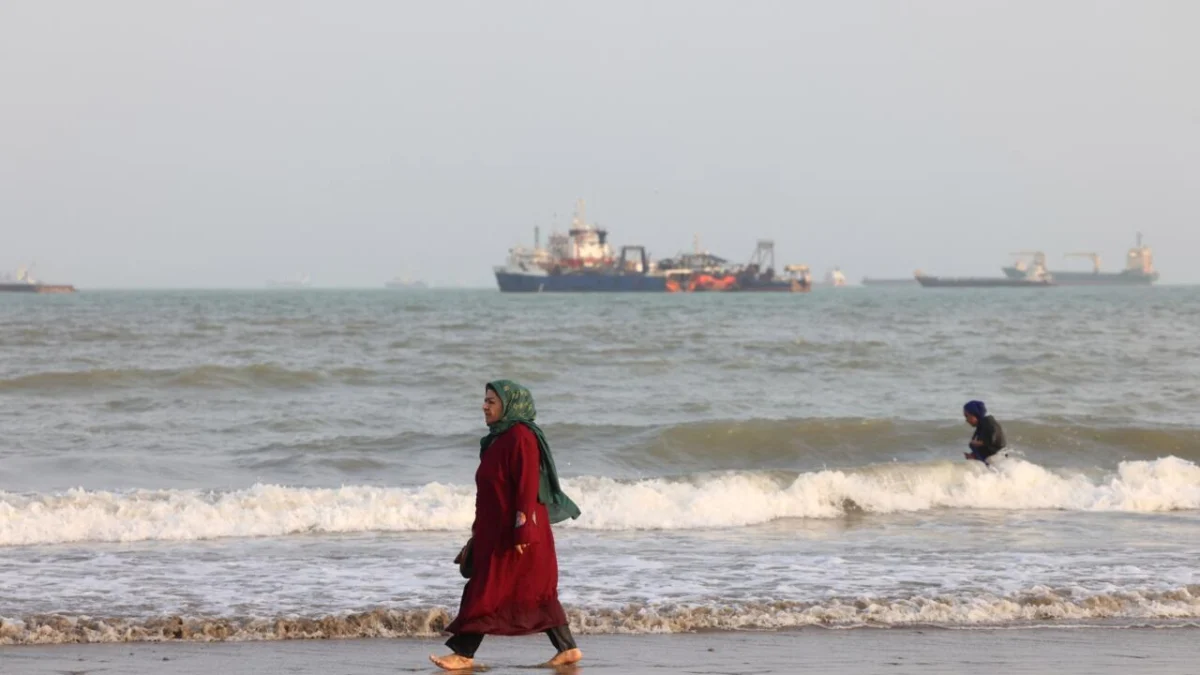
As of August 26, 2026, the Strait remains closed to commercial traffic. The Iranian government, citing the need for "national security in the face of foreign aggression," has deployed naval assets across the waterway. The impasse is fueled by two diametrically opposed positions:
- The Iranian Stance: Tehran maintains that the closure is a defensive measure against U.S.-led military interventions. They have explicitly stated that the corridor will only reopen when the United States ceases its current war efforts.
- The U.S. Position: Washington views the blockade as an act of international piracy and a threat to global stability. The Biden administration, through Treasury Secretary Scott Bessent, has initiated a policy of "maximum economic pressure," aiming to isolate Iran financially.
Chronology of the August 2026 Escalation
The current crisis did not emerge in a vacuum. It is the result of months of simmering tensions that culminated in a volatile August.
- August 10, 2026: Observers in Bandar Abbas report a significant buildup of Iranian naval vessels near the Strait. The visibility of these maneuvers signals a shift in Tehran’s maritime strategy.
- August 24, 2026: Tensions peak as an oil tanker, flagged under a neutral nation, is struck by a projectile while navigating near the Omani side of the Strait. While the ship remained afloat, the incident sent shockwaves through global insurance markets.
- August 25, 2026: Oman launches urgent diplomatic mediation efforts, proposing a "humanitarian transit corridor" to allow food, medical supplies, and essential energy exports to bypass the blockade.
- August 26, 2026: Tehran rejects the temporary corridor, demanding a total cessation of U.S. military involvement as a precondition for any maritime de-escalation. Washington responds by announcing a new, aggressive package of sanctions.
Supporting Data: The Economic Toll
The closure of the Strait of Hormuz has immediate, measurable impacts on the global economy. Analysts at major financial institutions have warned that if the blockade persists beyond a few days, the world could see a paradigm shift in energy pricing.
Market Volatility
Within hours of the announcement that the Strait would remain closed, Brent Crude prices surged by 15%, breaching the $110-per-barrel mark. The uncertainty has caused "panic buying" in Asian markets, which are most heavily dependent on Gulf oil.
The "Economic Asphyxiation" Strategy
U.S. Treasury Secretary Scott Bessent has been clear about the administration’s intent. By targeting the remaining lifelines of the Iranian economy—specifically their banking sector and gold reserves—the U.S. aims to force a domestic collapse of support for the Iranian government.
- Sanction Scope: The new sanctions target the Central Bank of Iran, secondary banking institutions, and any foreign entity found facilitating trade with Tehran.
- Logistical Strain: Even if the Strait were to reopen tomorrow, the backlog of tankers waiting to pass through the region will take weeks to clear, leading to a sustained supply chain disruption for the manufacturing sector in the EU and East Asia.
Official Responses: A War of Words
The diplomatic fallout has been swift, with world powers scrambling to position themselves.
Washington’s "Asphyxiation" Warning
Secretary Bessent’s rhetoric represents a return to "maximum pressure" tactics. In a statement released Wednesday morning, he noted: "The United States will not stand by while an essential global waterway is held hostage. We are prepared to employ every tool at our disposal—including total economic asphyxiation—to ensure the regime in Tehran understands the cost of their aggression."

Tehran’s Defiant Rebuttal
The Iranian Ministry of Foreign Affairs responded with equal intensity, labeling the U.S. sanctions as "economic terrorism." A spokesperson for the ministry stated: "The Strait of Hormuz is not a tool for American imperialism. We are protecting our sovereignty. The path to reopening the waterway is clear: stop the war, end the interference, and recognize the rights of the nations in this region."
The Omani Mediation Effort
Oman, historically a bridge between Iran and the West, finds itself in a difficult position. Their diplomats are working around the clock to prevent a full-scale military conflict. The proposal for a "Humanitarian Corridor" was intended to act as a confidence-building measure, but as of this afternoon, the proposal appears to be failing under the weight of the broader geopolitical struggle.
Implications: The Global Domino Effect
The closure of the Strait is not merely a regional issue; it is a catalyst for global realignment.
1. Energy Security and Renewable Transition
The crisis serves as a stark reminder of the vulnerability of fossil-fuel-dependent economies. Countries in the EU, already struggling with energy transitions, are facing renewed pressure to accelerate investments in domestic renewables and alternative supply routes that bypass the Gulf entirely.
2. The Risk of Military Miscalculation
With U.S. naval assets currently patrolling the perimeter of the Strait and Iranian naval units inside, the risk of a "miscalculation"—an accidental fire exchange that could spiral into a regional war—is at its highest point in years. Military analysts warn that the Strait is a "tinderbox" where a single trigger-happy commander could alter the course of history.
3. The Future of Global Trade
If the Strait of Hormuz remains closed for an extended period, it may lead to the permanent re-routing of global shipping. Companies may begin to view the Strait as a "high-risk zone," permanently increasing insurance premiums for any vessel transiting the Persian Gulf, which would have a lasting inflationary impact on global goods.
Conclusion: A World on Edge
As of late Wednesday, there is no sign of a breakthrough. The deadlock between Tehran’s demand for the end of U.S. military operations and Washington’s demand for the opening of the Strait suggests a long, arduous standoff.
For the average citizen, the immediate impact will be felt at the gas pump and in the rising prices of consumer goods. For the global community, the situation represents a profound failure of diplomatic mechanisms to contain regional disputes before they threaten the stability of the entire international order.
Follow our liveblog throughout the day for minute-by-minute updates as the situation in the Strait of Hormuz evolves.