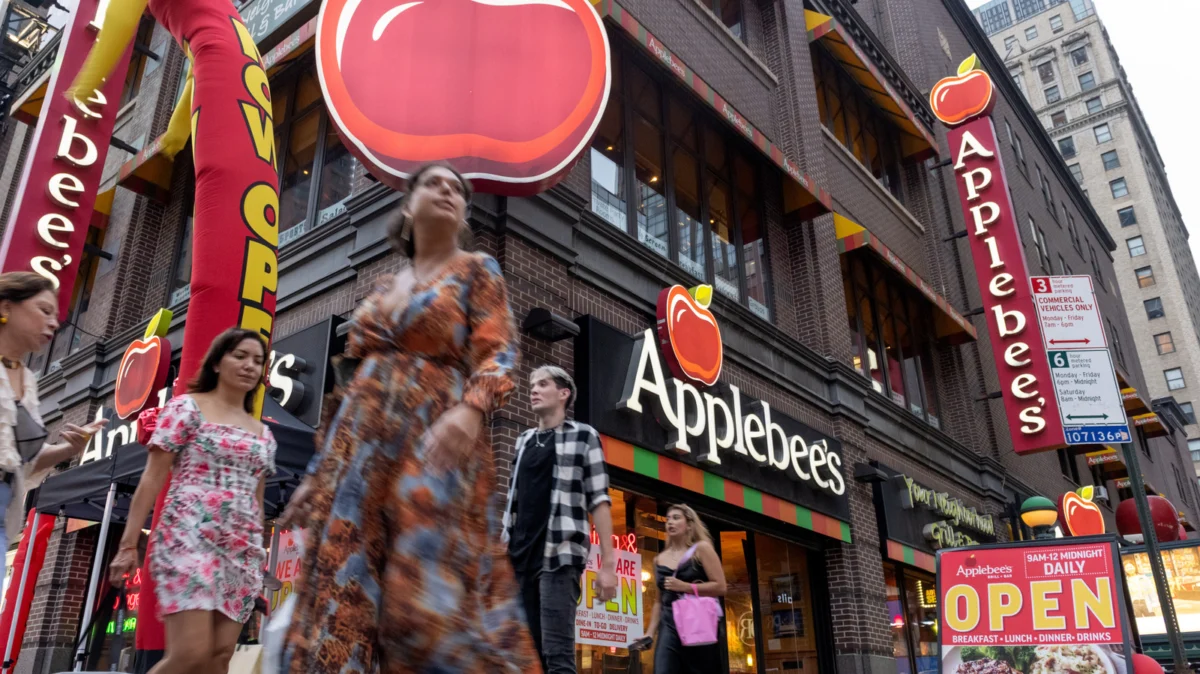
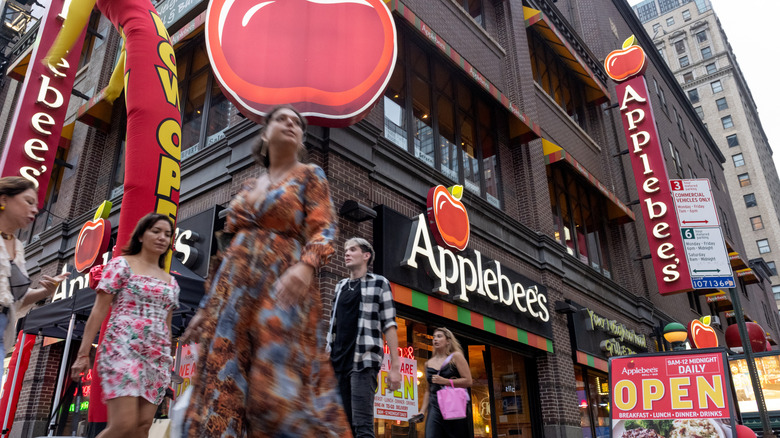
For over four decades, Applebee’s Neighborhood Grill + Bar has positioned itself as the quintessential American casual-dining anchor. Since its founding in 1980, the chain has sought to bridge the gap between fast-casual convenience and the sit-down restaurant experience, becoming a fixture in suburban landscapes from coast to coast. With a menu built on the pillars of "classic American" comfort food—burgers, pasta, salads, and signature cocktails—the brand has long relied on a strategy of mass appeal and reliability.
However, in the era of social media transparency and digitized customer feedback, the "neighborhood" reputation of the brand has faced significant erosion. Across platforms like Reddit, TripAdvisor, and Facebook, a chorus of dissatisfied diners has emerged, articulating a series of systemic grievances. These complaints transcend the occasional bad experience at a single location; rather, they point to a broader, identity-level crisis for the brand. From concerns regarding value propositions and food quality to the perceived decline of the overall dining environment, the discourse surrounding Applebee’s suggests that the chain is struggling to maintain its relevance in an increasingly discerning culinary market.
The Value Proposition Gap: Paying Premium for "Subpar" Results
Perhaps the most persistent criticism leveled against Applebee’s concerns the fundamental exchange of currency for value. In the casual-dining sector, customers accept a certain trade-off: they are paying for the convenience of table service and a predictable atmosphere rather than artisanal, high-end gastronomy. Yet, diners are increasingly reporting that the price-to-quality ratio at Applebee’s has reached a breaking point.
The sentiment is best summarized by a recurring argument in online consumer forums: there is a place in the market for affordable, utilitarian food, and there is a place for high-end, premium dining. However, customers argue that Applebee’s has drifted into a "no-man’s-land" where it charges mid-tier prices for food that critics characterize as being on par with, or worse than, mass-market frozen grocery store products. When the bill arrives, the discrepancy between the perceived quality of the meal and the check total often leaves diners feeling disillusioned. For many, the brand has lost the "value" aspect of its identity, forcing customers to question why they would choose a chain over independent eateries or more specialized regional competitors.
Cleanliness and the Deteriorating "Third Space"
The concept of the "third space"—a place outside of work and home where people can gather—has always been central to Applebee’s marketing. However, the physical environment of many locations has become a primary driver of negative reviews. Cleanliness is non-negotiable in the food service industry, yet reports of unkempt dining rooms, poorly maintained restrooms, and even unhygienic kitchen practices have surfaced with alarming frequency.
Dispatches from diners describe common issues that extend beyond mere aesthetics: sticky tables, lingering odors, and, in more egregious cases, reports of sanitation failures in restrooms. These accounts are not localized to a single region; they are appearing in reviews for stores across North Carolina, South Carolina, and beyond. When a customer finds the physical environment of a restaurant to be neglected, it naturally creates a "trust deficit" regarding what is happening in the kitchen. If the public-facing areas are not prioritized, the consumer perception is that the back-of-house operations are likely suffering from similar lapses in standards.
Nutritional Concerns: The Caloric Density Problem
In an age of heightened nutritional awareness, the menu at Applebee’s has come under fire for its sheer caloric density. While diners rarely visit a casual-dining chain expecting a health-conscious meal, the sheer volume of calories in standard menu items has become a point of contention.
Social media threads frequently highlight instances where standard salads or appetizers contain well over 1,000—or even 2,000—calories. This creates a disconnect for modern diners who are increasingly looking for transparency and moderation. When a consumer discovers that a single, non-dessert item consumes nearly their entire daily recommended caloric intake, it can turn a "guilty pleasure" meal into a source of anxiety. This perception that the menu is fundamentally "heavy" or "unhealthy" contributes to the brand’s struggle to attract younger, more health-conscious demographics.
The "Microwave" Stigma and the Loss of Freshness
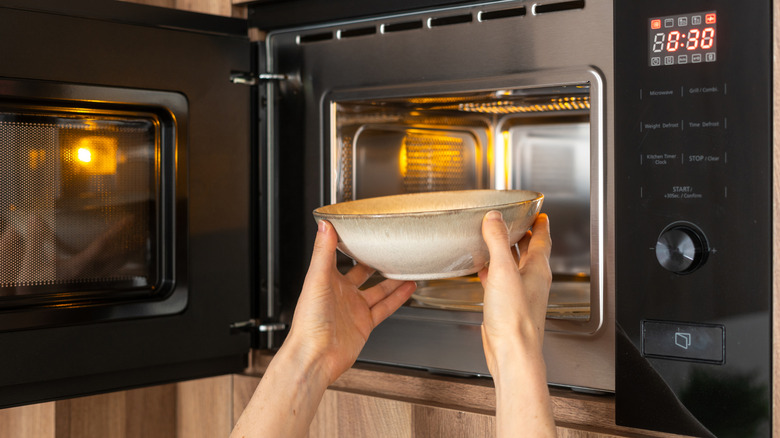
Perhaps no criticism has been more damaging to the brand’s reputation than the persistent assumption that its food is primarily microwaved. Whether or not this is a universal truth, the narrative has taken root in the public consciousness. In the mind of the consumer, there is a vast psychological difference between a meal prepared by a line cook and one reheated in a microwave.
When diners pay for a sit-down meal, they are paying for the craft of cooking. When the output tastes "pre-packaged" or "generic," the brand promise is broken. Former employees have occasionally weighed in on these discussions, confirming that while some items are prepared from scratch, others rely on high-volume, pre-prepared methods. Regardless of the actual cooking techniques employed, the damage to the brand’s "fresh" identity is significant, leading many to view the food as processed rather than culinary.
Culinary Stagnation: The "Boring" Label
Beyond the issues of health, cleanliness, and cost, there exists the issue of culinary excitement—or the lack thereof. Many critics describe the Applebee’s menu as "boring," "generic," and "safe." While "safe" can be a benefit for families with children, it is a liability in a market filled with innovative, trendy, and high-value dining competitors.
When a restaurant’s menu feels "interchangeable" with a dozen other chains, the brand loses its competitive edge. Customers who want a burger have options ranging from local gastropubs to specialized chains like Red Robin or Texas Roadhouse. In comparison to these alternatives, Applebee’s often fails to provide a unique "reason to visit." The menu, intended to please everyone, often ends up pleasing no one, resulting in a dining experience that feels like a chore rather than an event.
Chronology of a Brand in Transition
- 1980s–1990s: The "Golden Era." Applebee’s establishes itself as the go-to neighborhood spot. Families and young adults frequent the chain for its consistent, affordable menu and social atmosphere.
- 2000s: The onset of competition. Fast-casual dining begins to rise. While the chain remains popular, the first signs of menu fatigue appear as customers demand higher quality ingredients.
- 2010s: The Digital Shift. The rise of Yelp and TripAdvisor makes it easier for diners to share complaints globally. The "microwaved" reputation begins to gain traction in online discourse.
- 2020s: Post-Pandemic Reality. Staffing shortages and supply chain issues exacerbate existing problems. Customers begin to notice a sharp decline in food quality compared to their childhood memories of the brand.
Official Responses and Corporate Strategy
Applebee’s, like many major chains, has not been silent. The company often employs marketing campaigns aimed at revitalizing its image, such as "Dollaritas" or revamped menu items focusing on "premium" burgers and wood-fired grilling. Their corporate messaging typically emphasizes "neighborhood" values, community involvement, and the reliability of their service. However, bridging the gap between corporate marketing and the operational reality of individual, often franchisee-owned, locations remains a difficult task.
The company frequently points to its ongoing efforts to update store aesthetics and simplify menus to focus on "what we do best." Yet, these top-down directives often struggle to overcome the bottom-up reality of daily operations at the franchise level.
Implications for the Future
The decline in customer sentiment towards Applebee’s carries profound implications for the casual-dining industry. It suggests that the "one-size-fits-all" model is facing a reckoning. As consumers become more educated about food sources, preparation methods, and value, they are less willing to settle for "good enough."
If Applebee’s is to recover its former status, it must address the fundamental disconnect between its price point and the actual quality of the guest experience. This involves not just menu innovation, but a rigorous commitment to operational standards—cleanliness, consistency, and culinary integrity. The alternative is a slow drift into obsolescence, as the chain becomes a "last resort" rather than a destination.
Ultimately, the lesson of the modern Applebee’s is a cautionary tale for all legacy brands: reputation is built in the dining room, not the boardroom. Unless the chain can convince its customers that it is once again worth their time, money, and health, it will continue to struggle against the tide of changing consumer tastes and the growing strength of its more agile, specialized competitors.