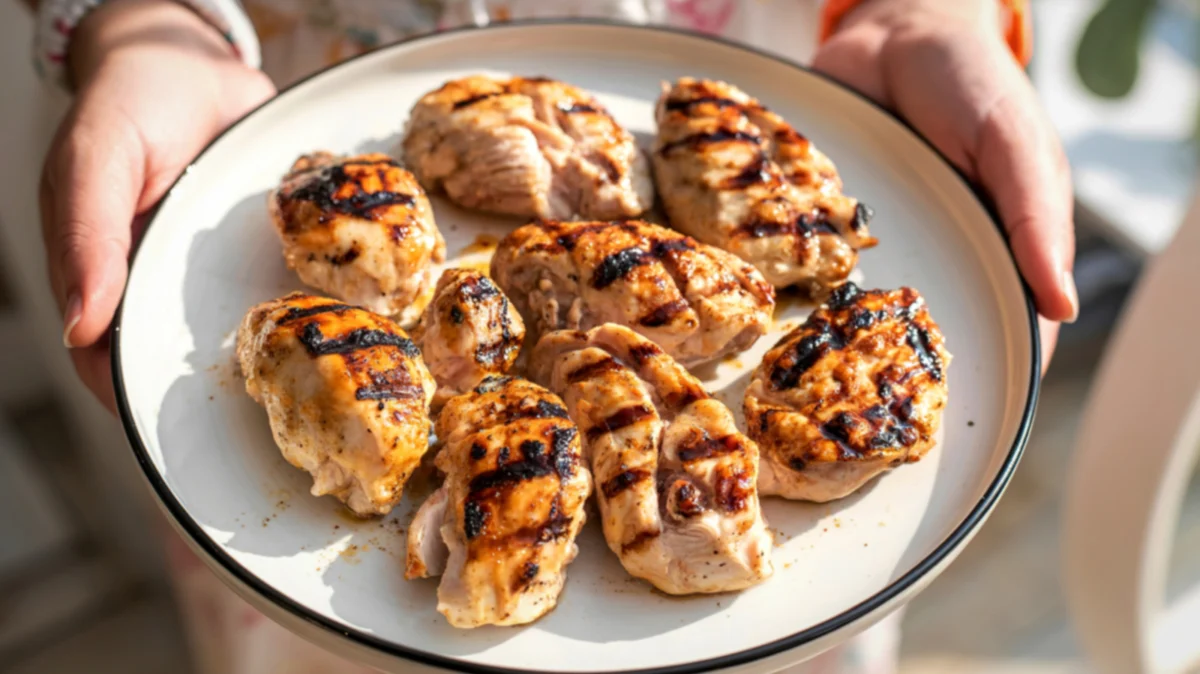
Whether you are a seasoned home cook preparing a Sunday roast or a weeknight warrior trying to elevate a simple pack of chicken breasts, the struggle to achieve consistent, succulent results is universal. While high-quality ingredients and precise cooking temperatures are paramount, there is one culinary "secret weapon" that bridges the gap between mediocre and restaurant-quality poultry: the marinade.
Often relegated to a secondary step, marinating is, in fact, a fundamental pillar of flavor and texture management. Yet, many cooks rely on guesswork or pre-packaged store-bought blends. By mastering a simple, scientifically backed ratio, you can unlock a world of culinary versatility, ensuring your chicken stays juicy, flavorful, and perfectly tender every single time.
The Core Science: The 3:1 Golden Ratio
At the heart of every great marinade lies a basic mathematical equation. To ensure your chicken remains structurally sound while absorbing maximum flavor, culinary experts suggest a ratio of three parts fat to one part acid.
Understanding the Components
- The Acid (The 1): Acids—such as vinegar, citrus juices (lemon, lime, orange), wine, or cultured dairy like buttermilk and yogurt—are the catalysts for tenderness. They work by denaturing the proteins in the meat. This process softens the outer layers of the muscle fibers, allowing the meat to retain moisture that might otherwise be lost during the high-heat cooking process.
- The Fat (The 3): Fats act as the delivery vehicle and the protective barrier. Oils (olive, avocado, sesame) or creamy fats (full-fat yogurt, coconut milk) perform two critical functions. First, they coat the surface of the chicken, acting as a shield that prevents the meat from drying out when exposed to the harsh heat of a grill or oven. Second, many flavor-packed aromatics—such as garlic, ginger, and various dried spices—are fat-soluble. They dissolve and infuse into the fat, allowing those deep, complex flavors to penetrate the chicken much more effectively than they would in a water-based solution.
Chronology of the Marinade Process
To achieve professional results, timing is as critical as the ingredients themselves. Understanding the timeline of how a marinade interacts with protein is essential to avoiding culinary failure.
Phase 1: Preparation (The Mixing)
The process begins with the whisk. Combine your chosen fat and acid in a non-reactive bowl (glass or stainless steel) to prevent metallic off-flavors. Once the emulsion is stable, introduce your aromatics—herbs, spices, and salts. Place your chicken into the mixture, ensuring every surface is thoroughly coated.
Phase 2: The Infusion (The Wait)
Once submerged, the chemistry begins.
- 15–30 Minutes: A "quick soak" is sufficient for thin cutlets or sliced stir-fry strips. At this stage, the surface flavor is enhanced, and the acid begins its initial work on the exterior fibers.
- 1–2 Hours: This is the "sweet spot" for boneless, skinless breasts. The marinade has time to reach the deeper layers of the meat, ensuring that the final bite is as flavorful as the first.
- 4 Hours (Maximum): For bone-in, skin-on cuts, four hours is the upper limit. Beyond this point, the acid becomes aggressive. If left too long, the marinade will move from "tenderizing" to "degrading," resulting in a mushy, stringy texture that compromises the integrity of the meat.
Phase 3: The Cooking
Remove the chicken from the marinade and pat it dry. This step is often overlooked, but it is vital for achieving a beautiful, golden-brown sear. Moisture is the enemy of a good crust; by drying the exterior, you allow the heat to perform the Maillard reaction—the browning process that creates deep, savory flavors—rather than steaming the meat.
Supporting Data: Why This Ratio Prevents Common Pitfalls
The 3:1 ratio is not merely a suggestion; it is a safeguard against the two most common errors in home cooking: the "Dry Breast" syndrome and the "Mushy Meat" phenomenon.
Managing Moisture Loss
Chicken breast is notoriously lean, meaning it lacks the intramuscular fat (marbling) that keeps red meats juicy. Without a protective fat barrier, the muscle fibers contract rapidly when heated, squeezing out internal moisture. The 3:1 ratio provides a consistent lipid layer that slows the heat transfer, allowing the interior to reach the safe internal temperature of 165°F (74°C) without the exterior becoming fibrous or chalky.
Preventing Acidic Over-Processing
The most common mistake novice cooks make is an over-reliance on acid. If the ratio leans too heavily toward lemon juice or vinegar (e.g., 1:1 or higher), the acid will break down the protein structures too completely. This results in the "mush" effect—a texture that is unpleasant and indicates that the meat has been essentially "cooked" by acid rather than heat. By adhering to the three-part-fat rule, you provide enough cushion to neutralize the harshness of the acid.
Culinary Applications: A World of Profiles
Once you have mastered the base, the flavor variations are endless. Here is how to adapt your 3:1 ratio to fit specific global cuisines:
The Mediterranean Approach
- Fat: Extra virgin olive oil.
- Acid: Fresh lemon juice.
- Aromatics: Minced garlic, dried oregano, sea salt, and cracked black pepper.
- Best for: Grilled chicken skewers or roasted chicken thighs.
The Asian-Inspired Profile
- Fat: Toasted sesame oil (often cut with a neutral oil like canola).
- Acid: Rice wine vinegar.
- Aromatics: Soy sauce (for salt), grated ginger, sriracha or gochujang for heat, and toasted sesame seeds.
- Best for: Stir-fries or oven-baked chicken wings.
The Latin/Mexican Fusion
- Fat: Avocado oil or high-quality vegetable oil.
- Acid: Fresh lime juice.
- Aromatics: Fresh cilantro, chipotle powder, cumin, and minced shallots.
- Best for: Chicken tacos, fajitas, or charred grilled breasts for salads.
Implications for the Home Cook
The broader implication of adopting the 3:1 ratio is the democratization of cooking. It removes the need for expensive, sodium-heavy, store-bought bottled marinades. By relying on pantry staples—oil, vinegar, yogurt, and spices—the home cook gains total control over their sodium intake and flavor profiles.
Furthermore, this method promotes waste reduction. Have a half-empty tub of yogurt? A splash of oil and some herbs turn it into a creamy, tenderizing marinade. A lemon that is starting to look slightly past its prime? It is the perfect candidate for a vibrant, acidic kick.
Expert Recommendations for Success
- Avoid Aluminum: Always use glass, ceramic, or high-grade plastic containers for marinating. Acid reacts with aluminum, which can leave a metallic, unpleasant taste on the meat.
- Safety First: Always marinate in the refrigerator. Never leave raw chicken on the counter at room temperature for extended periods, as this invites bacterial growth.
- The "Dry-Off" Rule: Always discard the used marinade once the chicken is removed. If you wish to use the marinade as a sauce, you must boil it vigorously for several minutes to ensure any bacteria from the raw poultry are destroyed.
In conclusion, the 3:1 marinade ratio is a fundamental tool for anyone looking to refine their culinary technique. It is simple enough for a beginner, yet effective enough for the most discerning palate. By balancing the transformative power of acid with the protective qualities of fat, you ensure that every chicken dish you serve is tender, juicy, and packed with intentional flavor. Whether you are a student of classic French cooking or an enthusiast of bold global spices, this simple equation is the key to unlocking the full potential of your poultry.