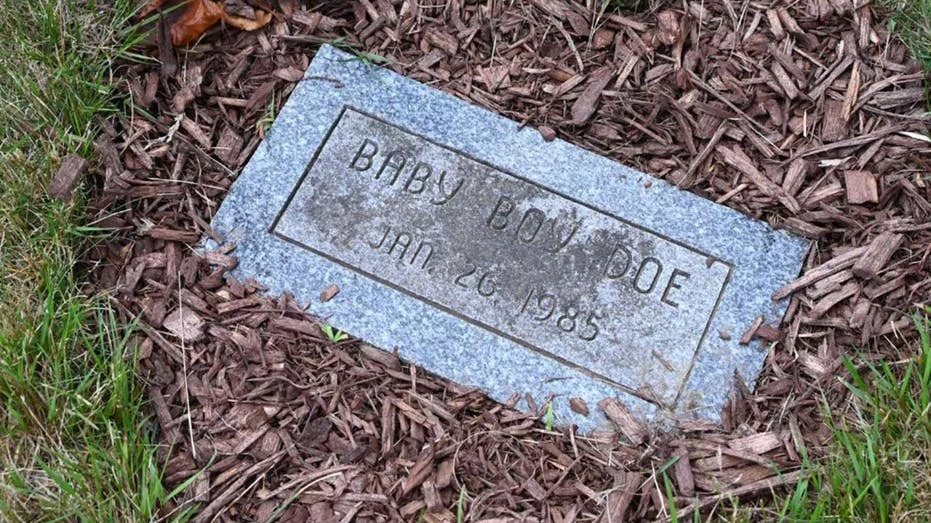
For nearly forty years, a quiet corner of the cemetery in Mansfield, Massachusetts, held a grave marked simply for "Baby Boy Doe." The infant, found frozen in the winter woods in 1985, had remained unidentified, his short life an unsolved mystery that haunted the local community and the detectives who originally worked the scene.
That mystery reached a dramatic turning point on Tuesday when Dianne Curry Peck, now 59, stood in a Bristol County Superior Courtroom in Fall River, Massachusetts. Peck pleaded not guilty to a charge of murder in connection with the death of her newborn son.
The breakthrough in the case did not come from a sudden confession or a newly discovered eyewitness, but from the quiet precision of modern forensic science. Utilizing forensic genetic genealogy and a DNA sample covertly harvested from a discarded soda bottle, investigators finally linked Peck to the infant she allegedly abandoned in the snow thirty-nine years ago.
Main Facts of the Case
The prosecution of Dianne Curry Peck represents the culmination of a multi-agency effort spanning nearly four decades. The primary facts of the case paint a tragic picture of a newborn left to die in sub-freezing temperatures, contrasted with the cutting-edge forensic techniques that eventually identified his mother.
- The Defendant: Dianne Curry Peck, 59, of Massachusetts. At the time of the infant’s birth in January 1985, she was a 17-year-old student attending Mansfield High School.
- The Victim: "Baby Boy Doe," a newborn infant found naked in the woods of Mansfield with his umbilical cord still attached. An autopsy determined he was born alive and died shortly thereafter from exposure and lack of care.
- The Charges: Peck has been formally charged with murder. She appeared in Bristol County Superior Court, where she entered a plea of not guilty.
- The Investigative Breakthrough: In 2022, the Bristol County District Attorney’s Office, in partnership with the FBI and the Massachusetts State Police, reopened the cold case. Analysts utilized forensic genetic genealogy to trace the infant’s DNA to a maternal line, eventually narrowing their focus to Peck.
- The Key Evidence: Investigators monitored Peck and retrieved a discarded soda bottle from her household trash. DNA extracted from the bottle provided a direct match to the deceased infant, establishing maternity.
Chronology of Events
The timeline of the "Baby Boy Doe" case spans thirty-nine years, bridging an era of basic forensic techniques with the highly sophisticated DNA databases of the 21st century.
[Jan 20, 1985] ── Peck claims she gave birth in her boyfriend's car.
       │
[Jan 25, 1985] ── Estimated time the infant was abandoned in the woods.
       │
[Jan 26, 1985] ── Father and son find the baby's frozen body in Mansfield.
       │
[Jan 1985] ────── Autopsy confirms baby was born alive; case eventually goes cold.
       │
[2020] ────────── Peck's ex-boyfriend passes away.
       │
[2022] ────────── Bristol County DA and FBI reopen the cold case.
       │
[2023–2024] ───── Forensic genealogy points to Peck; DNA taken from her discarded soda bottle.
       │
[Present] ─────── Peck is arrested, arraigned, and pleads not guilty to murder.
The Discovery: January 26, 1985
On a frigid afternoon, a father and his son were hunting rabbits in a wooded area of Mansfield, Massachusetts. Trudging through the snow, they noticed a set of footprints leading into the brush. Following the tracks, they spotted what they initially believed to be a discarded doll lying on the frozen ground. Upon closer inspection, they made a horrifying discovery: a naked newborn baby boy, lying on his back, frozen to death. The umbilical cord was still attached to his body.
The Initial Investigation and Community Mourning
The Mansfield Police Department and the Massachusetts State Police immediately launched an investigation. An autopsy performed shortly after the discovery confirmed that the baby had been born alive and had survived for a short period before succumbing to the elements.
Despite extensive local inquiries, investigators could find no leads. No one in the community reported a missing infant, and local hospitals had no record of undocumented births matching the timeline.
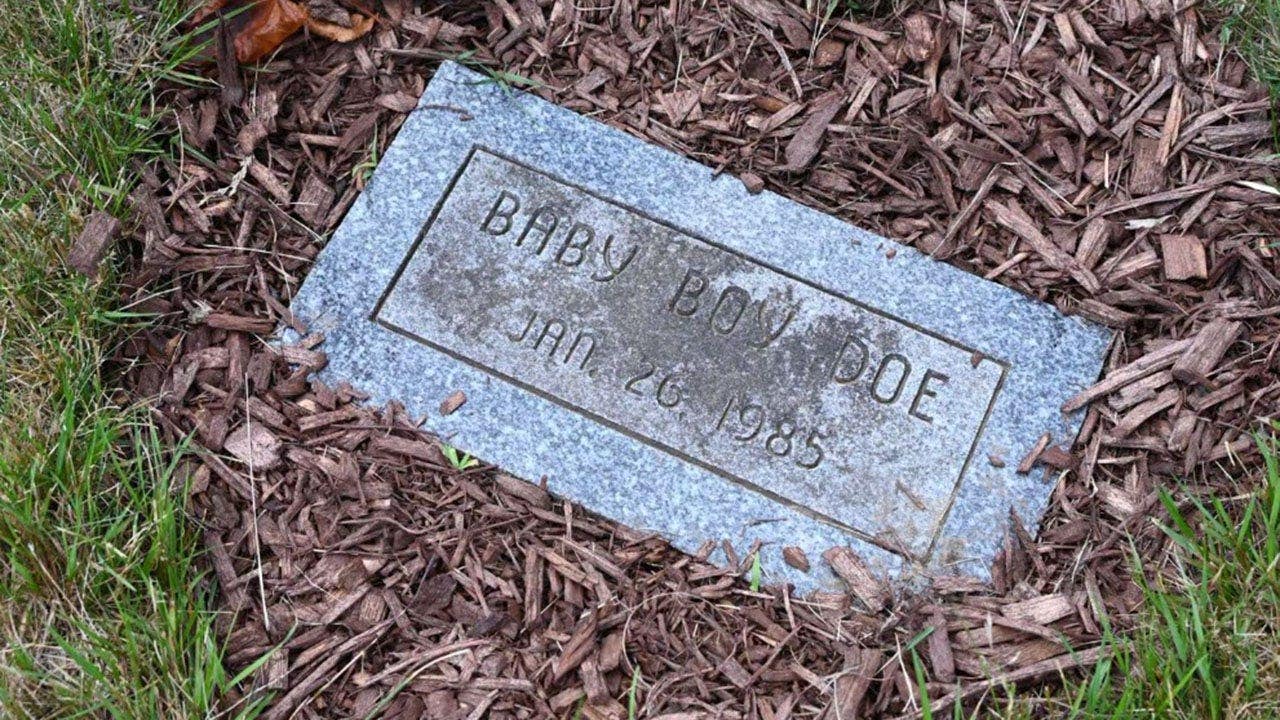
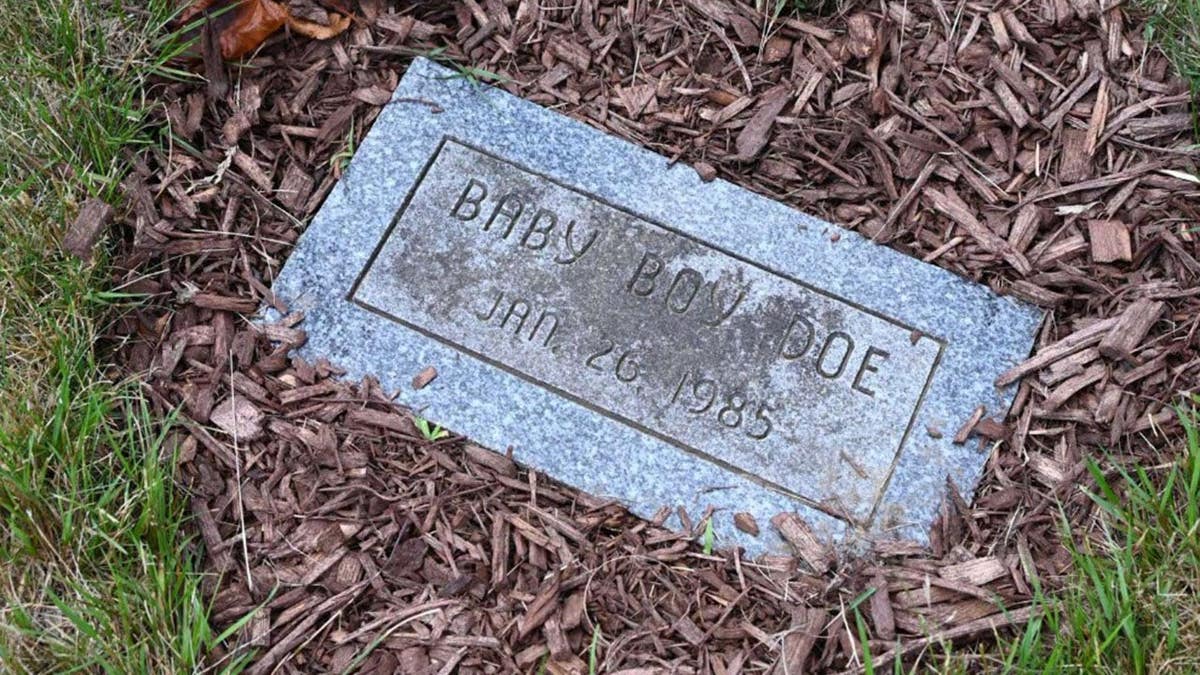
Moved by the tragedy, members of the Mansfield Police Department, along with former New England Patriots quarterback Steve Grogan, personally funded a proper funeral and burial for the infant. He was laid to rest under a headstone that read "Baby Boy Doe."
Reopening the Case: 2022
The case remained cold for thirty-seven years. In 2022, Bristol County District Attorney Thomas M. Quinn III, alongside the FBI’s Boston Division and state police investigators, targeted the case for a renewed push. Leveraging advancements in DNA technology that did not exist in 1985, the team submitted preserved biological samples from the infant for advanced genetic testing.
The Identification and Arrest: 2024
By mapping familial connections through public genetic databases, genealogists identified potential maternal relatives of the child, eventually focusing their investigation on Dianne Curry Peck. Undercover investigators subsequently conducted a surveillance operation, retrieving a discarded soda bottle from Peck’s household waste.
Laboratory analysis confirmed that the DNA profile on the bottle matched the maternal DNA profile of Baby Boy Doe. Peck was subsequently arrested and arraigned in Fall River on Tuesday, where she pleaded not guilty.
Supporting Data and Forensic Evidence
The prosecution’s case against Dianne Curry Peck relies heavily on a combination of advanced forensic science, environmental data, and discrepancies in the defendant’s own statements.
Forensic Genetic Genealogy
In 1985, DNA testing was in its infancy and unavailable for standard criminal investigations. When the case was reopened in 2022, investigators utilized Forensic Genetic Genealogy (FGG). This process involves:
- Extracting highly degraded DNA from the decades-old remains of the infant.
- Sequencing the genome to analyze hundreds of thousands of single nucleotide polymorphisms (SNPs).
- Uploading the resulting profile to public and law enforcement-accessible genealogical databases (such as GEDmatch and FamilyTreeDNA).
- Utilizing professional genealogists to build family trees backward and forward from shared genetic matches, eventually identifying Dianne Curry Peck as the biological mother.
The Legality of "Abandoned DNA"
To confirm the genealogical match without alerting the suspect, investigators utilized a common law enforcement technique known as a "surreptitious DNA pull." Investigators collected a soda bottle that Peck had discarded in her trash. Under U.S. constitutional law, specifically established in the Supreme Court case California v. Greenwood (1988), individuals do not have a reasonable expectation of privacy regarding garbage left at the curb for collection. The DNA extracted from the saliva on the bottle’s mouth provided the definitive, direct match required to secure an arrest warrant.
Discrepancies in Timeline and Medical Evidence
During interviews with investigators, Peck reportedly admitted that she had given birth to a baby in the back seat of her high school boyfriend’s car. However, her account conflicts significantly with the physical evidence:
| Investigation Detail | Peck’s Statement to Police | Medical Examiner & Prosecution Findings |
|---|---|---|
| Date of Birth | January 20, 1985 | Estimated January 25, 1985 |
| The Baby’s Gender | Believed she gave birth to a girl | Anatomically confirmed to be a boy |
| Disposition of Child | Handed the baby to her boyfriend for adoption | Baby was left naked in the woods with the umbilical cord attached |
| Exposure Timeline | Claims she never saw the baby after Jan 20 | Medical examiner ruled the baby had been in the woods for only 12 hours prior to discovery on Jan 26 |
The prosecution argues that if the baby had been born on January 20 and left in the freezing woods, the body would have exhibited a far greater degree of decomposition or animal activity by January 26. The medical examiner’s finding that the infant had only been exposed to the elements for roughly 12 hours suggests the baby was kept alive elsewhere for several days before being abandoned in the snow.
Official Responses
The resolution of the decades-old cold case has drawn poignant reflections from those who originally investigated the scene, as well as modern law enforcement leaders who oversaw the arrest.
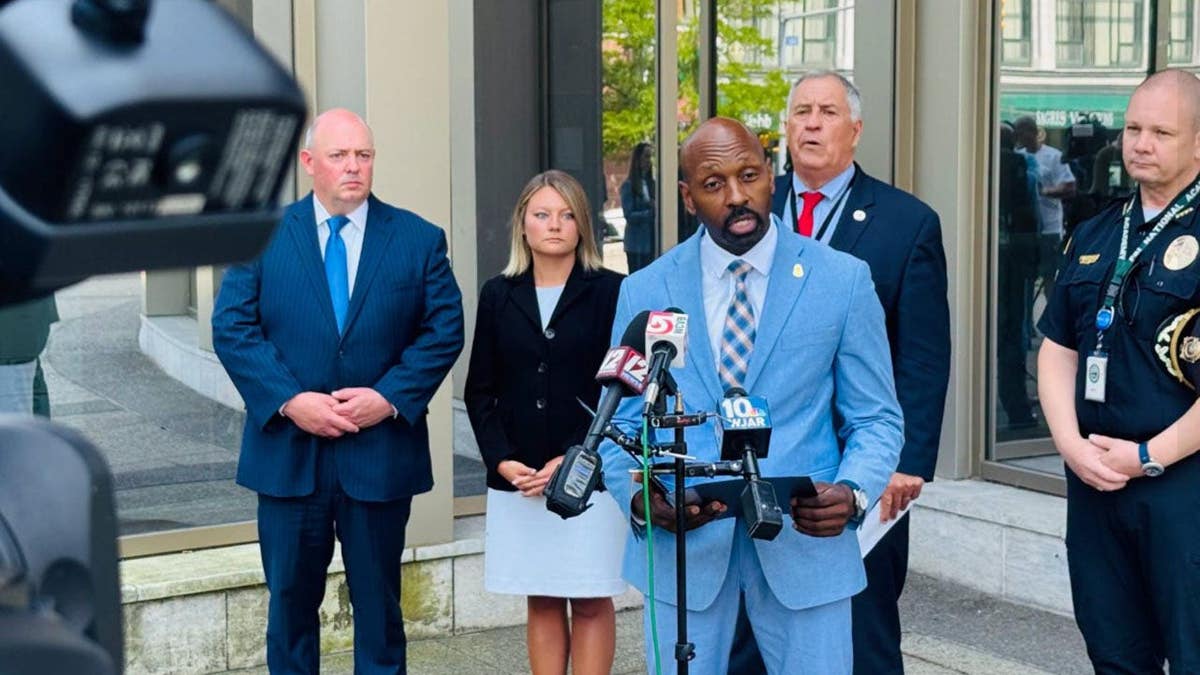
Outside the Fall River courthouse, Ted Docks, the FBI Boston Special Agent-in-Charge, expressed the profound tragedy of the case:
"Few cases are more heartbreaking than one involving a newborn baby, allegedly abandoned and left to die in the woods by his mother, deprived of the care, love, and protection every child deserves. For 41 years, this child was known simply as Baby Boy Doe. He entered this world with limitless promise, but was denied the most basic right to live."
Kenneth Martin, a retired Massachusetts State Police trooper who was originally assigned to the Bristol County District Attorney’s Office in 1985, recalled the haunting imagery of the crime scene:
"It was naked, lying on its back; the umbilical cord was still attached to the baby. It’s a scene you don’t easily forget, even after all these years. To see science finally bring answers to this case is extraordinary."
Prosecutors emphasized that their investigation revealed no evidence that anyone—including Peck’s parents, friends, or even her ex-boyfriend—knew she was pregnant at the time. The ex-boyfriend passed away in 2020, meaning he cannot corroborate or refute Peck’s claim that she handed the infant over to him under the belief it would be adopted.
Implications
The indictment of Dianne Curry Peck carries significant implications for modern criminal justice, forensic ethics, and social policy.
The Evolution of Safe Haven Laws
The tragic death of Baby Boy Doe in 1985 occurred in a vastly different social and legal landscape. At the time, young women facing unwanted or hidden pregnancies had few safe, anonymous resources.
In response to similar tragedies nationwide, Texas passed the first "Baby Moses" law in 1999, prompting other states to follow. Massachusetts enacted its Safe Haven Act in 2004. Under current state law, a parent can legally and anonymously surrender a newborn up to seven days old at any designated safe haven—including police stations, manned fire stations, and hospital emergency rooms—without fear of prosecution, provided the infant shows no signs of abuse or neglect.
The prosecution of Peck serves as a somber reminder of the critical importance of these laws, which are designed precisely to prevent desperate parents from abandoning infants in unsafe environments.
The Expanding Frontier of Cold Case Resolutions
This case highlights how forensic genetic genealogy is systematically dismantling the concept of a "cold case." Law enforcement agencies nationwide are increasingly reviewing decades-old unsolved homicides, sexual assaults, and unidentified remains cases. The technology ensures that passage of time no longer guarantees anonymity for perpetrators of historical crimes.
Ethical and Privacy Debates Around Genetic Databases
While celebrated by law enforcement and victims’ advocacy groups, the use of forensic genealogy continues to spark debate regarding genetic privacy. Critics argue that when individuals upload their DNA to public databases to discover their ancestry, they inadvertently turn their relatives—including those who have never taken a DNA test—into potential suspects.
Nevertheless, courts have consistently upheld the use of these databases for investigative leads, and the technique remains one of the most powerful tools in modern criminology. For the community of Mansfield, the science has finally given a voice, and potentially justice, to a child who lay nameless in a frozen forest for nearly forty years.