Main Facts
With exactly ten weeks remaining before the 2026 midterm general elections, the Trump administration is making an urgent legal push to enforce new federal restrictions on voting by mail. On Monday, August 24, 2026, administration attorneys submitted a second supplemental brief to the United States Supreme Court, asking the justices to intervene immediately and lift lower court injunctions that have temporarily halted the president’s election integrity directives.
The high-stakes legal filing follows the publication of a comprehensive 95-page final rule by the United States Postal Service (USPS) on Friday, August 21, 2026. Designed to fulfill the directives of a presidential executive order issued in March, the new postal regulations seek to overhaul how mail-in ballots are standardized, tracked, and processed nationwide.
Under the proposed USPS rule, state election authorities would be compelled to adhere to strict federal mandates regarding ballot design and voter data sharing. Specifically, states would be required to redesign their official ballot envelopes to include unique tracking barcodes, official federal logos, and formatting engineered specifically for high-speed postal automation. Additionally, state election officials would be required to transmit voter lists—containing the names and physical residential addresses of registered voters—directly to the Postal Service.
While the Postal Service designated the regulatory package with an "immediate effective date," declaring that any procedural delay would prevent its full implementation in time for the November 2026 general election, the regulations remain frozen due to ongoing court battles. Federal judges previously issued injunctions blocking the administration from enforcing the underlying executive order, finding that the executive branch lacked the authority to dictate state election procedures.
In response, the Postal Service clarified that it will not attempt to enforce or implement these mandate changes for the upcoming fall elections unless the Supreme Court steps in and grants emergency relief to the executive branch. Meanwhile, voting rights advocacy groups have launched immediate counter-arguments in federal court, alleging that the mere publication of the 95-page rule close to an election threatens to disrupt local election administration and generate widespread public confusion.
Chronology of Events
The battle over the federal government’s attempt to regulate mail-in ballots has unfolded rapidly throughout 2026, setting up a sharp confrontation between federal executive authority and state-run election administration.
March 2026: Executive Order Issued
President Donald Trump signs a major presidential executive order titled "Ensuring Citizenship Verification and Integrity in Federal Elections." The order outlines broad federal priorities aimed at curbing voter fraud, verifying voter eligibility, and establishing strict operational rules for handling mail-in ballots across all fifty states.
June 2026: Federal Court Blocks Executive Order
State officials and election administrators file legal challenges against the executive order, asserting that the executive branch overstepped its constitutional boundaries. In late June, a federal district judge in Massachusetts rules against the administration, issuing an injunction that blocks key provisions of the executive order. The judge determines that neither the executive branch nor the U.S. Postal Service possesses the legal or statutory authority to unilaterally impose mail-voting restrictions on individual states.
Friday, August 21, 2026: Postal Service Releases 95-Page Final Rule
Seeking to codify the policy goals set forth in the March executive order, the Postal Service publishes a 95-page final rule in the Federal Register. The document establishes standardizations for ballot envelopes and mandates that state election authorities submit voter rolls to federal mail administrators. The agency includes an "immediate effective date" clause, warning that immediate action is necessary to ensure the rules are active for the 2026 general election.
Weekend of August 22–23, 2026: Voting Rights Groups File Lower Court Objections
In response to the publication of the final rule, voting rights organizations file an emergency legal memorandum in the ongoing district court litigation. The groups argue that publishing the rule creates immediate operational uncertainty for local election officials and risks undermining public trust just weeks before voting begins.
Monday, August 24, 2026: Administration Submits Supreme Court Brief
The Trump administration files a second supplemental brief with the U.S. Supreme Court (in the pending emergency application Trump v. California). The administration argues that the official issuance of the USPS final rule demonstrates the urgent necessity for the Supreme Court to grant a stay against the Massachusetts district court’s injunction, insisting that federal mail standards must be allowed to go into effect without further delay.
Supporting Data and Technical Requirements
The Postal Service’s 95-page regulatory filing introduces sweeping technical specifications designed to federalize the handling and structural formatting of physical ballot mail.
Mandatory Envelope Re-Design
Under the mandates outlined in the final rule, state and local election jurisdictions can no longer use custom or non-standardized mailings for official election materials. All ballot envelopes must be retrofitted to incorporate:
- Unique Barcodes: Machine-readable tracking codes affixed to individual ballot envelopes to allow standardized digital scanning across the national postal network.
- Official Logos: Standardized visual markings identifying the piece of mail as official federal election documentation.
- Automation-Compatible Formatting: Strict dimensional and layout requirements designed to align ballot envelopes with automated sorting machines across USPS processing facilities.
Data Collection and Transmission Mandates
In addition to physical modifications to paper envelopes, the rule establishes a data-sharing requirement between state governments and the federal postal system. State election offices are required to compile and transfer comprehensive lists of registered voters—specifically detailing voter full names and associated home addresses—directly to the Postal Service.
Rationale for Immediate Implementation
Within the text of the 95-page regulatory filing, federal officials emphasize that time is running out to establish uniformity ahead of the fall midterms. The rule asserts an "immediate effective date," explicitly warning that:
Delaying the effective date "would jeopardize implementation … in time for the 2026 general election."
Despite this explicit warning within the rule text, the Postal Service formally stipulated that it will maintain a hold on operational enforcement. The agency confirmed that it will not execute or enforce any of these mandatory requirements for the 2026 election cycle "unless and until the government obtains relief" from the nation’s highest court.
Official Responses and Legal Arguments
The legal dispute pits the executive branch’s asserted authority over postal infrastructure against established constitutional principles regarding state control over elections.
The Trump Administration’s Stance
In its August 24 filing before the Supreme Court, the Trump administration argues that the district court’s nationwide injunction represents an unnecessary and unlawful obstacle to routine executive governance. Administration attorneys contend that the publication of the final USPS regulation directly strengthens their legal standing, writing in the brief that the:
"issuance of a final rule underscores the need for relief from the district court’s improper, unripe injunction."
Furthermore, the administration rejects claims that the new rules represent an unconstitutional federal takeover of state elections. Instead, government lawyers frame the changes as routine technical updates designed to safeguard sensitive mail, stating in the brief that the regulation:
"imposes only modest requirements for preparation and envelope design for federal ballot mail — requirements that fall well within its traditional authorities to impose mailing standards for particularly sensitive types of mail."
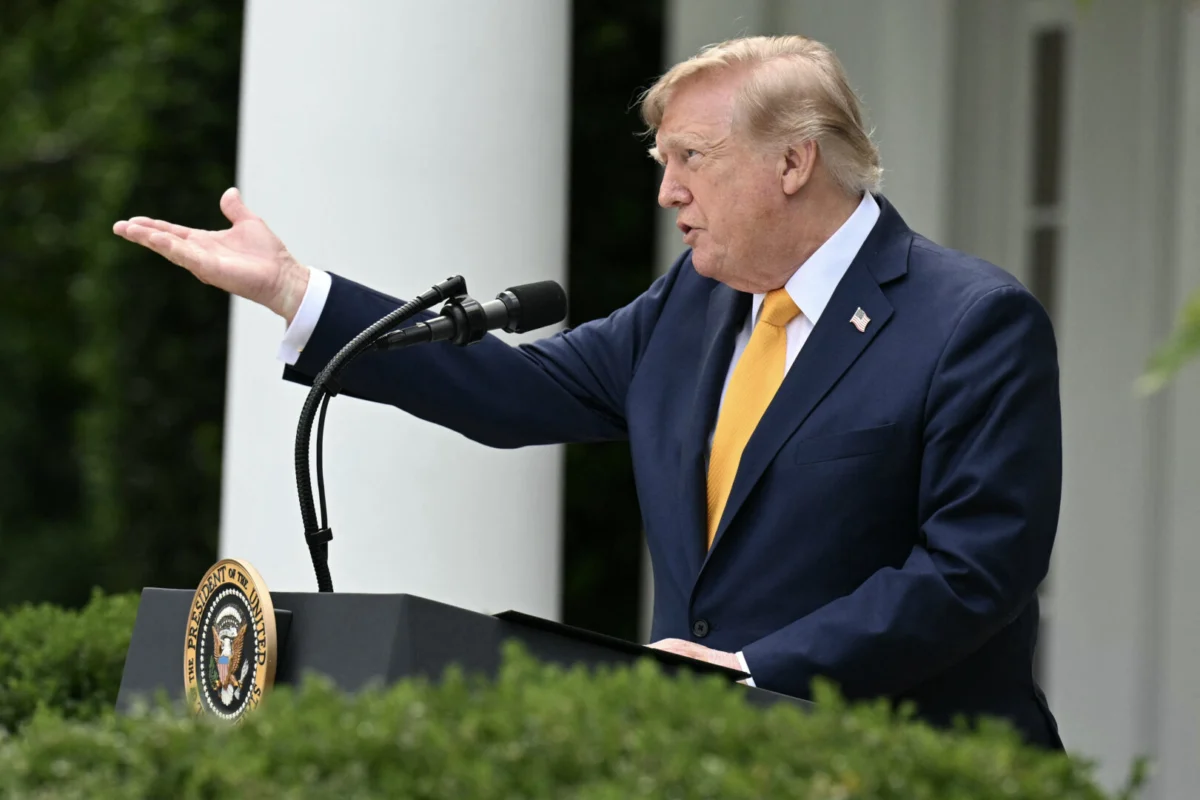
President Donald Trump has repeatedly defended the drive to restrict and standardize mail-in voting. While the U.S. Constitution assigns primary authority over the time, place, and manner of holding elections to individual state legislatures, President Trump has sought to exert greater federal control. He has frequently reiterated claims regarding widespread voter fraud and illegal voting by noncitizens, maintaining that strict federal oversight and mail restrictions are essential to restore national "integrity" to the democratic process.
The Judicial Ruling
The legal baseline for the current stalemate rests on the June decision handed down by a federal judge in Massachusetts. In siding with state officials who challenged the March executive order, the court ruled that the executive branch and the U.S. Postal Service lack statutory and constitutional authority to unilaterally impose voter restrictions or dictate administrative conditions on state election authorities.
Counter-Arguments from Voting Rights Organizations
Voting rights organizations fighting the administration in federal court contend that the executive branch is creating administrative chaos. In a legal memorandum filed over the weekend preceding the Supreme Court brief, plaintiffs warned that publishing a massive, 95-page regulatory document just ten weeks before an election inflicts severe institutional harm, regardless of whether the rules are currently suspended.
The advocacy groups argued that unveiling the final rule threatens to induce:
"widespread confusion among election officials and the public, thereby undermining voter confidence and disrupting the administration of elections."
Implications for the 2026 Elections
The battle pending before the Supreme Court carries significant implications for the administration of the 2026 midterm elections, local election budgets, and the broader debate over federal power.
                      2026 ELECTION LEGAL CONTROVERSY
                                     │
         ┌───────────────────────────┴───────────────────────────┐
         ▼                                                       ▼
TRUMP ADMINISTRATION & USPS                             VOTING RIGHTS GROUPS
───────────────────────────                             ────────────────────
• Seeking immediate SC stay                             • Pointing to June Court block
• Mandating barcode/logo designs                        • Citing widespread confusion
• Requiring state voter data                            • Raising election chaos concerns
Administrative Strain on Local Jurisdictions
With only 10 weeks remaining until Election Day, state and local election directors face immediate operational uncertainty. Redesigning ballot envelopes to meet complex automation guidelines, re-printing physical inventory, updating tracking software, and establishing secure protocols to transmit voter name and address rolls to the Postal Service represent massive administrative and logistical burdens. If the Supreme Court grants the administration’s stay, election offices across the country could be forced to rapidly alter their mailing systems mid-cycle.
Public Confusion and Voter Confidence
Even with the Postal Service’s commitment to halt implementation pending Supreme Court intervention, voting rights advocates emphasize that the public messaging surrounding the rule creates immediate friction. Contradictory information regarding envelope requirements, barcode rules, and mail-in ballot validity risks confusing voters, potentially leading to rejected ballots or reduced participation among citizens utilizing vote-by-mail options.
Constitutional Precedent on Election Authority
At its core, the lawsuit highlights a fundamental constitutional dispute over election governance. A ruling by the Supreme Court on the administration’s emergency stay application will not only determine how mail-in ballots are handled in the 2026 midterms, but could also redefine the boundaries between state authority over election administration and federal executive power over the postal network.
As the 10-week clock continues to count down toward November, all eyes remain on the Supreme Court to see whether it will maintain the lower courts’ injunctions or grant the Trump administration the legal green light to implement its sweeping postal rules nationwide.