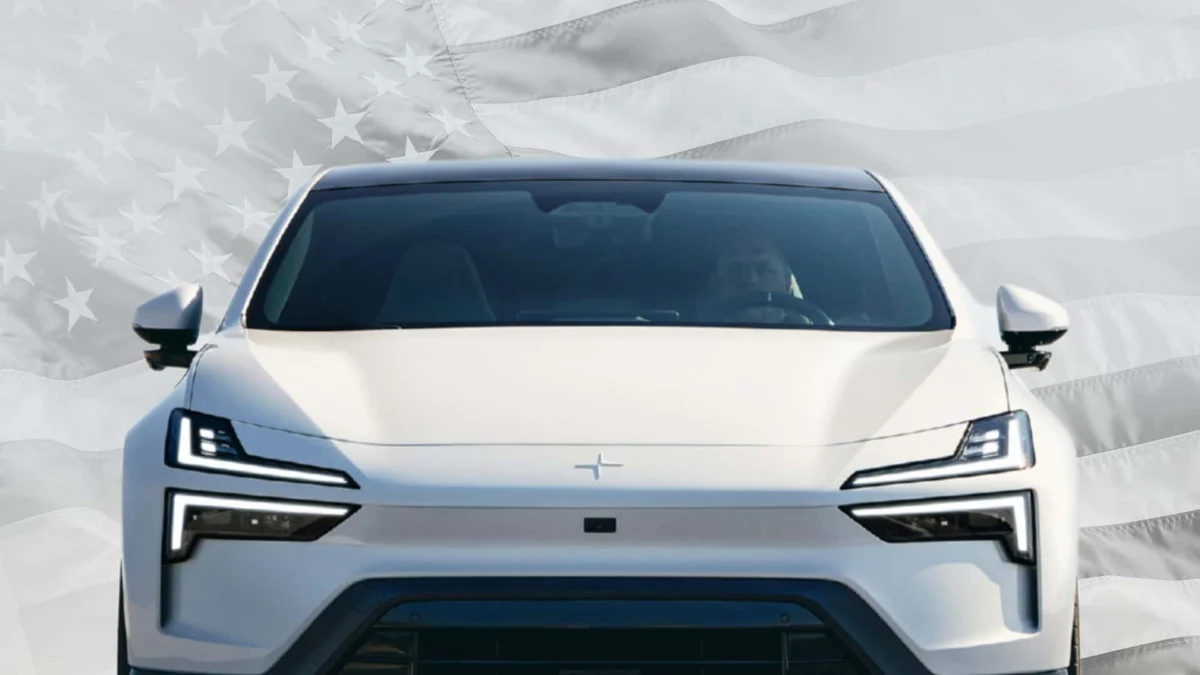
In a move that marks a seismic shift for the global electric vehicle (EV) landscape, Polestar has confirmed it will cease its operations in the United States. Following a rigorous regulatory standoff with the U.S. Department of Commerce, the Swedish-born, Chinese-backed automaker has opted to abandon its efforts to challenge a federal ban on its future vehicle sales. This decision effectively ends the brand’s footprint in one of the world’s most lucrative automotive markets, forcing the company to pivot its long-term strategy toward more receptive territories, specifically within Europe.
The exit is not merely a logistical withdrawal; it represents the first major casualty of escalating tensions between international trade policy and the hyper-connected nature of modern automotive technology. For Polestar, a brand that prided itself on performance-oriented electric luxury, the U.S. market has transitioned from a primary pillar of growth to an untenable regulatory environment.
The Regulatory Catalyst: Security and Software
The genesis of Polestar’s departure lies in the U.S. government’s sweeping new security rules governing "connected vehicles." Aimed at curbing potential national security risks, these regulations prohibit the integration of Chinese-developed software and hardware in vehicles sold within the United States, beginning with the 2027 model year.
The rationale provided by the Commerce Department is rooted in the fear that modern vehicle ecosystems—which rely heavily on onboard cameras, GPS tracking, and continuous data transmission—could be exploited by foreign adversaries. Because Polestar is majority-owned by the Chinese automotive giant Zhejiang Geely Holding Group, it fell squarely under the regulatory microscope.
Despite extensive "significant dialogue" with U.S. officials, Polestar was unable to secure the special authorization required to continue operations. The company’s inability to navigate these protocols, contrasted with the success of other manufacturers, has left industry analysts questioning the transparency and consistency of the federal approval process.
A Tale of Two Brands: The Volvo Discrepancy
Perhaps the most perplexing aspect of this exit is the fate of Volvo. Like Polestar, Volvo is majority-owned by the Geely Group. However, earlier this year, the Commerce Department granted Volvo the necessary clearance to continue its operations after a thorough review of the brand’s data handling and cybersecurity practices.
The discrepancy between the treatment of the two brands has become a focal point of debate. While both companies share significant technical infrastructure, engineering teams, and even production facilities, their regulatory outcomes diverged sharply. The Commerce Department has remained tight-lipped regarding the specific criteria that allowed Volvo to clear the hurdle while effectively shutting out Polestar. This inconsistency has fueled speculation that the decision may be as much about geopolitical signaling as it is about genuine cybersecurity concerns.
Chronology of a Market Exit
The erosion of Polestar’s U.S. presence did not happen overnight. It was a gradual decline precipitated by a "perfect storm" of tariffs, logistical hurdles, and evolving trade relations.
- Initial Expansion: Polestar launched in the U.S. with high expectations, leveraging the brand’s association with Volvo to capture a segment of the premium EV market.
- The Tariff Wave: As the U.S. implemented aggressive tariffs on Chinese-made electric vehicles, Polestar’s business model was forced into a state of flux. The Polestar 2, a popular entry in the lineup, was eventually phased out of the U.S. market as importing it became financially non-viable.
- The Pivot to Domestic Production: In an attempt to circumvent trade barriers, Polestar transitioned production of the Polestar 3 to its facility in South Carolina, sharing assembly lines with Volvo’s EX90. Meanwhile, the Polestar 4 was moved to production in South Korea.
- The Regulatory Blockade: Even with a localized production strategy, the Commerce Department’s focus shifted from "where the car is built" to "who controls the software." The new connected-vehicle mandate proved to be an insurmountable obstacle for the brand’s specific digital architecture.
- The Decision to Withdraw: Faced with the prospect of a prolonged, expensive, and likely unsuccessful legal battle, Polestar announced it would not appeal the ban, signaling a formal retreat from the American market.
Financial Implications and Dealer Uncertainty
The news of the exit has sent shockwaves through the dealer network and the secondary market. For existing owners of Polestar vehicles, the company’s departure creates significant uncertainty regarding long-term maintenance, software updates, and, most critically, resale value.
In a desperate bid to clear remaining inventory, some dealerships have slashed prices on the Polestar 4 by as much as $25,000. While these discounts represent a "buy-in" opportunity for enthusiasts, they also signal a lack of confidence in the brand’s long-term utility within the country. The secondary market is expected to see a significant correction, as prospective buyers weigh the risks of purchasing a vehicle from a manufacturer with no physical or support presence in the U.S.
Strategic Pivot: Focusing on Europe
Polestar’s official stance, as communicated by company spokesman Michael Ofiara, is one of strategic recalibration. By shifting investment away from the U.S., the company intends to double down on regions where its brand equity is strongest.
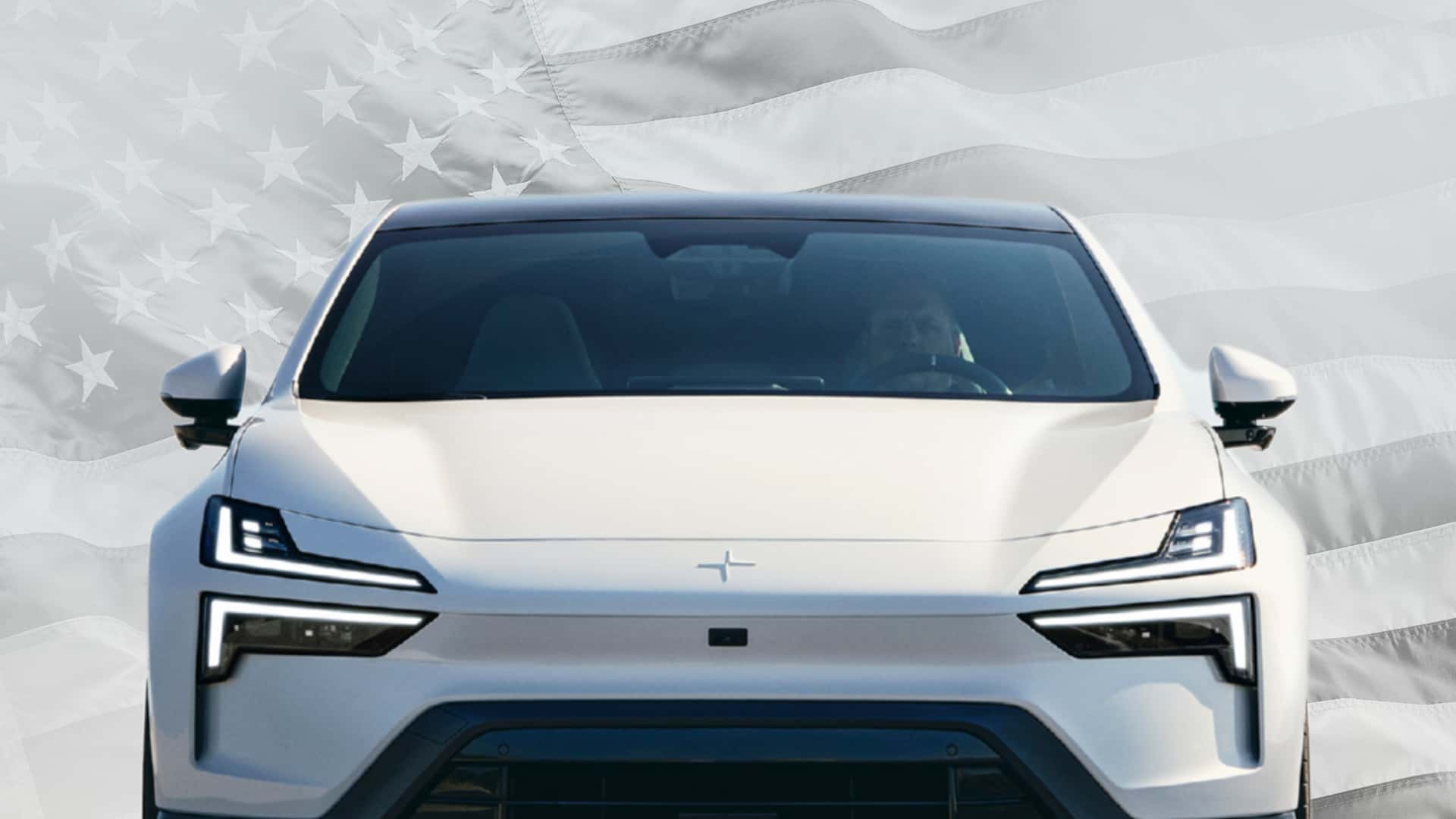
"We will instead focus our investments on markets where we have a strong brand position and ability to achieve profitable growth, with a strong weighting towards Europe," said Ofiara. For Polestar, this means aligning with a market that, while also subject to trade complexities, has historically been more amenable to the brand’s Scandinavian design ethos and performance metrics.
This pivot is necessary for the company’s survival. With the U.S. market—a major engine for volume—effectively offline, Polestar must maximize its efficiency in Europe and parts of Asia to maintain the capital necessary for research and development.
The Broader Implications for the Auto Industry
Polestar’s exit is a microcosm of the challenges facing the global automotive industry in the 21st century. As vehicles become essentially "smartphones on wheels," the line between automotive engineering and national security continues to blur.
1. The Weaponization of Connectivity
The ban sets a precedent that will likely force other manufacturers to localize their software stacks. If a company cannot prove that its data is isolated from foreign influence, it risks being barred from the American market, regardless of where its metal is stamped or its batteries are assembled.
2. Supply Chain Decoupling
The industry is witnessing a rapid decoupling of supply chains. For decades, globalization meant building where it was cheapest. Now, "geopolitical resilience" has become the primary metric for supply chain management. Companies that rely on integrated global software platforms are now facing the highest level of risk.
3. The Future of Chinese-Backed Brands
Polestar’s fate serves as a warning to other manufacturers with Chinese ownership or deep ties to the Chinese tech sector. The U.S. market is no longer a "level playing field" in the traditional economic sense; it is a protected space where regulatory compliance is inextricably linked to national security policy.
Motor1’s Perspective: A Critical Juncture
The departure of Polestar is a significant blow to the diversity of the American EV market. The brand had successfully carved out a niche as an edgy, performance-focused alternative to Tesla and legacy luxury brands. However, the regulatory environment has proven that in the modern era, engineering excellence is secondary to compliance.
The most lingering question remains: Was the ban a necessary security measure, or a protectionist maneuver disguised as one? By shutting out Polestar while allowing Volvo—a brand with identical ownership—to continue, the U.S. government has invited skepticism. For the consumer, this ambiguity is the most frustrating takeaway.
As Polestar prepares to turn off the lights on its U.S. operations, the industry must watch closely. If this is the new standard for market entry, the landscape of available vehicles in the United States is set to become significantly more insular, potentially stifling innovation at the cost of perceived safety.
Conclusion
Polestar’s exit from the United States is a final, definitive chapter in a long-running struggle against shifting trade and security policies. It is a stark reminder that in an age of hyper-connectivity, the digital footprint of a vehicle is just as important as its horsepower. As the company retreats to the familiar, if challenging, terrain of the European market, American consumers are left with the reality of a narrower, more restricted automotive choice.
For those who own a Polestar, the path forward is murky. For those in the industry, the lesson is clear: the era of seamless global vehicle sales is effectively over, replaced by a new, guarded landscape where national security determines the winner of the sales race. The brand will survive, but it will do so as a player in a smaller, more fractured global theater.