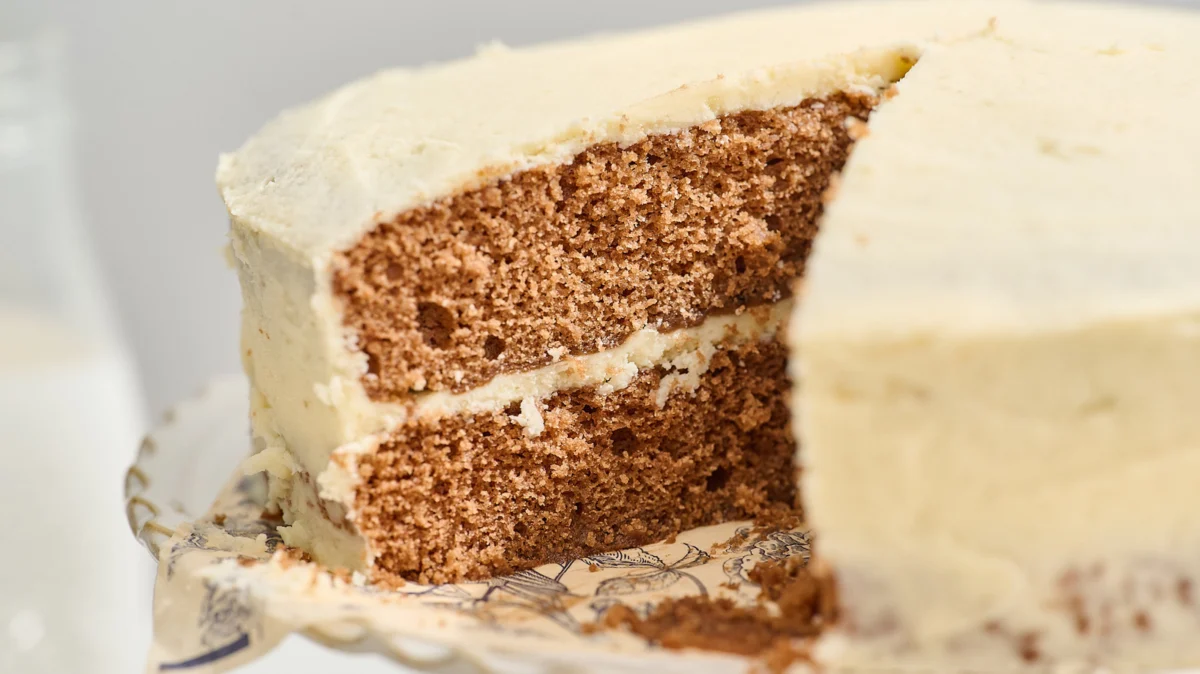
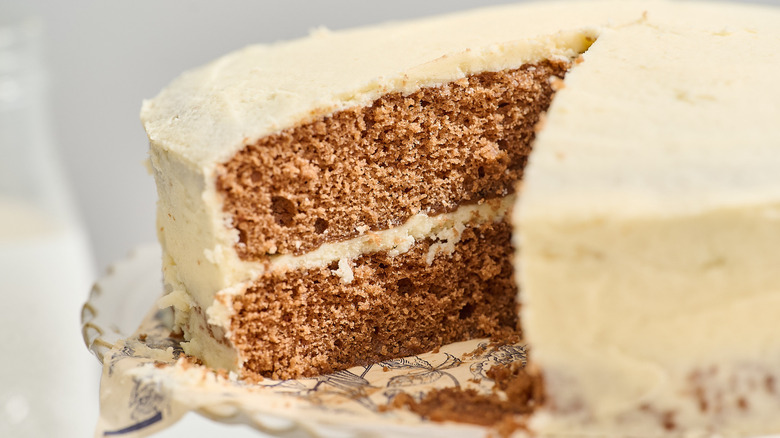
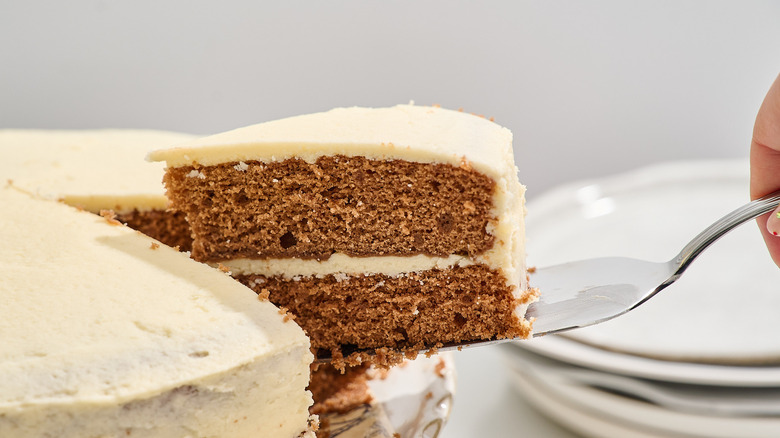
In the vast lexicon of American baking, few creations evoke the same sense of nostalgic wonder as the Mahogany Cake. Often overshadowed in modern consciousness by its vibrant, neon-red descendant—the ubiquitous red velvet cake—the Mahogany Cake represents a more authentic, historical chapter in the evolution of the chocolate dessert. It is a masterpiece of chemistry, relying on the subtle, sophisticated interplay of acidic ingredients and natural cocoa powder to achieve its namesake hue.
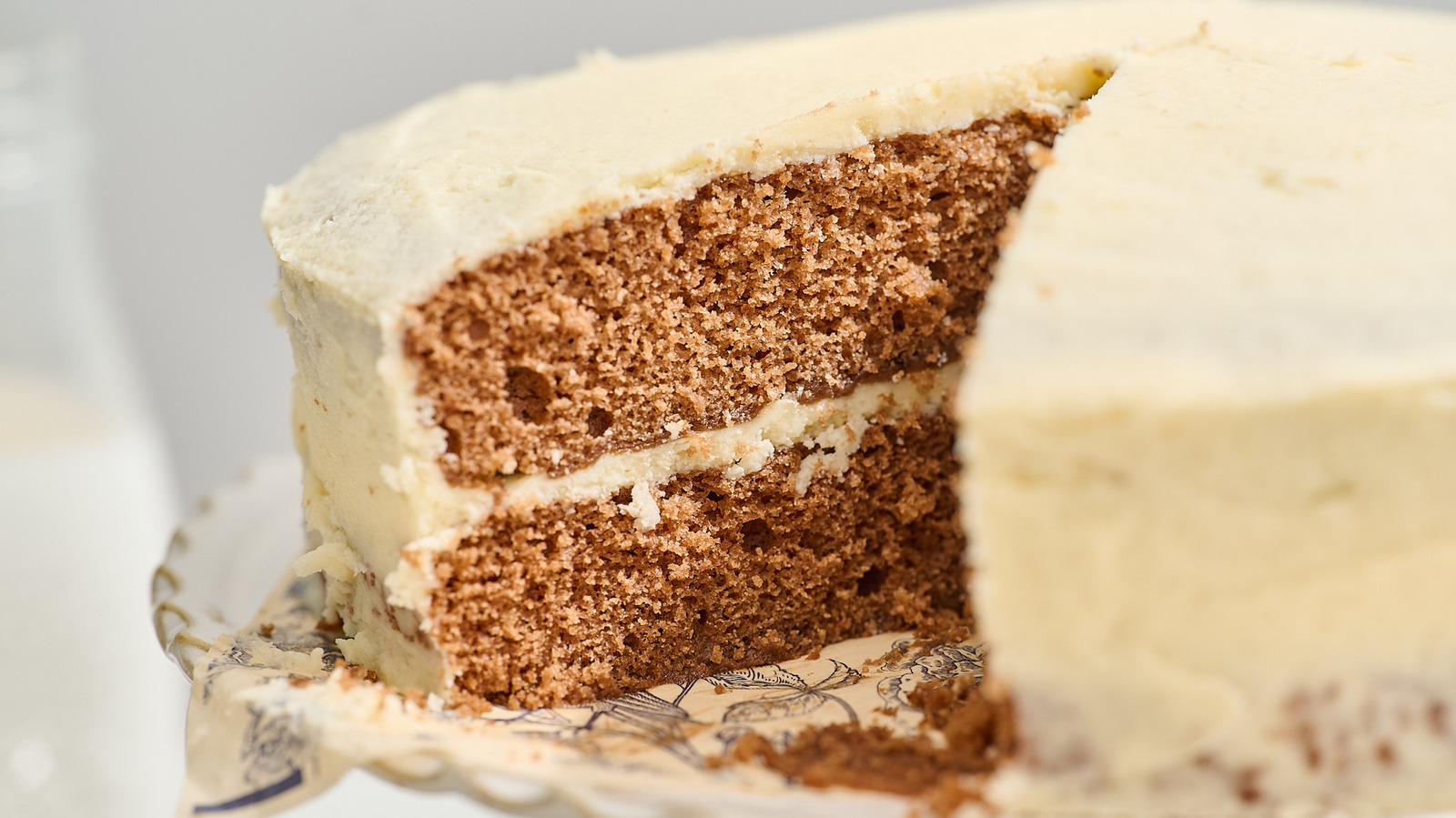
While today’s supermarket bakeries rely heavily on artificial food dyes to achieve the signature aesthetic of a "velvet" cake, the traditional Mahogany Cake achieves its color through a storied chemical reaction. This article explores the rich history of this forgotten classic, provides a comprehensive, step-by-step guide to mastering the recipe, and offers the technical insight required to execute the delicate, custard-like ermine frosting that serves as its perfect companion.
The Historical Context: From Mahogany to Red Velvet
The origins of the Mahogany Cake are deeply rooted in the history of chocolate production in America. When cocoa powder was first introduced to the culinary mainstream, it was significantly more acidic and processed differently than the Dutch-processed cocoa powder commonly found in modern pantries. When this early, acidic cocoa was combined with baking soda and tangy buttermilk, a fascinating chemical transformation occurred. The resulting batter didn’t just turn a deep, rich brown; it developed a reddish tint that bakers described as "mahogany."
Before the advent of widespread food coloring, the Mahogany Cake was widely considered the quintessential chocolate cake. It was the standard-bearer for a "velvet" crumb—a texture characterized by extreme lightness and a fine, soft structure. As the food industry shifted toward convenience and visual spectacle, the natural red hue of the Mahogany Cake was replaced by aggressive doses of synthetic red dye, leading to the creation of the modern Red Velvet Cake. Returning to the Mahogany recipe is, in many ways, an act of historical preservation, allowing bakers to appreciate the authentic, complex flavor profile that defined 19th and early 20th-century baking.
The Science of the Crumb: Ingredients and Methodology
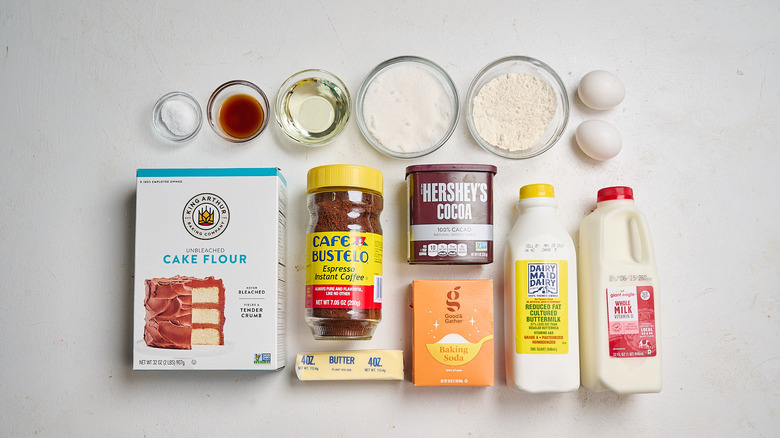
Achieving the perfect Mahogany Cake requires more than just following instructions; it requires an understanding of the chemical roles played by each ingredient.
The Role of Natural Cocoa
The most critical component in this recipe is natural cocoa powder. Unlike Dutch-processed cocoa, which has been treated with alkali to neutralize its acidity, natural cocoa retains the acidity necessary to react with the baking soda. This reaction is the engine that drives the cake’s lift and its unique coloration. Using Dutch-processed cocoa will result in a flat, dark, and decidedly non-mahogany cake.
The Buttermilk Essential
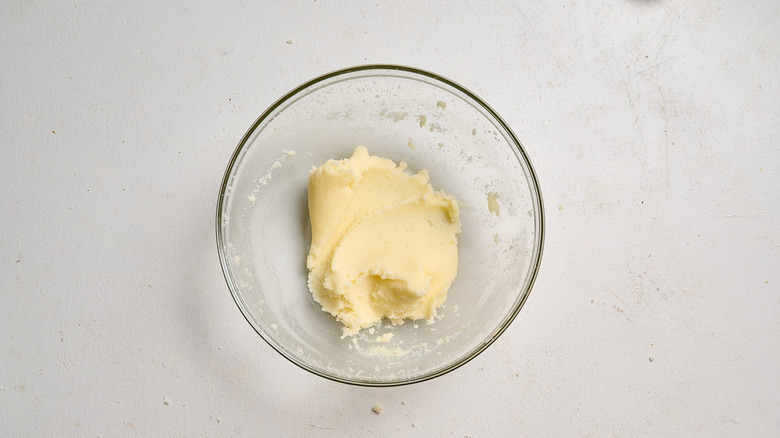
Buttermilk is non-negotiable. Its high acidity serves two functions: it tenderizes the gluten in the flour, ensuring a soft, velvet-like crumb, and it provides the necessary acidic environment for the baking soda to release carbon dioxide. This provides the lift that makes the cake exceptionally light.
The Espresso Enhancer
While some home bakers fear that adding coffee will make their dessert taste like a latte, the inclusion of espresso powder acts as a culinary "flame thrower" for the cocoa. It does not introduce a coffee flavor; rather, it amplifies the natural fruitiness and depth of the chocolate, resulting in a more robust and sophisticated final product.
Chronology of Execution: A Masterclass in Baking
To successfully prepare this cake, one must adhere to a strict process, particularly regarding the temperature-sensitive nature of the ermine frosting.
Phase 1: Preparing the Foundation
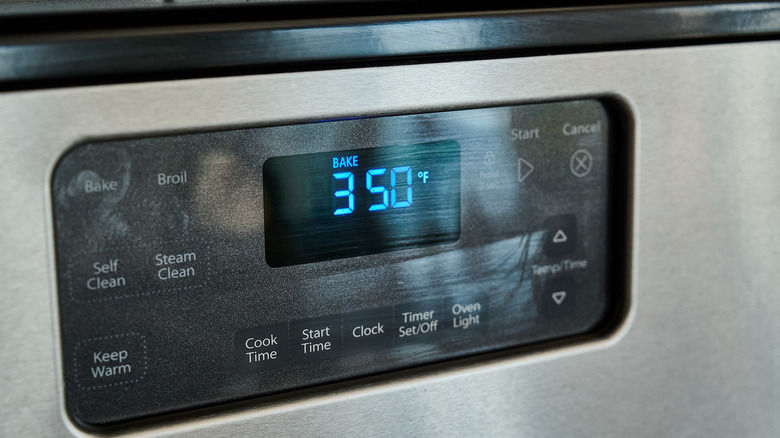
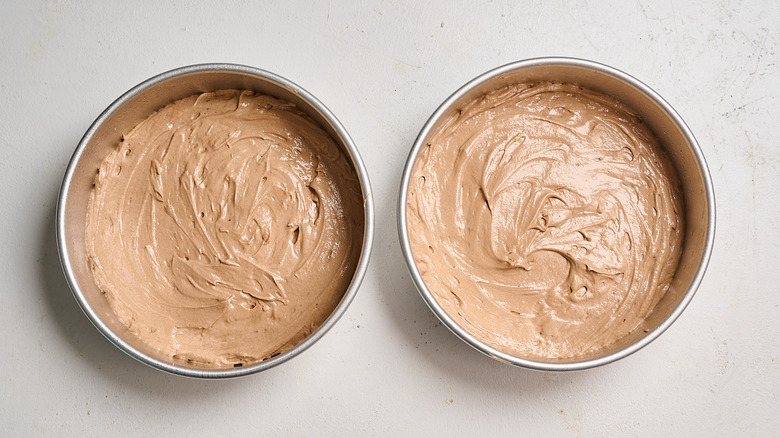
Begin by preheating your oven to 350 F. Prepare your pans by greasing them thoroughly and lining the bottoms with parchment paper—a step that ensures the fragile, delicate crumb releases perfectly after baking.
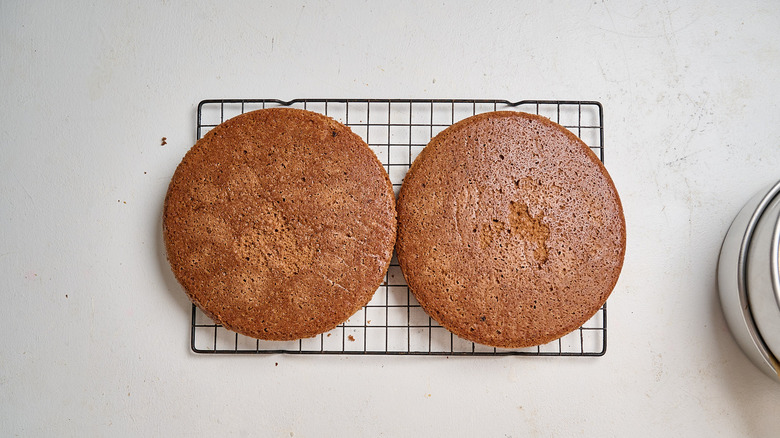
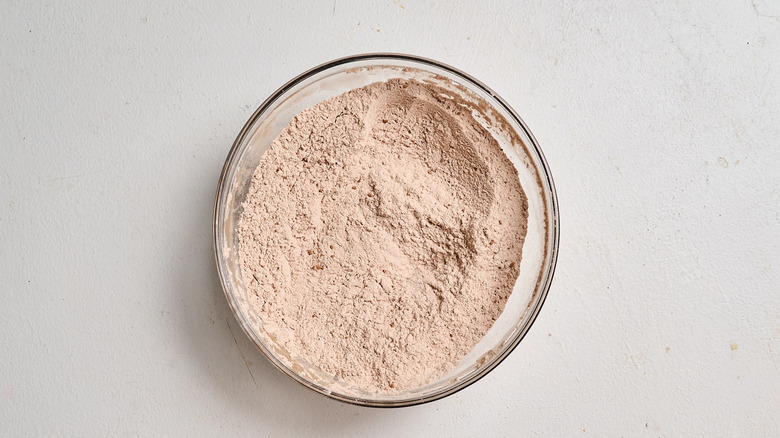
In a large mixing bowl, whisk together the dry ingredients: cake flour, natural cocoa powder, baking soda, espresso powder, and a pinch of salt. Sifting these ingredients is recommended to ensure no clumps of cocoa remain.
Phase 2: Creaming and Emulsification
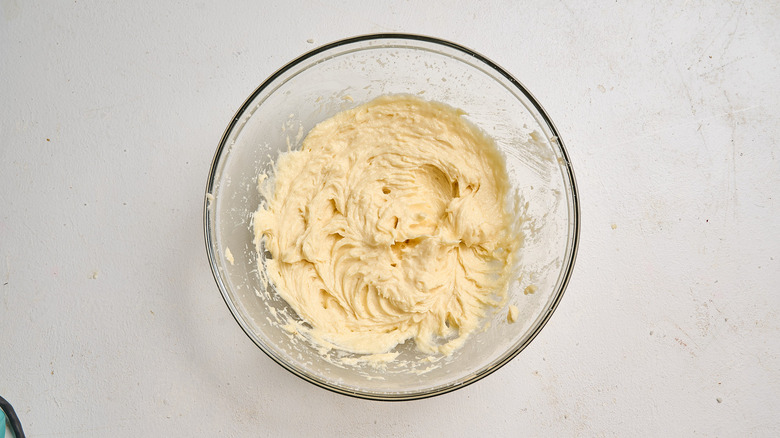
In a separate bowl, cream the butter and sugar until the mixture is pale and light, a process that should take approximately 3 to 4 minutes. This incorporates air into the batter, which is essential for the structure of the cake. Add the vanilla extract and canola oil, the latter of which ensures the cake remains moist for days after baking. Incorporate the eggs one at a time, ensuring each is fully integrated before adding the next.
Phase 3: The Alternating Method
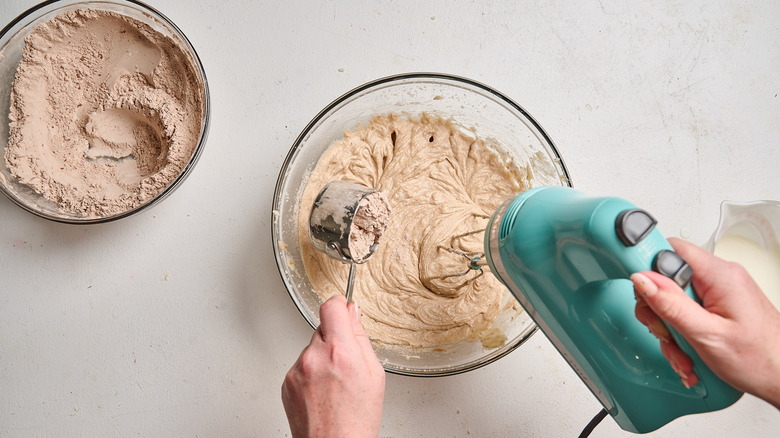
To maintain the emulsion of the batter, alternate adding the buttermilk and the flour mixture. Begin and end with the flour. Be careful not to overmix; overworking the batter at this stage will develop the gluten and destroy the "velvet" quality that makes this cake special.
Phase 4: The Art of the Ermine Frosting
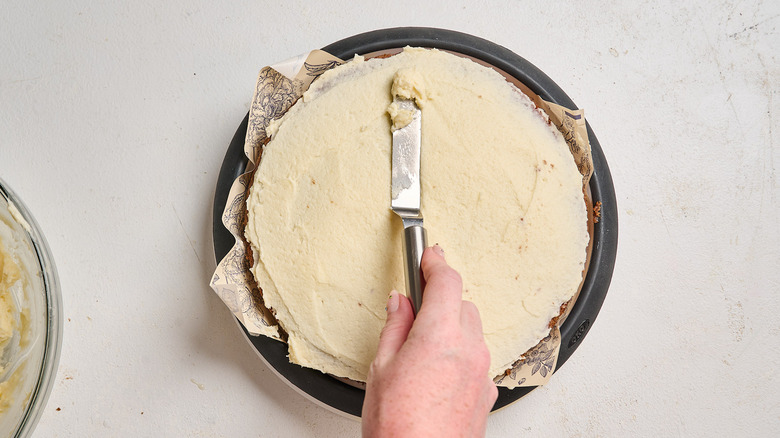
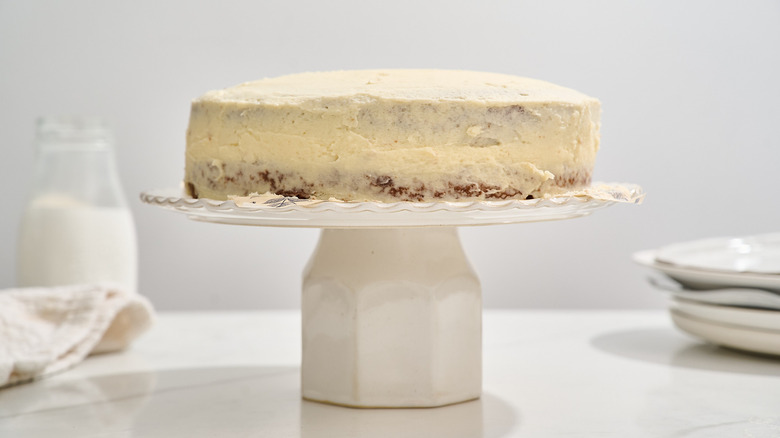
The defining feature of a traditional Mahogany Cake is the ermine frosting—a cooked flour-based frosting that predates the modern American buttercream. It is less sugary, more stable, and possesses a luxurious, custard-like texture.
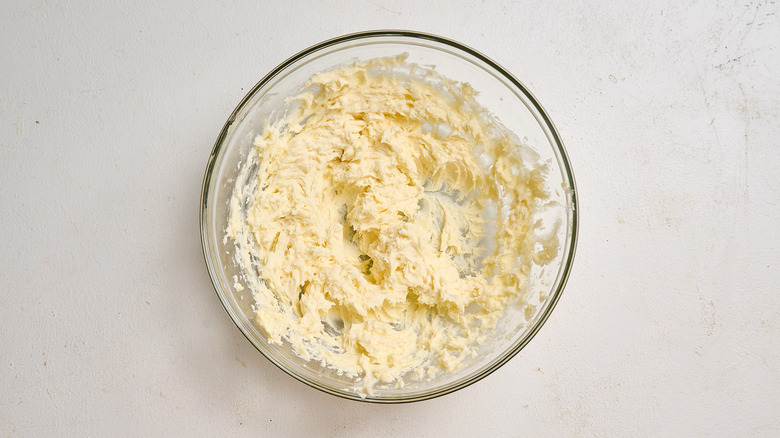
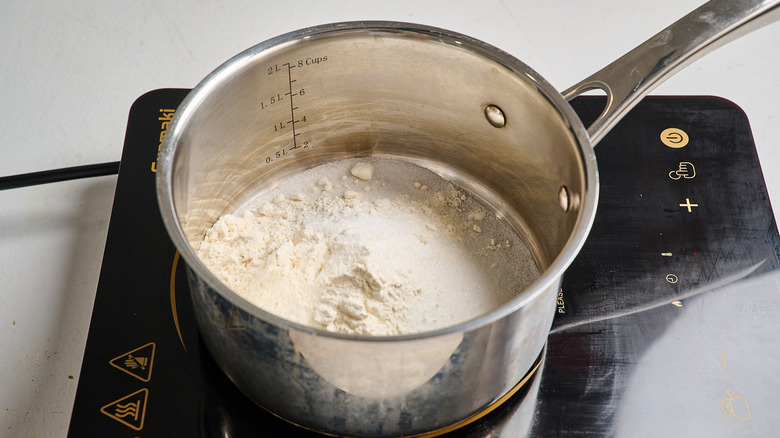
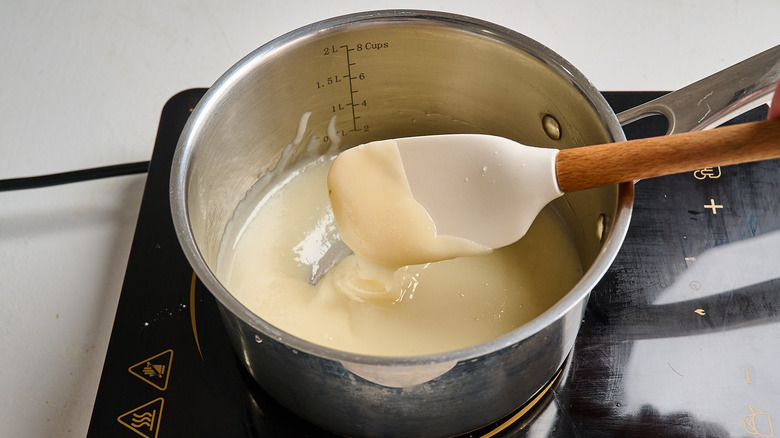
- The Roux: Combine sugar, flour, and salt in a saucepan. Whisk in the milk and cook over medium heat until the mixture thickens into a pudding-like consistency.
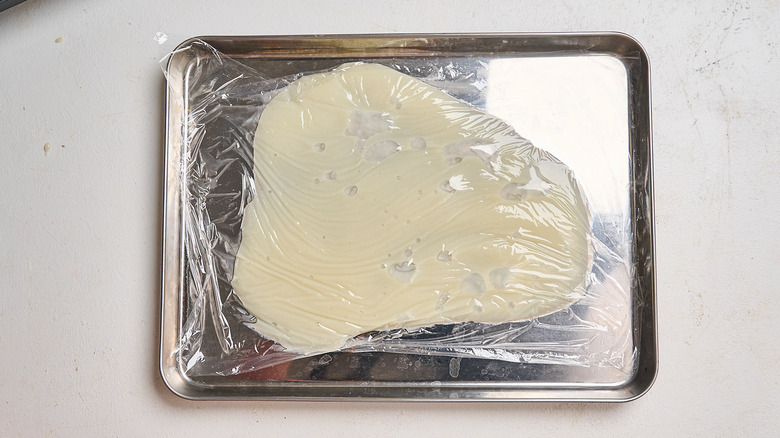
- The Chill: This is the most crucial step. The flour-milk mixture must be completely cooled before being added to the butter. If it is too warm, the butter will melt, resulting in a greasy, broken mess.
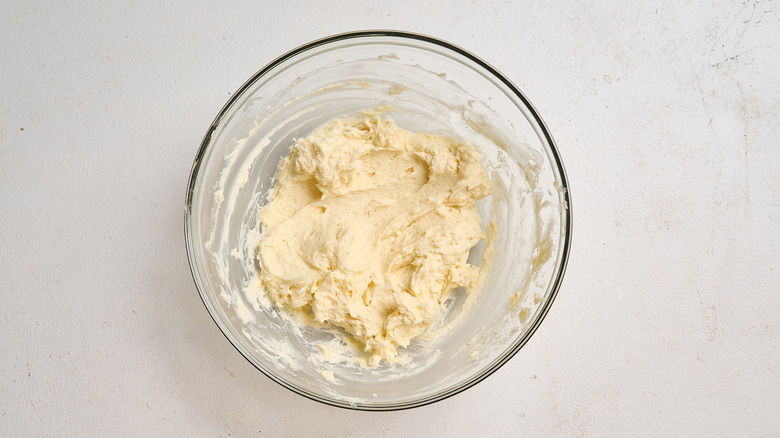
- The Emulsion: Once the pudding is chilled, whip the butter until fluffy and slowly add the milk mixture, one-quarter cup at a time. The result should be a silky, light, and airy frosting that balances the richness of the cake.
Troubleshooting and Technical Implications
Even experienced bakers may encounter difficulties when working with traditional methods.
Fixing Broken Frosting
If your ermine frosting appears grainy or separated, it is almost always a temperature issue. If it looks curdled with lumps, the pudding base was likely too cold when it hit the butter. Gently warming the bowl in a slightly heated oven can resolve this. Conversely, if the frosting is soupy, it is too warm; simply move the bowl to the refrigerator for 10 minutes and then re-whip.
The Question of Coffee
If you are strictly avoiding caffeine, you may omit the espresso powder without altering the chemistry of the recipe. However, do not substitute it with liquid brewed coffee, as the added water content will disrupt the ratio of wet to dry ingredients, potentially leading to a dense or gummy cake.
Nutritional Profile and Dietary Considerations
While the Mahogany Cake is a treat, understanding its nutritional impact is part of responsible consumption. A single serving provides approximately 790 calories, with 44.4 grams of fat and 93.5 grams of carbohydrates. Given these metrics, this cake is intended to be enjoyed as an occasional indulgence. The use of high-quality butter and real buttermilk contributes to the rich mouthfeel, but it also elevates the saturated fat content. As with all baking, balance is key.
Final Reflections
The Mahogany Cake is more than a recipe; it is a testament to the ingenuity of early American bakers who relied on chemistry rather than additives to create their masterpieces. By mastering the delicate balance of acidic ingredients and the precise, temperature-controlled execution of the ermine frosting, you are participating in a tradition that spans generations.

Whether you are baking for a holiday gathering or simply looking to refine your technical skills, this cake offers a reward that modern, dye-heavy alternatives simply cannot match. Its subtle color, complex chocolate notes, and unparalleled velvet texture serve as a reminder that when it comes to the classics, there is no substitute for the real thing.