In an era defined by instant gratification and algorithmic consumerism, the way we acquire the goods we use daily is undergoing a quiet, fundamental transformation. For decades, the standard consumer experience was defined by the physical limits of the storefront: we would enter a shop, survey the available inventory, and select the “least worst” or “best available” option from a curated shelf. We allowed retailers to act as the gatekeepers of our choices, a phenomenon now identified as “store-centered shopping.”
However, a growing movement of mindful consumers is rejecting this passive approach in favor of “self-centered shopping.” This philosophy dictates that the consumer, not the marketplace, should define the requirements of a product before a single search is conducted. By prioritizing personal needs over retail convenience, shoppers are finding greater long-term satisfaction, reducing impulse spending, and fostering deep brand loyalty.
The Chronology of a Consumption Shift
To understand the shift toward self-centered shopping, one must look at the historical constraints of the consumer experience. For much of the 20th century, geography dictated availability. If a consumer lived in a rural area or a small town, their universe of options was strictly bounded by what a local variety store or pharmacy kept in stock.
The arrival of the internet began to erode these physical barriers, yet many consumers remained trapped in the mental habits of the past. They would visit a website, browse the “New Arrivals” or “Best Sellers” categories, and allow the digital storefront to guide their decision-making.
The pivot point for many practitioners of self-centered shopping often occurs during a moment of frustration—typically when an essential item, such as a wallet, a pair of boots, or a piece of office furniture, fails. Where the traditional shopper would immediately head to a big-box retailer to see what is currently on sale, the self-centered shopper pauses. They engage in a period of introspection: How do I actually use this item? What are my specific pain points? What is the ideal functionality?
This transition from reactive browsing to proactive defining changes the entire trajectory of the purchase. Instead of settling for a mass-market compromise, the shopper becomes a researcher. They move from being a victim of the “paradox of choice”—the paralyzing effect of having too many mediocre options—to being a seeker of a singular, perfect solution.
Supporting Data: The Psychology of Satisfaction
The effectiveness of self-centered shopping is rooted in behavioral psychology. Retailers have long relied on the “Paradox of Choice,” a concept popularized by psychologist Barry Schwartz, which suggests that an abundance of options often leads to anxiety and eventual dissatisfaction. When a store offers forty different wallets, the consumer experiences "choice overload." They spend time comparing features they don’t need, often leading to a decision based on price or aesthetics rather than utility.
By contrast, the self-centered shopper narrows the funnel before the search begins. By drafting a list of requirements—size, material, durability, and functionality—the shopper eliminates 99% of irrelevant inventory immediately.
Key Benefits of the Self-Centered Method:
- Reduced Impulse Spending: The most common driver of impulse purchases is a lack of direction. When a consumer walks into a store without a plan, they are susceptible to marketing tactics. A defined list acts as a shield against extraneous spending.
- Higher Quality-to-Cost Ratio: While the initial cost of a “perfect” item may be higher than a mass-market equivalent, the total cost of ownership is often lower. High-quality goods that meet specific user needs tend to be replaced less frequently.
- Increased Emotional Connection: When a product is selected because it perfectly aligns with a user’s workflow, it ceases to be a mere commodity and becomes a tool. This leads to what Marie Kondo famously refers to as “sparking joy.”
Industry Perspectives: The Rise of Niche Loyalty
Market analysts observe that this trend has profound implications for brand loyalty. Companies that prioritize modular, high-utility, or specialized design—such as Tom Bihn (travel gear) or high-end footwear manufacturers—are seeing the benefits of a customer base that is not just satisfied, but loyal for life.
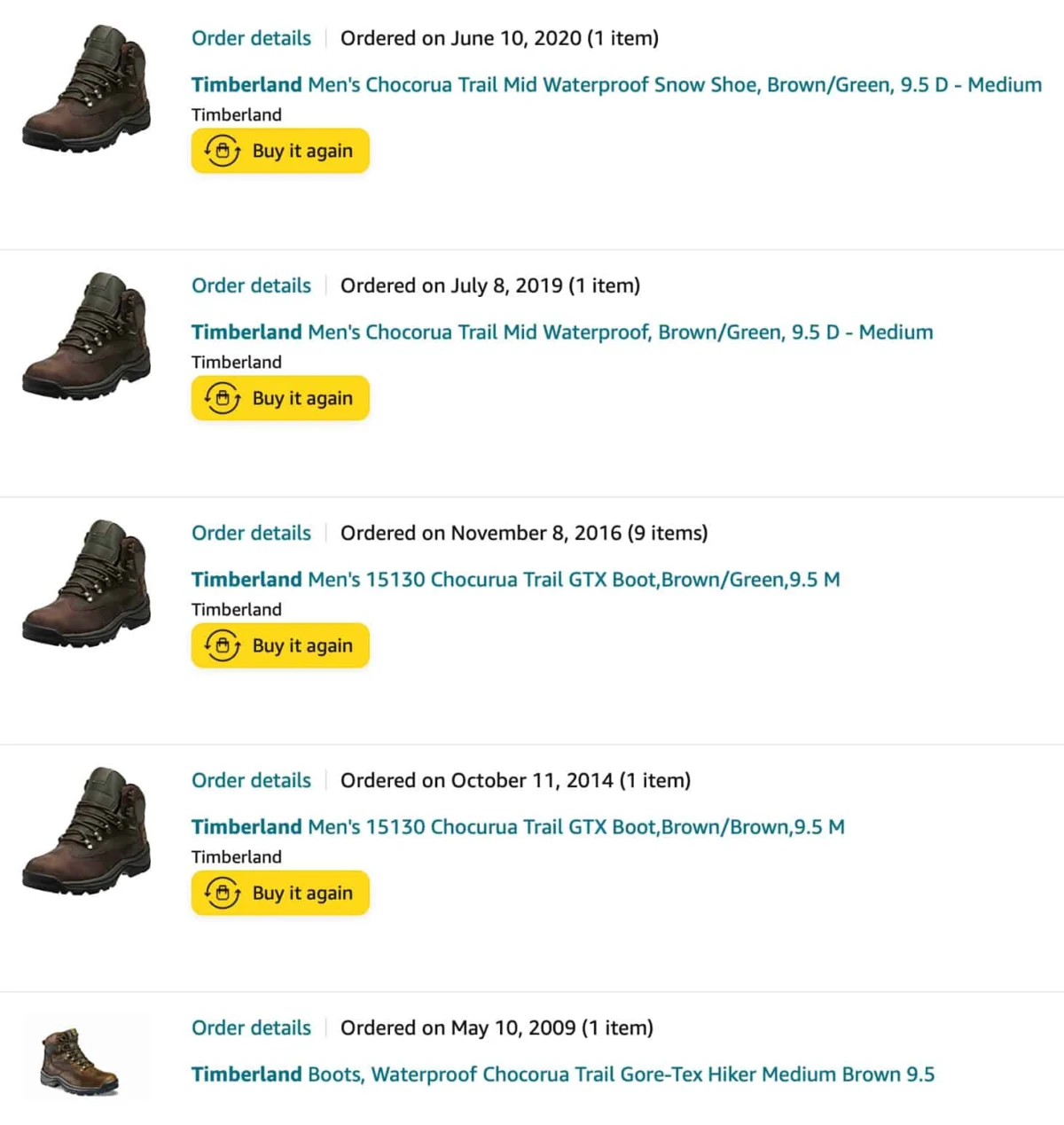
When a consumer performs the labor of finding a perfect product, they become a de facto brand ambassador. Once the “search phase” concludes successfully, the consumer rarely returns to the marketplace to re-evaluate their options. Instead, they exhibit "product loyalty." When the item eventually wears out, they do not browse; they reorder.
“It is a cycle of trust,” says a retail consultant who tracks consumer behavior. “Once a consumer realizes that a specific manufacturer understands their needs, the need for ‘comparison shopping’ evaporates. The brand has essentially saved the customer from the agony of the search in perpetuity.”
Implications for the Modern Consumer
The shift toward self-centered shopping is not merely a change in purchasing habits; it is a shift in lifestyle. It encourages a slower, more deliberate relationship with our possessions.
1. The Death of the “Store-Centered” Mindset
As e-commerce continues to consolidate, the temptation to rely on the algorithms of massive marketplaces (like Amazon) to dictate our choices is stronger than ever. However, those who master self-centered shopping recognize that algorithms are designed to push inventory, not necessarily to provide the perfect tool. By using search engines to find specialized manufacturers rather than generalist retailers, consumers regain agency.
2. The Practical Implementation
For those looking to adopt this method, the process is straightforward:
- Audit current inventory: Identify which items in your life feel like “compromises” and which feel like “perfect fits.”
- Document requirements: Before the next replacement cycle, write down a list of non-negotiables.
- Execute a targeted search: Do not look at categories; look for solutions. If you need a wallet that holds only cards and fits in a front pocket, search for those specific terms, not "men’s wallets."
- Accept the patience requirement: Sometimes, the perfect item is not available for two-day shipping. Accepting that a purchase might take time is part of the process.
3. Sustainability and Waste Reduction
From a sustainability perspective, self-centered shopping is inherently more eco-friendly. It encourages the purchase of fewer, higher-quality items. When consumers buy what they truly need and keep it for the duration of its lifecycle, the volume of discarded, low-quality goods—the “thneeds” of the modern world—is significantly reduced.
Conclusion: A More Satisfying Future
The transition to self-centered shopping is an invitation to be more intentional. It asks us to stop viewing ourselves as passive consumers at the mercy of retail inventory, and instead view ourselves as the architects of our own environment.
While it requires more initial effort, the payoff is substantial. By moving from a state of “buying what is available” to “finding what is necessary,” we not only save money and reduce clutter, but we also curate a life filled with tools that actually work. In a world that is constantly trying to sell us more, the most radical act is to buy exactly what we want, and nothing more.